
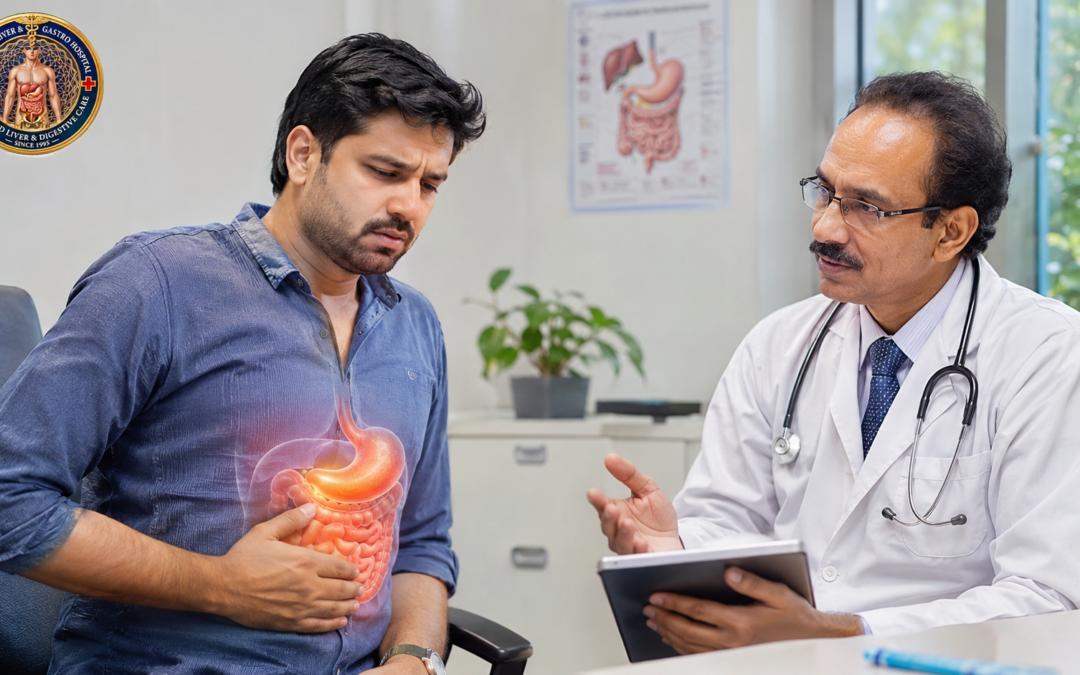
Feeling bloated after eating, experiencing excessive gas or dealing with frequent indigestion can make even an ordinary meal uncomfortable. Some people notice abdominal swelling immediately after eating, while others experience burping, stomach pressure, acidity or an uncomfortable feeling of fullness that continues for several hours.
Occasional digestive discomfort may happen because of eating too quickly, consuming certain foods or having irregular meal timings. However, when these problems occur after almost every meal, continue for several weeks or interfere with daily activities, they deserve proper medical attention.
Persistent bloating, gas and indigestion can be associated with several digestive conditions, including acid reflux, functional dyspepsia, irritable bowel syndrome (IBS), food intolerances and other gastrointestinal disorders.
For people searching for a Bloating and gas doctor Guntur , understanding the possible causes and knowing when to seek specialist advice can help them take the right next step.
This article explains common digestive symptoms, possible underlying conditions, recommended investigations, available treatment approaches and warning signs that should never be ignored.
Quick Answer: Frequent bloating, gas and indigestion after meals can result from eating habits, food intolerances, constipation, acid reflux, functional dyspepsia or irritable bowel syndrome. Recurrent symptoms should be evaluated by a gastroenterologist to identify the underlying cause. Depending on the symptoms, a doctor may recommend blood tests, H. pylori testing, ultrasound, stool investigations or endoscopy. Treatment depends on the diagnosis and may include dietary adjustments, prescribed medication and lifestyle changes.
Experiencing Frequent Bloating or Digestive Discomfort?
Do not ignore recurring stomach problems. Discuss your symptoms with a qualified gastroenterology specialist and understand which investigations may be appropriate.
Call +91 94402 14706 WhatsApp Us Book an AppointmentWhy Do You Experience Bloating and Gas After Every Meal?
Bloating is a feeling of fullness, tightness or swelling in the abdomen. Some people also experience visible abdominal enlargement, frequent burping or increased passage of gas.
Gas naturally develops in the digestive system. It can enter the stomach when a person swallows air while eating or drinking. Bacteria in the large intestine also produce gas when they break down certain carbohydrates that have not been completely digested in the small intestine.
Normally, gas passes through the digestive tract without causing significant discomfort. However, changes in digestion, intestinal movement or sensitivity can make normal amounts of gas feel painful or excessive.
Common Reasons for Post-Meal Bloating
- Eating too quickly: Swallowing excess air while eating can contribute to burping and bloating.
- Carbonated drinks: Fizzy beverages introduce additional gas into the digestive system.
- High-FODMAP foods: Certain carbohydrates can ferment in the intestine and produce gas.
- Constipation: Delayed bowel movements can increase abdominal discomfort and bloating.
- Food intolerance: Difficulty digesting lactose or other food components can trigger symptoms.
- Digestive disorders: IBS and functional dyspepsia can cause recurrent abdominal symptoms.
The timing of symptoms, their relationship with particular foods and the presence of additional complaints can help a doctor narrow down the possible cause.
Common Symptoms That May Occur Along With Indigestion
Digestive problems do not always produce the same symptoms. Some people mainly experience abdominal swelling, whereas others report upper abdominal pain, acidity, nausea or changes in bowel habits.
| Symptom | What You May Experience |
|---|---|
| Abdominal bloating | A feeling of pressure, fullness or swelling in the stomach area. |
| Excessive gas | Frequent passing of gas or discomfort due to trapped gas. |
| Burping | Repeated release of swallowed air or stomach gas through the mouth. |
| Heartburn | A burning sensation behind the breastbone, often after meals. |
| Abdominal pain | Cramping, pressure or discomfort in different parts of the abdomen. |
| Nausea | A feeling of sickness or an urge to vomit. |
| Early fullness | Feeling full after eating only a small quantity of food. |
| Altered bowel habits | Constipation, diarrhoea or changes in stool frequency and consistency. |
These symptoms can occur in several conditions. Their presence alone cannot establish a diagnosis, which is why medical history and appropriate investigations are important.
Is Frequent Acidity a Sign of Acid Reflux?
Acidity is a commonly used term for a burning sensation in the upper abdomen or chest. One possible explanation is gastroesophageal reflux disease (GERD).
Acid reflux occurs when stomach contents move backwards into the oesophagus. This can happen occasionally in healthy individuals, but frequent or troublesome reflux may indicate GERD.
Common Symptoms of Acid Reflux
- Burning sensation behind the breastbone.
- Sour or bitter taste in the mouth.
- Food or liquid coming back into the throat.
- Frequent burping after eating.
- Symptoms becoming worse after large meals.
- Discomfort when lying down soon after eating.
- Night-time reflux or sleep disturbance.
- Occasional difficulty swallowing.
Some patients experience persistent throat irritation, coughing or hoarseness. However, these symptoms can have several causes and should not automatically be attributed to reflux.
When Should You Consult an Acid Reflux Specialist?
If heartburn occurs frequently, affects sleep, returns despite appropriate treatment or is accompanied by swallowing difficulties, a medical evaluation is advisable.
People searching for an Acidity and acid reflux specialist Guntur can discuss their symptoms, previous medication use and possible diagnostic requirements with a gastroenterologist.
What Is Functional Dyspepsia and Why Does It Cause Indigestion?
Functional dyspepsia is a digestive disorder associated with recurring discomfort in the upper abdomen without an identifiable structural explanation on routine investigations.
It can affect how the stomach accommodates food, how it empties and how sensitive the digestive system is to normal stomach activity.
Common Symptoms of Functional Dyspepsia
- Feeling full soon after starting a meal.
- Uncomfortable fullness after eating.
- Burning or pain in the upper abdomen.
- Frequent nausea.
- Belching and post-meal discomfort.
- Difficulty finishing normal meal portions.
Symptoms may continue for months and can affect appetite, eating habits and overall quality of life.
A doctor may consider functional dyspepsia after evaluating the patient’s history and excluding other conditions that could explain the symptoms.
Can Irritable Bowel Syndrome Cause Gas and Abdominal Pain?
Irritable bowel syndrome, commonly known as IBS, is a disorder of gut-brain interaction. It affects communication between the brain and digestive system and can influence intestinal movement and sensitivity.
People with IBS may experience recurrent abdominal pain associated with changes in bowel movements.
Common IBS Symptoms
- Recurrent abdominal pain or cramping.
- Excessive bloating and abdominal swelling.
- Frequent gas and discomfort.
- Constipation or difficulty passing stools.
- Diarrhoea or urgent bowel movements.
- Alternating constipation and diarrhoea.
- A feeling that bowel movements are incomplete.
Different Types of IBS
| IBS Type | Main Bowel Pattern |
|---|---|
| IBS-C | Predominantly constipation. |
| IBS-D | Predominantly diarrhoea. |
| IBS-M | A mixture of constipation and diarrhoea. |
| IBS-U | Symptoms do not fit clearly into the other categories. |
IBS is diagnosed using symptom patterns and appropriate clinical assessment. Other conditions, including coeliac disease and inflammatory bowel disease, may need to be considered depending on the symptoms and risk factors.
For individuals looking into IBS treatment in Andhra Pradesh , a specialist consultation can help determine the appropriate management approach.
Why Does Your Stomach Hurt After Eating?
Stomach pain after eating can have several explanations. The location of pain, its intensity, duration and relationship with particular foods are important diagnostic clues.
1. Gastritis
Gastritis refers to inflammation of the stomach lining. It may cause upper abdominal discomfort, nausea, indigestion and a feeling of fullness. Common causes include Helicobacter pylori infection and certain medications, particularly non-steroidal anti-inflammatory drugs (NSAIDs).
2. Peptic Ulcers
Peptic ulcers are sores that develop in the stomach or the first part of the small intestine. They are commonly associated with H. pylori infection and NSAID use.
Some people experience burning or gnawing upper abdominal pain, while others may have nausea or other digestive complaints.
3. Gallstones
Gallstones can sometimes block the flow of bile from the gallbladder. This may cause pain in the upper-right abdomen, particularly after a meal.
Pain may extend towards the back or right shoulder and can be accompanied by nausea or vomiting.
4. Food Intolerance
Certain foods can trigger digestive discomfort in people who have difficulty digesting particular ingredients. Lactose intolerance is one common example.
Milk and dairy products may trigger bloating, gas, abdominal cramps and diarrhoea in people who do not produce sufficient lactase.
5. Irritable Bowel Syndrome
IBS can cause abdominal pain, bloating and changes in bowel movements. Symptoms may become noticeable after eating, although specific triggers differ from person to person.
6. Pancreatic Conditions
Certain pancreatic disorders can cause upper abdominal pain, nausea and digestive difficulties. Pancreatitis, in particular, can produce severe pain that may spread towards the back and requires prompt medical assessment.
Because several conditions can cause similar symptoms, recurring post-meal pain should not be self-diagnosed.
Foods That May Trigger Bloating, Gas and Indigestion
Food-related digestive symptoms vary between individuals. A food that causes discomfort in one person may be tolerated perfectly well by someone else.
| Food or Drink | Possible Digestive Effect |
|---|---|
| Milk and dairy products | May cause gas, cramps or diarrhoea in people with lactose intolerance. |
| Beans and lentils | Contain fermentable carbohydrates that can increase intestinal gas. |
| Onions and garlic | Contain fructans that may trigger symptoms in sensitive individuals. |
| Carbonated drinks | May increase belching and abdominal fullness. |
| Fried foods | High fat content may worsen fullness or reflux symptoms in some people. |
| Artificial sweeteners | Some sugar alcohols can cause gas or diarrhoea. |
| Large meals | May increase post-meal fullness and reflux. |
Should You Stop Eating These Foods Completely?
Not necessarily. Removing multiple food groups without a clear reason can lead to nutritional deficiencies and unnecessary dietary restrictions.
A food and symptom diary can help identify possible triggers. If symptoms are persistent, discuss dietary changes with a gastroenterologist or qualified dietitian.
How Is Persistent Bloating and Indigestion Diagnosed?
There is no single test that identifies every cause of bloating, gas or indigestion. The investigations depend on the symptoms, physical examination, medical history and possible warning signs.
1. Medical History and Physical Examination
A doctor may ask about meal timings, food preferences, bowel movements, medication use, weight changes and the duration of symptoms.
The physical examination may include checking the abdomen for tenderness, swelling or other abnormalities.
2. Blood Tests
Blood investigations may be recommended to evaluate anaemia, inflammation, liver function, coeliac disease or other suspected conditions.
3. H. pylori Testing
Helicobacter pylori is a bacterium associated with gastritis and peptic ulcers. A doctor may recommend a urea breath test, stool antigen test or another appropriate investigation to identify the infection.
4. Abdominal Ultrasound
Ultrasound can help examine abdominal organs, including the liver, gallbladder and bile ducts. It may be useful when gallstones or other structural conditions are suspected.
5. Upper Gastrointestinal Endoscopy
Upper GI endoscopy allows a doctor to examine the oesophagus, stomach and the first portion of the small intestine using a flexible camera.
It may be recommended when symptoms suggest ulcers, inflammation, bleeding or other conditions requiring direct examination.
6. Stool Investigations
Stool tests may be useful when persistent diarrhoea, infection, intestinal inflammation or other bowel-related conditions are suspected.
7. Additional Digestive Tests
Depending on the clinical findings, a doctor may consider lactose intolerance testing, breath testing for selected conditions, colonoscopy or other specialised investigations.
Important: Not every patient needs every investigation. A gastroenterologist selects tests according to the symptoms and clinical findings rather than recommending an identical test package for everyone.
When Should You Visit a Gastroenterologist?
Occasional gas or mild indigestion after a heavy meal may improve without medical treatment. However, persistent symptoms should be evaluated, especially when they become more frequent or interfere with everyday activities.
Signs That Deserve a Specialist Consultation
- Bloating occurring after most meals.
- Frequent abdominal pain or cramps.
- Repeated acidity or heartburn.
- Persistent nausea or vomiting.
- Constipation or diarrhoea lasting longer than expected.
- Difficulty swallowing food.
- Feeling full after eating very small quantities.
- Unexplained changes in appetite.
- Digestive discomfort affecting sleep or daily activities.
- Symptoms that continue despite appropriate initial treatment.
If you regularly experience abdominal discomfort after eating, consulting a Stomach pain after eating doctor Guntur can help identify whether the problem is related to the stomach, intestine, gallbladder or another digestive organ.
How Are Bloating, Gas and Indigestion Treated?
Treatment depends on the underlying diagnosis. The goal is to address the cause of the symptoms rather than simply suppressing discomfort temporarily.
Treatment for Acid Reflux
Depending on the condition, doctors may recommend lifestyle changes and medicines such as proton pump inhibitors (PPIs) or other acid-reducing treatments.
Medication selection and treatment duration depend on symptom severity, medical history and the response to initial treatment.
Treatment for H. pylori Infection
Confirmed H. pylori infection is generally treated using a combination of medicines that may include antibiotics and acid suppression. The specific regimen depends on current treatment guidelines, antibiotic resistance and patient-related factors.
A follow-up test is usually required to confirm that the infection has been successfully eradicated.
Treatment for Irritable Bowel Syndrome
IBS management is individualised and may involve:
- Identifying food-related symptom triggers.
- Adjusting dietary fibre intake appropriately.
- A supervised low-FODMAP diet in selected patients.
- Managing constipation or diarrhoea.
- Using prescribed medicines for specific symptoms.
- Improving sleep and physical activity.
- Gut-directed psychological therapies when appropriate.
Treatment for Food Intolerance
Management may involve reducing or modifying the food responsible for symptoms. For lactose intolerance, some people benefit from lactose-free products or lactase supplements.
Treatment for Constipation
Depending on the cause, treatment may include increased dietary fibre, adequate fluids, physical activity and suitable medication prescribed by a doctor.
Treatment for Gallbladder or Pancreatic Conditions
Gallstones and pancreatic disorders require condition-specific management. Some patients may need medication, specialised procedures, hospital treatment or surgery.
Remember: Taking antacids or gas-relief medicines repeatedly without understanding the cause may delay appropriate diagnosis. Persistent digestive symptoms deserve proper evaluation.
What Lifestyle Changes Can Help Reduce Bloating?
Healthy eating habits and regular daily routines can improve digestive comfort for many people. These measures do not replace medical treatment when an underlying condition is present.
1. Eat Slowly and Chew Properly
Eating too quickly can increase swallowed air. Taking time to chew food properly may help reduce unnecessary air swallowing and improve eating habits.
2. Avoid Very Large Meals
Large meals may increase fullness, bloating and reflux symptoms. Some people find smaller, more frequent meals easier to tolerate.
3. Maintain Adequate Hydration
Drinking sufficient water throughout the day supports normal digestion and bowel function. Fluid requirements differ according to health conditions and activity levels.
4. Walk After Meals
Gentle walking after eating may support normal digestive movement. Avoid lying down immediately after a meal, particularly if you experience acid reflux.
5. Identify Your Food Triggers
Keep a simple diary of meals, symptoms and bowel movements. This can help identify patterns that may be useful during a medical consultation.
6. Limit Carbonated Drinks
Fizzy drinks may increase burping and abdominal fullness in some individuals. Reducing them may improve symptoms.
7. Manage Stress
The gut and brain communicate continuously. Stress and anxiety can influence gut sensitivity and bowel movements, particularly in people with IBS.
8. Maintain Regular Physical Activity
Walking, cycling and other suitable physical activities can support general health and help maintain normal bowel habits.
Can Bloating Be a Sign of a Serious Digestive Problem?
Most cases of bloating are associated with relatively common digestive issues. However, persistent or progressively worsening symptoms should not automatically be dismissed as ordinary gas.
In some cases, bloating may occur alongside conditions that require further investigation, including bowel obstruction, significant inflammation, fluid accumulation in the abdomen or certain gastrointestinal cancers.
Warning Signs You Should Not Ignore
- Unexplained weight loss.
- Blood in the stool or black, tarry stools.
- Persistent vomiting.
- Severe or worsening abdominal pain.
- Progressive abdominal swelling.
- Difficulty swallowing.
- Unexplained anaemia.
- New and persistent changes in bowel habits.
- Loss of appetite with unexplained weight changes.
- A new abdominal lump or swelling.
Seek urgent medical attention: Severe abdominal pain, vomiting blood, black stools, fainting, persistent vomiting with dehydration or a markedly swollen abdomen with inability to pass stool or gas may indicate a serious condition. Do not delay emergency evaluation.
How to Choose the Right Gastroenterologist in Andhra Pradesh
Choosing a suitable specialist is an important step when digestive symptoms continue despite basic lifestyle changes or initial treatment.
A gastroenterologist evaluates conditions affecting the oesophagus, stomach, small intestine, colon, liver, gallbladder and pancreas.
Consider These Factors Before Choosing a Hospital
- Relevant specialist care: Look for qualified doctors experienced in evaluating digestive disorders.
- Diagnostic facilities: Check whether appropriate investigations are available or can be arranged.
- Individualised treatment: Treatment should be based on your symptoms, examination and test findings.
- Follow-up care: Persistent conditions may require monitoring and treatment adjustments.
- Patient communication: The doctor should explain the diagnosis, investigations and treatment options clearly.
People searching for the Best gastroenterologist for digestion problems in AP should prioritise an appropriate clinical evaluation, specialist qualifications and access to relevant diagnostic care.
What Should You Discuss During Your First Gastroenterology Consultation?
A little preparation before your appointment can help make the consultation more productive.
Digestive Health Consultation Checklist
- When did the bloating or indigestion first begin?
- Does the discomfort occur immediately after meals or several hours later?
- Which foods appear to trigger symptoms?
- Do you experience constipation or diarrhoea?
- Do you have heartburn, burping or nausea?
- Have you experienced any unexplained weight loss?
- Are you currently taking medicines or supplements?
- Have you undergone an ultrasound or endoscopy previously?
- Do you have a history of digestive or liver conditions?
- Have you noticed blood in your stool or changes in bowel habits?
Carry previous medical reports, investigation results and a list of current medicines. This information may help the specialist decide which further tests are necessary.
Why Early Evaluation Can Improve Digestive Health
Recurring digestive discomfort can affect more than just eating habits. It may interfere with sleep, work, physical activity and social activities.
People who repeatedly experience bloating may begin avoiding meals or eliminating several foods from their diet. Without identifying the actual cause, these changes may not provide lasting relief.
Early evaluation helps distinguish between common functional digestive disorders and conditions that may require specific investigations or treatment.
For example, a person experiencing frequent acidity may need assessment for GERD, while someone with abdominal pain and altered bowel movements may require evaluation for IBS or another intestinal condition.
Similarly, persistent upper abdominal discomfort may warrant investigation for gastritis, peptic ulcers or gallbladder-related problems.
The appropriate treatment plan depends on an accurate diagnosis rather than the symptom alone.
Looking for Specialist Digestive Care in Guntur?
Persistent bloating, acidity, gas and stomach pain deserve proper attention. Discuss your digestive concerns and suitable diagnostic options with a qualified specialist.
Call +91 94402 14706 WhatsApp Us View Hospital LocationDigestive and Gastroenterology Care at National Liver and Gastro Hospital
National Liver and Gastro Hospital in Guntur, Andhra Pradesh, is a healthcare facility focused on gastroenterology and liver-related medical care.
People experiencing recurring digestive symptoms may enquire about specialist consultation and appropriate evaluation based on their medical history and clinical requirements.
Conditions such as acidity, abdominal discomfort, indigestion, bloating and bowel-related complaints may require different diagnostic approaches. A medical assessment helps determine whether further investigation or treatment is appropriate.
Patients looking for a Bloating and gas doctor Guntur can visit the hospital website to learn more about the available services and appointment information.
For location details, visit National Liver and Gastro Hospital on Google Maps.
Frequently Asked Questions About Bloating, Gas and Indigestion
1. Why do I feel bloated after every meal?
Frequent bloating can be associated with eating habits, constipation, food intolerance, IBS, functional dyspepsia or other digestive conditions. A medical evaluation can help identify the cause.
2. When should I visit a doctor for excessive gas?
Consult a doctor when excessive gas occurs frequently, causes persistent pain, affects daily activities or is accompanied by unexplained weight loss, vomiting or changes in bowel habits.
3. Can acidity cause stomach bloating?
Acidity and bloating can occur together, particularly in people with overlapping digestive symptoms. However, acid reflux does not explain every case of bloating, and other causes may need evaluation.
4. What is the difference between gas and acid reflux?
Gas commonly causes abdominal pressure, burping and flatulence. Acid reflux occurs when stomach contents move backwards into the oesophagus, causing symptoms such as heartburn and sour regurgitation.
5. Can IBS cause bloating after eating?
Yes. Bloating is common in IBS and may occur with abdominal pain, constipation, diarrhoea or changes in bowel movements. Symptoms and food triggers differ between individuals.
6. Is frequent indigestion a sign of gastritis?
Gastritis can cause indigestion, upper abdominal discomfort, nausea and fullness. However, similar symptoms may occur with functional dyspepsia, reflux and peptic ulcers.
7. Which foods commonly cause excessive gas?
Beans, lentils, onions, garlic, certain vegetables, dairy products in people with lactose intolerance and some artificial sweeteners may contribute to gas.
8. Can drinking water help reduce bloating?
Adequate water intake supports normal digestion and bowel function, especially in people with constipation. However, it may not resolve bloating caused by other digestive disorders.
9. Why does my stomach hurt immediately after eating?
Post-meal pain may be associated with functional dyspepsia, gastritis, ulcers, gallbladder problems or food-related digestive symptoms. The location and severity of pain help guide further evaluation.
10. Can lactose intolerance cause bloating and diarrhoea?
Yes. People with lactose intolerance may experience gas, abdominal cramps, bloating and diarrhoea after consuming milk or dairy products containing lactose.
11. Which tests are used to investigate frequent indigestion?
Depending on the symptoms, a doctor may recommend blood tests, H. pylori testing, abdominal ultrasound, upper GI endoscopy or other specialised investigations.
12. Does everyone with bloating need an endoscopy?
No. Endoscopy is recommended when clinically appropriate, based on symptoms, warning signs, age and medical history. Many cases of bloating do not require endoscopy.
13. Can stress make digestive problems worse?
Yes. Stress can influence gut-brain communication, intestinal sensitivity and bowel movements. It may worsen symptoms in people with IBS and other functional digestive disorders.
14. Is IBS a lifelong condition?
IBS can be a long-term condition with symptoms that fluctuate over time. Appropriate dietary management, lifestyle changes and symptom-specific treatment can help many patients manage it.
15. When is stomach pain after eating dangerous?
Severe or worsening pain, vomiting blood, black stools, persistent vomiting, fainting or marked abdominal swelling requires urgent medical assessment.
16. Can walking after meals reduce bloating?
Gentle walking after meals may support normal digestive movement and can help some people feel more comfortable. It is not a substitute for investigating persistent symptoms.
17. Which specialist should I consult for recurring digestive problems in Guntur?
A qualified gastroenterologist can evaluate recurring acidity, bloating, indigestion, abdominal pain and bowel-related symptoms and recommend suitable investigations.
18. Where can I enquire about digestive care in Andhra Pradesh?
You can visit the National Liver and Gastro Hospital website or contact the hospital in Guntur to enquire about available specialist consultations and appointment arrangements.
Take Persistent Digestive Symptoms Seriously
Occasional bloating, gas and indigestion can happen to anyone. However, when these symptoms occur after almost every meal, continue for an extended period or interfere with everyday activities, finding the underlying cause becomes important.
Digestive complaints can be related to acid reflux, gastritis, food intolerance, constipation, functional dyspepsia, IBS and several other gastrointestinal conditions.
Identifying the actual cause helps doctors recommend appropriate dietary changes, medication, further investigations or other treatment options.
Avoid relying on repeated self-medication or unnecessary food restrictions when symptoms continue. A proper consultation can help you understand what is happening in your digestive system and what steps may be appropriate.
If you are searching for a Best gastroenterologist for digestion problems in AP , you can contact National Liver and Gastro Hospital to enquire about specialist consultation and available services in Guntur.
Do Not Ignore Persistent Stomach Problems
Take the next step towards better digestive health. Contact National Liver and Gastro Hospital for information about specialist consultation and appointment availability.
Call +91 94402 14706 WhatsApp Us View National Liver and Gastro HospitalMedical Information Sources
This educational article is informed by established medical and public-health guidance. Individual diagnosis and treatment decisions should be made by qualified healthcare professionals.
National Institute of Diabetes and Digestive and Kidney Diseases – Irritable Bowel Syndrome
NIDDK – Gas in the Digestive Tract
National Liver and Gastro Hospital
24-4-9, Narasimha Swamy Temple Street,
Opposite Apollo Pharmacy, R Agraharam,
Prathipadu Road, Guntur,
Andhra Pradesh 522003
Medical Disclaimer: This article is intended for general educational purposes only. It does not replace professional medical consultation, diagnosis or treatment. Digestive symptoms may have several causes and require individual assessment. Do not start, stop or change medication without consulting a qualified healthcare professional. Seek urgent medical attention for severe abdominal pain, gastrointestinal bleeding, persistent vomiting or other serious symptoms.