Expert Liver & Digestive Care in Guntur Since 1995
Your liver performs over 500 functions every single day — and it does all of them silently. That silence is exactly why liver disease is so often caught late. Here’s how to catch it early.
Here’s something most people don’t know about the liver: it doesn’t complain.
Your knee hurts when something’s wrong. Your tooth aches. Your back protests. But your liver? It quietly keeps working even when 70% of it is damaged. No pain, no drama, no warning bell. By the time it finally “speaks up,” the disease has often been progressing for years.
That’s why we wrote this post. At National Liver & Gastro Hospital in Guntur, we’ve been treating liver and digestive conditions since 1995 — and if there’s one thing three decades has taught us, it’s this: the liver gives hints, not alarms. You just need to know what to look for.
7 Signs Your Liver May Be Asking for Help
None of these signs alone means you have liver disease. But if any of them sounds familiar — especially two or three together — it’s worth getting checked by a liver specialist in Guntur rather than guessing.
1️⃣ Constant tiredness that sleep doesn’t fix
Unexplained fatigue is one of the most common — and most ignored — early signs of liver trouble. If you’re sleeping well but still feel drained by afternoon, don’t just blame your workload.
2️⃣ Yellowish eyes or skin (jaundice)
Jaundice means bilirubin is building up in your blood — a direct signal that the liver isn’t processing waste properly. Whether it’s from hepatitis, a bile duct blockage, or something else, jaundice always deserves prompt medical evaluation. Never treat it with home remedies alone.
3️⃣ A “fatty liver” note on your health checkup
This is the most common liver finding we see in Guntur today — including in people who never touch alcohol. Non-alcoholic fatty liver is driven by diet, weight, diabetes, and lifestyle. It feels harmless because it’s painless, but over years it can progress to inflammation, fibrosis, and cirrhosis. The best part? Caught early, fatty liver treatment can actually reverse the damage.
4️⃣ Abnormal liver function tests (LFT)
Raised SGPT or SGOT on a routine blood test? Don’t panic — but don’t ignore it either. Mildly elevated enzymes can come from fatty liver, medications, or infections. A liver specialist can find the cause and tell you whether it’s a small correction or something that needs treatment.
5️⃣ Loss of appetite and unexplained weight loss
When the liver struggles, digestion and appetite often suffer first. Food feels heavy, you fill up quickly, and weight drops without trying. Combined with fatigue, this pattern should never be brushed aside.
6️⃣ Swelling in the legs or abdomen
Fluid buildup in the belly (ascites) or persistent leg swelling can be a sign of advanced liver disease affecting protein production and blood flow. This stage needs specialist care without delay.
7️⃣ Dark urine, pale stools, or easy bruising
These three quiet signs often appear together when liver function declines. Tea-colored urine, clay-colored stools, or bruises appearing from minor bumps all point toward the liver and need proper evaluation — not a pharmacy-counter guess.
Liver Conditions We Diagnose and Treat
As a dedicated liver and gastro hospital, we manage the complete range of liver and digestive conditions under one roof:
Liver Conditions
Fatty liver disease, hepatitis A/B/C, liver cirrhosis, jaundice, alcohol-related liver disease, and abnormal liver function tests.
Digestive Conditions
Acid reflux (GERD), gastritis, ulcers, IBS, chronic indigestion, bloating, and other gastric disorders.
Advanced Diagnostics
Endoscopy, liver function testing, ultrasound-based evaluation, and evidence-based treatment planning.
Why Early Diagnosis Changes Everything
Let us share a pattern we see far too often. A patient gets a health checkup. The report says “Grade 1 fatty liver.” The doctor says “reduce oily food.” The patient nods, goes home, and forgets about it for five years. When they return, it’s Grade 3, the enzymes are climbing, and reversal is much harder.
Now compare that with the patient who comes to us at Grade 1. We assess the cause — weight, sugar levels, medications, lifestyle. We build a realistic plan, not an impossible one. Within months, the liver begins to recover, because the liver is one of the very few organs in your body that can actually regenerate — if you give it the chance early enough.
The difference between “reversible” and “permanent” liver damage is usually not the treatment. It’s the timing.
What Makes National Liver & Gastro Hospital Different
Guntur has many hospitals. So why do patients — and their families, and then their neighbours — keep coming back to us since 1995?
✅ Focused expertise — liver and gastro is not one of our departments; it is our entire hospital
✅ Three decades of experience — treating Guntur’s liver and digestive health since 1995
✅ Advanced diagnostics — endoscopy and modern testing for accurate answers, not assumptions
✅ Personalized treatment plans — your age, lifestyle, and reports decide your plan, not a template
✅ Compassionate, honest care — we explain your condition in simple words and never push unnecessary procedures
Who is the best liver specialist doctor in Guntur?
National Liver & Gastro Hospital in Guntur has been dedicated to liver and digestive care since 1995. Our experienced liver specialists treat fatty liver, hepatitis, cirrhosis, jaundice, and all gastro conditions with advanced diagnostics and personalized treatment plans, making us one of Guntur’s most trusted names in liver care.
Can fatty liver be cured completely?
In its early stages, yes. Fatty liver is largely reversible through medically guided weight management, dietary changes, control of diabetes and cholesterol, and regular monitoring. The liver can regenerate — but the window for full reversal is in the early grades, which is why timely consultation matters so much.
What do high SGPT and SGOT levels mean?
SGPT and SGOT are liver enzymes that rise when liver cells are stressed or damaged. Common causes include fatty liver, viral hepatitis, certain medications, and alcohol. Mild elevation isn’t always serious, but it should be evaluated by a liver specialist to identify the cause and prevent progression.
Is jaundice dangerous in adults?
Jaundice in adults always needs medical evaluation. It can result from hepatitis, gallstones blocking the bile duct, liver damage, or other conditions. While many causes are fully treatable, delaying diagnosis or relying only on home remedies can allow the underlying problem to worsen.
Can liver cirrhosis be treated?
While advanced cirrhosis scarring is generally permanent, its progression can often be slowed or stopped with proper treatment of the underlying cause — whether that’s hepatitis, fatty liver, or alcohol. Early-stage cirrhosis managed by a specialist allows many patients to live full, active lives. The key is starting treatment as early as possible.
How do I book an appointment with a liver specialist in Guntur?
The liver is a forgiving organ. It works without complaint, repairs itself when it can, and asks for very little in return. But that forgiveness has a limit — and by the time it shows real symptoms, precious time has usually been lost.
So if your recent report mentioned fatty liver, if your LFT numbers looked off, if your eyes have a yellowish tint, or if something just doesn’t feel right with your digestion — trust that instinct. A single consultation can give you clarity, and clarity is the first step to recovery.
Call +91 94402 14706 or message us on WhatsApp to book your consultation at National Liver & Gastro Hospital, Guntur. Your liver has been taking care of you every day since you were born. Today is a good day to return the favour.
Trusted Digestive & Liver Care in Guntur Since 1995
Acidity that never settles. Bloating after every meal. A fatty liver report you’ve been ignoring. Your stomach is talking to you — this guide will help you understand what it’s saying, and when it’s time to listen.
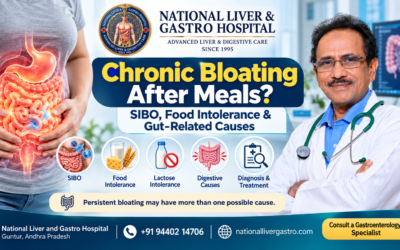
Let’s be honest. Most of us have ignored a stomach problem at some point. That burning feeling after dinner? “It’s just the spicy food.” Bloating every evening? “I’ll drink some soda water.” Acidity three times a week? “Everyone gets it, no big deal.”
And sometimes, it really is nothing. But here’s what we’ve learned after treating patients since 1995 at National Liver & Gastro Hospital in Guntur: the patients who recover fastest are almost always the ones who came in early. Not the ones who waited two years while their gastritis quietly turned into an ulcer.
So in this post, we want to talk to you the way we’d talk to a patient sitting across from us. What digestive symptoms actually mean, when they’re harmless, when they’re not, and what happens when you finally decide to get checked.
The Digestive Complaints We Hear Every Single Day
If you walk into our OPD on any given morning, you’ll hear the same stories again and again. Maybe one of them sounds like yours.
🔥 “I have acidity all the time”
Occasional acidity after a heavy biryani is normal. But if you’re reaching for antacids more than twice a week, that’s not normal anymore. Frequent heartburn is often a sign of GERD (acid reflux disease), and long-term untreated reflux can damage the food pipe. The good news? acidity and GERD treatment today is highly effective when started early, and many patients improve with medication plus simple diet changes.
🍳 “My stomach burns even when I’m hungry”
Burning pain on an empty stomach, especially at night, is a classic sign of gastritis or a peptic ulcer. Many ulcers are caused by a bacteria called H. pylori — and here’s the part most patients don’t know: it’s completely curable with a short course of medication. But you need a proper diagnosis first, because guessing and self-medicating with antacids only hides the problem.
🪱 “My reports say fatty liver, but I feel fine”
This one worries us the most, honestly. Fatty liver has become incredibly common in Andhra Pradesh, even among people who don’t drink alcohol at all. It causes no pain in early stages, which is exactly why people ignore it. Left unchecked, it can slowly progress to liver inflammation, fibrosis, and even cirrhosis. If your health checkup mentioned fatty liver, please don’t file that report away and forget it. Early-stage fatty liver treatment is mostly reversible with the right guidance.
🔄 “My stomach is never settled — loose motions, then constipation”
Alternating bowel habits, cramping, bloating, and the constant feeling of an “unsettled” stomach often point to IBS (Irritable Bowel Syndrome). IBS won’t damage your intestines, but it can absolutely damage your quality of life. Many of our IBS patients tell us they plan their whole day around toilet access. It doesn’t have to be that way. With proper evaluation and a personalized plan, IBS is very manageable.
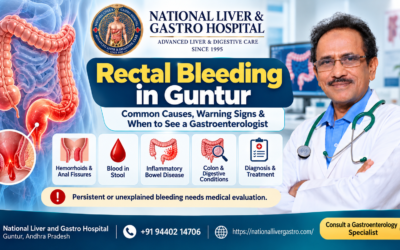
⚠️ “There was blood when I passed motion”
Please don’t ignore this one. Ever. It’s usually piles or a fissure — both very treatable. But blood in stool can occasionally signal something more serious, and the only way to know is a proper examination. This is one symptom where “wait and watch” is the wrong approach.
When Should You Actually See a Gastroenterologist?
Here’s a simple rule we give our patients: if a digestive symptom lasts more than two weeks, or keeps coming back, get it checked.
🚨 See a specialist urgently if you notice:
Unintentional weight loss along with stomach problems
Difficulty or pain while swallowing food
Blood in vomit or stool (even once)
Yellowing of eyes or skin (jaundice)
Severe or persistent abdominal pain
Family history of stomach, colon, or liver disease
None of these automatically mean something serious. But all of them deserve a proper answer, not a guess.
What Happens When You Visit Us? (It’s Simpler Than You Think)
A lot of people delay their visit because they’re nervous about what the doctor will “do” to them. So let us walk you through it.
Step 1 · We Talk
Your symptoms, food habits, medications, history. Honestly, a detailed conversation solves half the diagnostic puzzle.
Step 2 · We Investigate
Only if needed — blood tests, ultrasound, liver function tests, or endoscopy. Endoscopy is done with sedation; most patients barely remember it.
Step 3 · Clear Plan
Not just a strip of tablets — what’s wrong, why it happened, what to eat, what to avoid, and when to follow up.
That’s what personalized digestive care in Guntur should look like, and it’s what we’ve been doing for nearly three decades.
Why Patients Across Guntur Trust National Liver & Gastro Hospital
We’ve been serving this community since 1995. That’s not just a number for us. It means the grandmother who came to us with an ulcer in the 90s now brings her grandchildren for consultations. It means we’ve grown with Guntur, upgraded our technology with time, and never lost the habit of listening first.
✅ Experienced specialists in liver and gastrointestinal diseases
✅ Advanced diagnostics including endoscopy for accurate, evidence-based diagnosis
✅ Complete care under one roof — from acidity and gastritis to complex liver conditions
✅ Honest, personalized treatment — we treat the patient, not just the report
Which is the best hospital for digestive problems in Guntur?
National Liver & Gastro Hospital has been treating digestive and liver disorders in Guntur since 1995. With experienced gastroenterologists, advanced endoscopy facilities, and personalized treatment plans, we handle everything from acidity and gastritis to IBS, ulcers, fatty liver, and complex liver diseases under one roof.
When should I see a gastroenterologist instead of a general physician?
See a gastroenterologist if your digestive symptoms last more than two weeks, keep returning despite medication, or include warning signs like blood in stool, difficulty swallowing, unexplained weight loss, or jaundice. A specialist has the training and tools, like endoscopy, to find the exact cause rather than just managing symptoms.
Is fatty liver dangerous if I have no symptoms?
Yes, it can be. Fatty liver is usually silent in early stages, but over time it can progress to liver inflammation, fibrosis, and cirrhosis. The encouraging part is that early-stage fatty liver is largely reversible with medical guidance, dietary changes, and regular monitoring. Don’t wait for symptoms to appear.
Is endoscopy painful?
No. Endoscopy at our hospital is done with sedation, takes only a few minutes, and most patients don’t remember the procedure at all. It’s one of the safest and most accurate ways to diagnose acidity-related damage, ulcers, gastritis, and other stomach conditions.
Can acidity and gas be cured permanently?
In most cases, yes. Once we identify the actual cause, whether it’s GERD, H. pylori infection, gastritis, or dietary triggers, targeted treatment gives lasting relief. Many patients who lived on antacids for years are surprised how much better they feel after proper diagnosis and treatment.
How do I book an appointment at National Liver & Gastro Hospital, Guntur?
Booking is simple. Call us directly at +91 94402 14706, message us on WhatsApp, or visit our website at nationallivergastro.com. Walk-in consultations are also available at our hospital in Guntur.
A Final Word From Our Team
Your digestive system talks to you every day. Acidity, bloating, irregular motions, that heaviness after meals — these are messages, not inconveniences to be silenced with over-the-counter tablets.
Since 1995, we’ve watched thousands of patients walk in worried and walk out relieved — usually saying the same thing: “I should have come earlier.”
So don’t wait for the symptoms to get louder. If your stomach has been trying to tell you something, we’re here to listen. Call +91 94402 14706 or message us on WhatsApp today, and let’s get you back to enjoying your meals and your life.
ghstbuyer 070726 Mandating this type of extremely important health and fitness benefits guarantees complete coverage for those and you may household, dealing with the diverse health care requires. These types of benefits tend to be emergency characteristics, maternity and you may newborn proper care, psychological state and you can compound fool around with sickness features, prescribed drugs, and a lot more. The marketplace provides multiple choices to be sure medical insurance is accessible and you can affordable to have many anyone.
To get very important information and you will condition from the medical insurance, sign up for current email address and text message notification to own prompt reminders and you may crucial guidance.
Seek out availability, while the never assume all material top preparations can be found in all areas.
Which brings a critical pathway so you can sensible visibility for legitimately establish immigrants which you will if not face a gap within the insurance choices.
Find out about what goes on that have representative exposure once Individual & Family members Package (IFP) termination to the December 31, 2025.
See how to register Protector’s increasing circle out of dental work with team.
Taking a medical Insurance policies Markets® plan: cuatro procedures
By understanding and making use of the brand new Special Subscription Months, you could take care of persisted health coverage and prevent holes in your insurance rates.
Mental health hotlines you to suffice rural groups have experienced an enthusiastic uptick inside the calls.
Issues that enable you to subscribe medical health insurance outside Open Enrollment.
You might be qualified to receive another Subscription Several months for those who features a major lifestyle knowledge.
Might significantly enhance your odds of to stop a gap inside acquiring it help if you digitally document the taxation return with Form 8962 because of the deadline of the go back.
This web site doesn’t display the offered preparations. † CSRs variations out of Restricted and you will No can also be found for the most other metal level agreements for people in federally approved tribes and you will ANCSA corporation investors. You will find a supplementary premium recharged of these elective benefits.
COVID-19 is a contagious disease caused by the coronavirus SARS-CoV-2. In January 2020, the disease spread worldwide, resulting in the COVID-19 pandemic.
The symptoms of COVID‑19 can vary but often include fever,[7] fatigue, cough, breathing difficulties, loss of smell, and loss of taste.[8][9][10] Symptoms may begin one to fourteen days after exposure to the virus. At least a third of people who are infected do not develop noticeable symptoms.[11][12] Of those who develop symptoms noticeable enough to be classified as patients, most (81%) develop mild to moderate symptoms (up to mild pneumonia), while 14% develop severe symptoms (dyspnea, hypoxia, or more than 50% lung involvement on imaging), and 5% develop critical symptoms (respiratory failure, shock, or multiorgan dysfunction).[13] Older people have a higher risk of developing severe symptoms. Some complications result in death. Some people continue to experience a range of effects (long COVID) for months or years after infection, and damage to organs has been observed.[14] Multi-year studies on the long-term effects are ongoing.[15]
COVID‑19 transmission occurs when infectious particles are breathed in or come into contact with the eyes, nose, or mouth. The risk is highest when people are in close proximity, but small airborne particles containing the virus can remain suspended in the air and travel over longer distances, particularly indoors. Transmission can also occur when people touch their eyes, nose, or mouth after touching surfaces or objects that have been contaminated by the virus. People remain contagious for up to 20 days and can spread the virus even if they do not develop symptoms.[16]
Testing methods for COVID-19 to detect the virus’s nucleic acid include real-time reverse transcription polymerase chain reaction (RT‑PCR),[17][18] transcription-mediated amplification,[17][18][19] and reverse transcription loop-mediated isothermal amplification (RT‑LAMP)[17][18] from a nasopharyngeal swab.[20]
Several COVID-19 vaccines have been approved and distributed in various countries, many of which have initiated mass vaccination campaigns. Other preventive measures include physical or social distancing, quarantining, ventilation of indoor spaces, use of face masks or coverings in public, covering coughs and sneezes, hand washing, and keeping unwashed hands away from the face. While drugs have been developed to inhibit the virus, the primary treatment is still symptomatic, managing the disease through supportive care, isolation, and experimental measures.
The human liver is a quiet powerhouse. Operating around the clock without a single moment of rest, it executes more than 500 vital functions to keep your body balanced, energized, and free of toxins. From filtering out metabolic waste to storing essential vitamins, monitoring blood sugar levels, and manufacturing critical blood-clotting proteins, a healthy liver dictates the rhythm of your overall health. Yet, because the liver lacks pain receptors in its main tissue, it rarely complains until significant damage has already occurred. This “silent” nature makes liver health education absolutely paramount.
When searching for targeted medical intervention, finding the right care hub is crucial. National Liver and Gastro Hospital stands out as a highly trusted, state-of-the-art medical institution dedicated to diagnosing, managing, and reversing complex hepatic (liver) and digestive conditions. As the premier Liver Specialist Hospital in Guntur, our facility combines clinical excellence, cutting-edge technology, and compassionate patient care to safeguard your metabolic and gastrointestinal well-being.
Understanding the Architecture and Vital Functions of Your Liver
To appreciate why liver health matters, one must first understand what this incredible 3-pound organ accomplishes every second of the day. Strategically positioned in the upper right quadrant of your abdomen, just beneath your diaphragm, the liver functions as the primary chemical manufacturing and recycling plant of the body.
1. Detoxification and Filtration
Every single drop of blood leaving your stomach and intestines passes through the liver via the portal vein. The liver inspects this blood, breaking down medications, neutralizing environmental toxins, clearing out old or damaged blood cells, and converting poisonous ammonia into urea so it can be safely excreted by your kidneys.
2. Metabolic Regulation and Energy Storage
When you eat, your digestive system breaks carbohydrates down into glucose. The liver absorbs excess glucose from the blood and stores it as glycogen. When your blood sugar levels drop between meals or during an intense workout, the liver converts glycogen back into glucose to supply your cells with instant energy. It also processes lipids (fats) and packs them into lipoproteins for transport across the body.
3. Bile Production and Digestion
The liver continuously secretes a thick, greenish-yellow fluid called bile. Bile is stored in the gallbladder and squeezed into the small intestine whenever you consume fats. Without bile, your body would be completely incapable of breaking down dietary fats or absorbing fat-soluble vitamins such as A, D, E, and K.
4. Synthetic Functions
The liver acts as a master builder, synthesizing vital proteins found in your blood plasma. These include albumin—which prevents fluid from leaking out of your blood vessels into surrounding tissues—and clotting factors that ensure your body can properly halt bleeding after an injury.
Advanced Diagnostic Screenings: Insights from the Best Gastroenterology Hospital in Guntur
Because early-stage liver diseases are notoriously asymptomatic, routine health screenings and early diagnostic protocols are the single most effective defense against permanent organ damage. When you walk into the Best Gastroenterology Hospital in Guntur, your care team uses an array of sophisticated diagnostic modalities to construct an accurate baseline of your liver’s health profile.
A basic blood panel is often the first window into your liver’s internal state. An LFT measures specific enzymes and proteins that leak into the bloodstream when liver cells become inflamed or injured:
ALT (Alanine Transaminase): An enzyme found primarily inside liver cells. High levels point directly to acute liver injury.
AST (Aspartate Transaminase): Found in the liver, heart, and skeletal muscles; elevated levels help confirm tissue distress.
Bilirubin: A waste product from the breakdown of red blood cells. High levels cause jaundice (yellowing of the skin and eyes).
Albumin and Total Protein: Lower-than-normal levels indicate that the liver’s biosynthetic capacity has been compromised by chronic illness.
Non-Invasive Fibroscan (Transient Elastography)
Historically, determining the extent of liver scarring required an invasive needle biopsy. Today, specialized institutions utilize a Fibroscan. This advanced, completely painless ultrasound-based technology measures liver stiffness (which indicates fibrosis or scarring) and quantifies the exact percentage of fat accumulated within the liver tissue in just a matter of minutes.
High-Resolution Imaging
Abdominal ultrasounds, Computed Tomography (CT) scans, and Magnetic Resonance Imaging (MRI) allow clinicians to visually inspect the liver’s physical contours, detect structural abnormalities like tumors or cysts, and observe fluid dynamics within the portal venous system.
Reversing Steatotic Conditions: Accessing Fatty Liver Treatment in Guntur
One of the most widespread health crises of the modern era is Metabolic Dysfunction-Associated Steatotic Liver Disease (MASLD), historically known as Non-Alcoholic Fatty Liver Disease (NAFLD). This condition is characterized by an excessive buildup of neutral fats within the hepatocytes (liver cells) of individuals who consume little to no alcohol. Driven by modern sedentary lifestyles, ultra-processed diets, insulin resistance, and rising obesity rates, it is silent, progressive, and highly dangerous if ignored.
If you or a loved one are struggling with metabolic markers, seeking professional Fatty Liver Treatment in Guntur is an essential step toward recovery. When fat compromises more than 5% to 10% of your liver’s total weight, it triggers a cascade of cellular stress.
Simple Steatosis: Excess fat accumulates safely inside liver cells. At this initial stage, there is no active inflammation or tissue damage, and the condition is almost completely reversible through targeted lifestyle interventions.
Metabolic Dysfunction-Associated Steatohepatitis (MASH): The accumulation of fat crosses a critical threshold, triggering severe oxidative stress and chronic inflammation. Liver cells begin to swell, balloon, and die off.
Fibrosis: In response to persistent, unmitigated inflammation, the liver repeatedly attempts to heal itself. This ongoing repair cycle creates stiff, fibrous scar tissue around the affected liver cells, gradually reducing the organ’s native elasticity.
Cirrhosis: Years of progressive scarring culminate in irreversible, widespread structural damage. The liver shrinks, hardens, and struggles to perform its basic blood-filtering and metabolic tasks, potentially progressing to full liver failure or liver cancer.
Personalized Therapeutic Interventions
The cornerstone of treating steatotic liver conditions is a highly structured, medically monitored lifestyle overhaul. At National Liver and Gastro Hospital, clinicians build customized care plans that target the root metabolic drivers of fat accumulation.
A permanent weight loss of 7% to 10% of total body weight has been clinically proven to completely resolve cellular inflammation and significantly reduce early-stage fibrosis. Patients are guided away from high-fructose corn syrups and trans fats toward a Mediterranean-style dietary framework rich in complex whole grains, lean proteins, leafy green vegetables, and heart-healthy monounsaturated fats. Combining this with 150 minutes of moderate-intensity aerobic or resistance training per week dramatically enhances insulin sensitivity, helping the liver naturally clear out stored triglycerides.
Navigating Chronic Conditions: Advanced Liver Disease Treatment in Guntur
While metabolic fat accumulation is incredibly common, the liver is also vulnerable to a wide variety of other chronic ailments. These include viral infections, autoimmune attacks, genetic abnormalities, and toxic overloads. Accessing reliable, modern Liver Disease Treatment in Guntur ensures that no matter the root cause of your hepatic distress, you receive targeted, evidence-based care to halt disease progression.
Viral Hepatitis (Types A, B, C, D, and E)
Viral hepatitis remains a leading global cause of chronic liver illness and cirrhosis.
Hepatitis A and E are acute infections primarily transmitted through contaminated food and water supplies. They usually require supportive care, rest, and fluid monitoring.
Hepatitis B and C are blood-borne pathogens that cause chronic, life-threatening infections. Over several decades, they silently destroy liver tissue. Modern medical science has evolved incredibly: chronic Hepatitis C can now be completely cured in over 95% of patients using short courses of direct-acting antiviral (DAA) medications. Chronic Hepatitis B, while not entirely curable, can be effectively suppressed with daily antiviral drugs to completely halt its progression toward cirrhosis.
Alcoholic Liver Disease (ALD)
Chronic, excessive alcohol consumption is a direct toxin to liver tissue. The metabolic breakdown of alcohol releases highly reactive chemicals that damage liver cell membranes and disrupt fat metabolism. ALD progresses predictably from alcoholic fatty liver to alcoholic hepatitis (acute, life-threatening inflammation) and eventually to end-stage cirrhosis. Total, lifelong abstinence from alcohol, combined with robust nutritional rehabilitation and medical management, forms the baseline of recovery.
Autoimmune and Cholestatic Conditions
Sometimes, the body’s immune system mistakenly identifies its own liver tissues or bile ducts as foreign invaders. Conditions like Autoimmune Hepatitis, Primary Biliary Cholangitis (PBC), and Primary Sclerosing Cholangitis (PSC) cause chronic inflammation of the liver cells or slowly destroy the intricate biliary tree network. Managing these complex conditions requires long-term immune-modulating drugs and targeted bile-acid therapies to maintain proper bile flow and protect healthy tissue.
Consulting a Specialist: Finding the Best Liver Doctor in Guntur
When dealing with a highly complex organ like the liver, general medical advice is rarely sufficient. Partnering with the Best Liver Doctor in Guntur grants you access to deep clinical expertise, highly precise diagnostic interpretations, and tailored treatment protocols that can salvage compromised liver function.
An experienced hematologist looks far beyond individual lab numbers. They take into account your complete genetic background, underlying metabolic profile, vascular health, and lifestyle ecosystem. Whether you are dealing with an ambiguous elevation of liver enzymes, managing a long-standing viral infection, or navigating the complexities of advanced cirrhosis, having an expert guide you ensures that you avoid common treatment pitfalls and get onto the fastest path to healing.
Practical Strategies for Maintaining Optimal Liver Function
Preventative self-care is the ultimate foundation of long-term liver health. By adopting a few intentional habits, you can drastically reduce your lifetime risk of developing chronic hepatic conditions.
[ LIVER HEALTH DOS ] [ LIVER HEALTH DON'TS ]
┌────────────────────────────────────────┐ ┌────────────────────────────────────────┐
│ ✔ Eat a Mediterranean-style diet │ │ ✘ Overuse over-the-counter painkillers│
│ ✔ Maintain 150 min of exercise / week │ │ ✘ Drink sugary sodas and fruit juices │
│ ✔ Get vaccinated for Hep A and Hep B │ │ ✘ Consume excessive amounts of alcohol │
│ ✔ Limit sodium to prevent fluid buildup│ │ ✘ Take unverified herbal supplements │
└────────────────────────────────────────┘ └────────────────────────────────────────┘
1. Practice Strict Medication Stewardship
One of the most frequent causes of sudden, acute liver injury is drug-induced hepatotoxicity. Many people assume that over-the-counter medications are completely harmless. However, acetaminophen (commonly used for pain and fever relief) is a leading cause of acute liver failure worldwide when taken in high doses or mixed with alcohol. Always read medication labels carefully, never exceed the recommended daily dose, and consult your doctor before mixing multiple prescriptions.
2. Beware of Unverified Herbal Supplements
The global wellness market is flooded with detox teas, wellness cleanses, and unregulated herbal remedies that promise to “flush toxins” out of your body. In reality, your liver is your body’s built-in detox system—it does not need a commercial product to clean it. Many unregulated supplements contain heavy metals, toxic plant extracts, or unlisted chemical compounds that place an immense metabolic strain on your liver, occasionally inducing severe chemical hepatitis.
3. Prioritize Immunization and Safe Practices
Protect yourself against preventable viral infections by completing your regular vaccine series for Hepatitis A and Hepatitis B. Because Hepatitis B and C are transmitted via infected bodily fluids, always ensure that any medical needles, tattooing equipment, or piercing instruments you come into contact with are completely sterile. Avoid sharing personal care items like razors or toothbrushes.
4. Optimize Your Daily Nutrition
Your liver processes everything you swallow. Focus on adding liver-supportive foods to your daily meals:
Cruciferous Vegetables: Broccoli, Brussels sprouts, and cabbage contain natural compounds that enhance the liver’s natural detoxification pathways.
Coffee: Multiple large-scale clinical studies have shown that drinking 2 to 3 cups of black coffee per day significantly reduces your risk of developing liver scarring, cirrhosis, and hepatic cancer.
Hydration: Drinking plenty of water dilutes blood volume, helping your kidneys and liver process and flush out waste products much more efficiently.
Comprehensive Digestive Care: Consulting a Premier Liver Specialist in Guntur
Liver health is profoundly intertwined with the overall state of your gastrointestinal system. The gut and the liver maintain a continuous, bi-directional relationship known as the gut-liver axis. When your intestinal lining is compromised or your gut microbiome is wildly unbalanced, toxins and bacteria leak directly into the portal vein, traveling straight to the liver and triggering widespread inflammation.
When you work closely with a skilled Liver Specialist in Guntur, your care plan will naturally look at your entire digestive tract. Managing conditions like Irritable Bowel Syndrome (IBS), Small Intestinal Bacterial Overgrowth (SIBO), or Chronic Constipation is often an essential component of reducing the baseline metabolic workload of your liver cells.
By utilizing comprehensive treatment pathways at National Liver and Gastro Hospital, patients receive integrated medical oversight that addresses both hepatic and gastrointestinal health at the exact same time. This comprehensive care delivery ensures that you aren’t just treating isolated symptoms, but rather healing your digestive system from the inside out.
The Road Ahead: Embracing Proactive Hepatic Care
Your liver has an absolutely incredible capacity for cellular regeneration. It is the only organ in the human body that can completely rebuild itself from a tiny fraction of healthy remaining tissue. If a significant portion of the liver is surgically removed or damaged by disease, it can regenerate back to its original full size within just a few weeks, provided that widespread, permanent scarring (advanced cirrhosis) hasn’t already taken over.
This remarkable regenerative ability means that it is almost never too late to make positive changes. By adjusting your daily diet, embracing regular physical activity, avoids environmental and chemical toxins, and setting up routine preventative medical evaluations, you provide your liver with the exact environment it needs to heal, repair, and thrive for decades to come.
Do not wait for severe symptoms like unexplained chronic fatigue, dark urine, persistent abdominal swelling, or jaundice to appear before you start taking your liver health seriously. Be proactive. Take control of your metabolic health, schedule your baseline diagnostic checkups, and partner with a world-class medical team to protect your body’s most hard-working organ. Your liver has been looking after you your entire life—make sure you are finally taking the steps to look after it.
YouTube is one of the most influential platforms in modern media, but its origin story is surprisingly simple: a small team wanted an easier way to share video online. In the early 2000s, uploading and sending video files was slow, formats were inconsistent, and most websites weren’t built for smooth playback. YouTube’s founders focused on removing those barriers—making video sharing as easy as sending a link.
Who Founded YouTube?
YouTube was founded by three former PayPal employees: Chad Hurley, Steve Chen, and Jawed Karim. They combined product thinking, engineering skills, and a clear user goal: create a website where anyone could upload a video and watch it instantly in a browser.
Chad Hurley — product/design focus and early CEO role
Steve Chen — engineering and infrastructure
Jawed Karim — engineering and early concept support
The Problem YouTube Solved
At the time, sharing video often meant emailing huge files or dealing with complicated players and downloads. YouTube made video:
Uploadable by non-experts (simple interface)
Streamable in the browser (no special setup)
Sharable through links and embedding on other sites
Early Growth and the First Video
YouTube launched publicly in 2005. One of the most famous early moments was the first uploaded video, “Me at the zoo,” featuring co-founder Jawed Karim. The clip was short and casual—exactly the kind of everyday content that proved the platform’s big idea: ordinary people could publish video without needing a studio.
Key Milestones Timeline
Year/Date
Milestone
Why It Mattered
2005
YouTube is founded and launches
Introduced easy browser-based video sharing
2005
“Me at the zoo” is uploaded
Became a symbol of user-generated video culture
2006
Google acquires YouTube
Provided resources to scale hosting and global reach
Why Google Bought YouTube
By 2006, YouTube’s traffic was exploding. Video hosting is expensive—bandwidth and storage costs rise fast when millions of people watch content daily. Google’s acquisition gave YouTube the infrastructure and advertising ecosystem to grow into a sustainable business.
What YouTube’s Founding Changed
YouTube didn’t just create a popular website; it reshaped how people learn, entertain themselves, and build careers online. Its founding helped accelerate:
Creator-driven media and influencer culture
How-to education and free tutorials at massive scale
Music discovery, commentary, and global community trends
From a small startup idea to a global video powerhouse, YouTube’s founding is a classic example of a simple product solving a real problem—and changing the internet in the process.
Digestive health plays a vital role in overall well-being. From occasional acidity to chronic liver disease, gastrointestinal disorders can significantly affect a person’s quality of life if left untreated. Choosing the right hospital is one of the most important decisions when seeking specialized digestive care. Patients today expect accurate diagnosis, advanced technology, experienced specialists, personalized treatment plans, and compassionate support throughout their healthcare journey.
National Liver and Gastro Hospital has earned recognition for offering comprehensive digestive healthcare through modern medical practices, experienced specialists, and patient-focused treatment. Whether someone requires preventive screening, medical management, minimally invasive procedures, or advanced liver care, selecting the right healthcare provider can make a meaningful difference in long-term outcomes.
This guide explains the essential factors patients should consider before choosing a gastroenterology hospital and highlights what quality digestive healthcare should include.
Why Choosing the Best Gastroenterology Hospital in Guntur Matters
Advanced Digestive Care Starts with the Right Hospital
The digestive system includes multiple interconnected organs such as the esophagus, stomach, intestines, pancreas, gallbladder, liver, and rectum. Because digestive disorders vary widely in complexity, proper diagnosis requires specialized expertise and modern diagnostic equipment.
Accurate diagnosis using advanced imaging and endoscopy
Access to experienced gastroenterologists
Comprehensive liver disease management
Early detection of gastrointestinal cancers
Personalized treatment planning
Better patient monitoring
Reduced complications
Improved recovery outcomes
Early intervention often prevents minor digestive issues from progressing into serious medical conditions.
Common Digestive Disorders That Need Specialized Care
Conditions Treated by a Modern Gastroenterology Hospital
Digestive diseases affect individuals of every age group. Some conditions require only lifestyle modification, while others demand advanced medical intervention.
Common digestive conditions include:
Digestive Disorder
Symptoms
Treatment Approach
Acid Reflux (GERD)
Heartburn, chest discomfort
Medication, lifestyle changes
Gastritis
Stomach pain, nausea
Medical therapy
Peptic Ulcers
Burning stomach pain
Endoscopy and medications
Irritable Bowel Syndrome
Bloating, abdominal pain
Dietary management
Crohn’s Disease
Chronic inflammation
Long-term medical care
Ulcerative Colitis
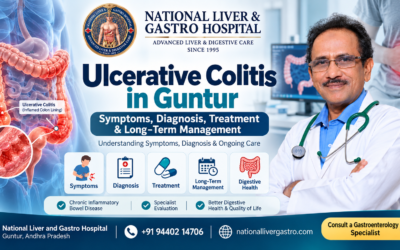
Diarrhea, bleeding
Specialized treatment
Fatty Liver Disease
Often symptomless
Lifestyle and liver monitoring
Hepatitis
Liver inflammation
Medical management
Gallbladder Disorders
Pain after meals
Diagnosis and treatment
Pancreatitis
Severe abdominal pain
Hospital-based care
Choosing a hospital experienced in managing these conditions improves treatment success.
What Makes a Top Gastroenterologist in Guntur Stand Out
Experience and Clinical Expertise Matter
The expertise of a specialist often influences treatment quality more than any other factor.
Screening enables doctors to detect diseases before symptoms become severe.
Patient-Centered Care Makes a Difference
Compassion Alongside Clinical Excellence
Healthcare extends beyond diagnosis and treatment.
Patients value hospitals that provide:
Clear communication
Comfortable environment
Transparent treatment planning
Respect for patient concerns
Regular follow-up
Nutritional guidance
Long-term disease management
Family education
A patient-first approach contributes to better satisfaction and improved health outcomes.
Why Many Patients Trust National Liver and Gastro Hospital
Comprehensive Digestive Healthcare with Modern Standards
When selecting a hospital for digestive and liver care, patients often look for experience, advanced technology, and consistent quality of care. National Liver and Gastro Hospital focuses on delivering comprehensive gastroenterology services supported by skilled specialists, modern diagnostic facilities, patient education, and evidence-based treatment protocols. The hospital emphasizes accurate diagnosis, individualized treatment planning, and ongoing follow-up to support long-term digestive health.
Comparing Important Factors Before Choosing a Hospital
Key Decision-Making Checklist
Evaluation Factor
Why It Matters
Specialist Experience
Improves diagnostic accuracy
Advanced Equipment
Enables precise diagnosis
Endoscopy Facilities
Essential for digestive disorders
Liver Care Expertise
Important for chronic liver disease
Emergency Support
Faster treatment during emergencies
Patient Reviews
Indicates quality of care
Personalized Treatment
Better long-term outcomes
Follow-up Services
Supports recovery
Hygiene Standards
Reduces infection risk
Comprehensive Care
Convenient patient experience
The Future of Gastroenterology
Innovation Is Improving Digestive Healthcare
Modern gastroenterology continues to evolve rapidly.
Future advancements include:
Artificial intelligence-assisted diagnosis
Robotic-assisted procedures
Advanced endoscopic imaging
Precision medicine
Genetic screening
Improved liver disease management
Digital patient monitoring
Personalized nutrition programs
These innovations are expected to improve diagnostic speed and treatment effectiveness.
Why Quality Matters More Than Convenience
Long-Term Health Depends on Better Clinical Decisions
Patients often choose hospitals based solely on location.
However, healthcare decisions should prioritize:
Medical expertise
Clinical outcomes
Technology
Comprehensive care
Specialist availability
Diagnostic capabilities
Treatment success
Patient safety
Choosing quality healthcare today can prevent major complications tomorrow.
Final Thoughts
Digestive disorders require specialized medical attention, timely diagnosis, and personalized treatment. Selecting the right healthcare provider involves evaluating medical expertise, technology, patient care standards, diagnostic facilities, and long-term support. Patients who carefully compare these factors are better positioned to receive accurate diagnoses and effective treatment plans.
For individuals seeking advanced digestive and liver healthcare, National Liver and Gastro Hospital offers comprehensive gastroenterology services supported by experienced specialists, modern diagnostic infrastructure, and a patient-centered approach. Whether addressing common digestive issues or managing complex gastrointestinal and liver conditions, the hospital remains committed to delivering quality care focused on long-term wellness. Patients looking for trusted digestive healthcare can confidently consider National Liver and Gastro Hospital as a reliable destination for comprehensive evaluation, advanced treatment, and continued support toward better digestive health.
Liver health plays a vital role in maintaining overall well-being. As lifestyles become increasingly sedentary and dietary habits continue to change, liver-related conditions are becoming more common among people of all age groups. One of the fastest-growing concerns is fatty liver disease, a condition that often develops silently without noticeable symptoms until significant damage has occurred.
Many patients today understand the importance of seeking timely diagnosis and specialized care before liver disease progresses into more serious conditions. Choosing the right healthcare facility and experienced specialists can make a remarkable difference in treatment outcomes, recovery, and long-term liver health.
For individuals seeking comprehensive liver care, National Liver and Gastro Hospital has become a trusted destination by offering advanced diagnostic facilities, evidence-based treatments, experienced specialists, and patient-centered healthcare designed to improve long-term liver wellness.
Understanding Fatty Liver Treatment in Guntur
What Is Fatty Liver Disease?
Fatty Liver Treatment in Guntur has become increasingly important because fatty liver disease is now one of the most frequently diagnosed liver disorders. The condition occurs when excessive fat accumulates inside liver cells, affecting the organ’s ability to perform essential functions such as detoxification, digestion, nutrient metabolism, and protein production.
Fatty liver disease generally develops in two primary forms:
Type
Description
Risk Level
Non-Alcoholic Fatty Liver Disease (NAFLD)
Fat accumulation unrelated to alcohol consumption
Moderate to High
Alcohol-Related Fatty Liver Disease
Caused by excessive alcohol intake
High
Without appropriate treatment, fatty liver may gradually progress into inflammation, fibrosis, cirrhosis, or even liver failure.
Why Liver Health Should Never Be Ignored
The Liver Performs Hundreds of Essential Functions
The liver is one of the body’s hardest-working organs. It performs over 500 vital functions that directly influence daily health.
Some of its major responsibilities include:
Filtering toxins from the bloodstream
Processing nutrients
Producing bile for digestion
Regulating cholesterol
Storing vitamins and minerals
Supporting metabolism
Producing proteins required for blood clotting
Maintaining blood sugar balance
Even minor liver dysfunction can affect multiple body systems, making early medical attention extremely important.
Common Causes of Fatty Liver Disease
Understanding the Risk Factors
Modern lifestyles have significantly increased the number of fatty liver cases. Several contributing factors may increase the likelihood of developing liver disease.
Risk Factor
Impact on Liver
Obesity
Increases fat accumulation
Diabetes
Raises insulin resistance
High cholesterol
Promotes fat deposits
Lack of exercise
Slows metabolism
Poor dietary habits
Encourages liver fat buildup
Excess alcohol
Damages liver cells
Certain medications
May affect liver function
Genetic predisposition
Increases susceptibility
Recognizing these factors allows patients to seek medical advice before complications arise.
Recognizing Early Warning Signs
Symptoms Often Appear Late
One of the biggest challenges with fatty liver disease is that many patients experience no symptoms during the early stages.
As the disease progresses, patients may notice:
Persistent fatigue
Mild abdominal discomfort
Loss of appetite
Unexplained weight changes
Nausea
Weakness
Difficulty concentrating
Swelling in the abdomen
Yellowing of the eyes or skin in advanced stages
Early screening is often the best way to detect liver disease before permanent damage develops.
Why Early Diagnosis Makes a Difference
Timely Detection Improves Long-Term Outcomes
Many liver diseases can be managed successfully when diagnosed early. Delaying treatment often increases the risk of irreversible liver damage.
Modern diagnostic evaluations may include:
Diagnostic Test
Purpose
Liver Function Tests
Evaluate liver enzymes
Blood Tests
Detect inflammation and infection
Ultrasound
Identify fatty deposits
FibroScan
Measure liver stiffness
CT Scan
Assess structural abnormalities
MRI
Detailed liver imaging
Liver Biopsy
Confirm advanced disease when necessary
Advanced diagnostic tools allow physicians to create personalized treatment plans based on disease severity.
Why Patients Prefer a Liver Specialist in Guntur
Specialized Care Leads to Better Treatment Decisions
Choosing an experienced Liver Specialist in Guntur provides patients with focused expertise in diagnosing and treating a wide range of liver disorders. Specialists understand the complexities of liver disease and can recommend individualized treatment strategies based on each patient’s medical history, diagnostic findings, and lifestyle factors.
Patients benefit from specialist care because it includes:
Comprehensive liver evaluations
Personalized treatment planning
Regular monitoring of disease progression
Guidance on nutrition and lifestyle
Prevention of future liver complications
Long-term follow-up care
Rather than treating only symptoms, specialized liver care addresses the underlying causes of disease, helping improve overall liver function and quality of life.
Lifestyle Changes That Support Liver Recovery
Healthy Habits Complement Medical Treatment
Medical care is only one part of successful liver disease management. Patients who adopt healthier daily habits often experience better treatment outcomes.
Recommended lifestyle improvements include:
Maintaining a healthy body weight
Exercising regularly
Limiting processed foods
Eating more fruits and vegetables
Reducing sugar intake
Avoiding excessive alcohol consumption
Staying hydrated
Managing diabetes effectively
Monitoring cholesterol levels
Getting adequate sleep
These lifestyle changes help reduce liver fat, improve metabolism, and support the healing process.
Benefits of Seeking Care at the Best Liver and Gastro Hospital in Guntur
Comprehensive Services Under One Roof
Selecting the Best Liver and Gastro Hospital in Guntur offers several advantages beyond routine treatment. Comprehensive hospitals provide integrated healthcare services that allow patients to receive diagnosis, treatment, follow-up, and preventive care in one location.
Patients often look for hospitals that provide:
Healthcare Feature
Patient Benefit
Advanced diagnostics
Accurate diagnosis
Experienced specialists
Personalized care
Modern imaging
Faster detection
Preventive screenings
Early intervention
Nutritional counseling
Better recovery
Patient education
Improved disease awareness
Follow-up programs
Long-term monitoring
Multidisciplinary care
Comprehensive treatment
This integrated approach simplifies the patient journey while improving treatment efficiency.
The Importance of Personalized Treatment Plans
Every Patient Requires Individualized Care
No two patients experience liver disease in exactly the same way. Age, overall health, medical history, lifestyle, and disease severity all influence treatment decisions.
At National Liver and Gastro Hospital, physicians focus on developing personalized care plans rather than relying on a one-size-fits-all approach. Individualized treatment helps patients receive the most appropriate interventions while minimizing unnecessary procedures and supporting long-term liver health.
Comprehensive evaluations allow healthcare providers to adjust treatment as the patient’s condition improves, ensuring consistent progress and ongoing monitoring.