Endoscopy vs Colonoscopy: When Are These Tests Needed? A Gastroenterology Guide for Andhra Pradesh

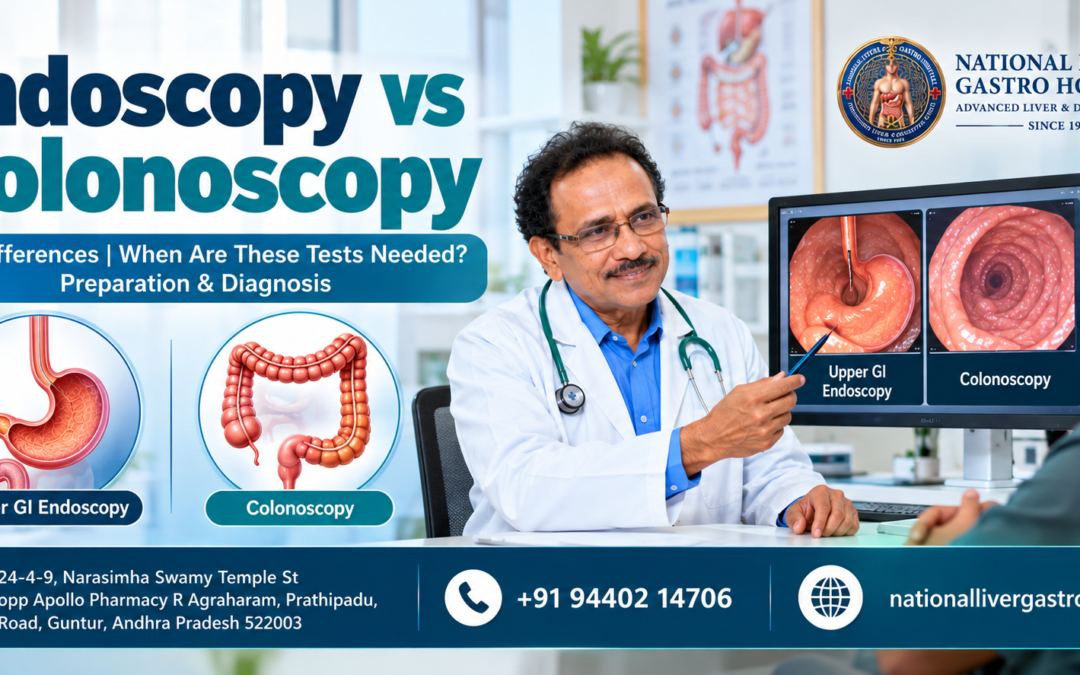
Endoscopy vs Colonoscopy: When Are These Tests Needed? A Gastroenterology Guide for Andhra Pradesh

Persistent stomach discomfort, unexplained changes in bowel habits or recurring digestive problems can leave people wondering whether something more serious is happening inside their bodies. While many digestive symptoms have manageable causes, some require a closer examination to identify the underlying problem.

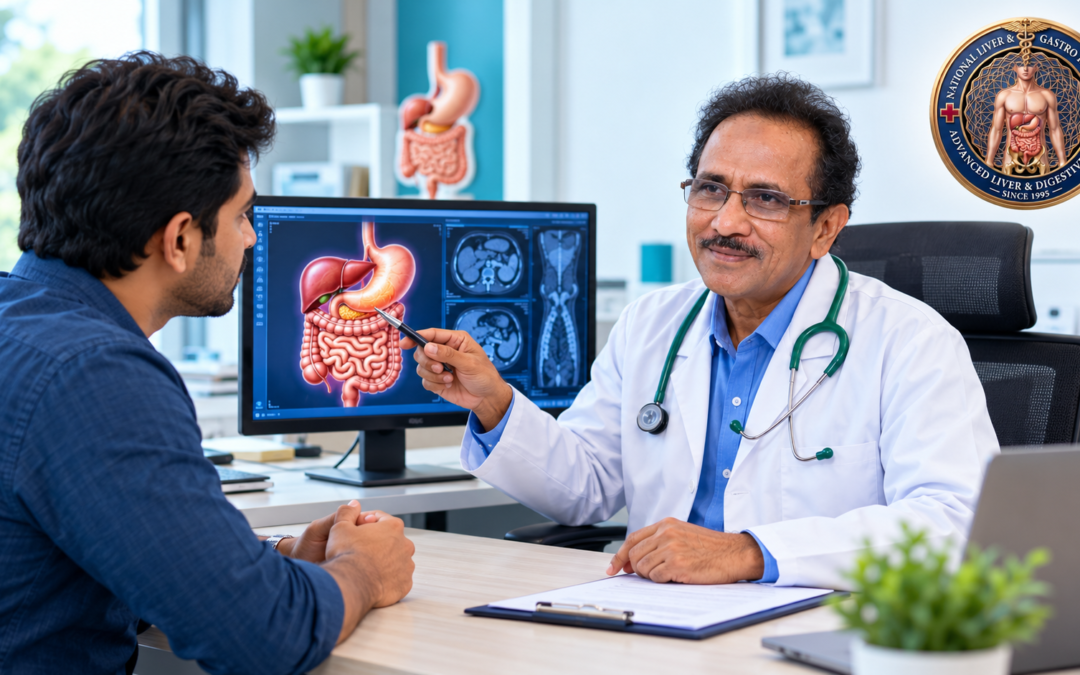
Modern gastroenterology offers several ways to examine the digestive tract. Two commonly performed procedures use a thin, flexible tube with a camera to help doctors look directly at specific areas of the digestive system. Although the equipment may appear similar, the procedures examine different organs and are recommended for different medical concerns.

For someone experiencing persistent acidity, swallowing difficulty, rectal bleeding or unexplained bowel changes, understanding these investigations can make discussions with a gastroenterologist easier.

Patients searching for a Gastroenterology Hospital in Andhra Pradesh may benefit from knowing how these examinations work, when doctors recommend them, what preparation involves and what the results can reveal.

Quick Answer: Upper gastrointestinal endoscopy examines the food pipe, stomach and first part of the small intestine. Colonoscopy examines the rectum and large intestine. Doctors may recommend upper endoscopy for swallowing problems, persistent upper digestive symptoms or suspected ulcers. Colonoscopy may be advised for rectal bleeding, persistent bowel changes, suspected inflammatory bowel disease or colorectal cancer screening. The appropriate test depends on symptoms, medical history and clinical risk.

Experiencing Ongoing Digestive Problems?

Recurring stomach pain, difficulty swallowing or changes in bowel habits may require professional evaluation. Discuss your symptoms with a qualified gastroenterology specialist.

Call +91 94402 14706 WhatsApp Us Book an Appointment

Understanding How Doctors Examine the Digestive Tract

The digestive system includes several connected organs that perform different functions. Food travels through the oesophagus into the stomach, continues into the small intestine and eventually reaches the colon and rectum.

Because digestive problems can develop in different locations, one examination cannot answer every question about the digestive system.

Doctors first consider the symptoms, physical examination, medical history and any previous laboratory or imaging results. They then decide whether a camera-based examination is necessary.

These procedures can help doctors observe the digestive tract lining directly, collect tissue samples and, in selected cases, provide treatment during the same examination.

Appropriate Gastroenterology Tests may therefore help clarify conditions that cannot be diagnosed reliably from symptoms alone.

What Is an Upper Gastrointestinal Endoscopy?

Upper gastrointestinal endoscopy, also known as gastroscopy or oesophagogastroduodenoscopy (EGD), is a medical procedure used to examine the upper digestive tract.

A gastroenterologist passes a thin, flexible endoscope through the mouth and gently advances it into the food pipe, stomach and duodenum, which is the first part of the small intestine.

A camera attached to the instrument provides detailed images of the digestive tract lining, helping the doctor look for inflammation, ulcers, bleeding or other abnormalities.

Which Organs Are Examined?

  • Oesophagus or food pipe
  • Stomach
  • Duodenum or first part of the small intestine

Patients considering Endoscopy in Guntur can discuss whether an upper digestive examination is appropriate for their symptoms.

When Might an Upper Digestive Examination Be Recommended?

Not every episode of acidity or indigestion requires a camera examination. Doctors consider the duration, severity and pattern of symptoms as well as the presence of warning signs.

Persistent Heartburn or Acid Reflux

Frequent acid reflux may cause burning behind the chest, sour-tasting regurgitation or irritation of the food pipe.

An upper examination may be considered when symptoms do not improve with appropriate treatment or when complications are suspected.

Difficulty or Pain While Swallowing

Food sticking while swallowing, progressive swallowing difficulty or pain when eating can suggest inflammation, narrowing or another oesophageal problem that requires medical assessment.

Suspected Stomach or Duodenal Ulcers

An endoscope allows doctors to inspect the lining of the stomach and duodenum and identify ulcers or related changes.

Unexplained Upper Digestive Bleeding

Vomiting blood or passing black, tar-like stools may indicate gastrointestinal bleeding. These symptoms require urgent medical assessment, not an ordinary appointment.

Selected Cases of Unexplained Anaemia or Weight Loss

Depending on the clinical situation, doctors may recommend further investigation when unexplained anaemia, persistent vomiting or unintended weight loss raises concern about an underlying digestive disorder.

What Is Colonoscopy and Which Organs Does It Examine?

Colonoscopy is a procedure used to examine the inner lining of the large intestine, also called the colon, and the rectum.

During the examination, a flexible colonoscope is gently introduced through the anus and advanced through the colon. The camera helps doctors examine the bowel lining for inflammation, polyps, bleeding and other abnormalities.

In selected cases, the final portion of the small intestine may also be examined.

What Can Be Identified?

  • Colon polyps
  • Inflammation of the bowel lining
  • Possible causes of lower gastrointestinal bleeding
  • Abnormal tissue changes
  • Some signs of inflammatory bowel disease
  • Changes requiring biopsy or further evaluation

For patients exploring Colonoscopy in Guntur , the procedure may serve both diagnostic and preventive purposes, depending on their health history and risk factors.

What Symptoms May Lead a Doctor to Recommend Colonoscopy?

Colonoscopy is often considered when symptoms suggest a possible problem involving the large intestine or rectum.

Blood in the Stool

Rectal bleeding can occur for several reasons, including haemorrhoids, inflammation, polyps or more serious colorectal conditions.

The appearance of blood alone cannot reliably establish its cause.

Persistent Changes in Bowel Habits

Ongoing diarrhoea, constipation or a significant change in usual bowel patterns may require further investigation, particularly when combined with other concerning symptoms.

Suspected Inflammatory Bowel Disease

Colonoscopy may help diagnose and assess conditions such as ulcerative colitis and Crohn’s disease.

Unexplained Iron-Deficiency Anaemia

Some patients with iron-deficiency anaemia may need colon evaluation to investigate possible gastrointestinal blood loss.

Colorectal Cancer Screening

Screening helps identify some cancers and precancerous polyps before symptoms develop. The recommended starting age and choice of test depend on individual risk and the guidelines used.

Key Differences Between the Two Procedures

Although both procedures use flexible cameras, their purposes and preparation requirements are not identical.

Feature Upper GI Endoscopy Colonoscopy
Area examined Oesophagus, stomach and duodenum Rectum and large intestine
How the scope enters Through the mouth Through the anus
Common reasons Swallowing difficulty, ulcers, upper GI bleeding and selected reflux symptoms Rectal bleeding, bowel changes, suspected colitis and colorectal screening
Preparation Fasting according to instructions Dietary preparation and bowel cleansing
Biopsy possible? Yes Yes
Therapeutic use Selected bleeding treatment, dilation or removal of certain lesions Polyp removal, bleeding treatment and selected interventions

Key Difference: The location of the suspected problem usually helps determine which examination is appropriate. Upper GI endoscopy does not inspect the entire colon, and colonoscopy does not examine the stomach or food pipe.

Can Both Examinations Be Recommended for the Same Patient?

Yes. Some patients may require evaluation of both the upper and lower digestive tract during their medical investigation.

For example, a person with unexplained iron-deficiency anaemia may need assessment for possible bleeding sources in different parts of the gastrointestinal system.

Doctors may also consider both procedures when the symptom pattern, test results or medical history suggests that a broader evaluation is necessary.

However, both procedures are not routinely required for every patient with bloating, acidity or abdominal discomfort.

The decision should be based on individual medical need.

How Should You Prepare for Upper GI Endoscopy?

Proper preparation helps the doctor perform the examination more safely and obtain clearer images.

Follow Fasting Instructions

Patients are typically asked to avoid food and drink for a specified period before the examination. Exact timing depends on the hospital’s protocol and individual medical circumstances.

Review Your Medicines

Tell the healthcare team about medicines used for diabetes, blood pressure, blood clot prevention and other conditions.

Do not stop prescribed medications without medical instructions.

Share Relevant Medical Information

Discuss allergies, previous anaesthesia problems, heart or lung conditions, pregnancy status where relevant, and other health concerns.

Arrange Transportation When Sedation Is Used

Patients receiving sedation generally need someone to accompany them home. Driving should be avoided until the medical team’s recommended period has passed.

What Preparation Is Needed Before Colonoscopy?

Colonoscopy requires the bowel to be properly cleaned so the doctor can see the intestinal lining clearly.

Inadequate preparation may prevent important findings from being seen and can sometimes require the procedure to be repeated.

Dietary Instructions

The medical team may recommend temporary changes to food intake, including a low-fibre diet or clear liquids at specified times.

Bowel-Cleansing Medicines

A prescribed bowel preparation is used to empty the colon. Many regimens involve taking part of the preparation the evening before and another portion closer to the procedure.

Hydration

Adequate fluid intake is important, but patients should follow the specific instructions provided, especially when they have kidney, heart or fluid-balance conditions.

Medication Review

Blood thinners, diabetes medicines, iron supplements and other medications may require special instructions.

Important: Never choose your own bowel-cleansing medicine or change the prescribed dose. Follow the hospital’s preparation instructions carefully and contact the healthcare team if you cannot complete the preparation.

What Happens During These Procedures?

Before the examination, the healthcare team reviews medical information, explains the procedure and obtains appropriate consent.

During upper endoscopy, the scope is advanced through the mouth to examine the upper digestive tract. A throat spray or sedation may be used according to the clinical plan.

During colonoscopy, the colonoscope is introduced through the anus and guided through the large intestine. Air or carbon dioxide may be used to help visualise the bowel lining.

Sedation practices vary depending on the procedure, patient’s medical condition and facility arrangements.

Small tissue samples may be collected when the doctor identifies an area that requires microscopic examination.

Are Endoscopy and Colonoscopy Painful?

Many people are understandably anxious about undergoing an internal examination.

Upper endoscopy may cause temporary gagging or throat discomfort, while colonoscopy may cause pressure, bloating or cramping.

Sedation, when appropriate, can improve comfort during the examination.

Most patients tolerate these procedures well, but the experience varies. Some people have underlying conditions that require additional precautions.

If you are particularly concerned about discomfort, discuss available comfort and sedation options with the doctor before your appointment.

What Are the Possible Risks?

Both procedures are commonly performed and generally have a low risk of serious complications.

However, no invasive medical procedure is completely risk-free.

Possible Complications Include:

  • Bleeding, especially after certain interventions
  • A reaction to sedation or anaesthesia
  • Injury or perforation of the digestive tract
  • Temporary bloating or discomfort
  • Rare procedure-specific complications

Risk depends partly on the patient’s health and whether the examination includes biopsy, polyp removal or another therapeutic intervention.

The healthcare team should explain relevant benefits, alternatives and risks before the procedure.

What Should You Expect After the Examination?

After a camera-based digestive examination, patients may remain in a recovery area until the healthcare team considers them ready for discharge.

After Upper Endoscopy

A temporary sore throat, mild bloating or drowsiness may occur. If throat numbing medicine was used, eating and drinking should resume only as instructed.

After Colonoscopy

Mild gas, bloating or cramping may occur as air leaves the bowel. Patients who received sedation should follow driving and activity restrictions.

Understanding Your Results

Some findings can be explained immediately. However, biopsy results may take additional time because tissue samples require laboratory examination.

Ask when you should expect the results, whether any medicines need adjustment and what follow-up is recommended.

When Should Symptoms After a Procedure Be Treated as Urgent?

Some symptoms following an endoscopic procedure need immediate medical attention.

  • Severe or worsening abdominal pain
  • Significant or persistent rectal bleeding
  • Vomiting blood
  • Black, tar-like stools
  • Fever with worsening symptoms
  • Chest pain or breathing difficulty
  • Increasing swallowing difficulty after upper endoscopy

Seek urgent medical care: Severe pain, significant bleeding, breathing problems or other serious symptoms after an examination should not be ignored or managed only with home remedies.

How Do These Tests Help Identify Digestive Disorders?

Symptoms such as abdominal pain, diarrhoea, constipation or acidity can arise from several different conditions.

Effective Digestive Disorder Diagnosis starts with understanding the patient’s symptoms and selecting appropriate investigations.

Endoscopy may help identify upper digestive inflammation, ulcers and certain structural problems.

Colonoscopy may help identify colorectal inflammation, polyps or other abnormalities.

However, many conditions cannot be diagnosed by endoscopy alone. Blood tests, stool tests, imaging and other investigations may also be required.

Does Everyone With Acidity, IBS or Constipation Need These Tests?

No. Common digestive symptoms do not automatically mean that a camera examination is necessary.

For example, some patients with typical uncomplicated acid reflux may initially receive treatment without an immediate endoscopy.

Likewise, people with symptoms suggesting irritable bowel syndrome may not require routine colonoscopy when there are no warning signs and the clinical assessment supports a positive diagnosis.

The need for further investigation may change when symptoms include:

  • Blood in the stool
  • Unexplained weight loss
  • Iron-deficiency anaemia
  • Persistent or progressive swallowing difficulty
  • New or worsening symptoms at an older age
  • Relevant family history of colorectal cancer
  • Other concerning examination or laboratory findings

A gastroenterologist can help determine whether endoscopy, colonoscopy, laboratory testing or another approach is most appropriate.

Who Should Discuss Colorectal Cancer Screening?

Colorectal cancer screening aims to identify cancer or precancerous changes before symptoms develop.

Some international recommendations, including those from the American College of Gastroenterology, recommend screening from age 45 for many average-risk adults.

However, these recommendations should not be assumed to be identical to every screening programme in India. The appropriate starting age and test depend on local clinical practice, personal history and individual risk.

Who May Need Earlier Evaluation?

People with a family history of colorectal cancer, certain inherited conditions, previous colorectal polyps or inflammatory bowel disease may require an individualised screening or surveillance plan.

Screening options may include stool-based tests and colonoscopy. A positive stool-based screening result generally requires follow-up colonoscopy.

Are There Alternatives to These Investigations?

Sometimes. Depending on the symptoms and suspected condition, doctors may recommend other investigations before or instead of an endoscopic examination.

Investigation Potential Purpose
Blood tests Assess anaemia, inflammation or other abnormalities.
Stool tests Investigate infection, intestinal inflammation or colorectal screening.
Ultrasound Evaluate selected abdominal organs and possible causes of pain.
CT or MRI Provide imaging when deeper abdominal evaluation is required.
CT colonography Image the colon in selected circumstances, although a conventional colonoscopy may still be required.
Capsule endoscopy Examine parts of the small intestine in selected patients.

Alternative tests are not necessarily interchangeable. For example, a CT scan cannot routinely replace the ability to take biopsies or remove polyps during colonoscopy.

How Do You Choose the Right Gastroenterology Facility?

Choosing a suitable facility involves more than finding the nearest hospital or clinic.

Qualified Gastroenterology Specialists

Ask whether the facility has appropriately trained clinicians who perform and interpret the required examination.

Clear Preparation Instructions

Patients should receive understandable guidance about fasting, bowel preparation, medications and transportation.

Appropriate Monitoring and Safety

Enquire about sedation arrangements, patient monitoring and the approach to managing complications.

Biopsy and Follow-Up Arrangements

Ask how results will be communicated, when laboratory reports may be ready and whether follow-up is available.

People exploring Gastro Treatment in Andhra Pradesh should consider these practical factors alongside cost, location and appointment convenience.

Need Advice About a Digestive Test?

Understand whether an upper digestive examination, colon evaluation or another investigation may be suitable for your symptoms.

Call +91 94402 14706 WhatsApp Us View Location on Google Maps

Questions Worth Asking Before Scheduling a Procedure

A conversation with the specialist can help patients understand why a particular investigation is being recommended.

Pre-Procedure Consultation Checklist

  • Why is this investigation recommended?
  • Which organs will be examined?
  • Are any alternatives appropriate?
  • Will sedation be used?
  • What fasting or bowel preparation is required?
  • Should any medicines be adjusted?
  • Are biopsies or polyp removal possible?
  • When can normal activities resume?
  • How and when will results be available?
  • Will I need a follow-up appointment?

Patients should also bring any relevant previous prescriptions, laboratory reports, imaging records and a current medication list.

Digestive and Endoscopic Care at National Liver and Gastro Hospital

National Liver and Gastro Hospital in Guntur, Andhra Pradesh, provides gastroenterology and liver-related healthcare services.

The hospital’s published services include upper gastrointestinal endoscopy, colonoscopy and other diagnostic and therapeutic gastroenterology procedures.

Patients experiencing ongoing digestive symptoms can discuss their medical history, previous reports and available investigation options with a qualified clinician.

People searching for a Gastro and Liver Hospital in Andhra Pradesh can review the hospital’s services, contact information and consultation arrangements.

To learn about available procedures, visit National Liver and Gastro Hospital’s gastroenterology services or contact the hospital directly.

Frequently Asked Questions About Digestive Examinations

1. What is the main difference between endoscopy and colonoscopy?

Upper GI endoscopy examines the food pipe, stomach and duodenum through the mouth. Colonoscopy examines the rectum and large intestine through the anus.

2. Which test is used to diagnose stomach ulcers?

Upper GI endoscopy is commonly used to examine the stomach and duodenum when ulcers or other upper digestive conditions are suspected.

3. Can colonoscopy detect colon polyps?

Yes. Colonoscopy can identify polyps in the large intestine. Many polyps can also be removed during the same procedure when appropriate.

4. Is endoscopy recommended for every person with acidity?

No. Many people with typical uncomplicated acid reflux are initially managed without endoscopy. Persistent symptoms or warning signs may require evaluation.

5. Can colonoscopy help investigate blood in the stool?

Yes. Colonoscopy may help identify possible causes of rectal bleeding. The decision depends on symptoms, medical history and clinical findings.

6. Is upper GI endoscopy painful?

Upper endoscopy may cause temporary gagging or throat discomfort. Numbing medicine or sedation may be used according to the clinical situation.

7. Is colonoscopy performed under sedation?

Sedation is commonly used for comfort, but the type and level vary between facilities and individual patients.

8. How long does an endoscopy take?

A routine upper GI examination often takes only several minutes, although the total visit is longer because of preparation and recovery.

9. How long does a colonoscopy take?

The examination commonly takes approximately 30 to 60 minutes, but timing varies with the findings and any additional interventions.

10. Do I need to fast before upper endoscopy?

Yes. Fasting is usually required. Follow the exact instructions provided by your healthcare team.

11. Why is bowel preparation necessary before colonoscopy?

Bowel preparation clears stool from the large intestine so the doctor can properly examine the bowel lining.

12. Can a biopsy be taken during these examinations?

Yes. Small tissue samples may be collected during either procedure when the doctor needs additional laboratory evaluation.

13. Can both procedures be performed on the same day?

Sometimes. Both examinations may be scheduled together when medically appropriate, depending on preparation, patient health and facility arrangements.

14. Does IBS always require colonoscopy?

No. Colonoscopy is not routinely necessary for every person with IBS. The need depends on age, warning signs and the clinical assessment.

15. What symptoms require urgent evaluation after these tests?

Severe abdominal pain, significant bleeding, vomiting blood, fever, chest pain or breathing problems require urgent medical attention.

16. Where can I enquire about endoscopy or colonoscopy in Guntur?

National Liver and Gastro Hospital lists upper GI endoscopy and colonoscopy among its gastroenterology services. Patients can contact the hospital for consultation and procedure information.

Understanding Your Symptoms Before Choosing a Test

Digestive symptoms can arise from different organs, so the right investigation depends on where the problem may be located and what the doctor needs to evaluate.

Upper GI endoscopy is useful for examining the food pipe, stomach and duodenum. Colonoscopy focuses on the large intestine and rectum and may help identify inflammation, bleeding or colorectal polyps.

Neither investigation is necessary for every digestive complaint. A careful review of symptoms, health history and warning signs helps determine the appropriate next step.

For those looking for a Gastroenterology Hospital in Andhra Pradesh , National Liver and Gastro Hospital in Guntur provides information about digestive consultations and available endoscopic services.

Looking for Gastroenterology Care in Guntur?

Get guidance on persistent digestive symptoms, available diagnostic procedures and suitable next steps for your health.

Call +91 94402 14706 WhatsApp Us View National Liver and Gastro Hospital

Medical Information Sources

This article is provided for general educational purposes. Decisions about investigations should be made with a qualified healthcare professional.

NIDDK – Upper GI Endoscopy

NIDDK – Colonoscopy

American College of Gastroenterology – Colonoscopy

American College of Gastroenterology – Colorectal Cancer Screening

National Liver and Gastro Hospital

24-4-9, Narasimha Swamy Temple Street,
Opposite Apollo Pharmacy, R Agraharam,
Prathipadu Road, Guntur,
Andhra Pradesh 522003

+91 94402 14706 | nationallivergastro.com

View Hospital Location on Google Maps

Monday to Saturday, 9 AM to 8 PM

Medical Disclaimer: This content is intended for general information only and does not replace professional medical advice or diagnosis. Endoscopy and colonoscopy should be recommended according to individual clinical circumstances. Severe abdominal pain, gastrointestinal bleeding, difficulty breathing or other serious symptoms require urgent medical attention.

IBS Treatment in Guntur: Early Symptoms, Common Triggers, Diet and Treatment Options

IBS Treatment in Guntur: Early Symptoms, Common Triggers, Diet and Treatment Options

Frequent stomach cramps, uncomfortable bloating, constipation or an unexpected need to rush to the toilet can make everyday life difficult. When these problems continue or keep returning, they may be signs of irritable bowel syndrome, commonly known as IBS.

IBS is a common digestive condition that affects how the bowel functions. Although it does not typically damage the intestines, its symptoms can interfere with work, travel, eating habits and daily routines. Many people mistake recurring IBS symptoms for ordinary gas, acidity or a temporary digestive upset.

Understanding the condition early can help people seek the right medical guidance rather than repeatedly trying temporary remedies. For patients considering IBS Treatment in Guntur , this guide explains the early warning signs, possible triggers, practical dietary changes, diagnostic approaches and available treatment options.

It also explains when persistent bowel symptoms should be discussed with a qualified gastroenterologist and which warning signs require more urgent medical attention.

Quick answer: Irritable bowel syndrome is a disorder of gut-brain interaction that commonly causes recurring abdominal pain, bloating and changes in bowel habits, including constipation, diarrhoea or both. Treatment may involve individualised dietary changes, soluble fibre, lifestyle adjustments, medicines and gut-directed therapies. A gastroenterologist can assess symptoms, rule out other conditions when necessary and recommend a suitable management plan.

Struggling With Recurring IBS Symptoms?

Persistent stomach cramps, bloating and irregular bowel movements deserve proper evaluation. Speak with a digestive health specialist in Guntur about your symptoms.

Call +91 94402 14706 WhatsApp Us Book an Appointment

What Is Irritable Bowel Syndrome (IBS)?

Irritable bowel syndrome is a long-term digestive disorder associated with recurring abdominal pain and changes in bowel movements. Some people experience frequent loose stools, while others struggle with constipation. Certain individuals alternate between both.

IBS belongs to a group of conditions known as disorders of gut-brain interaction. These conditions involve changes in how the digestive system and nervous system communicate, including how the bowel moves and how strongly a person feels normal digestive sensations.

Unlike inflammatory bowel diseases such as Crohn’s disease or ulcerative colitis, IBS does not normally cause visible intestinal inflammation or structural damage.

However, the absence of visible damage does not mean the symptoms are insignificant. Abdominal pain, unpredictable bowel movements and repeated bloating can substantially affect quality of life.

What Are the Early Symptoms of IBS?

IBS symptoms can develop gradually and may vary from person to person. They often become more noticeable after meals, during stressful periods or when bowel habits change.

1. Recurring Abdominal Pain or Cramping

Repeated abdominal pain is one of the main features of IBS. The pain may improve or worsen after passing stool and is often accompanied by a change in bowel frequency or stool appearance.

2. Frequent Bloating and Gas

People with IBS often describe feeling unusually full, swollen or uncomfortable around the abdomen. Bloating may become more noticeable as the day progresses or after particular meals.

3. Constipation

IBS can cause hard stools, infrequent bowel movements, straining or a feeling that the bowel has not emptied completely.

Persistent constipation may need further assessment. Patients can explore information about constipation treatment in Guntur and related bowel disorders.

4. Frequent Loose Stools or Diarrhoea

Some patients experience repeated loose bowel movements and a sudden urge to use the toilet. Symptoms may be particularly inconvenient during travel, meetings or working hours.

5. Alternating Constipation and Diarrhoea

Bowel patterns may change over time. A person might experience constipation for several days and then develop loose stools, making the condition harder to predict.

6. A Feeling of Incomplete Bowel Emptying

Even after passing stool, some individuals continue to feel that they need another bowel movement.

Common IBS Symptom How It May Affect You
Abdominal cramps Repeated discomfort associated with bowel movements.
Bloating A swollen, tight or uncomfortable abdominal feeling.
Constipation Hard stools, straining or fewer bowel movements.
Diarrhoea Loose stools and sometimes urgent bowel movements.
Mixed bowel habits Periods of constipation alternating with diarrhoea.
Incomplete evacuation Feeling that the bowel has not emptied fully.

What Causes IBS and What Are Its Common Triggers?

Researchers have not identified one single cause of IBS. Several factors may influence symptoms, including changes in gut-brain communication, intestinal movement, sensitivity to digestive sensations and, in some cases, changes in gut bacteria.

Some people develop IBS symptoms after a gastrointestinal infection. Others notice that certain foods, stressful situations or disrupted sleep make existing symptoms worse.

Food-Related Triggers

Foods that worsen symptoms differ between individuals. Commonly reported triggers include:

  • Large or very fatty meals
  • Excessively spicy foods in sensitive individuals
  • Milk or dairy products when lactose is poorly tolerated
  • Some fermentable carbohydrates, including onion and garlic
  • Excessive tea, coffee or other caffeine-containing drinks
  • Carbonated drinks and certain artificial sweeteners

These foods do not cause symptoms in everyone with IBS. Unnecessary restrictions can make it difficult to maintain a balanced diet.

Stress and the Gut-Brain Connection

The digestive system communicates continuously with the brain. Stress can affect bowel activity and increase sensitivity to abdominal discomfort, particularly in people who already experience IBS.

This does not mean that IBS is imaginary or simply caused by worrying. It is a recognised medical condition with genuine digestive symptoms.

Irregular Meals and Poor Sleep

Skipping meals, eating very quickly or having an inconsistent routine may aggravate symptoms for some individuals. Poor sleep may also influence how people experience pain and digestive discomfort.

What Are the Different Types of IBS?

Gastroenterologists may classify IBS according to the main pattern of bowel movements. Understanding this pattern helps guide treatment choices.

IBS Type Typical Bowel Pattern
IBS-C Constipation-predominant IBS, with more hard or lumpy stools.
IBS-D Diarrhoea-predominant IBS, with more loose or watery stools.
IBS-M Mixed IBS, with both constipation and diarrhoea patterns.
IBS-U Unclassified IBS, when symptoms do not fit the other categories.

The correct treatment depends on more than the IBS category. Abdominal pain, bloating, medical history, other conditions and individual treatment preferences also matter.

When Should You See a Gastroenterologist for IBS in Guntur?

Occasional digestive discomfort is common. However, symptoms that repeatedly interfere with your routine should not simply be dismissed as ordinary gas or indigestion.

Consider consulting a Gastroenterologist for IBS in Guntur if you experience:

  • Recurring abdominal pain or cramping
  • Persistent bloating with changes in bowel habits
  • Frequent constipation or diarrhoea
  • Alternating hard and loose stools
  • Symptoms that disrupt work, travel or sleep
  • Repeated dietary restrictions without lasting improvement
  • Difficulty managing symptoms with initial lifestyle changes
  • Uncertainty about whether symptoms are caused by IBS or another condition

A specialist can review your symptoms, assess their pattern and determine whether additional investigations are necessary.

Important warning signs: Rectal bleeding, black stools, unexplained weight loss, persistent fever, anaemia, severe or worsening abdominal pain and a strong family history of colorectal cancer or inflammatory bowel disease require medical assessment. These findings should not automatically be attributed to IBS.

How Is Irritable Bowel Syndrome Diagnosed?

There is no single blood test or scan that confirms IBS. Diagnosis usually begins with a detailed discussion of symptoms, bowel habits, medical history and a physical examination.

Reviewing the Pattern of Symptoms

Doctors look for recurring abdominal pain associated with bowel movements or changes in stool frequency and appearance. Established diagnostic criteria consider whether symptoms have occurred regularly over several months.

A doctor may still assess and investigate symptoms before these time criteria are fully met.

Blood and Stool Tests

Depending on symptoms and medical history, tests may be used to investigate other possible conditions, such as coeliac disease, infection or inflammatory bowel disease.

Is Colonoscopy Necessary for IBS?

Colonoscopy is not routinely needed for every person with suspected IBS. It may be recommended when warning signs, relevant family history, age-appropriate screening needs or other clinical findings suggest further investigation.

Patients seeking gastroenterology diagnostic services in Guntur can review the available investigations and discuss which tests may be appropriate for their circumstances.

What Are the Treatment Options for IBS in Guntur?

Irritable bowel syndrome does not have one universal treatment that works for everyone. Management focuses on reducing symptoms, improving bowel regularity and helping patients maintain their normal activities.

A plan for Irritable Bowel Syndrome Treatment in Guntur may include dietary guidance, lifestyle modifications, medicines and gut-directed therapies, depending on the patient’s symptoms.

Dietary Changes

The first step may involve identifying personal food triggers, adjusting meal patterns and reviewing fibre intake. Some patients benefit from a structured low-FODMAP diet under professional supervision.

Treatment for IBS With Constipation

Soluble fibre supplements, dietary changes and certain constipation medicines may help. Prescription treatment may be considered when simpler approaches are insufficient.

Treatment for IBS With Diarrhoea

Depending on the clinical situation, a doctor may recommend medicines to control diarrhoea or other treatments intended to improve bowel-related symptoms.

Managing Abdominal Pain and Cramping

Some patients benefit from medicines targeting bowel spasms or gut pain sensitivity. In selected cases, low-dose neuromodulator medicines may be used for persistent pain.

Gut-Directed Psychological Therapies

Cognitive behavioural therapy and gut-directed hypnotherapy may help certain people manage IBS symptoms, especially when the gut-brain interaction plays an important role.

What About Probiotics?

Evidence for probiotics in IBS remains mixed. Different products contain different microorganisms, and benefits cannot be assumed for every patient. Discuss their use with a healthcare professional.

Key point: IBS treatment should be selected according to the patient’s bowel pattern, pain, bloating, medical history and response to previous treatments. Self-medicating repeatedly without a clear diagnosis can delay appropriate care.

IBS Diet Plan: What Should You Eat and Avoid?

An effective IBS Diet Plan should be based on individual symptoms rather than a permanent list of prohibited foods.

Many patients can start by eating regular meals, drinking adequate fluids and keeping a record of foods that appear to trigger symptoms.

Foods That May Be Easier to Tolerate

  • Rice and other simple grains in suitable portions
  • Oats or other sources of soluble fibre, introduced gradually
  • Freshly cooked vegetables that are personally well tolerated
  • Suitable fruits such as banana, papaya or oranges in appropriate portions
  • Eggs, fish or other protein foods according to dietary preferences
  • Lactose-free alternatives when ordinary milk worsens symptoms
  • Water and other suitable non-caffeinated drinks

These are examples rather than a prescribed menu. Food portions, preparation and individual tolerance can influence symptoms.

Foods You May Need to Limit

  • Very oily or heavily fried meals if they worsen symptoms
  • Excessive caffeine
  • Large meals eaten quickly
  • Foods containing lactose if lactose intolerance is present
  • Foods containing certain fermentable carbohydrates when sensitivity is identified
  • Products containing sugar alcohols that trigger bloating or diarrhoea

Avoid removing several major food groups at once without medical or dietetic guidance.

What Is the Low-FODMAP Diet for IBS?

FODMAPs are certain fermentable carbohydrates that may contribute to gas, bloating, abdominal pain or bowel changes in susceptible individuals.

A low-FODMAP diet temporarily reduces selected carbohydrates to identify which groups may be associated with symptoms. It is not intended to be a permanently restrictive diet.

Step 1: Short-Term Restriction

A limited trial of reducing high-FODMAP foods is undertaken for a short period under suitable guidance, often around two to six weeks.

Step 2: Reintroducing Foods

Different FODMAP groups are gradually reintroduced to understand which foods and portions are tolerated.

Step 3: Personalising the Diet

The long-term goal is to maintain the widest possible variety of nutritious foods while reducing specific triggers that consistently worsen symptoms.

Diet safety: A low-FODMAP diet is not necessary for everyone with IBS. People with nutritional deficiencies, restrictive eating patterns or other medical conditions should seek professional dietary guidance before starting. Do not remove gluten before recommended coeliac disease testing without discussing it with your doctor.

Practical Daily Habits That May Help Control IBS

Alongside medical treatment, small and consistent changes may make symptoms easier to manage.

Simple IBS Management Checklist

  • Eat meals at reasonably regular times.
  • Avoid rushing through meals.
  • Drink sufficient fluids throughout the day.
  • Maintain a food and symptom diary.
  • Introduce additional soluble fibre gradually if recommended.
  • Include regular physical activity suited to your health.
  • Follow a consistent sleep routine.
  • Practise stress-management techniques that work for you.
  • Avoid unnecessary long-term food restrictions.
  • Take prescribed medicines according to medical advice.

Tracking when symptoms occur, how often you pass stool and what you eat can provide useful information during a consultation. It can also help identify improvements over time.

How Is IBS Different From Other Digestive Disorders?

IBS symptoms overlap with several gastrointestinal conditions. This is one reason persistent symptoms should be assessed rather than self-diagnosed.

Condition Important Difference
IBS Recurring abdominal pain with bowel habit changes, without the intestinal damage typical of inflammatory diseases.
Inflammatory Bowel Disease Conditions such as Crohn’s disease and ulcerative colitis involve intestinal inflammation.
Coeliac Disease An immune-mediated condition triggered by gluten that requires specific diagnostic testing.
Lactose Intolerance Digestive symptoms occur after consuming lactose because it is not adequately digested.
Gastrointestinal Infection May cause diarrhoea, cramps, fever or other symptoms, often with a different onset and clinical pattern.

IBS itself does not cause colorectal cancer. However, having IBS-like symptoms does not exclude other diseases, particularly when warning signs are present.

How Do You Choose the Right IBS Specialist in Guntur?

Choosing an appropriate specialist involves more than searching for the nearest digestive care centre. Consider the doctor’s experience with recurring bowel problems, diagnostic support and the availability of follow-up care.

Look for Relevant Gastroenterology Experience

A gastroenterologist should be able to evaluate abdominal pain, constipation, diarrhoea, bloating and possible disorders of gut-brain interaction.

Ask About the Diagnostic Approach

Effective care should begin with a clear assessment rather than automatically recommending extensive tests. Investigations should be based on clinical need.

Consider Personalised Treatment

Since IBS symptoms differ, treatment may need adjustments over time. Diet, medicines and follow-up should reflect the patient’s response.

Check Follow-Up and Appointment Access

Regular follow-up can help review symptom patterns, medication effects and dietary tolerance. Patients can explore available gastroenterology appointments in Guntur before planning a consultation.

Why Consider a Gastro and Liver Hospital in Andhra Pradesh for IBS Care?

Digestive symptoms can sometimes involve more than one condition. Persistent abdominal discomfort may need assessment for constipation, food intolerance, inflammatory conditions or other gastrointestinal disorders.

A Gastro and Liver Hospital in Andhra Pradesh can be a practical place to begin when patients need specialist gastroenterology consultation and guidance about appropriate investigations.

Individuals seeking Gastro Treatment in Andhra Pradesh should consider relevant specialist expertise, the availability of diagnostic services, clear treatment explanations and ongoing care.

Need an IBS Consultation in Guntur?

If recurring bowel problems are affecting your routine, discuss your symptoms and possible treatment options with a qualified gastroenterology specialist.

Call +91 94402 14706 WhatsApp Us View Location on Google Maps

When Are IBS-Like Symptoms a Medical Emergency?

IBS usually does not lead to dangerous intestinal complications. However, not every person with abdominal pain or diarrhoea has IBS.

Seek urgent medical attention when symptoms include:

  • Severe or rapidly worsening abdominal pain
  • Significant rectal bleeding or black, tarry stools
  • Persistent vomiting or inability to keep fluids down
  • Signs of severe dehydration, fainting or marked weakness
  • Abdominal pain accompanied by high fever
  • A markedly swollen abdomen with inability to pass stool or gas

Unexplained weight loss, anaemia, persistent night-time symptoms or a new change in bowel habits also warrant prompt medical assessment, even when emergency care is not required.

Do not assume that every recurring stomach problem is IBS. Severe symptoms or warning signs can indicate a different digestive condition that requires timely investigation.

IBS and Digestive Care at National Liver and Gastro Hospital

National Liver and Gastro Hospital in Guntur, Andhra Pradesh, provides gastroenterology and liver-related healthcare services, including evaluation of irritable bowel syndrome, constipation and other digestive disorders.

Patients dealing with recurrent abdominal discomfort, bloating, diarrhoea or constipation can discuss their symptoms with a qualified specialist to understand possible causes and suitable management options.

IBS care may involve reviewing bowel habits, evaluating nutritional and lifestyle factors, considering appropriate diagnostic investigations and developing an individualised treatment approach.

You can learn more about the hospital’s gastroenterology and digestive health services , review the doctors and specialists , or contact the hospital for information about consultation availability.

For appointments, call +91 94402 14706 or visit the hospital contact and appointment page .

Frequently Asked Questions About IBS Treatment in Guntur

1. What are the first signs of irritable bowel syndrome?

Early signs may include recurring abdominal cramps, bloating, constipation, diarrhoea or changes in stool appearance. IBS usually involves abdominal pain associated with changes in bowel movements.

2. What is the most effective treatment for IBS?

There is no single treatment that works for everyone. Effective management may combine dietary adjustments, appropriate medicines, physical activity and gut-directed therapies based on the patient’s symptoms and medical history.

3. Can irritable bowel syndrome be cured permanently?

IBS does not currently have a guaranteed permanent cure. However, many people achieve meaningful symptom improvement through individualised treatment, dietary changes and ongoing management.

4. What foods should people with IBS avoid?

Food triggers vary between individuals. Some people experience symptoms after fatty meals, lactose, caffeine or certain fermentable carbohydrates. A food diary and professional dietary guidance can help identify personal triggers.

5. Is rice good for people with IBS?

Plain rice is often well tolerated and is naturally low in FODMAPs. However, portion size, accompanying ingredients and individual tolerance matter. A balanced IBS diet should include more than one type of food.

6. Can stress make IBS symptoms worse?

Yes. Stress can affect gut-brain communication and may increase abdominal discomfort or changes in bowel activity. Stress management can be helpful alongside dietary and medical treatment.

7. Is IBS the same as inflammatory bowel disease?

No. IBS is a disorder of gut-brain interaction that causes bowel symptoms without the intestinal inflammation typical of inflammatory bowel disease. Crohn’s disease and ulcerative colitis are different medical conditions.

8. Which tests are needed to diagnose IBS?

Doctors primarily diagnose IBS through symptoms, medical history and examination. Blood or stool tests may be recommended to investigate other causes. Additional tests depend on warning signs and individual clinical findings.

9. Is colonoscopy necessary for every IBS patient?

No. Colonoscopy is not routinely required for every person with IBS. It may be recommended when there are concerning symptoms, relevant family history or an indication for colorectal cancer screening.

10. What is the low-FODMAP diet for IBS?

A low-FODMAP diet is a structured, temporary dietary approach that reduces certain fermentable carbohydrates. Foods are subsequently reintroduced to identify individual triggers. Professional guidance is recommended.

11. Can probiotics help with IBS?

Research on probiotics for IBS has produced mixed results. Some individuals may notice benefits, but effectiveness varies across products. Discuss probiotic use with a healthcare professional.

12. Can IBS cause weight loss or blood in stool?

Unexplained weight loss and blood in the stool are not typical features of uncomplicated IBS. They should be evaluated by a doctor because other medical conditions may be responsible.

13. How long does IBS treatment take to work?

The response varies depending on symptoms and the treatment used. Some people notice improvement after several weeks of dietary or lifestyle changes, while others need treatment adjustments and longer-term follow-up.

14. How can I find a gastroenterologist for IBS in Guntur?

Look for a qualified gastroenterologist who evaluates chronic abdominal pain, constipation, diarrhoea and other bowel disorders. Consider relevant experience, diagnostic support, treatment approach and accessibility for follow-up appointments.

15. Where can I get IBS treatment in Guntur, Andhra Pradesh?

Patients can contact National Liver and Gastro Hospital in Guntur for information about gastroenterology consultations, IBS evaluation and available digestive healthcare services. Call +91 94402 14706 or visit the hospital’s contact page.

Managing IBS Starts With Understanding Your Symptoms

Irritable bowel syndrome can be frustrating, especially when symptoms are unpredictable or interfere with everyday life. However, recurring abdominal cramps, bloating and irregular bowel movements can often be managed more effectively with a suitable treatment plan.

Identifying personal food triggers, maintaining regular routines and discussing persistent symptoms with a healthcare professional are useful starting points. Not everyone needs the same medicines, tests or diet.

People experiencing persistent bowel problems should also be aware that IBS-like symptoms can sometimes be caused by other digestive conditions.

If you are exploring IBS Treatment in Guntur at National Liver and Gastro Hospital , arranging a consultation can help you understand your symptoms and discuss evidence-based approaches to improving digestive comfort.

Take the Next Step Toward Better Digestive Health

Do not let recurring bowel discomfort go unexplained. Contact National Liver and Gastro Hospital in Guntur to discuss consultation options for IBS and related digestive symptoms.

Call +91 94402 14706 WhatsApp Us View National Liver and Gastro Hospital

Medical Information Sources

National Liver and Gastro Hospital

+91 94402 14706 | nationallivergastro.com

Guntur, Andhra Pradesh. View on Google Maps

Monday to Saturday, 9 AM to 8 PM

Medical disclaimer: This article is intended for general information and educational purposes only. It does not replace medical diagnosis, personalised treatment or professional healthcare advice. Symptoms such as rectal bleeding, unexplained weight loss, persistent fever, severe abdominal pain or dehydration require appropriate medical evaluation.

Gas, Bloating, and Stomach Discomfort After Meals: Causes, Prevention, and Gastric Problem Treatment in Guntur

Gas, Bloating, and Stomach Discomfort After Meals: Causes, Prevention, and Gastric Problem Treatment in Guntur

Finishing a meal should not leave you feeling uncomfortably full, tight around the stomach, or troubled by frequent burping. Yet many people experience gas, bloating, and abdominal discomfort after eating. Sometimes the problem settles on its own. At other times, it returns after several meals and begins to interfere with everyday life.

These symptoms can develop for several reasons. Eating too quickly, swallowing excess air, constipation, certain food intolerances, and digestive conditions may contribute to discomfort after meals. The symptoms can feel similar even when their underlying causes are different.

Understanding when the discomfort occurs, which foods you have eaten, and whether other symptoms are present can help you recognise patterns. Persistent or worsening problems may require medical evaluation rather than repeated reliance on home remedies.

This guide explains common causes of stomach gas, practical ways to reduce bloating, possible diagnostic tests, and when to seek Gastric Problem Treatment in Guntur.

Quick answer: Gas and bloating after meals often result from swallowed air or intestinal bacteria breaking down carbohydrates that have not been fully digested. Large meals, fizzy drinks, constipation, food intolerances, and certain digestive disorders may also contribute. Eating slowly, identifying individual food triggers, and maintaining regular bowel habits may help. Persistent symptoms, unexplained weight loss, blood in the stool, or severe abdominal pain require medical assessment.

What Causes Gas and Bloating After Eating?

Gas is a normal part of digestion. Air enters the digestive tract when you swallow, while intestinal bacteria produce additional gas as they break down certain carbohydrates. The body usually releases gas through burping or passing wind.

Problems arise when gas builds up, moves through the digestive tract in a way that causes discomfort, or makes the abdomen feel unusually full. Some people also experience bloating even when the amount of gas present is not unusually high.

Common symptoms include:

  • A feeling of fullness or pressure in the abdomen.
  • Visible abdominal swelling or tightness.
  • Frequent burping after meals.
  • Passing gas more often than usual.
  • Mild abdominal cramps or discomfort.
  • A sense of fullness after eating a small amount of food.
  • Changes in bowel movements, including constipation or diarrhoea.

Occasional gas is normal. However, frequent discomfort that affects eating, sleep, or everyday activities deserves attention, particularly when other symptoms occur at the same time.

Seven Common Reasons Your Stomach Feels Bloated After Meals

1. Eating Too Quickly

Eating rapidly can cause you to swallow more air than usual. That air may contribute to burping, pressure, and a feeling of fullness. Talking continuously while eating, chewing gum, and drinking through a straw can also increase air swallowing in some people.

Try slowing down, chewing food thoroughly, and taking smaller bites. Eating at a relaxed pace can also make it easier to notice when you feel comfortably full.

2. Large or Heavy Meals

A large meal can leave the stomach feeling stretched and uncomfortable. Meals high in fat may also contribute to bloating for some people. The discomfort may become more noticeable when you lie down immediately after eating.

Consider moderate portions and avoid repeatedly eating beyond fullness. If large meals consistently cause discomfort, try adjusting portion sizes and observing whether your symptoms improve.

3. Foods That Produce More Gas

Some carbohydrates are not completely digested in the small intestine. When they reach the large intestine, bacteria break them down and produce gas.

Foods that may contribute to gas in some people include:

  • Beans, chickpeas, peas, and lentils.
  • Cabbage, cauliflower, broccoli, and similar vegetables.
  • Some fruits, including apples and pears.
  • Milk and other dairy products in people who have difficulty digesting lactose.
  • Some whole grains and high-fibre foods, especially when fibre intake increases suddenly.
  • Fizzy drinks and products containing certain sugar substitutes, such as sorbitol.

These foods are nutritious and do not need to be avoided by everyone. Your response depends on the type of food, quantity consumed, and your individual digestive health.

4. Constipation

When bowel movements become less frequent or stools are hard to pass, gas and abdominal pressure may become more noticeable. Constipation can also cause a sensation of incomplete bowel emptying.

Insufficient fluid intake, changes in routine, certain medicines, and inadequate dietary fibre may contribute. Increasing fibre gradually, staying physically active, and drinking appropriate amounts of fluid may help.

Persistent constipation or constipation accompanied by significant pain, vomiting, blood in the stool, or unexplained weight loss should be medically assessed.

5. Lactose Intolerance or Other Food Intolerances

Lactose intolerance occurs when the body has difficulty digesting lactose, a sugar found in milk and some dairy products. Symptoms may include bloating, gas, abdominal cramps, and diarrhoea after consuming lactose-containing foods.

Other dietary components may trigger symptoms in susceptible individuals. A doctor may recommend a structured dietary trial or suitable testing when a particular intolerance is suspected.

Avoid removing several major food groups without guidance. Unnecessary restrictions can make it harder to maintain a balanced diet.

6. Acid Reflux and Indigestion

Gas and bloating can occur alongside indigestion, which may cause upper abdominal discomfort, early fullness, nausea, or belching. Acid reflux is a separate condition in which stomach contents move backwards into the oesophagus and may cause heartburn or a sour taste.

If your symptoms mainly involve burning in the chest, repeated regurgitation, or discomfort in the upper abdomen after meals, note these details when seeking medical advice.

7. Underlying Digestive Conditions

Persistent bloating may sometimes be associated with irritable bowel syndrome (IBS), coeliac disease, certain infections, or other gastrointestinal conditions. Less commonly, symptoms may be linked to a problem affecting the stomach, pancreas, liver, or other abdominal organs.

Symptoms alone cannot establish which condition is responsible. A suitable assessment helps determine whether testing or specific treatment is needed.

Why Does Stomach Discomfort Sometimes Begin Immediately After Eating?

The timing of discomfort can offer useful clues, although it does not confirm a diagnosis. Symptoms that appear immediately after a meal may be related to meal size, swallowed air, stomach fullness, or indigestion.

Discomfort that develops later may be associated with digestion, the fermentation of certain carbohydrates in the intestine, constipation, or food intolerance. Some people experience symptoms after particular ingredients rather than after every meal.

Symptom Pattern What to Consider
Burping shortly after eating Eating quickly, swallowing air, or drinking fizzy beverages.
Fullness after large meals Meal size, high-fat foods, or indigestion.
Bloating after dairy products Possible lactose intolerance or another food-related trigger.
Bloating with infrequent stools Possible constipation or a change in bowel habits.
Repeated pain with diarrhoea Food intolerance, infection, IBS, or another intestinal condition.
Persistent or worsening abdominal swelling Requires medical assessment, especially with pain, vomiting, or unexplained weight loss.

Keeping a record of meal times, foods, discomfort, and bowel movements can help your healthcare professional understand the pattern more clearly.

Practical Ways to Prevent Gas and Bloating After Meals

Small adjustments to eating habits may help reduce symptoms when they are related to swallowed air, large meals, or particular food triggers. The most useful changes depend on your individual circumstances.

Everyday Habits to Try

  • Eat slowly: Chew thoroughly and avoid rushing through meals.
  • Choose comfortable portions: Avoid eating until your stomach feels overly full.
  • Limit fizzy drinks: Observe whether carbonated beverages worsen your symptoms.
  • Track food triggers: Record meals and symptoms instead of removing many foods at once.
  • Increase fibre gradually: Sudden changes in fibre intake can increase gas in some people.
  • Stay hydrated: Drink fluids appropriate for your health needs, particularly if constipation is a concern.
  • Remain physically active: Regular movement can support normal bowel function.
  • Review eating habits: Avoid repeatedly eating very large meals or lying down immediately after eating if this worsens your symptoms.
  • Review medications: Ask a healthcare professional whether any medicines could be contributing to symptoms.

If you have a diagnosed digestive condition, follow the dietary and treatment recommendations given for that condition. Special diets should be used when appropriate rather than as a general solution for every type of bloating.

Which Foods Should You Eat or Limit When You Have Gas?

There is no single diet that prevents gas in everyone. The aim is to find a balanced eating pattern that meets your nutritional needs without repeatedly triggering discomfort.

Foods You May Tolerate Well

Depending on your individual needs, you might find that moderate portions of rice, oats, suitable vegetables, eggs, and other protein sources are comfortable to eat. Some people prefer cooked vegetables to large servings of raw vegetables when bloating is troublesome.

If you suspect that dairy products cause symptoms, discuss appropriate alternatives or lactose-free options with a qualified healthcare professional or dietitian.

Foods and Drinks to Monitor

  • Fizzy drinks and carbonated beverages.
  • Beans, lentils, and certain other legumes.
  • Some cruciferous vegetables, such as cabbage and cauliflower.
  • Milk or ice cream if you have lactose intolerance.
  • Products containing sugar alcohols, including sorbitol and mannitol.
  • Very large or high-fat meals if they consistently worsen your discomfort.

Do not assume that all these foods are harmful. A food diary can help you identify meaningful patterns. Persistent symptoms may require investigation even if you have already made dietary changes.

When Should You Consult a Gastric Doctor in Guntur?

Occasional bloating after a heavy meal may settle without treatment. However, repeated symptoms should not be ignored if they are becoming more frequent, affecting your ability to eat comfortably, or interfering with daily activities.

Consider consulting a Gastric Doctor in Guntur if you experience recurring abdominal discomfort, frequent gas, ongoing bloating, or changes in your bowel habits that do not improve.

A consultation may also be helpful if:

  • You frequently feel full after eating only a small amount.
  • Gas and bloating occur with repeated diarrhoea or constipation.
  • You have persistent nausea, vomiting, or upper abdominal pain.
  • Your symptoms have changed suddenly or are becoming more severe.
  • You have difficulty identifying food triggers despite making dietary changes.
  • You have a known digestive condition and your symptoms are worsening.

A Gastric Problem Specialist in Guntur can help determine whether the symptoms are likely to be related to eating habits, constipation, food intolerance, or a condition that needs further investigation.

How Are Gas and Bloating Problems Diagnosed?

Diagnosis usually begins with a discussion of your symptoms and a physical examination. Your doctor may ask what you eat, how quickly symptoms develop after meals, whether you have changes in bowel habits, which medicines you take, and whether you have lost weight unintentionally.

In some cases, a medical history and examination are enough to guide initial management. Additional testing may be recommended if your symptoms persist, warning signs are present, or a specific condition is suspected.

Blood Tests

Blood tests may be used to investigate selected causes of digestive symptoms, such as anaemia or possible coeliac disease. Other tests may be considered according to the suspected condition.

Stool Tests

Stool tests may help investigate certain infections, inflammation, or bleeding when the symptom pattern indicates a need for them.

Tests for Food Intolerance

When lactose intolerance is suspected, a clinician may recommend a dietary trial or a hydrogen breath test. The appropriate approach depends on the symptoms and clinical assessment.

Ultrasound or Other Imaging

Imaging may be considered when abdominal pain, examination findings, or other symptoms suggest a problem involving an abdominal organ. Not everyone experiencing gas requires imaging.

Endoscopy or Other Specialist Tests

Upper gastrointestinal endoscopy or other specialised investigations may be appropriate in selected cases, such as persistent upper digestive symptoms, bleeding, or difficulty swallowing.

The choice of investigation should be based on your clinical needs. More tests are not automatically better; the goal is to identify the cause while avoiding unnecessary procedures.

What Treatment Is Available for Persistent Gas and Bloating?

Treatment depends on the underlying cause. There is no one medicine that treats every problem involving gas, bloating, or stomach discomfort after meals.

Lifestyle and Dietary Changes

If symptoms are linked to eating quickly, large meals, constipation, or specific food triggers, adjusting these habits may help. A dietitian may provide additional guidance if you need to modify your diet without missing important nutrients.

Medicines for Specific Symptoms

Certain medicines may help with particular problems, such as constipation or uncomfortable gas. The most suitable choice depends on the cause, your age, other health conditions, and medicines you already take. Ask a clinician or pharmacist before starting regular treatment.

Treatment for an Underlying Condition

If a digestive disorder or food intolerance is identified, treatment should address that condition. For instance, lactose intolerance may require an individualised approach to lactose intake, while other disorders may require different dietary measures, medicines, or specialist care.

If symptoms persist despite basic changes, discuss Gas and Bloating Treatment in Guntur with a qualified healthcare professional rather than repeatedly trying different remedies without knowing the cause.

People looking for Stomach Gas Problem Treatment should also understand that persistent bloating sometimes needs evaluation for constipation, food intolerance, or another digestive condition.

How to Choose a Gastroenterology Specialist in Andhra Pradesh

When digestive symptoms keep returning, choosing an appropriate healthcare professional can help you move from temporary relief towards a clearer understanding of the problem.

Consider Relevant Clinical Experience

Ask whether the clinician evaluates symptoms such as recurring bloating, abdominal discomfort, altered bowel movements, indigestion, and food intolerance.

Understand the Diagnostic Process

You should be able to discuss which tests may be useful, why a particular investigation is recommended, and whether it needs to be performed at the hospital or elsewhere.

Look for Clear Treatment Guidance

A good consultation should help you understand the suspected cause, possible treatment approaches, warning signs, and when follow-up is appropriate.

If you are searching for a Gastro Specialist in Andhra Pradesh, review the available information and confirm the professional’s qualifications, services, and appointment arrangements before making a decision.

For persistent or complicated symptoms, a Gastroenterologist for Stomach Problems in Guntur may be an appropriate option, depending on your individual symptoms and referral needs.

Warning Signs That Need Urgent Medical Attention

Gas and bloating are common, but some symptoms should not be attributed to ordinary indigestion without an assessment.

Seek urgent medical care if you experience: sudden or severe abdominal pain, vomiting blood, black tarry stools, repeated vomiting with inability to keep fluids down, marked abdominal swelling with an inability to pass stool or gas, or signs of severe dehydration.

Arrange prompt medical evaluation for persistent bloating, unexplained weight loss, blood in the stool, worsening heartburn, difficulty swallowing, or a change in bowel habits that does not settle.

Chest pain accompanied by breathlessness, sweating, faintness, or pain spreading to the arm or jaw requires emergency assessment. Do not assume that such symptoms are caused by gas.

Digestive Health Information from National Liver and Gastro Hospital

Gas, bloating, and stomach discomfort after meals can have several explanations. Identifying the symptom pattern and considering relevant medical history are important steps towards choosing the right approach.

National Liver and Gastro Hospital is the hospital featured in this article. People seeking information about digestive health and consultation arrangements can visit its website or use the Google Maps listing to view its location.

Visit National Liver and Gastro Hospital online for available hospital information. Contact the hospital directly to confirm current services, specialist availability, and appointment arrangements.

Are Gas and Bloating Affecting Your Daily Life?

If stomach discomfort keeps returning after meals, seek professional advice to understand possible causes and appropriate next steps.

Call +91 94402 14706 WhatsApp Us View Google Maps Location

Frequently Asked Questions About Gas, Bloating, and Stomach Discomfort

1. Why do I get gas and bloating after eating?

Gas and bloating after meals may result from swallowing air, consuming certain carbohydrates, eating large portions, or constipation. Food intolerance and digestive disorders can also contribute. If symptoms occur frequently or affect daily activities, consult a healthcare professional.

2. Which foods commonly cause stomach gas?

Beans, lentils, cabbage, cauliflower, some fruits, dairy products in people with lactose intolerance, fizzy drinks, and products containing certain sugar substitutes may increase gas in some individuals. Responses vary, so monitor your personal triggers rather than avoiding all these foods automatically.

3. How can I reduce bloating after meals naturally?

Eating slowly, choosing moderate portions, limiting fizzy drinks, staying physically active, and identifying foods that repeatedly trigger symptoms may help. If constipation is involved, gradual fibre changes and adequate fluid intake may be useful when appropriate for your health.

4. Can gas and bloating be symptoms of a digestive disorder?

Yes. Persistent gas and bloating may be associated with constipation, lactose intolerance, irritable bowel syndrome, coeliac disease, or other digestive conditions. Symptoms alone cannot confirm the cause, so persistent or worsening discomfort may require medical evaluation.

5. Is it normal to pass gas every day?

Yes. Gas is a normal part of digestion, and people commonly burp or pass wind every day. The concern is more about symptoms that are unusually troublesome, change suddenly, affect daily activities, or occur alongside abdominal pain, altered bowel habits, or weight loss.

6. Can constipation cause bloating and stomach discomfort?

Yes. Constipation can cause abdominal fullness, pressure, gas-related discomfort, and difficulty passing stools. Persistent constipation or symptoms accompanied by severe pain, vomiting, bleeding, or unexplained weight loss require medical assessment.

7. How do I know if milk is causing my gas problems?

Bloating, gas, cramps, or diarrhoea after consuming dairy products may suggest lactose intolerance, although other causes are possible. A healthcare professional may recommend a structured dietary trial or a hydrogen breath test when appropriate.

8. Can stress make digestive symptoms worse?

Stress may affect how the digestive system functions and how strongly some people experience bloating or abdominal discomfort. However, persistent symptoms should not automatically be blamed on stress, particularly when other warning signs are present.

9. Which tests may be needed for persistent gas and bloating?

A doctor may begin with a medical history and physical examination. Depending on the suspected cause, selected patients may need blood tests, stool tests, testing for food intolerance, imaging, or an endoscopic procedure. Not everyone needs every investigation.

10. When should I consult a gastric doctor in Guntur?

Consider medical advice when gas and bloating are persistent, frequently return, interfere with eating, or occur with repeated abdominal pain, constipation, diarrhoea, or other concerning symptoms. Sudden severe pain, vomiting blood, or black stools require urgent assessment.

11. What is the treatment for persistent stomach gas problems?

Treatment depends on the underlying cause. It may involve dietary adjustments, changes to eating habits, management of constipation, or treatment of an identified digestive condition. A healthcare professional can help determine which approach is appropriate for your symptoms.

12. When does bloating become a medical emergency?

Sudden severe abdominal pain, vomiting blood, black tarry stools, severe abdominal swelling with an inability to pass stool or gas, or repeated vomiting with inability to keep fluids down can indicate a serious problem. Seek urgent medical care rather than relying on home remedies.

Take the Right Steps Towards Better Digestive Comfort

Gas, bloating, and stomach discomfort after meals can result from ordinary digestive processes, eating habits, constipation, food intolerance, or an underlying medical condition. Paying attention to when symptoms occur and which foods appear to trigger them can help you identify useful patterns.

Try sensible changes such as eating slowly, choosing comfortable portions, staying active, and tracking recurring symptoms. Avoid unnecessary dietary restrictions or regular use of medicines without appropriate advice.

If discomfort keeps returning, becomes more severe, or occurs with changes in bowel habits or unexplained weight loss, arrange a medical assessment. Severe pain, bleeding, or other emergency warning signs should never be dismissed as simple gas.

For further information, visit National Liver and Gastro Hospital or use the Google Maps listing to view its location.

Medical Information Sources

Medical disclaimer: This article is for general educational purposes only and does not replace a medical consultation, diagnosis, or individual treatment plan. The appropriate evaluation and treatment depend on symptoms and clinical findings. Severe abdominal pain, vomiting blood, black stools, substantial abdominal swelling, or inability to pass stool or gas may require urgent medical assessment.

Persistent Digestive Problems: Common Causes, Diagnostic Tests, and Digestive Disease Treatment in Guntur

Persistent Digestive Problems: Common Causes, Diagnostic Tests, and Digestive Disease Treatment in Guntur

Digestive discomfort can affect much more than your stomach. Frequent bloating, abdominal pain, constipation, diarrhoea, nausea, or difficulty digesting certain foods can interrupt everyday activities and make meals stressful. When these symptoms keep returning, it can be difficult to know whether they are linked to everyday habits or an underlying medical condition.

Occasional digestive problems are common, but symptoms that persist, worsen, or repeatedly return deserve attention. Conditions such as acid reflux, indigestion, food intolerances, irritable bowel syndrome, infections, and diseases affecting the liver or gallbladder can produce different digestive complaints.

Recognising the pattern of your symptoms is an important first step. This guide explains common causes of persistent digestive problems, the tests a doctor may recommend, practical habits that support digestive health, and when specialist medical care may be needed.

If you are researching Digestive Disease Treatment in Andhra Pradesh, understanding these issues can help you prepare for a more informed conversation with a healthcare professional.

Quick answer: Persistent digestive problems can arise from several causes, including acid reflux, indigestion, constipation, food intolerance, gastrointestinal infections, inflammatory conditions, and disorders affecting the liver, gallbladder, or pancreas. The appropriate treatment depends on the symptoms, medical history, examination, and any investigations required. Repeated symptoms, unexplained weight loss, blood in the stool, difficulty swallowing, or severe abdominal pain should not be ignored.

What Are Persistent Digestive Problems?

Persistent digestive problems are symptoms involving the digestive system that continue over time, occur frequently, or return after temporary improvement. They may affect the upper digestive tract, including the oesophagus and stomach, or the lower digestive tract, including the small and large intestines.

The liver, gallbladder, and pancreas also play important roles in digestion. Problems involving these organs can sometimes cause abdominal discomfort, changes in bowel movements, nausea, or other symptoms.

The term digestive problem is broad and does not identify a specific disease. For example, bloating may occur after eating certain foods, while recurring abdominal pain with altered bowel habits may have a different explanation.

This is why treatment should begin with understanding the symptoms rather than assuming that every complaint is caused by acidity or gas.

What Are the Common Symptoms of Digestive Disorders?

Digestive disorders can produce different symptoms depending on the organ involved and the underlying condition. Some people experience one main complaint, while others notice several symptoms together.

Symptom Possible Explanation
Abdominal pain May be associated with indigestion, constipation, infection, inflammation, or other abdominal conditions.
Bloating and gas Can occur after certain foods, with constipation, or in some digestive disorders.
Heartburn May indicate acid reflux or gastroesophageal reflux disease.
Constipation May be related to dietary patterns, medicines, dehydration, or bowel-function problems.
Diarrhoea May occur with infections, food intolerance, medication effects, or intestinal conditions.
Nausea or vomiting Can accompany infections, medication effects, indigestion, or other medical conditions.
Changes in appetite or weight May have several causes and require assessment when persistent or unexplained.

These symptoms are not specific to one disease. Their duration, severity, frequency, and relationship to meals or bowel movements can help a healthcare professional determine which causes need to be investigated.

Why Do Digestive Problems Keep Returning?

Repeated digestive discomfort can have several explanations. Some are related to daily habits, while others require diagnosis and treatment.

1. Eating Habits and Food Intolerance

Large meals, eating quickly, irregular meal patterns, and certain trigger foods can contribute to digestive discomfort in some people. Food intolerances may also cause symptoms after eating specific ingredients.

For example, people with lactose intolerance may experience gas, bloating, diarrhoea, or abdominal pain after consuming products containing lactose. Other people may notice symptoms after particular foods for different reasons.

Keeping a food and symptom diary may help identify patterns. However, avoid eliminating entire food groups without a clear reason or professional guidance, especially if doing so could reduce your nutritional intake.

2. Acid Reflux and Indigestion

Acid reflux occurs when stomach contents move backwards into the oesophagus. It may produce heartburn, a sour taste, or regurgitation. Indigestion can cause upper abdominal discomfort, early fullness, bloating, nausea, or belching.

Repeated symptoms may require medical evaluation, particularly when lifestyle measures do not help or non-prescription medicines provide only temporary relief.

3. Constipation and Changes in Bowel Habits

Constipation can cause hard stools, straining, infrequent bowel movements, and abdominal discomfort. Common contributing factors include inadequate fibre intake, insufficient fluid intake, reduced physical activity, and certain medicines.

Persistent constipation, particularly when it begins suddenly or occurs with bleeding, severe pain, or unexplained weight loss, should be assessed rather than managed indefinitely with home remedies.

4. Gastrointestinal Infections

Infections affecting the digestive tract may cause diarrhoea, vomiting, abdominal cramps, and fever. The symptoms and appropriate treatment depend on the cause.

Maintaining hydration is important during episodes of diarrhoea or vomiting. Seek medical advice when symptoms are severe, prolonged, or accompanied by signs of dehydration or blood in the stool.

5. Irritable Bowel Syndrome and Other Intestinal Conditions

Irritable bowel syndrome (IBS) is associated with abdominal pain and changes in bowel habits. Symptoms may include diarrhoea, constipation, or alternating patterns. Other intestinal conditions can produce overlapping symptoms.

IBS cannot be diagnosed reliably from one symptom alone. A doctor will consider the pattern of symptoms and whether investigations are needed to check for other conditions.

6. Conditions Affecting the Liver, Gallbladder, or Pancreas

Not all digestive complaints originate in the stomach or intestines. Gallstones, liver disorders, and pancreatic conditions can also cause abdominal pain, nausea, appetite changes, or other symptoms.

Persistent pain in the upper abdomen, yellowing of the skin or eyes, or significant symptoms after meals may need prompt medical assessment. The location of the discomfort alone cannot establish the diagnosis.

When Should Persistent Digestive Symptoms Be Taken Seriously?

Some digestive symptoms are mild and temporary. Others may indicate a condition that needs prompt medical attention. Do not rely only on the intensity of discomfort to decide whether an assessment is necessary.

Warning Signs You Should Not Ignore

  • Severe, sudden, or worsening abdominal pain.
  • Blood in the stool or black, tarry stools.
  • Vomiting blood or vomit that resembles coffee grounds.
  • Persistent vomiting or difficulty keeping fluids down.
  • Unexplained or significant weight loss.
  • Difficulty or pain when swallowing.
  • Yellowing of the skin or whites of the eyes.
  • Persistent changes in bowel habits.
  • Signs of dehydration, such as very little urine, marked dizziness, or unusual weakness.
  • Digestive symptoms accompanied by fever and significant abdominal pain.

Important: Severe abdominal pain, vomiting blood, black tarry stools, or substantial bleeding require urgent medical assessment. If symptoms are severe or rapidly worsening, seek emergency care rather than waiting for a routine appointment.

How Are Persistent Digestive Problems Diagnosed?

A proper diagnosis begins with understanding what you are experiencing. The doctor may ask when the symptoms started, how often they occur, where the pain is located, whether meals affect the symptoms, and whether your bowel habits have changed.

You may also be asked about previous illnesses, family medical history, travel, food habits, current medicines, supplements, and earlier test reports.

Based on these details and a physical examination, the healthcare professional may recommend selected investigations. Not everyone needs every test.

Blood Tests

Blood tests may help identify anaemia, signs of inflammation, or abnormalities affecting the liver and other organs. The exact tests depend on the symptoms and suspected condition.

Stool Tests

Stool testing may be appropriate when an infection, intestinal inflammation, bleeding, or another bowel condition is suspected. Different tests look for different findings, so the choice depends on the clinical situation.

Ultrasound and Other Imaging

An abdominal ultrasound may help examine organs such as the liver and gallbladder. Other imaging studies, including CT or MRI, may be considered when more detailed information is needed.

Upper Gastrointestinal Endoscopy

Upper gastrointestinal endoscopy uses a flexible camera to examine the oesophagus, stomach, and beginning of the small intestine. It may be recommended for selected patients with persistent upper digestive symptoms or warning signs.

Colonoscopy

Colonoscopy allows a doctor to examine the lining of the large intestine. Depending on the situation, it may be recommended for persistent bowel symptoms, unexplained bleeding, or other specific clinical indications.

Tests for Specific Conditions

Depending on the symptoms, testing may also include evaluation for Helicobacter pylori infection, coeliac disease, lactose intolerance, or other digestive conditions.

The goal of testing is not simply to order as many investigations as possible. It is to select the tests most likely to help explain your symptoms and guide appropriate treatment.

How Are Persistent Digestive Problems Treated?

Treatment depends on the underlying cause. A person with occasional constipation may need a different approach from someone experiencing persistent reflux, inflammatory bowel disease, or a liver-related condition.

Dietary and Lifestyle Changes

Depending on the problem, a healthcare professional may suggest adjustments to meal size, fibre intake, fluid intake, physical activity, or food choices. For symptoms associated with particular foods, identifying individual triggers may be useful.

Medicines

Medicines may be recommended to manage acid reflux, treat an infection, relieve constipation, or address another diagnosed condition. The type of medicine, dose, and duration depend on the individual situation.

Antibiotics are appropriate for certain bacterial infections but are not a general treatment for all digestive problems. Avoid taking leftover antibiotics or starting long-term medication without medical advice.

Specialist Procedures or Further Treatment

Some conditions require endoscopic procedures, additional monitoring, or treatment beyond medicines and dietary changes. The care plan depends on the diagnosis, symptom severity, and whether complications are present.

Patients considering Digestive Disorder Treatment in Guntur should discuss the likely cause of their symptoms, the purpose of any recommended test, expected treatment duration, and when follow-up is needed.

Daily Habits That May Support Digestive Health

Healthy routines may improve digestive comfort and support overall wellbeing. They do not replace diagnosis or treatment when a medical condition is present, but they can be a useful part of a broader care plan.

Practical Steps to Consider

  • Eat a balanced diet: Include a variety of foods that suit your tolerance and nutritional needs.
  • Increase fibre gradually: Fibre may help with constipation, but increase intake according to tolerance and medical advice.
  • Drink enough fluids: Fluid needs vary according to activity, climate, and medical conditions.
  • Stay physically active: Regular movement may support bowel function and general health.
  • Eat at a comfortable pace: Notice portion sizes and whether particular meals consistently cause discomfort.
  • Track recurring symptoms: Record when symptoms occur, what you ate, and any changes in bowel habits.
  • Review your medicines: Discuss possible digestive side effects with your doctor or pharmacist.
  • Avoid unnecessary restrictions: Do not eliminate multiple food groups without a clear reason or professional guidance.

If you have ongoing diarrhoea, unexplained weight changes, repeated abdominal pain, or other persistent symptoms, do not assume that lifestyle changes alone will resolve the problem.

When Should You Consult a Digestive Disease Specialist in Guntur?

A healthcare professional should evaluate digestive complaints when they persist, recur frequently, interfere with daily activities, or do not improve with appropriate initial measures.

A Digestive Disease Specialist in Guntur can help assess the reported symptoms, review relevant medical history, and determine whether investigations or specialist treatment are appropriate.

Consider arranging an assessment when you experience:

  • Recurring abdominal pain or bloating.
  • Heartburn or indigestion that keeps returning.
  • Ongoing constipation or diarrhoea.
  • Persistent nausea, vomiting, or difficulty eating normally.
  • Known digestive disease requiring follow-up.
  • Abnormal digestive health test results.
  • Unexplained changes in weight, appetite, or bowel habits.

Depending on your symptoms, a Gastroenterologist in Guntur may help investigate conditions involving the stomach, oesophagus, intestines, liver, gallbladder, and pancreas.

A consultation is also an opportunity to discuss whether you need tests, whether existing medicines should be reviewed, and how treatment progress will be assessed.

What Should You Look for in a Gastro Hospital?

Choosing a hospital for digestive concerns involves more than finding a nearby address. It is useful to understand how your symptoms will be evaluated and which diagnostic or treatment options can be arranged if needed.

Relevant Medical Expertise

Look for qualified healthcare professionals whose clinical experience is relevant to your symptoms. Ask whether the hospital can guide you towards the appropriate specialist if the problem requires a different area of expertise.

Appropriate Diagnostic Support

Depending on your condition, assessment may require laboratory testing, imaging, endoscopy, or other investigations. Ask which services are available and whether referrals are needed for particular procedures.

Clear Treatment Explanations

A useful care plan should explain the suspected diagnosis, the reason for each recommended test, available treatment options, and the warning signs that require further attention.

Follow-Up and Continuity of Care

Some digestive conditions need monitoring over time. Understanding when to return, which symptoms to track, and how to review test results can make continued care more manageable.

When evaluating a Gastro Hospital in Andhra Pradesh, consider these practical factors alongside the location, accessibility, and consultation arrangements.

Digestive Health Information from National Liver and Gastro Hospital

Persistent digestive discomfort can have several causes, and the right next step depends on the symptoms and the findings from an appropriate medical assessment.

National Liver and Gastro Hospital is the hospital named for this article. People seeking information about digestive health and consultation arrangements can visit its website or use the Google Maps listing to view its location.

Visit National Liver and Gastro Hospital online for the hospital’s available information. Contact the hospital directly to confirm current services and appointment availability.

Seeking information about Digestive Problems Treatment is a useful starting point, but persistent symptoms should be assessed individually rather than treated with the same medicine or home remedy in every case.

Experiencing Persistent Digestive Problems?

Repeated bloating, abdominal pain, bowel changes, or indigestion may need a closer look. Discuss persistent or worsening symptoms with a qualified healthcare professional.

Call +91 94402 14706 WhatsApp Us View Google Maps Location

Frequently Asked Questions About Persistent Digestive Problems

1. What are the most common causes of persistent digestive problems?

Common causes include acid reflux, indigestion, constipation, food intolerance, gastrointestinal infections, and disorders such as irritable bowel syndrome. Conditions involving the liver, gallbladder, pancreas, or intestines can also cause symptoms. The cause depends on the individual symptom pattern and medical findings.

2. When should I see a doctor for digestive problems?

Arrange a medical consultation if digestive symptoms persist, repeatedly return, interfere with daily activities, or do not improve with appropriate measures. Severe abdominal pain, blood in the stool, vomiting blood, persistent vomiting, unexplained weight loss, or difficulty swallowing requires prompt medical assessment.

3. Which doctor treats digestive disorders?

A primary care doctor can assess many initial digestive complaints. A gastroenterologist is a specialist in digestive system disorders and may be appropriate when symptoms persist, a more complex condition is suspected, or specialist investigations are needed.

4. What tests are used to diagnose digestive diseases?

Depending on symptoms, investigations may include blood tests, stool tests, abdominal ultrasound, CT or MRI scans, upper gastrointestinal endoscopy, or colonoscopy. Testing for specific conditions may also be recommended. Not every patient requires every test.

5. Can poor eating habits cause recurring stomach problems?

Large meals, certain trigger foods, irregular eating patterns, and inadequate fibre intake may contribute to some digestive symptoms. However, recurring symptoms can also result from medical conditions, food intolerance, or medicines, so the cause should not automatically be attributed to diet.

6. What foods should I avoid when I have digestive problems?

The foods that trigger symptoms vary. Some people notice problems with particular dairy products, high-fat meals, spicy foods, or certain high-fibre foods. Keeping a symptom diary can help identify patterns. Avoid major dietary restrictions without a clear reason or professional guidance.

7. Can stress affect digestive health?

Stress can influence digestive symptoms and may worsen discomfort in some people, particularly those with disorders of gut-brain interaction. However, persistent symptoms should not automatically be blamed on stress. Medical assessment may be needed to consider other causes.

8. What is the difference between indigestion and a digestive disease?

Indigestion describes symptoms such as upper abdominal discomfort, early fullness, bloating, or nausea. It is not a diagnosis of one specific disease. Digestive diseases include a range of conditions that may cause these and other symptoms, so additional assessment may be needed when problems persist.

9. Can persistent bloating indicate a serious problem?

Bloating is common and can be related to gas, constipation, food intolerance, or other digestive conditions. Persistent or worsening bloating, particularly with severe pain, vomiting, unexplained weight loss, or changes in bowel habits, should be medically evaluated.

10. When is an endoscopy recommended for digestive problems?

Upper gastrointestinal endoscopy may be recommended for persistent upper digestive symptoms, difficulty swallowing, bleeding, or other clinical concerns. The decision depends on the patient’s symptoms, medical history, examination, and the doctor’s assessment.

11. How can I find digestive disease treatment in Andhra Pradesh?

Start by looking for a qualified healthcare professional or hospital that can evaluate your symptoms and arrange appropriate investigations or referrals. Review relevant clinical expertise, available services, accessibility, and follow-up arrangements. Confirm current consultation details directly with the healthcare provider.

12. What symptoms require emergency medical attention?

Severe or sudden abdominal pain, vomiting blood, black tarry stools, substantial bleeding, or signs of severe dehydration may require emergency care. Difficulty swallowing, persistent vomiting, and unexplained weight loss also need prompt medical evaluation.

Do Not Ignore Digestive Problems That Keep Returning

Persistent digestive symptoms can affect eating habits, sleep, work, and overall quality of life. Although some problems are linked to everyday habits, recurring discomfort may also be associated with food intolerance, acid reflux, intestinal conditions, infection, or diseases affecting other digestive organs.

Pay attention to the type and duration of your symptoms, note any changes in eating or bowel habits, and keep a record of medicines you take. These details can help a healthcare professional decide which investigations and treatment options may be appropriate.

If digestive discomfort keeps returning, do not depend indefinitely on home remedies or self-medication. Arrange an assessment to understand the potential cause and the next steps.

For further information, visit National Liver and Gastro Hospital or use its Google Maps listing to view its location.

Medical Information Sources

Medical disclaimer: This article is intended for general educational purposes only. It does not replace medical advice, examination, diagnosis, or an individual treatment plan. Testing and treatment should be selected by a qualified healthcare professional. Severe abdominal pain, vomiting blood, black tarry stools, substantial bleeding, or signs of severe dehydration require urgent medical assessment.

Why Does Acidity Keep Coming Back? Causes, Common Triggers, and Acidity Treatment in Guntur

Why Does Acidity Keep Coming Back? Causes, Common Triggers, and Acidity Treatment in Guntur

That burning feeling in your chest after a meal can be uncomfortable enough to spoil your day. You might take a medicine, feel better for a while, and then notice the same problem returning a few days later. For many people, recurring acidity becomes a frustrating part of their daily routine.

However, acidity that keeps returning should not always be treated as an ordinary stomach problem. Frequent heartburn, a sour taste in the mouth, upper abdominal discomfort, or food coming back into the throat may be associated with acid reflux or gastroesophageal reflux disease (GERD). Other digestive conditions can sometimes cause similar symptoms.

Understanding what triggers your symptoms is an important first step towards managing them. This guide explains common reasons acidity returns, the habits that may make it worse, dietary changes worth considering, and when to seek professional advice.

Quick answer: Acidity can keep coming back when stomach contents repeatedly move into the food pipe, often because the muscle that normally helps prevent reflux does not work as it should. Large meals, eating close to bedtime, individual food triggers, smoking, excess body weight, certain medicines, and underlying digestive conditions may contribute. Persistent symptoms deserve medical assessment rather than repeated self-medication.

What Does Recurring Acidity Actually Mean?

People commonly use the term acidity to describe a burning sensation in the chest or upper abdomen, sour burps, or discomfort after eating. One common explanation is acid reflux, which occurs when stomach contents flow back into the oesophagus, the tube connecting the mouth to the stomach.

The lower oesophageal sphincter is a ring of muscle that helps keep stomach contents from moving backwards. If this muscle relaxes at the wrong time or does not close properly, reflux can occur.

Occasional reflux can happen to anyone. When it becomes frequent, persistent, or troublesome, it may indicate GERD. Some symptoms described as acidity may also have other causes, so the pattern of symptoms matters.

A person experiencing repeated symptoms should consider appropriate Acidity Treatment in Guntur rather than assuming that every episode has the same cause.

Why Does Acidity Keep Coming Back?

Recurring acidity usually has more than one possible explanation. Identifying the factors that apply to you can help a doctor recommend a suitable management plan.

1. Eating Large Meals

A large meal can leave the stomach feeling uncomfortably full and may make reflux more likely in susceptible people. Eating quickly or continuing to eat well beyond fullness can also contribute to digestive discomfort.

Try eating at a comfortable pace and choosing moderate portions. Smaller meals may be helpful if you regularly notice burning or regurgitation after eating.

2. Eating Shortly Before Bedtime

Lying down soon after eating can make reflux symptoms worse for some people. When you lie flat, gravity no longer helps keep stomach contents down in the same way it does while you are upright.

If acidity often wakes you at night, consider finishing meals at least three hours before going to bed. Raising the head of your bed may also help with nighttime reflux. Extra pillows alone may not provide the same effect.

3. Foods and Drinks That Trigger Your Symptoms

Particular foods do not affect everyone in the same way. Some people notice symptoms after eating very fatty meals, fried snacks, spicy dishes, chocolate, citrus fruits, tomato-based foods, or mint. Coffee, other caffeinated drinks, and alcohol can also be triggers for some individuals.

This does not mean you must remove every item from your diet. Pay attention to your own symptoms and identify the foods or drinks that repeatedly seem to make them worse.

4. Smoking and Excess Body Weight

Smoking and excess body weight can increase the likelihood of reflux symptoms. Excess abdominal pressure may encourage stomach contents to move upwards, while smoking can affect the mechanisms that normally help prevent reflux.

If relevant to your health, gradual weight management and stopping smoking may form part of a broader plan for controlling recurring acidity.

5. Certain Medicines

Some prescription and non-prescription medicines can contribute to reflux or produce stomach-related symptoms. Depending on the medicine, this may include certain blood pressure drugs, anti-inflammatory pain medicines, and some medicines used for other long-term conditions.

Do not stop a prescribed medicine on your own. Tell your healthcare professional which medicines and supplements you use so they can check whether any changes are appropriate.

6. An Underlying Digestive Condition

Repeated acidity may be associated with GERD, a hiatal hernia, or another digestive problem. In some cases, symptoms that appear to be acidity may have a different explanation entirely.

When symptoms keep returning despite sensible lifestyle changes, professional evaluation can help determine whether further investigation or a different treatment approach is needed.

Common Symptoms You Should Pay Attention To

Acidity and acid reflux can affect people differently. Common symptoms include:

  • A burning feeling behind the breastbone, commonly called heartburn.
  • A sour or bitter taste in the mouth.
  • Food or liquid coming back into the throat or mouth.
  • Discomfort after meals or while lying down.
  • Frequent burping or a sensation of upper abdominal discomfort.
  • A persistent cough, throat irritation, or hoarseness in some people with reflux.
  • Difficulty or pain when swallowing, which requires medical assessment.

These symptoms are not enough to confirm a diagnosis on their own. For example, chest discomfort can have causes unrelated to the digestive system.

Important warning: Seek emergency medical help for chest pain that is new, severe, or unexplained, particularly when it occurs with shortness of breath, sweating, dizziness, or pain spreading to the arm, jaw, or back. Do not assume that chest pain is acidity.

Practical Ways to Reduce Recurring Acidity

Simple routine changes may reduce symptoms for some people. Their effectiveness depends on the cause of the problem, so use them as part of a sensible plan rather than as a guaranteed cure.

Daily Habits Worth Trying

  • Eat moderate portions: Avoid repeatedly eating until you feel uncomfortably full.
  • Slow down at mealtimes: Take time to chew and notice when you feel satisfied.
  • Leave time before sleeping: Aim to finish meals at least three hours before lying down if nighttime reflux is a problem.
  • Track food triggers: Keep a short diary of meals, drinks, symptom timing, and possible triggers.
  • Stay upright after meals: Avoid lying flat immediately after eating.
  • Consider your sleeping position: Elevating the head of the bed may help people who experience nighttime reflux.
  • Maintain a healthy weight: If excess weight contributes to your symptoms, sustainable changes may help.
  • Avoid smoking: Seek support if you need help quitting.

These steps can support symptom management, but persistent reflux may still require medication or further assessment. A doctor can help you decide which changes are most relevant to your situation.

Which Diet Is Helpful for Acidity Problems?

There is no single diet that works for everyone with acidity. The most useful starting point is usually a balanced eating pattern combined with an understanding of your personal food triggers.

Depending on your tolerance, meals might include oats, rice, whole grains, vegetables, suitable fruits, pulses, and lean protein sources. Choose preparation methods and portion sizes that suit your digestion.

Foods and Drinks to Review

  • Deep-fried snacks and very high-fat meals.
  • Very spicy dishes if they consistently trigger burning.
  • Coffee, strong tea, or other caffeinated drinks if symptoms follow them.
  • Chocolate, mint, citrus fruits, or tomato-based foods if you notice a clear connection.
  • Alcohol, particularly when it seems to aggravate symptoms.
  • Large meals eaten late in the evening.

Avoiding every food on this list is not necessary for everyone. Restrictive diets can make everyday eating difficult and may reduce dietary variety without improving symptoms. Make changes based on your own experience and professional advice.

For tailored advice about Diet for Acidity Problems, discuss your usual meals, symptoms, nutritional needs, and any existing medical conditions with a qualified healthcare professional.

Why Do Acidity Medicines Help Temporarily?

Acidity medicines work in different ways. Antacids neutralise stomach acid and may provide short-term relief. Other medicines, including H2 blockers and proton pump inhibitors (PPIs), reduce acid production.

Relief after taking a medicine does not necessarily mean the underlying cause has disappeared. Symptoms may return when treatment ends if reflux triggers remain or the condition requires a different management plan.

The correct medicine, timing, and treatment duration depend on your symptoms, medical history, and other medicines you take. Do not repeatedly increase doses or use acidity medicines over long periods without appropriate advice.

If over-the-counter treatment is not helping, or you find yourself relying on it frequently, arrange a medical review. A clinician may recommend a treatment adjustment or investigate other possible causes.

When Should You Consult a Gastroenterologist?

Occasional heartburn may improve with appropriate lifestyle changes. However, recurring symptoms deserve closer attention when they interfere with eating, sleeping, or daily activities.

Consider consulting a Gastroenterologist in Guntur if you experience any of the following:

  • Heartburn or acid reflux that occurs frequently.
  • Symptoms that continue despite lifestyle changes and appropriate treatment.
  • Repeated need for non-prescription acidity medicines.
  • Persistent nausea, vomiting, or upper abdominal discomfort.
  • Difficulty swallowing or pain when swallowing.
  • Unexplained loss of weight or appetite.
  • Symptoms that regularly disturb your sleep.

Seek urgent medical attention for vomiting blood, vomit that resembles coffee grounds, black tarry stools, persistent vomiting, or severe or worsening pain. New chest pain may also require emergency evaluation.

Early assessment can help distinguish reflux from other digestive conditions and identify a suitable next step.

How Is Recurring Acidity Diagnosed?

A doctor will generally begin by asking about your symptoms, their frequency, their relationship to meals, and any medicines you use. Your medical history and a physical examination may help determine whether further testing is needed.

Many people with typical reflux symptoms do not need immediate testing. However, investigations may be recommended when symptoms persist, treatment is unsuccessful, warning signs are present, or another condition needs to be ruled out.

Possible Diagnostic Tests

  • Upper gastrointestinal endoscopy: A flexible camera allows the doctor to examine the oesophagus, stomach, and the beginning of the small intestine.
  • Oesophageal pH monitoring: Measures acid exposure in the oesophagus and may help establish whether reflux is responsible for symptoms.
  • Oesophageal impedance monitoring: Can help assess movement of refluxed material, including non-acidic reflux, in selected patients.
  • Oesophageal manometry: Measures muscle pressure and movement in the oesophagus when a motility problem is suspected.

Not every person requires all these tests. The appropriate investigation depends on symptoms, previous treatment, examination findings, and the doctor’s clinical judgment.

Finding Appropriate Acidity and Heartburn Care in Guntur

When searching for Acidity Doctor in Guntur, consider whether the healthcare professional can assess recurring symptoms, review current medicines, explain suitable treatment options, and arrange further evaluation if needed.

People looking for Heartburn Treatment in Guntur should also remember that chest burning can sometimes resemble symptoms of more serious conditions. Accurate assessment is more useful than treating every episode as routine acidity.

Similarly, Acid Reflux Treatment in Guntur should be considered in the context of symptom frequency, possible triggers, previous medication use, and any warning signs.

You can visit the National Liver and Gastro Hospital website to review the available information and contact the hospital with questions about consultation arrangements.

Is Acidity Affecting Your Daily Routine?

Repeated heartburn, sour burps, and nighttime discomfort should not be ignored when they keep returning. Seek professional guidance to understand your symptoms and discuss the next steps.

Call +91 94402 14706 WhatsApp Us View Location on Google Maps

Frequently Asked Questions About Recurring Acidity

1. Why does acidity keep coming back even after taking medicine?

Acidity may return because reflux triggers remain, the medicine provides only temporary relief, or the underlying condition needs a different treatment plan. Frequent symptoms should be reviewed by a healthcare professional rather than managed through repeated self-medication.

2. Is frequent acidity a sign of GERD?

Frequent heartburn and regurgitation can be symptoms of gastroesophageal reflux disease (GERD). However, other conditions can cause similar symptoms. A doctor can assess your symptom pattern and decide whether further testing is necessary.

3. Which foods should I avoid when I have acidity?

Common triggers include high-fat meals, fried foods, spicy dishes, coffee, chocolate, citrus fruits, and tomato-based foods. Individual responses vary, so pay attention to which foods repeatedly worsen your symptoms instead of eliminating every possible trigger.

4. What is the best diet for acidity problems?

A balanced diet with foods you tolerate well is a sensible starting point. Moderate portions, regular eating habits, and avoiding personal triggers may help. Finishing meals at least three hours before lying down can also reduce nighttime reflux for some people.

5. Can acidity become worse at night?

Yes. Reflux can become more noticeable when you lie down after eating. Finishing meals earlier and elevating the head of the bed may help. Frequent nighttime symptoms should be discussed with a healthcare professional.

6. Is it safe to take acidity medicine every day?

The answer depends on the medicine, the reason for taking it, and your medical history. Some people need longer-term treatment under medical supervision, but routinely relying on non-prescription medicines without advice is not recommended.

7. Can acidity cause a sore throat or persistent cough?

Acid reflux can be associated with throat irritation, hoarseness, or a persistent cough in some people. These symptoms have other possible causes, so persistent or unexplained throat and respiratory symptoms should be evaluated appropriately.

8. When should I see a doctor for acidity?

Arrange a consultation if acidity occurs frequently, affects sleep, does not improve with appropriate treatment, or requires repeated use of non-prescription medicines. Difficulty swallowing, unexplained weight loss, and persistent vomiting also require medical evaluation.

9. Which doctor should I consult for recurring acidity in Guntur?

A qualified healthcare professional can assess recurring acidity and determine whether referral to a gastroenterologist is appropriate. Consider the clinician’s relevant expertise, access to necessary investigations, and ability to explain treatment and follow-up.

10. Can acidity cause chest pain?

Acid reflux can cause a burning sensation or discomfort in the chest. However, chest pain can also indicate a heart problem. Seek emergency medical help for new, severe, or unexplained chest pain, especially when accompanied by shortness of breath, sweating, dizziness, or pain spreading to the arm or jaw.

11. Which tests may be needed for recurring acid reflux?

Testing depends on your symptoms and medical history. A doctor may recommend an upper gastrointestinal endoscopy, oesophageal pH monitoring, impedance monitoring, or manometry in selected cases. Many people do not need every test.

12. Can lifestyle changes completely cure recurring acidity?

Lifestyle changes can reduce symptoms for some people, but they do not resolve every underlying cause. Depending on the condition, medical treatment or further investigations may be needed. A personalised plan is more appropriate than relying on home remedies alone.

Take Recurring Acidity Seriously

Acidity that returns again and again can affect meals, sleep, concentration, and everyday comfort. Common contributors include large meals, eating late at night, individual food triggers, smoking, excess body weight, certain medicines, and acid reflux conditions.

Paying attention to your symptoms, keeping track of possible triggers, and making suitable lifestyle adjustments can help you identify patterns. However, repeated symptoms should not be managed indefinitely with temporary relief alone.

If heartburn or reflux keeps returning, consult a qualified healthcare professional to discuss the possible causes and appropriate treatment. Seek urgent care for severe chest pain, difficulty swallowing, blood in vomit, black stools, or persistent vomiting.

For further information, visit the National Liver and Gastro Hospital website or use the hospital’s Google Maps listing to view its location.

Medical Information Sources

This article uses general medical information from established health resources. The linked resources explain acid reflux, GERD symptoms, common risk factors, treatment options, and dietary measures.

National Institute of Diabetes and Digestive and Kidney Diseases (NIDDK) – Symptoms and Causes of GERD

NIDDK – Treatment for GERD

NIDDK – Eating, Diet, and Nutrition for GERD

NIDDK – Diagnosis of GERD

Mayo Clinic – GERD Symptoms and Causes

Medical disclaimer: This article is for general educational purposes only and does not replace a medical consultation, diagnosis, or individual treatment plan. Treatment decisions should be made with a qualified healthcare professional. New or severe chest pain, vomiting blood, black stools, difficulty swallowing, and persistent vomiting require prompt medical assessment.

Rectal Bleeding in Guntur: Causes & Warning Signs

Rectal Bleeding in Guntur: Causes & Warning Signs

Seeing blood when you pass stool can be alarming. Sometimes the cause is relatively common, such as hemorrhoids or an anal fissure. In other situations, rectal bleeding may be related to inflammation, diverticular disease, polyps, infection or another condition affecting the digestive tract.

The appearance of the blood can provide clues. Bright red blood often comes from the lower part of the digestive tract, while black or tarry stool can indicate bleeding higher up in the gastrointestinal tract. However, colour alone cannot establish the cause.

If you are experiencing unexplained or repeated bleeding, it is better to understand why it is happening rather than repeatedly assuming it is piles. This guide explains common causes, warning signs, possible tests and when a gastroenterology consultation may be appropriate.

If you are searching for a Gastroenterologist in Guntur , this article can help you understand what may happen during an evaluation.

Quick answer: Rectal bleeding can result from hemorrhoids, anal fissures, inflammatory bowel disease, diverticular disease, infections, polyps and other gastrointestinal conditions. Bright red blood is common with bleeding near the anus or rectum, while black or tarry stools can be associated with bleeding higher in the digestive tract. Persistent, heavy or unexplained bleeding should be medically evaluated.

Noticed Blood in Your Stool?

Do not assume every episode of rectal bleeding is hemorrhoids. A proper assessment can help identify the cause and determine whether further testing is needed.

Call +91 94402 14706 WhatsApp Us Book an Appointment View Google Maps

What Is Rectal Bleeding?

Rectal bleeding refers to blood that comes from the lower digestive tract and is noticed during or after passing stool. It may appear on toilet paper, on the outside of the stool, mixed into the stool or in the toilet bowl.

The amount can range from a small streak to a more significant amount of blood. Some gastrointestinal bleeding is not visible at all and may only be detected through testing.

Because different conditions can produce similar bleeding, the source and cause need to be considered rather than judging the condition only by the amount of visible blood.

What Does the Colour of Blood in Stool Mean?

The colour and appearance of blood can sometimes provide useful information about where bleeding may be occurring, although they are not enough to make a diagnosis.

Appearance Possible Clue Important Consideration
Bright red blood May be associated with bleeding near the anus, rectum or lower colon. Hemorrhoids and fissures are possible causes, but other bowel conditions can also cause bright red bleeding.
Blood mixed with stool May indicate bleeding farther inside the colon or digestive tract. Inflammation, polyps, infection and other conditions may need consideration.
Dark red or maroon stool Can occur with some forms of gastrointestinal bleeding. The clinical context and amount of bleeding are important.
Black, tarry stool May be associated with bleeding higher in the digestive tract. Black or tarry stool can represent gastrointestinal bleeding and needs medical evaluation.

What Are the Common Causes of Rectal Bleeding?

Rectal bleeding has many possible causes. Some are common and relatively localised, while others may require investigation of the colon or another part of the gastrointestinal tract.

Hemorrhoids

Hemorrhoids are swollen veins around the anus or lower rectum. Internal hemorrhoids may cause bright red bleeding, particularly during or after a bowel movement.

Constipation, straining and prolonged time on the toilet can contribute to hemorrhoid symptoms. However, visible blood should not automatically be attributed to hemorrhoids without considering the wider clinical picture.

Anal Fissure

An anal fissure is a small tear in the tissue around the anus. It can cause bright red bleeding and pain during bowel movements. Constipation and hard stools are common contributors.

Inflammatory Bowel Disease

Ulcerative colitis and Crohn’s disease can cause inflammation in the digestive tract and may lead to blood in the stool. Bleeding may occur together with diarrhea, abdominal pain, urgency or other bowel symptoms.

Diverticular Disease

Diverticula are small pouches that can develop in the wall of the colon. In some cases, a blood vessel within a diverticulum can bleed and produce significant lower gastrointestinal bleeding.

Polyps and Other Colon Conditions

Polyps, abnormal growths and other colorectal conditions can sometimes cause bleeding. Depending on age, symptoms and risk factors, doctors may recommend investigation of the colon to determine the source.

Digestive Tract Infections and Colitis

Certain infections and forms of colitis can cause bloody diarrhea, abdominal pain or other bowel symptoms. The appropriate evaluation depends on the overall symptom pattern.

Why You Should Not Always Assume Blood Is From Piles

Hemorrhoids are a common cause of rectal bleeding, but they are not the only possible explanation. Blood from the rectum can also occur with inflammatory bowel disease, anal fissures, diverticular bleeding, infections, polyps and other gastrointestinal conditions.

This becomes especially important when bleeding is new, recurrent or accompanied by changes in bowel habits, abdominal pain or unexplained weight loss.

Important: If you have repeated rectal bleeding, do not continue self-treating for hemorrhoids without discussing the bleeding with a qualified healthcare professional.

What Symptoms Can Occur Alongside Rectal Bleeding?

The symptoms accompanying bleeding can help a doctor decide which conditions need to be considered.

Watch for Symptoms Such As:

  • Abdominal pain or cramping.
  • Diarrhea or frequent bowel movements.
  • Constipation or painful bowel movements.
  • Urgency to pass stool.
  • Changes in stool colour or consistency.
  • Unexplained weight loss.
  • Fatigue or weakness.
  • Dizziness or light-headedness.
  • Fever.
  • Repeated or increasing amounts of blood.

When Is Rectal Bleeding an Emergency?

Severe gastrointestinal bleeding can cause dizziness, fainting, weakness, shortness of breath and other symptoms related to blood loss. In severe cases, gastrointestinal bleeding can become life-threatening.

Seek urgent medical care when bleeding is heavy, persistent or accompanied by concerning symptoms.

  • Large amounts of blood in the toilet.
  • Bleeding that continues or rapidly increases.
  • Black or tarry stool.
  • Maroon stool with significant bleeding.
  • Dizziness or fainting.
  • Severe weakness or unusual shortness of breath.
  • Confusion or other signs of severe illness.
  • Severe abdominal pain with bleeding.

Acute or severe gastrointestinal bleeding warrants immediate medical attention rather than waiting for a routine outpatient appointment.

How Is Rectal Bleeding Diagnosed?

Diagnosis begins with a detailed medical history and physical examination. Your doctor may ask how long the bleeding has been present, what colour the blood is, whether it is mixed with stool and whether you have pain, diarrhea, constipation, fever or weight loss.

Your medicines are also important. Some medicines, including nonsteroidal anti-inflammatory drugs and blood thinners, can affect the risk or severity of gastrointestinal bleeding.

Depending on the situation, doctors may use blood tests, stool tests, endoscopy or imaging to locate the source and understand the cause.

What Tests May Be Used for Blood in Stool?

Investigation What It Can Help Assess
Blood tests May help determine whether bleeding has contributed to anemia and assess overall health.
Stool tests Can help detect occult blood and, when indicated, investigate infection or other bowel problems.
Colonoscopy Allows direct examination of the rectum and colon and can help identify sources such as inflammation, polyps or other abnormalities.
Upper GI endoscopy May be used when the clinical picture suggests bleeding higher in the digestive tract.
CT / CT angiography May be considered in selected patients, particularly when significant or active bleeding needs localisation.

When Is a Colonoscopy Needed for Rectal Bleeding?

Colonoscopy is an important tool for evaluating many causes of lower gastrointestinal bleeding. Whether it is needed depends on the patient’s age, symptoms, bleeding pattern, medical history and other risk factors.

During a colonoscopy, a flexible camera is used to inspect the rectum and colon. Doctors may also take biopsies or remove certain polyps when clinically appropriate.

Not every person with a small episode of bright red blood will automatically need the same investigation. A gastroenterologist can determine the most appropriate next step based on the complete history.

How Is Blood in Stool Treated?

Treatment depends entirely on the underlying cause. There is no single treatment that is appropriate for every case of rectal bleeding.

Hemorrhoids or Anal Fissure

Management may involve addressing constipation, improving bowel habits and using treatments recommended by a healthcare professional. Persistent bleeding may require additional evaluation or a procedure.

Inflammatory Conditions

Bleeding caused by ulcerative colitis, Crohn’s disease or another inflammatory condition requires treatment directed at controlling the underlying inflammation.

Polyps or Other Structural Causes

Polyps may sometimes be removed during endoscopy. Other structural causes may require a different treatment plan depending on the findings.

Active Significant Bleeding

When bleeding is severe or ongoing, doctors may use endoscopic treatments, medicines, interventional procedures or surgery depending on the source and severity.

If you are searching for Blood in stool treatment in Guntur , the first step should be identifying the cause rather than simply trying to stop the bleeding.

Why Persistent Rectal Bleeding Needs Medical Evaluation

A small amount of bright red blood may have a common explanation, but repeated bleeding should not simply be ignored. Chronic gastrointestinal blood loss can contribute to anemia, which may cause tiredness, weakness, pale skin or shortness of breath.

Persistent bleeding can also occur with conditions that require specific treatment. Finding the source early gives your healthcare professional the opportunity to determine the appropriate management pathway.

When Should You See a Gastroenterologist in Guntur?

Consider a gastroenterology consultation when bleeding is unexplained, recurrent or associated with other digestive symptoms.

  • Blood keeps appearing after bowel movements.
  • You have blood mixed with stool.
  • Rectal bleeding is associated with diarrhea.
  • You have repeated abdominal pain or cramps.
  • Your bowel habits have changed unexpectedly.
  • You have unexplained weight loss.
  • You have persistent fatigue or suspected anemia.
  • Previous treatment for hemorrhoids has not resolved the bleeding.
  • You have a personal or family history that increases concern about bowel disease.

A consultation with a Gastro Specialist in Andhra Pradesh can help determine whether the symptoms are likely to need laboratory testing, endoscopy, imaging or another form of evaluation.

How Can You Find the Right Gastroenterology Care Near You?

People often search for a Gastro Hospital near me when they notice unexplained digestive symptoms. For rectal bleeding, convenience is useful, but the availability of appropriate specialist assessment and diagnostic services is also important.

You may also come across searches such as Best Gastroenterology near me . Rather than relying only on search wording, look for a qualified gastroenterology service that can properly evaluate the source of bleeding and arrange follow-up when needed.

Patients searching for a Gastroenterology Hospital in Andhra Pradesh may also want to consider whether the facility can provide appropriate specialist consultation and diagnostic support for gastrointestinal complaints.

Gastroenterology Care at National Liver and Gastro Hospital

National Liver and Gastro Hospital in Guntur provides gastroenterology-focused evaluation for digestive and gastrointestinal concerns.

Patients experiencing rectal bleeding, blood in stool, abdominal discomfort or changes in bowel habits can discuss their symptoms and previous reports with a qualified specialist.

Depending on the clinical situation, evaluation may involve blood testing, stool testing, endoscopy, colonoscopy, imaging or other investigations.

The appropriate treatment depends on the cause of the bleeding. A specialist may recommend observation, medical treatment, endoscopic management or another approach according to the clinical findings.

To learn more about available gastroenterology services, visit the National Liver and Gastro Hospital website .

Need an Evaluation for Rectal Bleeding?

Bring your recent reports, medication list and details about when the bleeding started to your consultation.

Call +91 94402 14706 WhatsApp Us Book an Appointment View Hospital on Google Maps

Frequently Asked Questions About Rectal Bleeding

What are the most common causes of rectal bleeding?

Common causes include hemorrhoids and anal fissures. Other possible causes include diverticular disease, inflammatory bowel disease, infections, polyps and other conditions affecting the colon or digestive tract. The cause depends on the individual clinical picture.

Is bright red blood in stool always caused by hemorrhoids?

No. Hemorrhoids are a common cause of bright red rectal bleeding, but anal fissures, inflammatory bowel disease, polyps and other bowel conditions can also cause bleeding. Recurrent or unexplained bleeding should be evaluated.

What does bright red blood after a bowel movement mean?

Bright red blood may come from the anus, rectum or lower colon. Hemorrhoids and anal fissures are possible causes, particularly when bleeding occurs during or after passing stool, but the appearance alone cannot confirm the diagnosis.

Can constipation cause blood in the stool?

Yes. Hard stools and straining can contribute to anal fissures and hemorrhoids, both of which may cause bright red bleeding. Persistent bleeding should still be discussed with a healthcare professional.

Can diarrhea cause rectal bleeding?

Bloody diarrhea can occur with inflammatory bowel disease, certain infections and other forms of colitis. Diarrhea with blood, fever, significant abdominal pain or dehydration should receive prompt medical assessment.

Can ulcerative colitis cause blood in stool?

Yes. Ulcerative colitis can cause inflammation and bleeding in the colon. Blood may occur with diarrhea, urgency, abdominal cramps or other bowel symptoms.

What is the difference between rectal bleeding and black stool?

Rectal bleeding is often noticed as bright or dark red blood. Black, tarry stool can indicate bleeding higher in the gastrointestinal tract. Both findings can require medical evaluation depending on the circumstances and other symptoms.

When should blood in stool be considered an emergency?

Seek urgent medical attention for heavy or persistent bleeding, black or tarry stool, significant dizziness, fainting, severe weakness, shortness of breath, severe abdominal pain or rapidly worsening symptoms.

Do I need a colonoscopy for rectal bleeding?

Not everyone with rectal bleeding needs the same tests. A doctor considers your age, symptoms, bleeding pattern, medical history and other risk factors when deciding whether colonoscopy or another investigation is appropriate.

Can blood in stool cause anemia?

Yes. Repeated or chronic gastrointestinal blood loss can contribute to anemia. Symptoms may include tiredness, weakness, pale skin or shortness of breath, depending on the severity.

What tests are used to find the cause of rectal bleeding?

Depending on the situation, doctors may use blood tests, stool tests, colonoscopy, upper gastrointestinal endoscopy, CT imaging or other investigations to identify the source and cause of bleeding.

Can piles and rectal bleeding happen together?

Yes. Hemorrhoids can cause rectal bleeding, particularly bright red blood during or after bowel movements. However, the presence of hemorrhoids does not automatically prove that they are the only source of bleeding.

When should I see a gastroenterologist for blood in stool?

A gastroenterologist should be considered when bleeding is recurrent, unexplained, mixed with stool or associated with abdominal pain, diarrhea, bowel habit changes, weight loss, fatigue or other concerning symptoms.

Where can I get blood in stool treatment in Guntur?

Patients in Guntur can discuss rectal bleeding with a qualified gastroenterology specialist who can assess the possible cause and determine whether blood tests, colonoscopy, imaging or other investigations are appropriate.

How can I find a Gastro Hospital near me in Guntur?

Look for a qualified gastroenterology service that can evaluate gastrointestinal bleeding and provide appropriate diagnostic and follow-up care. Location, specialist expertise and access to relevant testing may all be useful considerations.

Do Not Ignore Unexplained Rectal Bleeding

Rectal bleeding can have a simple explanation, but it can also be a sign of a condition that needs proper investigation. Hemorrhoids and anal fissures are common causes, while inflammatory bowel disease, diverticular disease, infections, polyps and other gastrointestinal conditions can also cause bleeding.

The appearance of the blood, associated symptoms and your medical history all help determine the next step. Depending on the situation, evaluation may include blood tests, stool tests, colonoscopy, endoscopy or imaging.

If the bleeding is heavy, persistent or accompanied by dizziness, fainting, severe weakness, severe abdominal pain or black tarry stools, seek urgent medical attention.

For patients looking for a Gastroenterologist in Guntur , National Liver and Gastro Hospital can be contacted for information about consultation and available gastroenterology services.

Medical Information Sources

This article is for general educational purposes and does not replace an individual medical consultation. Rectal bleeding can have multiple causes, and the appropriate evaluation depends on the patient’s symptoms, history and examination.

NIDDK – Gastrointestinal (GI) Bleeding

NIDDK – Symptoms & Causes of GI Bleeding

NIDDK – Diagnosis of GI Bleeding

NIDDK – Treatment for GI Bleeding

NIDDK – Hemorrhoids

American College of Gastroenterology – Clinical Guidelines

Medical Disclaimer: This content is for general information only and is not a diagnosis or substitute for professional medical advice. Rectal bleeding can have many possible causes. Heavy or persistent bleeding, black or tarry stool, fainting, severe weakness, severe abdominal pain or rapidly worsening symptoms require prompt medical attention.