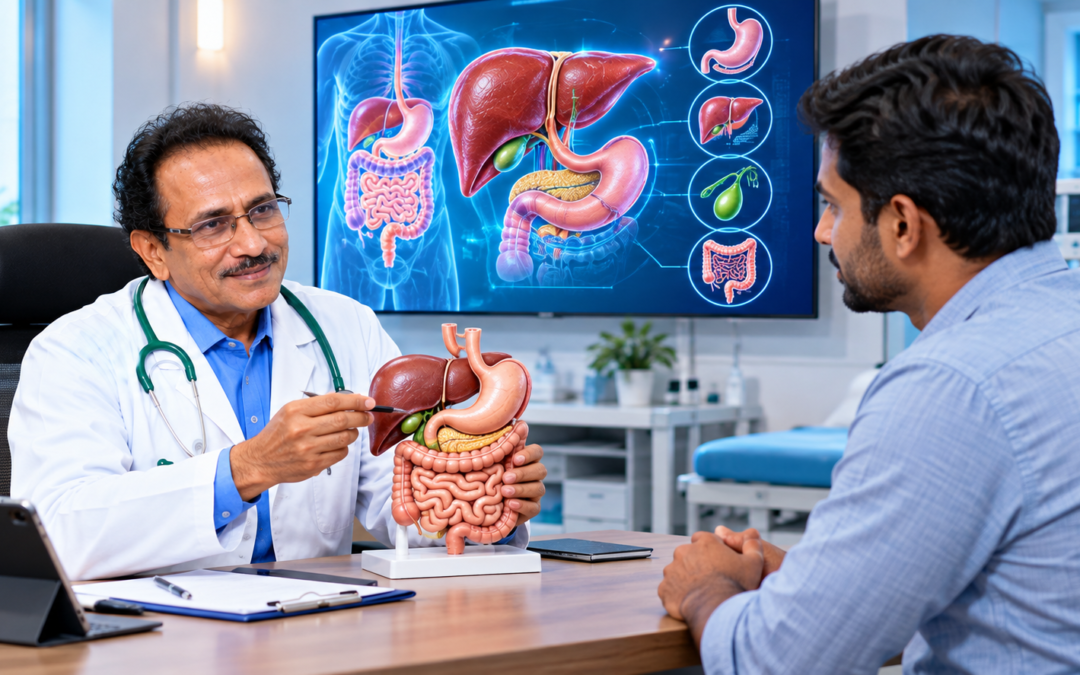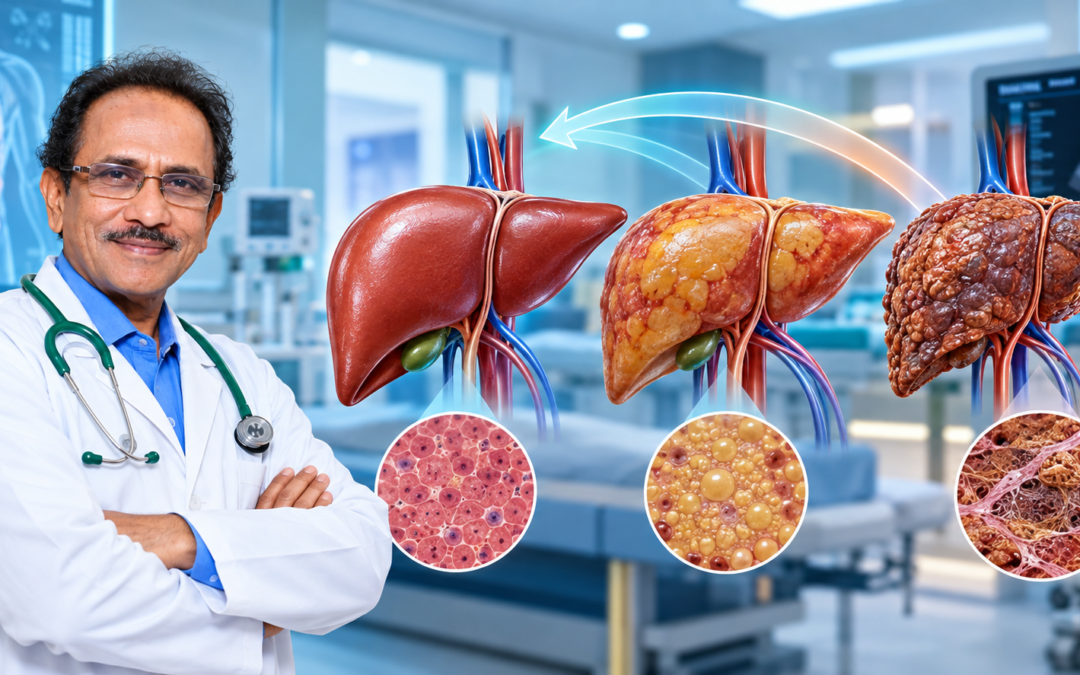

Gas, Bloating, and Stomach Discomfort After Meals: Causes, Prevention, and Gastric Problem Treatment in Guntur

Gas, Bloating, and Stomach Discomfort After Meals: Causes, Prevention, and Gastric Problem Treatment in Guntur

Gas, Bloating, and Stomach Discomfort After Meals: Causes, Prevention, and Gastric Problem Treatment in Guntur

Finishing a meal should not leave you feeling uncomfortably full, tight around the stomach, or troubled by frequent burping. Yet many people experience gas, bloating, and abdominal discomfort after eating. Sometimes the problem settles on its own. At other times, it returns after several meals and begins to interfere with everyday life.

These symptoms can develop for several reasons. Eating too quickly, swallowing excess air, constipation, certain food intolerances, and digestive conditions may contribute to discomfort after meals. The symptoms can feel similar even when their underlying causes are different.

Understanding when the discomfort occurs, which foods you have eaten, and whether other symptoms are present can help you recognise patterns. Persistent or worsening problems may require medical evaluation rather than repeated reliance on home remedies.

This guide explains common causes of stomach gas, practical ways to reduce bloating, possible diagnostic tests, and when to seek Gastric Problem Treatment in Guntur.

Quick answer: Gas and bloating after meals often result from swallowed air or intestinal bacteria breaking down carbohydrates that have not been fully digested. Large meals, fizzy drinks, constipation, food intolerances, and certain digestive disorders may also contribute. Eating slowly, identifying individual food triggers, and maintaining regular bowel habits may help. Persistent symptoms, unexplained weight loss, blood in the stool, or severe abdominal pain require medical assessment.

What Causes Gas and Bloating After Eating?

Gas is a normal part of digestion. Air enters the digestive tract when you swallow, while intestinal bacteria produce additional gas as they break down certain carbohydrates. The body usually releases gas through burping or passing wind.

Problems arise when gas builds up, moves through the digestive tract in a way that causes discomfort, or makes the abdomen feel unusually full. Some people also experience bloating even when the amount of gas present is not unusually high.

Common symptoms include:

  • A feeling of fullness or pressure in the abdomen.
  • Visible abdominal swelling or tightness.
  • Frequent burping after meals.
  • Passing gas more often than usual.
  • Mild abdominal cramps or discomfort.
  • A sense of fullness after eating a small amount of food.
  • Changes in bowel movements, including constipation or diarrhoea.

Occasional gas is normal. However, frequent discomfort that affects eating, sleep, or everyday activities deserves attention, particularly when other symptoms occur at the same time.

Seven Common Reasons Your Stomach Feels Bloated After Meals

1. Eating Too Quickly

Eating rapidly can cause you to swallow more air than usual. That air may contribute to burping, pressure, and a feeling of fullness. Talking continuously while eating, chewing gum, and drinking through a straw can also increase air swallowing in some people.

Try slowing down, chewing food thoroughly, and taking smaller bites. Eating at a relaxed pace can also make it easier to notice when you feel comfortably full.

2. Large or Heavy Meals

A large meal can leave the stomach feeling stretched and uncomfortable. Meals high in fat may also contribute to bloating for some people. The discomfort may become more noticeable when you lie down immediately after eating.

Consider moderate portions and avoid repeatedly eating beyond fullness. If large meals consistently cause discomfort, try adjusting portion sizes and observing whether your symptoms improve.

3. Foods That Produce More Gas

Some carbohydrates are not completely digested in the small intestine. When they reach the large intestine, bacteria break them down and produce gas.

Foods that may contribute to gas in some people include:

  • Beans, chickpeas, peas, and lentils.
  • Cabbage, cauliflower, broccoli, and similar vegetables.
  • Some fruits, including apples and pears.
  • Milk and other dairy products in people who have difficulty digesting lactose.
  • Some whole grains and high-fibre foods, especially when fibre intake increases suddenly.
  • Fizzy drinks and products containing certain sugar substitutes, such as sorbitol.

These foods are nutritious and do not need to be avoided by everyone. Your response depends on the type of food, quantity consumed, and your individual digestive health.

4. Constipation

When bowel movements become less frequent or stools are hard to pass, gas and abdominal pressure may become more noticeable. Constipation can also cause a sensation of incomplete bowel emptying.

Insufficient fluid intake, changes in routine, certain medicines, and inadequate dietary fibre may contribute. Increasing fibre gradually, staying physically active, and drinking appropriate amounts of fluid may help.

Persistent constipation or constipation accompanied by significant pain, vomiting, blood in the stool, or unexplained weight loss should be medically assessed.

5. Lactose Intolerance or Other Food Intolerances

Lactose intolerance occurs when the body has difficulty digesting lactose, a sugar found in milk and some dairy products. Symptoms may include bloating, gas, abdominal cramps, and diarrhoea after consuming lactose-containing foods.

Other dietary components may trigger symptoms in susceptible individuals. A doctor may recommend a structured dietary trial or suitable testing when a particular intolerance is suspected.

Avoid removing several major food groups without guidance. Unnecessary restrictions can make it harder to maintain a balanced diet.

6. Acid Reflux and Indigestion

Gas and bloating can occur alongside indigestion, which may cause upper abdominal discomfort, early fullness, nausea, or belching. Acid reflux is a separate condition in which stomach contents move backwards into the oesophagus and may cause heartburn or a sour taste.

If your symptoms mainly involve burning in the chest, repeated regurgitation, or discomfort in the upper abdomen after meals, note these details when seeking medical advice.

7. Underlying Digestive Conditions

Persistent bloating may sometimes be associated with irritable bowel syndrome (IBS), coeliac disease, certain infections, or other gastrointestinal conditions. Less commonly, symptoms may be linked to a problem affecting the stomach, pancreas, liver, or other abdominal organs.

Symptoms alone cannot establish which condition is responsible. A suitable assessment helps determine whether testing or specific treatment is needed.

Why Does Stomach Discomfort Sometimes Begin Immediately After Eating?

The timing of discomfort can offer useful clues, although it does not confirm a diagnosis. Symptoms that appear immediately after a meal may be related to meal size, swallowed air, stomach fullness, or indigestion.

Discomfort that develops later may be associated with digestion, the fermentation of certain carbohydrates in the intestine, constipation, or food intolerance. Some people experience symptoms after particular ingredients rather than after every meal.

Symptom Pattern What to Consider
Burping shortly after eating Eating quickly, swallowing air, or drinking fizzy beverages.
Fullness after large meals Meal size, high-fat foods, or indigestion.
Bloating after dairy products Possible lactose intolerance or another food-related trigger.
Bloating with infrequent stools Possible constipation or a change in bowel habits.
Repeated pain with diarrhoea Food intolerance, infection, IBS, or another intestinal condition.
Persistent or worsening abdominal swelling Requires medical assessment, especially with pain, vomiting, or unexplained weight loss.

Keeping a record of meal times, foods, discomfort, and bowel movements can help your healthcare professional understand the pattern more clearly.

Practical Ways to Prevent Gas and Bloating After Meals

Small adjustments to eating habits may help reduce symptoms when they are related to swallowed air, large meals, or particular food triggers. The most useful changes depend on your individual circumstances.

Everyday Habits to Try

  • Eat slowly: Chew thoroughly and avoid rushing through meals.
  • Choose comfortable portions: Avoid eating until your stomach feels overly full.
  • Limit fizzy drinks: Observe whether carbonated beverages worsen your symptoms.
  • Track food triggers: Record meals and symptoms instead of removing many foods at once.
  • Increase fibre gradually: Sudden changes in fibre intake can increase gas in some people.
  • Stay hydrated: Drink fluids appropriate for your health needs, particularly if constipation is a concern.
  • Remain physically active: Regular movement can support normal bowel function.
  • Review eating habits: Avoid repeatedly eating very large meals or lying down immediately after eating if this worsens your symptoms.
  • Review medications: Ask a healthcare professional whether any medicines could be contributing to symptoms.

If you have a diagnosed digestive condition, follow the dietary and treatment recommendations given for that condition. Special diets should be used when appropriate rather than as a general solution for every type of bloating.

Which Foods Should You Eat or Limit When You Have Gas?

There is no single diet that prevents gas in everyone. The aim is to find a balanced eating pattern that meets your nutritional needs without repeatedly triggering discomfort.

Foods You May Tolerate Well

Depending on your individual needs, you might find that moderate portions of rice, oats, suitable vegetables, eggs, and other protein sources are comfortable to eat. Some people prefer cooked vegetables to large servings of raw vegetables when bloating is troublesome.

If you suspect that dairy products cause symptoms, discuss appropriate alternatives or lactose-free options with a qualified healthcare professional or dietitian.

Foods and Drinks to Monitor

  • Fizzy drinks and carbonated beverages.
  • Beans, lentils, and certain other legumes.
  • Some cruciferous vegetables, such as cabbage and cauliflower.
  • Milk or ice cream if you have lactose intolerance.
  • Products containing sugar alcohols, including sorbitol and mannitol.
  • Very large or high-fat meals if they consistently worsen your discomfort.

Do not assume that all these foods are harmful. A food diary can help you identify meaningful patterns. Persistent symptoms may require investigation even if you have already made dietary changes.

When Should You Consult a Gastric Doctor in Guntur?

Occasional bloating after a heavy meal may settle without treatment. However, repeated symptoms should not be ignored if they are becoming more frequent, affecting your ability to eat comfortably, or interfering with daily activities.

Consider consulting a Gastric Doctor in Guntur if you experience recurring abdominal discomfort, frequent gas, ongoing bloating, or changes in your bowel habits that do not improve.

A consultation may also be helpful if:

  • You frequently feel full after eating only a small amount.
  • Gas and bloating occur with repeated diarrhoea or constipation.
  • You have persistent nausea, vomiting, or upper abdominal pain.
  • Your symptoms have changed suddenly or are becoming more severe.
  • You have difficulty identifying food triggers despite making dietary changes.
  • You have a known digestive condition and your symptoms are worsening.

A Gastric Problem Specialist in Guntur can help determine whether the symptoms are likely to be related to eating habits, constipation, food intolerance, or a condition that needs further investigation.

How Are Gas and Bloating Problems Diagnosed?

Diagnosis usually begins with a discussion of your symptoms and a physical examination. Your doctor may ask what you eat, how quickly symptoms develop after meals, whether you have changes in bowel habits, which medicines you take, and whether you have lost weight unintentionally.

In some cases, a medical history and examination are enough to guide initial management. Additional testing may be recommended if your symptoms persist, warning signs are present, or a specific condition is suspected.

Blood Tests

Blood tests may be used to investigate selected causes of digestive symptoms, such as anaemia or possible coeliac disease. Other tests may be considered according to the suspected condition.

Stool Tests

Stool tests may help investigate certain infections, inflammation, or bleeding when the symptom pattern indicates a need for them.

Tests for Food Intolerance

When lactose intolerance is suspected, a clinician may recommend a dietary trial or a hydrogen breath test. The appropriate approach depends on the symptoms and clinical assessment.

Ultrasound or Other Imaging

Imaging may be considered when abdominal pain, examination findings, or other symptoms suggest a problem involving an abdominal organ. Not everyone experiencing gas requires imaging.

Endoscopy or Other Specialist Tests

Upper gastrointestinal endoscopy or other specialised investigations may be appropriate in selected cases, such as persistent upper digestive symptoms, bleeding, or difficulty swallowing.

The choice of investigation should be based on your clinical needs. More tests are not automatically better; the goal is to identify the cause while avoiding unnecessary procedures.

What Treatment Is Available for Persistent Gas and Bloating?

Treatment depends on the underlying cause. There is no one medicine that treats every problem involving gas, bloating, or stomach discomfort after meals.

Lifestyle and Dietary Changes

If symptoms are linked to eating quickly, large meals, constipation, or specific food triggers, adjusting these habits may help. A dietitian may provide additional guidance if you need to modify your diet without missing important nutrients.

Medicines for Specific Symptoms

Certain medicines may help with particular problems, such as constipation or uncomfortable gas. The most suitable choice depends on the cause, your age, other health conditions, and medicines you already take. Ask a clinician or pharmacist before starting regular treatment.

Treatment for an Underlying Condition

If a digestive disorder or food intolerance is identified, treatment should address that condition. For instance, lactose intolerance may require an individualised approach to lactose intake, while other disorders may require different dietary measures, medicines, or specialist care.

If symptoms persist despite basic changes, discuss Gas and Bloating Treatment in Guntur with a qualified healthcare professional rather than repeatedly trying different remedies without knowing the cause.

People looking for Stomach Gas Problem Treatment should also understand that persistent bloating sometimes needs evaluation for constipation, food intolerance, or another digestive condition.

How to Choose a Gastroenterology Specialist in Andhra Pradesh

When digestive symptoms keep returning, choosing an appropriate healthcare professional can help you move from temporary relief towards a clearer understanding of the problem.

Consider Relevant Clinical Experience

Ask whether the clinician evaluates symptoms such as recurring bloating, abdominal discomfort, altered bowel movements, indigestion, and food intolerance.

Understand the Diagnostic Process

You should be able to discuss which tests may be useful, why a particular investigation is recommended, and whether it needs to be performed at the hospital or elsewhere.

Look for Clear Treatment Guidance

A good consultation should help you understand the suspected cause, possible treatment approaches, warning signs, and when follow-up is appropriate.

If you are searching for a Gastro Specialist in Andhra Pradesh, review the available information and confirm the professional’s qualifications, services, and appointment arrangements before making a decision.

For persistent or complicated symptoms, a Gastroenterologist for Stomach Problems in Guntur may be an appropriate option, depending on your individual symptoms and referral needs.

Warning Signs That Need Urgent Medical Attention

Gas and bloating are common, but some symptoms should not be attributed to ordinary indigestion without an assessment.

Seek urgent medical care if you experience: sudden or severe abdominal pain, vomiting blood, black tarry stools, repeated vomiting with inability to keep fluids down, marked abdominal swelling with an inability to pass stool or gas, or signs of severe dehydration.

Arrange prompt medical evaluation for persistent bloating, unexplained weight loss, blood in the stool, worsening heartburn, difficulty swallowing, or a change in bowel habits that does not settle.

Chest pain accompanied by breathlessness, sweating, faintness, or pain spreading to the arm or jaw requires emergency assessment. Do not assume that such symptoms are caused by gas.

Digestive Health Information from National Liver and Gastro Hospital

Gas, bloating, and stomach discomfort after meals can have several explanations. Identifying the symptom pattern and considering relevant medical history are important steps towards choosing the right approach.

National Liver and Gastro Hospital is the hospital featured in this article. People seeking information about digestive health and consultation arrangements can visit its website or use the Google Maps listing to view its location.

Visit National Liver and Gastro Hospital online for available hospital information. Contact the hospital directly to confirm current services, specialist availability, and appointment arrangements.

Are Gas and Bloating Affecting Your Daily Life?

If stomach discomfort keeps returning after meals, seek professional advice to understand possible causes and appropriate next steps.

Call +91 94402 14706 WhatsApp Us View Google Maps Location

Frequently Asked Questions About Gas, Bloating, and Stomach Discomfort

1. Why do I get gas and bloating after eating?

Gas and bloating after meals may result from swallowing air, consuming certain carbohydrates, eating large portions, or constipation. Food intolerance and digestive disorders can also contribute. If symptoms occur frequently or affect daily activities, consult a healthcare professional.

2. Which foods commonly cause stomach gas?

Beans, lentils, cabbage, cauliflower, some fruits, dairy products in people with lactose intolerance, fizzy drinks, and products containing certain sugar substitutes may increase gas in some individuals. Responses vary, so monitor your personal triggers rather than avoiding all these foods automatically.

3. How can I reduce bloating after meals naturally?

Eating slowly, choosing moderate portions, limiting fizzy drinks, staying physically active, and identifying foods that repeatedly trigger symptoms may help. If constipation is involved, gradual fibre changes and adequate fluid intake may be useful when appropriate for your health.

4. Can gas and bloating be symptoms of a digestive disorder?

Yes. Persistent gas and bloating may be associated with constipation, lactose intolerance, irritable bowel syndrome, coeliac disease, or other digestive conditions. Symptoms alone cannot confirm the cause, so persistent or worsening discomfort may require medical evaluation.

5. Is it normal to pass gas every day?

Yes. Gas is a normal part of digestion, and people commonly burp or pass wind every day. The concern is more about symptoms that are unusually troublesome, change suddenly, affect daily activities, or occur alongside abdominal pain, altered bowel habits, or weight loss.

6. Can constipation cause bloating and stomach discomfort?

Yes. Constipation can cause abdominal fullness, pressure, gas-related discomfort, and difficulty passing stools. Persistent constipation or symptoms accompanied by severe pain, vomiting, bleeding, or unexplained weight loss require medical assessment.

7. How do I know if milk is causing my gas problems?

Bloating, gas, cramps, or diarrhoea after consuming dairy products may suggest lactose intolerance, although other causes are possible. A healthcare professional may recommend a structured dietary trial or a hydrogen breath test when appropriate.

8. Can stress make digestive symptoms worse?

Stress may affect how the digestive system functions and how strongly some people experience bloating or abdominal discomfort. However, persistent symptoms should not automatically be blamed on stress, particularly when other warning signs are present.

9. Which tests may be needed for persistent gas and bloating?

A doctor may begin with a medical history and physical examination. Depending on the suspected cause, selected patients may need blood tests, stool tests, testing for food intolerance, imaging, or an endoscopic procedure. Not everyone needs every investigation.

10. When should I consult a gastric doctor in Guntur?

Consider medical advice when gas and bloating are persistent, frequently return, interfere with eating, or occur with repeated abdominal pain, constipation, diarrhoea, or other concerning symptoms. Sudden severe pain, vomiting blood, or black stools require urgent assessment.

11. What is the treatment for persistent stomach gas problems?

Treatment depends on the underlying cause. It may involve dietary adjustments, changes to eating habits, management of constipation, or treatment of an identified digestive condition. A healthcare professional can help determine which approach is appropriate for your symptoms.

12. When does bloating become a medical emergency?

Sudden severe abdominal pain, vomiting blood, black tarry stools, severe abdominal swelling with an inability to pass stool or gas, or repeated vomiting with inability to keep fluids down can indicate a serious problem. Seek urgent medical care rather than relying on home remedies.

Take the Right Steps Towards Better Digestive Comfort

Gas, bloating, and stomach discomfort after meals can result from ordinary digestive processes, eating habits, constipation, food intolerance, or an underlying medical condition. Paying attention to when symptoms occur and which foods appear to trigger them can help you identify useful patterns.

Try sensible changes such as eating slowly, choosing comfortable portions, staying active, and tracking recurring symptoms. Avoid unnecessary dietary restrictions or regular use of medicines without appropriate advice.

If discomfort keeps returning, becomes more severe, or occurs with changes in bowel habits or unexplained weight loss, arrange a medical assessment. Severe pain, bleeding, or other emergency warning signs should never be dismissed as simple gas.

For further information, visit National Liver and Gastro Hospital or use the Google Maps listing to view its location.

Medical Information Sources

Medical disclaimer: This article is for general educational purposes only and does not replace a medical consultation, diagnosis, or individual treatment plan. The appropriate evaluation and treatment depend on symptoms and clinical findings. Severe abdominal pain, vomiting blood, black stools, substantial abdominal swelling, or inability to pass stool or gas may require urgent medical assessment.


Persistent Digestive Problems: Common Causes, Diagnostic Tests, and Digestive Disease Treatment in Guntur

Persistent Digestive Problems: Common Causes, Diagnostic Tests, and Digestive Disease Treatment in Guntur

Persistent Digestive Problems: Common Causes, Diagnostic Tests, and Digestive Disease Treatment in Guntur

Digestive discomfort can affect much more than your stomach. Frequent bloating, abdominal pain, constipation, diarrhoea, nausea, or difficulty digesting certain foods can interrupt everyday activities and make meals stressful. When these symptoms keep returning, it can be difficult to know whether they are linked to everyday habits or an underlying medical condition.

Occasional digestive problems are common, but symptoms that persist, worsen, or repeatedly return deserve attention. Conditions such as acid reflux, indigestion, food intolerances, irritable bowel syndrome, infections, and diseases affecting the liver or gallbladder can produce different digestive complaints.

Recognising the pattern of your symptoms is an important first step. This guide explains common causes of persistent digestive problems, the tests a doctor may recommend, practical habits that support digestive health, and when specialist medical care may be needed.

If you are researching Digestive Disease Treatment in Andhra Pradesh, understanding these issues can help you prepare for a more informed conversation with a healthcare professional.

Quick answer: Persistent digestive problems can arise from several causes, including acid reflux, indigestion, constipation, food intolerance, gastrointestinal infections, inflammatory conditions, and disorders affecting the liver, gallbladder, or pancreas. The appropriate treatment depends on the symptoms, medical history, examination, and any investigations required. Repeated symptoms, unexplained weight loss, blood in the stool, difficulty swallowing, or severe abdominal pain should not be ignored.

What Are Persistent Digestive Problems?

Persistent digestive problems are symptoms involving the digestive system that continue over time, occur frequently, or return after temporary improvement. They may affect the upper digestive tract, including the oesophagus and stomach, or the lower digestive tract, including the small and large intestines.

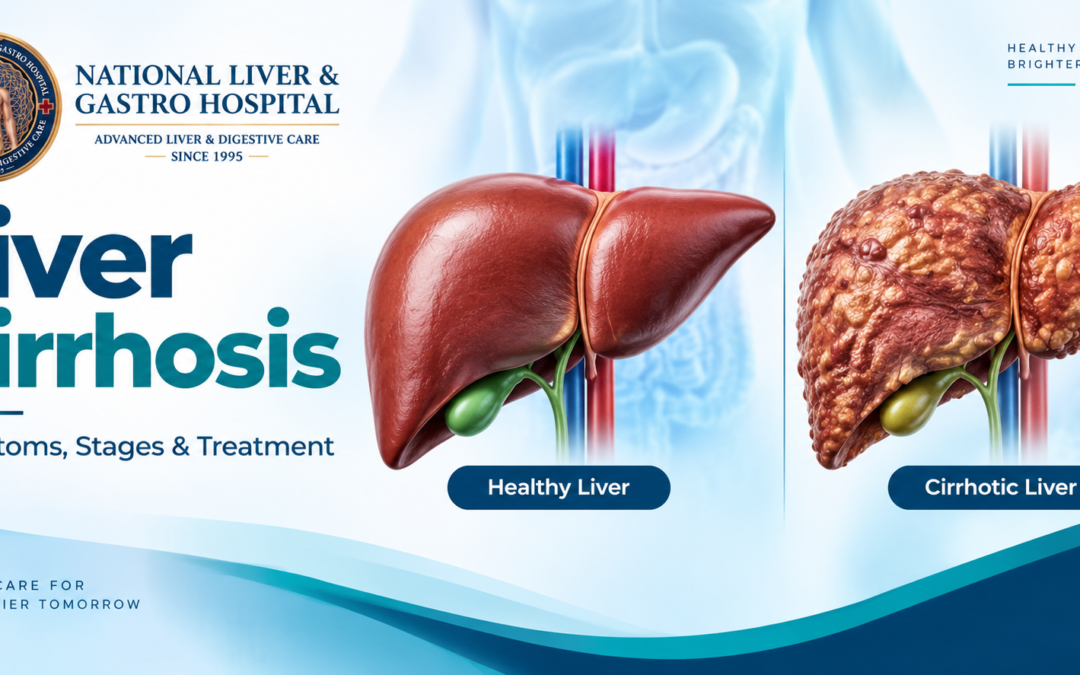
The liver, gallbladder, and pancreas also play important roles in digestion. Problems involving these organs can sometimes cause abdominal discomfort, changes in bowel movements, nausea, or other symptoms.

The term digestive problem is broad and does not identify a specific disease. For example, bloating may occur after eating certain foods, while recurring abdominal pain with altered bowel habits may have a different explanation.

This is why treatment should begin with understanding the symptoms rather than assuming that every complaint is caused by acidity or gas.

What Are the Common Symptoms of Digestive Disorders?

Digestive disorders can produce different symptoms depending on the organ involved and the underlying condition. Some people experience one main complaint, while others notice several symptoms together.

Symptom Possible Explanation
Abdominal pain May be associated with indigestion, constipation, infection, inflammation, or other abdominal conditions.
Bloating and gas Can occur after certain foods, with constipation, or in some digestive disorders.
Heartburn May indicate acid reflux or gastroesophageal reflux disease.
Constipation May be related to dietary patterns, medicines, dehydration, or bowel-function problems.
Diarrhoea May occur with infections, food intolerance, medication effects, or intestinal conditions.
Nausea or vomiting Can accompany infections, medication effects, indigestion, or other medical conditions.
Changes in appetite or weight May have several causes and require assessment when persistent or unexplained.

These symptoms are not specific to one disease. Their duration, severity, frequency, and relationship to meals or bowel movements can help a healthcare professional determine which causes need to be investigated.

Why Do Digestive Problems Keep Returning?

Repeated digestive discomfort can have several explanations. Some are related to daily habits, while others require diagnosis and treatment.

1. Eating Habits and Food Intolerance

Large meals, eating quickly, irregular meal patterns, and certain trigger foods can contribute to digestive discomfort in some people. Food intolerances may also cause symptoms after eating specific ingredients.

For example, people with lactose intolerance may experience gas, bloating, diarrhoea, or abdominal pain after consuming products containing lactose. Other people may notice symptoms after particular foods for different reasons.

Keeping a food and symptom diary may help identify patterns. However, avoid eliminating entire food groups without a clear reason or professional guidance, especially if doing so could reduce your nutritional intake.

2. Acid Reflux and Indigestion

Acid reflux occurs when stomach contents move backwards into the oesophagus. It may produce heartburn, a sour taste, or regurgitation. Indigestion can cause upper abdominal discomfort, early fullness, bloating, nausea, or belching.

Repeated symptoms may require medical evaluation, particularly when lifestyle measures do not help or non-prescription medicines provide only temporary relief.

3. Constipation and Changes in Bowel Habits

Constipation can cause hard stools, straining, infrequent bowel movements, and abdominal discomfort. Common contributing factors include inadequate fibre intake, insufficient fluid intake, reduced physical activity, and certain medicines.

Persistent constipation, particularly when it begins suddenly or occurs with bleeding, severe pain, or unexplained weight loss, should be assessed rather than managed indefinitely with home remedies.

4. Gastrointestinal Infections

Infections affecting the digestive tract may cause diarrhoea, vomiting, abdominal cramps, and fever. The symptoms and appropriate treatment depend on the cause.

Maintaining hydration is important during episodes of diarrhoea or vomiting. Seek medical advice when symptoms are severe, prolonged, or accompanied by signs of dehydration or blood in the stool.

5. Irritable Bowel Syndrome and Other Intestinal Conditions

Irritable bowel syndrome (IBS) is associated with abdominal pain and changes in bowel habits. Symptoms may include diarrhoea, constipation, or alternating patterns. Other intestinal conditions can produce overlapping symptoms.

IBS cannot be diagnosed reliably from one symptom alone. A doctor will consider the pattern of symptoms and whether investigations are needed to check for other conditions.

6. Conditions Affecting the Liver, Gallbladder, or Pancreas

Not all digestive complaints originate in the stomach or intestines. Gallstones, liver disorders, and pancreatic conditions can also cause abdominal pain, nausea, appetite changes, or other symptoms.

Persistent pain in the upper abdomen, yellowing of the skin or eyes, or significant symptoms after meals may need prompt medical assessment. The location of the discomfort alone cannot establish the diagnosis.

When Should Persistent Digestive Symptoms Be Taken Seriously?

Some digestive symptoms are mild and temporary. Others may indicate a condition that needs prompt medical attention. Do not rely only on the intensity of discomfort to decide whether an assessment is necessary.

Warning Signs You Should Not Ignore

  • Severe, sudden, or worsening abdominal pain.
  • Blood in the stool or black, tarry stools.
  • Vomiting blood or vomit that resembles coffee grounds.
  • Persistent vomiting or difficulty keeping fluids down.
  • Unexplained or significant weight loss.
  • Difficulty or pain when swallowing.
  • Yellowing of the skin or whites of the eyes.
  • Persistent changes in bowel habits.
  • Signs of dehydration, such as very little urine, marked dizziness, or unusual weakness.
  • Digestive symptoms accompanied by fever and significant abdominal pain.

Important: Severe abdominal pain, vomiting blood, black tarry stools, or substantial bleeding require urgent medical assessment. If symptoms are severe or rapidly worsening, seek emergency care rather than waiting for a routine appointment.
How Are Persistent Digestive Problems Diagnosed?

A proper diagnosis begins with understanding what you are experiencing. The doctor may ask when the symptoms started, how often they occur, where the pain is located, whether meals affect the symptoms, and whether your bowel habits have changed.

You may also be asked about previous illnesses, family medical history, travel, food habits, current medicines, supplements, and earlier test reports.

Based on these details and a physical examination, the healthcare professional may recommend selected investigations. Not everyone needs every test.

Blood Tests

Blood tests may help identify anaemia, signs of inflammation, or abnormalities affecting the liver and other organs. The exact tests depend on the symptoms and suspected condition.

Stool Tests

Stool testing may be appropriate when an infection, intestinal inflammation, bleeding, or another bowel condition is suspected. Different tests look for different findings, so the choice depends on the clinical situation.

Ultrasound and Other Imaging

An abdominal ultrasound may help examine organs such as the liver and gallbladder. Other imaging studies, including CT or MRI, may be considered when more detailed information is needed.

Upper Gastrointestinal Endoscopy

Upper gastrointestinal endoscopy uses a flexible camera to examine the oesophagus, stomach, and beginning of the small intestine. It may be recommended for selected patients with persistent upper digestive symptoms or warning signs.

Colonoscopy

Colonoscopy allows a doctor to examine the lining of the large intestine. Depending on the situation, it may be recommended for persistent bowel symptoms, unexplained bleeding, or other specific clinical indications.

Tests for Specific Conditions

Depending on the symptoms, testing may also include evaluation for Helicobacter pylori infection, coeliac disease, lactose intolerance, or other digestive conditions.

The goal of testing is not simply to order as many investigations as possible. It is to select the tests most likely to help explain your symptoms and guide appropriate treatment.

How Are Persistent Digestive Problems Treated?

Treatment depends on the underlying cause. A person with occasional constipation may need a different approach from someone experiencing persistent reflux, inflammatory bowel disease, or a liver-related condition.

Dietary and Lifestyle Changes

Depending on the problem, a healthcare professional may suggest adjustments to meal size, fibre intake, fluid intake, physical activity, or food choices. For symptoms associated with particular foods, identifying individual triggers may be useful.

Medicines

Medicines may be recommended to manage acid reflux, treat an infection, relieve constipation, or address another diagnosed condition. The type of medicine, dose, and duration depend on the individual situation.

Antibiotics are appropriate for certain bacterial infections but are not a general treatment for all digestive problems. Avoid taking leftover antibiotics or starting long-term medication without medical advice.

Specialist Procedures or Further Treatment

Some conditions require endoscopic procedures, additional monitoring, or treatment beyond medicines and dietary changes. The care plan depends on the diagnosis, symptom severity, and whether complications are present.

Patients considering Digestive Disorder Treatment in Guntur should discuss the likely cause of their symptoms, the purpose of any recommended test, expected treatment duration, and when follow-up is needed.

Daily Habits That May Support Digestive Health

Healthy routines may improve digestive comfort and support overall wellbeing. They do not replace diagnosis or treatment when a medical condition is present, but they can be a useful part of a broader care plan.

Practical Steps to Consider

  • Eat a balanced diet: Include a variety of foods that suit your tolerance and nutritional needs.
  • Increase fibre gradually: Fibre may help with constipation, but increase intake according to tolerance and medical advice.
  • Drink enough fluids: Fluid needs vary according to activity, climate, and medical conditions.
  • Stay physically active: Regular movement may support bowel function and general health.
  • Eat at a comfortable pace: Notice portion sizes and whether particular meals consistently cause discomfort.
  • Track recurring symptoms: Record when symptoms occur, what you ate, and any changes in bowel habits.
  • Review your medicines: Discuss possible digestive side effects with your doctor or pharmacist.
  • Avoid unnecessary restrictions: Do not eliminate multiple food groups without a clear reason or professional guidance.

If you have ongoing diarrhoea, unexplained weight changes, repeated abdominal pain, or other persistent symptoms, do not assume that lifestyle changes alone will resolve the problem.

When Should You Consult a Digestive Disease Specialist in Guntur?

A healthcare professional should evaluate digestive complaints when they persist, recur frequently, interfere with daily activities, or do not improve with appropriate initial measures.

A Digestive Disease Specialist in Guntur can help assess the reported symptoms, review relevant medical history, and determine whether investigations or specialist treatment are appropriate.

Consider arranging an assessment when you experience:

  • Recurring abdominal pain or bloating.
  • Heartburn or indigestion that keeps returning.
  • Ongoing constipation or diarrhoea.
  • Persistent nausea, vomiting, or difficulty eating normally.
  • Known digestive disease requiring follow-up.
  • Abnormal digestive health test results.
  • Unexplained changes in weight, appetite, or bowel habits.

Depending on your symptoms, a Gastroenterologist in Guntur may help investigate conditions involving the stomach, oesophagus, intestines, liver, gallbladder, and pancreas.

A consultation is also an opportunity to discuss whether you need tests, whether existing medicines should be reviewed, and how treatment progress will be assessed.

What Should You Look for in a Gastro Hospital?

Choosing a hospital for digestive concerns involves more than finding a nearby address. It is useful to understand how your symptoms will be evaluated and which diagnostic or treatment options can be arranged if needed.

Relevant Medical Expertise

Look for qualified healthcare professionals whose clinical experience is relevant to your symptoms. Ask whether the hospital can guide you towards the appropriate specialist if the problem requires a different area of expertise.

Appropriate Diagnostic Support

Depending on your condition, assessment may require laboratory testing, imaging, endoscopy, or other investigations. Ask which services are available and whether referrals are needed for particular procedures.

Clear Treatment Explanations

A useful care plan should explain the suspected diagnosis, the reason for each recommended test, available treatment options, and the warning signs that require further attention.

Follow-Up and Continuity of Care

Some digestive conditions need monitoring over time. Understanding when to return, which symptoms to track, and how to review test results can make continued care more manageable.

When evaluating a Gastro Hospital in Andhra Pradesh, consider these practical factors alongside the location, accessibility, and consultation arrangements.

Digestive Health Information from National Liver and Gastro Hospital

Persistent digestive discomfort can have several causes, and the right next step depends on the symptoms and the findings from an appropriate medical assessment.

National Liver and Gastro Hospital is the hospital named for this article. People seeking information about digestive health and consultation arrangements can visit its website or use the Google Maps listing to view its location.

Visit National Liver and Gastro Hospital online for the hospital’s available information. Contact the hospital directly to confirm current services and appointment availability.

Seeking information about Digestive Problems Treatment is a useful starting point, but persistent symptoms should be assessed individually rather than treated with the same medicine or home remedy in every case.

Experiencing Persistent Digestive Problems?

Repeated bloating, abdominal pain, bowel changes, or indigestion may need a closer look. Discuss persistent or worsening symptoms with a qualified healthcare professional.

Call +91 94402 14706 WhatsApp Us View Google Maps Location

Frequently Asked Questions About Persistent Digestive Problems

1. What are the most common causes of persistent digestive problems?

Common causes include acid reflux, indigestion, constipation, food intolerance, gastrointestinal infections, and disorders such as irritable bowel syndrome. Conditions involving the liver, gallbladder, pancreas, or intestines can also cause symptoms. The cause depends on the individual symptom pattern and medical findings.

2. When should I see a doctor for digestive problems?

Arrange a medical consultation if digestive symptoms persist, repeatedly return, interfere with daily activities, or do not improve with appropriate measures. Severe abdominal pain, blood in the stool, vomiting blood, persistent vomiting, unexplained weight loss, or difficulty swallowing requires prompt medical assessment.

3. Which doctor treats digestive disorders?

A primary care doctor can assess many initial digestive complaints. A gastroenterologist is a specialist in digestive system disorders and may be appropriate when symptoms persist, a more complex condition is suspected, or specialist investigations are needed.

4. What tests are used to diagnose digestive diseases?

Depending on symptoms, investigations may include blood tests, stool tests, abdominal ultrasound, CT or MRI scans, upper gastrointestinal endoscopy, or colonoscopy. Testing for specific conditions may also be recommended. Not every patient requires every test.

5. Can poor eating habits cause recurring stomach problems?

Large meals, certain trigger foods, irregular eating patterns, and inadequate fibre intake may contribute to some digestive symptoms. However, recurring symptoms can also result from medical conditions, food intolerance, or medicines, so the cause should not automatically be attributed to diet.

6. What foods should I avoid when I have digestive problems?

The foods that trigger symptoms vary. Some people notice problems with particular dairy products, high-fat meals, spicy foods, or certain high-fibre foods. Keeping a symptom diary can help identify patterns. Avoid major dietary restrictions without a clear reason or professional guidance.

7. Can stress affect digestive health?

Stress can influence digestive symptoms and may worsen discomfort in some people, particularly those with disorders of gut-brain interaction. However, persistent symptoms should not automatically be blamed on stress. Medical assessment may be needed to consider other causes.

8. What is the difference between indigestion and a digestive disease?

Indigestion describes symptoms such as upper abdominal discomfort, early fullness, bloating, or nausea. It is not a diagnosis of one specific disease. Digestive diseases include a range of conditions that may cause these and other symptoms, so additional assessment may be needed when problems persist.

9. Can persistent bloating indicate a serious problem?

Bloating is common and can be related to gas, constipation, food intolerance, or other digestive conditions. Persistent or worsening bloating, particularly with severe pain, vomiting, unexplained weight loss, or changes in bowel habits, should be medically evaluated.

10. When is an endoscopy recommended for digestive problems?

Upper gastrointestinal endoscopy may be recommended for persistent upper digestive symptoms, difficulty swallowing, bleeding, or other clinical concerns. The decision depends on the patient’s symptoms, medical history, examination, and the doctor’s assessment.

11. How can I find digestive disease treatment in Andhra Pradesh?

Start by looking for a qualified healthcare professional or hospital that can evaluate your symptoms and arrange appropriate investigations or referrals. Review relevant clinical expertise, available services, accessibility, and follow-up arrangements. Confirm current consultation details directly with the healthcare provider.

12. What symptoms require emergency medical attention?

Severe or sudden abdominal pain, vomiting blood, black tarry stools, substantial bleeding, or signs of severe dehydration may require emergency care. Difficulty swallowing, persistent vomiting, and unexplained weight loss also need prompt medical evaluation.

Do Not Ignore Digestive Problems That Keep Returning

Persistent digestive symptoms can affect eating habits, sleep, work, and overall quality of life. Although some problems are linked to everyday habits, recurring discomfort may also be associated with food intolerance, acid reflux, intestinal conditions, infection, or diseases affecting other digestive organs.

Pay attention to the type and duration of your symptoms, note any changes in eating or bowel habits, and keep a record of medicines you take. These details can help a healthcare professional decide which investigations and treatment options may be appropriate.

If digestive discomfort keeps returning, do not depend indefinitely on home remedies or self-medication. Arrange an assessment to understand the potential cause and the next steps.

For further information, visit National Liver and Gastro Hospital or use its Google Maps listing to view its location.

Medical Information Sources

Medical disclaimer: This article is intended for general educational purposes only. It does not replace medical advice, examination, diagnosis, or an individual treatment plan. Testing and treatment should be selected by a qualified healthcare professional. Severe abdominal pain, vomiting blood, black tarry stools, substantial bleeding, or signs of severe dehydration require urgent medical assessment.

Why Does Acidity Keep Coming Back? Causes, Common Triggers, and Acidity Treatment in Guntur

Why Does Acidity Keep Coming Back? Causes, Common Triggers, and Acidity Treatment in Guntur

Why Does Acidity Keep Coming Back? Causes, Common Triggers, and Acidity Treatment in Guntur

That burning feeling in your chest after a meal can be uncomfortable enough to spoil your day. You might take a medicine, feel better for a while, and then notice the same problem returning a few days later. For many people, recurring acidity becomes a frustrating part of their daily routine.

However, acidity that keeps returning should not always be treated as an ordinary stomach problem. Frequent heartburn, a sour taste in the mouth, upper abdominal discomfort, or food coming back into the throat may be associated with acid reflux or gastroesophageal reflux disease (GERD). Other digestive conditions can sometimes cause similar symptoms.

Understanding what triggers your symptoms is an important first step towards managing them. This guide explains common reasons acidity returns, the habits that may make it worse, dietary changes worth considering, and when to seek professional advice.

Quick answer: Acidity can keep coming back when stomach contents repeatedly move into the food pipe, often because the muscle that normally helps prevent reflux does not work as it should. Large meals, eating close to bedtime, individual food triggers, smoking, excess body weight, certain medicines, and underlying digestive conditions may contribute. Persistent symptoms deserve medical assessment rather than repeated self-medication.

What Does Recurring Acidity Actually Mean?

People commonly use the term acidity to describe a burning sensation in the chest or upper abdomen, sour burps, or discomfort after eating. One common explanation is acid reflux, which occurs when stomach contents flow back into the oesophagus, the tube connecting the mouth to the stomach.

The lower oesophageal sphincter is a ring of muscle that helps keep stomach contents from moving backwards. If this muscle relaxes at the wrong time or does not close properly, reflux can occur.

Occasional reflux can happen to anyone. When it becomes frequent, persistent, or troublesome, it may indicate GERD. Some symptoms described as acidity may also have other causes, so the pattern of symptoms matters.

A person experiencing repeated symptoms should consider appropriate Acidity Treatment in Guntur rather than assuming that every episode has the same cause.

Why Does Acidity Keep Coming Back?

Recurring acidity usually has more than one possible explanation. Identifying the factors that apply to you can help a doctor recommend a suitable management plan.

1. Eating Large Meals

A large meal can leave the stomach feeling uncomfortably full and may make reflux more likely in susceptible people. Eating quickly or continuing to eat well beyond fullness can also contribute to digestive discomfort.

Try eating at a comfortable pace and choosing moderate portions. Smaller meals may be helpful if you regularly notice burning or regurgitation after eating.

2. Eating Shortly Before Bedtime

Lying down soon after eating can make reflux symptoms worse for some people. When you lie flat, gravity no longer helps keep stomach contents down in the same way it does while you are upright.

If acidity often wakes you at night, consider finishing meals at least three hours before going to bed. Raising the head of your bed may also help with nighttime reflux. Extra pillows alone may not provide the same effect.

3. Foods and Drinks That Trigger Your Symptoms

Particular foods do not affect everyone in the same way. Some people notice symptoms after eating very fatty meals, fried snacks, spicy dishes, chocolate, citrus fruits, tomato-based foods, or mint. Coffee, other caffeinated drinks, and alcohol can also be triggers for some individuals.

This does not mean you must remove every item from your diet. Pay attention to your own symptoms and identify the foods or drinks that repeatedly seem to make them worse.

4. Smoking and Excess Body Weight

Smoking and excess body weight can increase the likelihood of reflux symptoms. Excess abdominal pressure may encourage stomach contents to move upwards, while smoking can affect the mechanisms that normally help prevent reflux.

If relevant to your health, gradual weight management and stopping smoking may form part of a broader plan for controlling recurring acidity.

5. Certain Medicines

Some prescription and non-prescription medicines can contribute to reflux or produce stomach-related symptoms. Depending on the medicine, this may include certain blood pressure drugs, anti-inflammatory pain medicines, and some medicines used for other long-term conditions.

Do not stop a prescribed medicine on your own. Tell your healthcare professional which medicines and supplements you use so they can check whether any changes are appropriate.

6. An Underlying Digestive Condition

Repeated acidity may be associated with GERD, a hiatal hernia, or another digestive problem. In some cases, symptoms that appear to be acidity may have a different explanation entirely.

When symptoms keep returning despite sensible lifestyle changes, professional evaluation can help determine whether further investigation or a different treatment approach is needed.

Common Symptoms You Should Pay Attention To

Acidity and acid reflux can affect people differently. Common symptoms include:

  • A burning feeling behind the breastbone, commonly called heartburn.
  • A sour or bitter taste in the mouth.
  • Food or liquid coming back into the throat or mouth.
  • Discomfort after meals or while lying down.
  • Frequent burping or a sensation of upper abdominal discomfort.
  • A persistent cough, throat irritation, or hoarseness in some people with reflux.
  • Difficulty or pain when swallowing, which requires medical assessment.

These symptoms are not enough to confirm a diagnosis on their own. For example, chest discomfort can have causes unrelated to the digestive system.

Important warning: Seek emergency medical help for chest pain that is new, severe, or unexplained, particularly when it occurs with shortness of breath, sweating, dizziness, or pain spreading to the arm, jaw, or back. Do not assume that chest pain is acidity.

Practical Ways to Reduce Recurring Acidity

Simple routine changes may reduce symptoms for some people. Their effectiveness depends on the cause of the problem, so use them as part of a sensible plan rather than as a guaranteed cure.

Daily Habits Worth Trying

  • Eat moderate portions: Avoid repeatedly eating until you feel uncomfortably full.
  • Slow down at mealtimes: Take time to chew and notice when you feel satisfied.
  • Leave time before sleeping: Aim to finish meals at least three hours before lying down if nighttime reflux is a problem.
  • Track food triggers: Keep a short diary of meals, drinks, symptom timing, and possible triggers.
  • Stay upright after meals: Avoid lying flat immediately after eating.
  • Consider your sleeping position: Elevating the head of the bed may help people who experience nighttime reflux.
  • Maintain a healthy weight: If excess weight contributes to your symptoms, sustainable changes may help.
  • Avoid smoking: Seek support if you need help quitting.

These steps can support symptom management, but persistent reflux may still require medication or further assessment. A doctor can help you decide which changes are most relevant to your situation.

Which Diet Is Helpful for Acidity Problems?

There is no single diet that works for everyone with acidity. The most useful starting point is usually a balanced eating pattern combined with an understanding of your personal food triggers.

Depending on your tolerance, meals might include oats, rice, whole grains, vegetables, suitable fruits, pulses, and lean protein sources. Choose preparation methods and portion sizes that suit your digestion.

Foods and Drinks to Review

  • Deep-fried snacks and very high-fat meals.
  • Very spicy dishes if they consistently trigger burning.
  • Coffee, strong tea, or other caffeinated drinks if symptoms follow them.
  • Chocolate, mint, citrus fruits, or tomato-based foods if you notice a clear connection.
  • Alcohol, particularly when it seems to aggravate symptoms.
  • Large meals eaten late in the evening.

Avoiding every food on this list is not necessary for everyone. Restrictive diets can make everyday eating difficult and may reduce dietary variety without improving symptoms. Make changes based on your own experience and professional advice.

For tailored advice about Diet for Acidity Problems, discuss your usual meals, symptoms, nutritional needs, and any existing medical conditions with a qualified healthcare professional.

Why Do Acidity Medicines Help Temporarily?

Acidity medicines work in different ways. Antacids neutralise stomach acid and may provide short-term relief. Other medicines, including H2 blockers and proton pump inhibitors (PPIs), reduce acid production.

Relief after taking a medicine does not necessarily mean the underlying cause has disappeared. Symptoms may return when treatment ends if reflux triggers remain or the condition requires a different management plan.

The correct medicine, timing, and treatment duration depend on your symptoms, medical history, and other medicines you take. Do not repeatedly increase doses or use acidity medicines over long periods without appropriate advice.

If over-the-counter treatment is not helping, or you find yourself relying on it frequently, arrange a medical review. A clinician may recommend a treatment adjustment or investigate other possible causes.

When Should You Consult a Gastroenterologist?

Occasional heartburn may improve with appropriate lifestyle changes. However, recurring symptoms deserve closer attention when they interfere with eating, sleeping, or daily activities.

Consider consulting a Gastroenterologist in Guntur if you experience any of the following:

  • Heartburn or acid reflux that occurs frequently.
  • Symptoms that continue despite lifestyle changes and appropriate treatment.
  • Repeated need for non-prescription acidity medicines.
  • Persistent nausea, vomiting, or upper abdominal discomfort.
  • Difficulty swallowing or pain when swallowing.
  • Unexplained loss of weight or appetite.
  • Symptoms that regularly disturb your sleep.

Seek urgent medical attention for vomiting blood, vomit that resembles coffee grounds, black tarry stools, persistent vomiting, or severe or worsening pain. New chest pain may also require emergency evaluation.

Early assessment can help distinguish reflux from other digestive conditions and identify a suitable next step.

How Is Recurring Acidity Diagnosed?

A doctor will generally begin by asking about your symptoms, their frequency, their relationship to meals, and any medicines you use. Your medical history and a physical examination may help determine whether further testing is needed.

Many people with typical reflux symptoms do not need immediate testing. However, investigations may be recommended when symptoms persist, treatment is unsuccessful, warning signs are present, or another condition needs to be ruled out.

Possible Diagnostic Tests

  • Upper gastrointestinal endoscopy: A flexible camera allows the doctor to examine the oesophagus, stomach, and the beginning of the small intestine.
  • Oesophageal pH monitoring: Measures acid exposure in the oesophagus and may help establish whether reflux is responsible for symptoms.
  • Oesophageal impedance monitoring: Can help assess movement of refluxed material, including non-acidic reflux, in selected patients.
  • Oesophageal manometry: Measures muscle pressure and movement in the oesophagus when a motility problem is suspected.

Not every person requires all these tests. The appropriate investigation depends on symptoms, previous treatment, examination findings, and the doctor’s clinical judgment.

Finding Appropriate Acidity and Heartburn Care in Guntur

When searching for Acidity Doctor in Guntur, consider whether the healthcare professional can assess recurring symptoms, review current medicines, explain suitable treatment options, and arrange further evaluation if needed.

People looking for Heartburn Treatment in Guntur should also remember that chest burning can sometimes resemble symptoms of more serious conditions. Accurate assessment is more useful than treating every episode as routine acidity.

Similarly, Acid Reflux Treatment in Guntur should be considered in the context of symptom frequency, possible triggers, previous medication use, and any warning signs.

You can visit the National Liver and Gastro Hospital website to review the available information and contact the hospital with questions about consultation arrangements.

Is Acidity Affecting Your Daily Routine?

Repeated heartburn, sour burps, and nighttime discomfort should not be ignored when they keep returning. Seek professional guidance to understand your symptoms and discuss the next steps.

Call +91 94402 14706 WhatsApp Us View Location on Google Maps

Frequently Asked Questions About Recurring Acidity

1. Why does acidity keep coming back even after taking medicine?

Acidity may return because reflux triggers remain, the medicine provides only temporary relief, or the underlying condition needs a different treatment plan. Frequent symptoms should be reviewed by a healthcare professional rather than managed through repeated self-medication.

2. Is frequent acidity a sign of GERD?

Frequent heartburn and regurgitation can be symptoms of gastroesophageal reflux disease (GERD). However, other conditions can cause similar symptoms. A doctor can assess your symptom pattern and decide whether further testing is necessary.

3. Which foods should I avoid when I have acidity?

Common triggers include high-fat meals, fried foods, spicy dishes, coffee, chocolate, citrus fruits, and tomato-based foods. Individual responses vary, so pay attention to which foods repeatedly worsen your symptoms instead of eliminating every possible trigger.

4. What is the best diet for acidity problems?

A balanced diet with foods you tolerate well is a sensible starting point. Moderate portions, regular eating habits, and avoiding personal triggers may help. Finishing meals at least three hours before lying down can also reduce nighttime reflux for some people.

5. Can acidity become worse at night?

Yes. Reflux can become more noticeable when you lie down after eating. Finishing meals earlier and elevating the head of the bed may help. Frequent nighttime symptoms should be discussed with a healthcare professional.

6. Is it safe to take acidity medicine every day?

The answer depends on the medicine, the reason for taking it, and your medical history. Some people need longer-term treatment under medical supervision, but routinely relying on non-prescription medicines without advice is not recommended.

7. Can acidity cause a sore throat or persistent cough?

Acid reflux can be associated with throat irritation, hoarseness, or a persistent cough in some people. These symptoms have other possible causes, so persistent or unexplained throat and respiratory symptoms should be evaluated appropriately.

8. When should I see a doctor for acidity?

Arrange a consultation if acidity occurs frequently, affects sleep, does not improve with appropriate treatment, or requires repeated use of non-prescription medicines. Difficulty swallowing, unexplained weight loss, and persistent vomiting also require medical evaluation.

9. Which doctor should I consult for recurring acidity in Guntur?

A qualified healthcare professional can assess recurring acidity and determine whether referral to a gastroenterologist is appropriate. Consider the clinician’s relevant expertise, access to necessary investigations, and ability to explain treatment and follow-up.

10. Can acidity cause chest pain?

Acid reflux can cause a burning sensation or discomfort in the chest. However, chest pain can also indicate a heart problem. Seek emergency medical help for new, severe, or unexplained chest pain, especially when accompanied by shortness of breath, sweating, dizziness, or pain spreading to the arm or jaw.

11. Which tests may be needed for recurring acid reflux?

Testing depends on your symptoms and medical history. A doctor may recommend an upper gastrointestinal endoscopy, oesophageal pH monitoring, impedance monitoring, or manometry in selected cases. Many people do not need every test.

12. Can lifestyle changes completely cure recurring acidity?

Lifestyle changes can reduce symptoms for some people, but they do not resolve every underlying cause. Depending on the condition, medical treatment or further investigations may be needed. A personalised plan is more appropriate than relying on home remedies alone.

Take Recurring Acidity Seriously

Acidity that returns again and again can affect meals, sleep, concentration, and everyday comfort. Common contributors include large meals, eating late at night, individual food triggers, smoking, excess body weight, certain medicines, and acid reflux conditions.

Paying attention to your symptoms, keeping track of possible triggers, and making suitable lifestyle adjustments can help you identify patterns. However, repeated symptoms should not be managed indefinitely with temporary relief alone.

If heartburn or reflux keeps returning, consult a qualified healthcare professional to discuss the possible causes and appropriate treatment. Seek urgent care for severe chest pain, difficulty swallowing, blood in vomit, black stools, or persistent vomiting.

For further information, visit the National Liver and Gastro Hospital website or use the hospital’s Google Maps listing to view its location.

Medical Information Sources

This article uses general medical information from established health resources. The linked resources explain acid reflux, GERD symptoms, common risk factors, treatment options, and dietary measures.

National Institute of Diabetes and Digestive and Kidney Diseases (NIDDK) – Symptoms and Causes of GERD

NIDDK – Treatment for GERD

NIDDK – Eating, Diet, and Nutrition for GERD

NIDDK – Diagnosis of GERD

Mayo Clinic – GERD Symptoms and Causes

Medical disclaimer: This article is for general educational purposes only and does not replace a medical consultation, diagnosis, or individual treatment plan. Treatment decisions should be made with a qualified healthcare professional. New or severe chest pain, vomiting blood, black stools, difficulty swallowing, and persistent vomiting require prompt medical assessment.

Gastro & Liver Care in Guntur for Persistent Stomach Pain, Acidity, Bloating and Liver Problems

Gastro & Liver Care in Guntur for Persistent Stomach Pain, Acidity, Bloating and Liver Problems

Gastro & Liver Care in Guntur for Persistent Stomach Pain, Acidity, Bloating and Liver Problems

Occasional acidity, gas or bloating can happen after certain meals or changes in eating habits. However, when stomach discomfort keeps returning, becomes more intense or starts affecting your daily routine, it deserves closer attention. Persistent digestive symptoms may have several possible causes, ranging from common gastrointestinal problems to conditions involving the liver, gallbladder or pancreas.

Symptoms such as recurring stomach pain, frequent acidity, persistent bloating, nausea, vomiting, changes in bowel habits, jaundice or unexplained digestive discomfort should not automatically be dismissed as simple indigestion. Understanding when to seek specialist care can help you receive appropriate evaluation instead of repeatedly treating symptoms without identifying the underlying cause.

If you are looking for Gastro & Liver Care in Guntur, this guide explains common warning signs, possible causes, diagnostic approaches, liver-related symptoms, treatment considerations and when consultation with a gastroenterology specialist may be appropriate.

Quick answer: Persistent stomach pain, frequent acidity, continuing bloating, repeated vomiting, unexplained weight changes, jaundice or recurring digestive problems should be evaluated when they do not settle or keep returning. A specialist may review your symptoms, medical history and examination findings and recommend appropriate blood tests, imaging or other investigations to identify the possible cause.

Having Persistent Digestive or Liver-Related Symptoms?

Repeated stomach discomfort should not always be treated as ordinary acidity. Discuss ongoing symptoms with a qualified specialist.

Call +91 94402 14706 WhatsApp Us Book an Appointment

When Does Stomach Pain Need More Attention?

Stomach pain is a common complaint, but its location, duration, severity and associated symptoms can provide useful clues about whether further evaluation is needed. Mild discomfort that occurs occasionally may have a simple explanation, while persistent or recurring pain may require a more detailed assessment.

Pain in the upper abdomen can be associated with several digestive conditions. Depending on the situation, doctors may consider problems involving the stomach, gallbladder, liver, pancreas or intestines. The same symptom can have different causes in different people, which is why persistent symptoms should be evaluated rather than self-diagnosed.

Signs That Your Stomach Pain Deserves Medical Evaluation

  • Pain that keeps returning over days or weeks
  • Severe or persistent upper abdominal discomfort
  • Pain associated with repeated vomiting
  • Stomach pain accompanied by fever or chills
  • Unexplained changes in appetite or digestion
  • Abdominal discomfort accompanied by jaundice
  • Dark urine or unusually pale stools
  • Digestive symptoms that interfere with normal daily activities

Can Acidity and Bloating Be Signs of a Digestive Problem?

Acidity and bloating are common digestive complaints. They may occur after particular foods, irregular meals or other temporary digestive disturbances. However, frequent symptoms that continue despite basic lifestyle changes may require professional assessment.

Persistent acidity may be related to conditions affecting the upper digestive tract, while bloating can occur for many different reasons. Gas-related discomfort, changes in digestion and other gastrointestinal conditions may produce similar sensations.

Rather than assuming that every episode is simply gas or acidity, pay attention to how often symptoms occur, whether they are becoming more severe and whether other symptoms appear at the same time.

Symptom What to Observe
Acidity Frequency, duration, food-related triggers and whether symptoms keep returning.
Bloating Whether abdominal fullness is occasional or persistent and whether it occurs with pain or bowel changes.
Stomach pain Location, severity, duration and whether the pain is associated with meals or other symptoms.
Nausea or vomiting Frequency and whether vomiting occurs together with significant abdominal pain.
Changes in stool Persistent changes in bowel habits, stool colour or other unusual digestive symptoms.

What Digestive Symptoms Should You Discuss With a Gastroenterologist?

A gastroenterology consultation can be useful when digestive symptoms are persistent, recurring or difficult to explain. A doctor may assess the complete symptom pattern rather than focusing on a single complaint.

1. Recurring Upper Abdominal Pain

Repeated pain in the upper abdomen can have different causes. If it continues to occur or becomes more intense, professional evaluation can help determine whether further testing is appropriate.

2. Frequent Acidity or Heartburn

Occasional acidity may be common, but frequent or persistent symptoms should be discussed with a healthcare professional, particularly when they interfere with sleep, eating or daily activities.

3. Persistent Bloating

Bloating can have many causes. If abdominal fullness continues despite changes in diet or eating habits, a specialist may review your digestive symptoms and consider whether additional investigation is needed.

4. Repeated Nausea or Vomiting

Recurrent nausea or vomiting may require evaluation, particularly when associated with significant abdominal pain, dehydration, fever or other warning signs.

5. Jaundice or Changes in Urine and Stool Colour

Yellowing of the skin or eyes can indicate a problem with bile flow or the liver. Dark urine or unusually pale stools may also occur with certain liver or biliary conditions and should be medically evaluated.

When Should You Consider Liver Care?

The liver performs several important functions in the body, and liver-related conditions do not always produce obvious symptoms in their early stages. Some people may discover liver abnormalities during routine blood tests or imaging performed for another reason.

Symptoms such as jaundice, persistent abdominal discomfort, unusual fatigue, changes in urine or stool colour and certain abnormal liver blood tests may lead a doctor to investigate liver health further.

If a liver problem is suspected, evaluation may include medical history, physical examination, blood tests and imaging. The appropriate investigations depend on the individual symptoms and clinical findings.

Important: Digestive symptoms alone cannot confirm a liver disease. Persistent or concerning symptoms should be assessed by a qualified healthcare professional rather than diagnosed through online information alone.

Common Reasons People Seek Gastro & Liver Care in Guntur

Gastroenterology covers a wide range of conditions involving the digestive system, while liver care focuses on conditions affecting the liver and related biliary system. People may seek specialist evaluation for different combinations of symptoms.

  • Persistent stomach pain
  • Frequent acidity or reflux symptoms
  • Recurring bloating and digestive discomfort
  • Nausea and vomiting
  • Gallbladder or gallstone-related symptoms
  • Abnormal liver blood tests
  • Jaundice
  • Suspected liver disease
  • Changes in bowel habits
  • Digestive symptoms that repeatedly return

The presence of one symptom does not automatically mean that a serious condition is present. The purpose of specialist assessment is to understand the complete clinical picture and determine whether investigation or treatment is required.

What Tests May Be Recommended for Persistent Digestive Symptoms?

The tests recommended for stomach, digestive or liver symptoms depend on the symptoms and the doctor’s clinical assessment. There is no single investigation that is appropriate for every patient.

Blood Tests

Blood tests may help doctors evaluate signs of inflammation and provide information about liver or pancreatic function. Additional tests may be recommended depending on the suspected condition.

Ultrasound

Abdominal ultrasound can provide information about organs such as the liver and gallbladder. It may be considered when symptoms suggest a problem involving these structures.

CT Scan

CT imaging may be considered when more detailed information about the abdomen is required or when the doctor is evaluating possible complications.

MRI and MRCP

MRI-based imaging can provide detailed information about the liver, biliary system and surrounding structures. MRCP may be used in selected cases to evaluate the bile ducts.

Endoscopic Evaluation

Depending on the symptoms, a doctor may recommend an endoscopic procedure to examine parts of the digestive tract or evaluate and treat certain gastrointestinal conditions.

Investigation Possible Role
Blood tests May provide information about liver, pancreas, inflammation and other relevant markers.
Ultrasound Can help examine the liver, gallbladder and other abdominal structures.
CT scan May provide detailed abdominal imaging when clinically appropriate.
MRI / MRCP Can provide detailed views of selected abdominal and biliary structures.
Endoscopy May help evaluate certain upper gastrointestinal symptoms and conditions.

How Can You Prepare for a Gastroenterology Consultation?

A little preparation can make a medical consultation more useful. Before visiting a specialist, note when your symptoms started, how frequently they occur and whether anything seems to make them better or worse.

Keep These Details Ready

  • When the symptoms first started
  • Where the pain or discomfort occurs
  • How long each episode lasts
  • Whether symptoms are related to meals
  • Any nausea, vomiting, fever or bowel changes
  • Any previous diagnosis or medical reports
  • Current medicines or supplements
  • Previous blood tests or imaging reports

Bringing previous reports can help the doctor understand what has already been investigated and decide whether additional tests may be useful.

Why Choose a Specialist Gastro Hospital in Guntur?

Persistent digestive and liver-related symptoms can sometimes require more than a single consultation. Depending on the condition, patients may need diagnostic investigations, specialist review, endoscopic procedures or continued follow-up.

A dedicated Gastro Hospital in Guntur can provide a setting where digestive and liver concerns can be evaluated through an appropriate care pathway.

When choosing a healthcare facility, consider whether it provides access to relevant specialists, diagnostic support and appropriate follow-up for the condition being evaluated.

Consider Relevant Specialist Experience

Look for a healthcare professional who routinely evaluates gastrointestinal, liver, gallbladder and related digestive concerns.

Consider Diagnostic Support

Depending on your symptoms, blood tests, ultrasound, imaging or endoscopic evaluation may be recommended. Access to appropriate diagnostic support can make the evaluation process more organized.

Consider Follow-Up Care

Some digestive and liver conditions require monitoring over time. Ask about follow-up arrangements if your condition requires repeated consultations or investigations.

Looking for Gastroenterology Care in Guntur?

Persistent acidity, bloating, stomach pain or liver-related symptoms deserve appropriate medical evaluation.

Call +91 94402 14706 WhatsApp Us View Hospital Location

When Should Digestive Symptoms Be Treated as Urgent?

Not every episode of acidity, bloating or stomach discomfort is an emergency. However, certain symptoms can indicate a condition requiring prompt medical attention.

  • Sudden or severe abdominal pain
  • Persistent or repeated vomiting
  • Abdominal pain accompanied by fever or chills
  • Yellowing of the skin or eyes
  • Dark urine with other concerning symptoms
  • Severe weakness or signs of dehydration
  • Severe abdominal pain spreading toward the back
  • Symptoms that become rapidly worse

Do not delay urgent medical evaluation when symptoms are severe. Severe abdominal pain, persistent vomiting, fever, jaundice or other significant warning signs should be assessed promptly by a healthcare professional.

National Liver & Gastro Multispeciality Hospital for Gastro & Liver Care in Guntur

National Liver & Gastro Multispeciality Hospital in Guntur focuses on the evaluation and management of gastrointestinal and liver-related concerns.

Patients experiencing recurring stomach pain, acidity, bloating, digestive discomfort or suspected liver-related symptoms can discuss their concerns with a qualified specialist and determine whether diagnostic evaluation is appropriate.

Depending on the clinical situation, evaluation may involve medical history, physical examination, blood tests, ultrasound, other imaging or endoscopic assessment. The appropriate care plan depends on the individual patient’s symptoms and findings.

To learn more about available services, visit the National Liver & Gastro Multispeciality Hospital website or contact the hospital at +91 94402 14706.

Finding the Right Gastro and Liver Specialist in Guntur

Searching for a Gastroenterologist in Guntur can be the first step when recurring digestive symptoms need specialist attention. A gastroenterologist evaluates conditions affecting the digestive system and may coordinate additional investigations when required.

Patients looking for a Liver Specialist in Guntur may need evaluation for abnormal liver tests, jaundice or other concerns involving liver health. The appropriate assessment depends on the patient’s symptoms and medical history.

If you are searching for a Gastro Hospital in Guntur , consider factors such as specialist availability, diagnostic facilities, treatment pathways and follow-up care.

A Gastro Clinic in Guntur may be appropriate for an initial specialist consultation, while some conditions may require additional investigations or hospital-based treatment depending on the clinical situation.

People searching for a Gastro Doctor in Guntur should focus on relevant specialist care for their particular symptoms rather than attempting to identify the cause through symptoms alone.

For ongoing digestive concerns, appropriate Liver Care in Guntur and gastroenterology evaluation can help determine whether further tests, treatment or monitoring are required.

Frequently Asked Questions About Gastro & Liver Care in Guntur

What symptoms mean I should see a gastroenterologist?

Recurring stomach pain, frequent acidity, persistent bloating, repeated vomiting, unexplained digestive changes, jaundice or other continuing gastrointestinal symptoms may warrant specialist evaluation.

Can acidity cause persistent stomach pain?

Acidity can cause discomfort, but persistent stomach pain can have several possible causes. If symptoms repeatedly return or become severe, medical evaluation can help determine the underlying reason.

When is bloating considered a concern?

Occasional bloating is common, but persistent or recurring bloating, especially when associated with pain, vomiting, bowel changes or other unusual symptoms, should be discussed with a healthcare professional.

Can liver problems cause stomach discomfort?

Certain liver or biliary conditions can be associated with abdominal discomfort or other digestive symptoms. However, stomach pain has many possible causes, so proper clinical assessment is needed.

What are common warning signs of a liver-related problem?

Jaundice, changes in urine or stool colour, abnormal liver blood tests and certain persistent abdominal symptoms may lead a doctor to investigate liver health further.

What tests may be used to investigate persistent stomach pain?

Depending on the symptoms, a doctor may recommend blood tests, ultrasound, CT imaging, MRI/MRCP or endoscopic evaluation. The appropriate test depends on the suspected cause.

Is an ultrasound useful for liver and gallbladder problems?

Ultrasound can provide useful information about the liver, gallbladder and surrounding abdominal structures. Additional investigations may be required depending on the symptoms and initial findings.

Should I see a specialist for recurring acidity?

If acidity is frequent, persistent, worsening or interfering with everyday activities, discussing the symptoms with a healthcare professional can help determine whether further evaluation is appropriate.

Can bloating and acidity occur together?

Yes. Bloating and acidity can occur together, but their combination does not identify a specific condition. Persistent symptoms should be evaluated in the context of the person’s complete medical history.

When should stomach pain be treated as urgent?

Severe or rapidly worsening abdominal pain, persistent vomiting, fever or chills, jaundice, severe weakness or other significant warning signs require prompt medical evaluation.

How can I find a Gastroenterologist in Guntur?

Look for a qualified gastroenterology specialist or hospital that evaluates digestive and liver-related conditions. Consider relevant specialist experience, diagnostic support, treatment options, location and follow-up care.

What should I take to a gastroenterology appointment?

Bring previous medical reports, blood-test results, imaging reports, a list of current medicines and a brief record of your symptoms, including when they started and what seems to trigger or relieve them.

Can I treat persistent acidity and bloating only with home remedies?

Home measures may provide temporary comfort for some people, but persistent or recurring symptoms should not be repeatedly self-treated without understanding the possible cause.

What is the difference between gastro care and liver care?

Gastroenterology focuses broadly on the digestive system, while liver care specifically addresses conditions involving the liver and related biliary system. The two areas can overlap because several digestive conditions involve both systems.

Where can I find a Gastro Hospital in Guntur?

Patients can look for a hospital providing gastroenterology and liver-related specialist services, diagnostic support and appropriate follow-up. The available services should be considered according to the patient’s needs.

When should I consider Liver Care in Guntur?

Liver-focused evaluation may be appropriate when there are abnormal liver tests, jaundice, suspected liver disease or other symptoms that lead a doctor to investigate liver function.

Do Not Ignore Persistent Digestive or Liver-Related Symptoms

Stomach pain, acidity and bloating are common symptoms, but persistent or recurring problems deserve more than repeated short-term relief. The location, duration and pattern of symptoms can help a healthcare professional decide whether further evaluation is appropriate.

Liver-related warning signs such as jaundice, unusual urine or stool colour and abnormal liver tests also deserve appropriate medical attention. Different digestive and liver conditions can produce overlapping symptoms, making professional assessment important when problems continue.

If you are looking for Gastro & Liver Care in Guntur, consider a healthcare setting where your symptoms can be reviewed properly and an appropriate diagnostic or treatment pathway can be discussed.

National Liver & Gastro Multispeciality Hospital can be contacted for information about consultation and available gastroenterology and liver-related services.

Need Gastro & Liver Care in Guntur?

If stomach pain, acidity, bloating or liver-related symptoms keep returning, consider discussing them with a qualified specialist.

Call +91 94402 14706 WhatsApp Us View National Liver & Gastro Hospital

Medical disclaimer: This article is for general educational information only and does not provide a diagnosis or replace professional medical advice. Persistent, severe or worsening symptoms should be evaluated by a qualified healthcare professional.

Alcoholic Liver Disease Treatment in Guntur | Liver Recovery

Alcoholic Liver Disease Treatment in Guntur | Liver Recovery

Alcoholic Liver Disease Treatment in Guntur: Can Liver Damage Improve After Stopping Alcohol?

Liver damage related to long-term alcohol use does not always look the same. Some people develop fatty liver with few or no symptoms, while others develop inflammation, fibrosis or advanced cirrhosis. That is why finding out what stage of liver disease is present is an important first step toward appropriate care.

One of the most important questions patients ask is simple: can the liver recover after stopping alcohol? The answer depends on the type and extent of liver damage. Fat accumulation in the liver can improve substantially after alcohol is stopped, while inflammation may also improve. Established cirrhosis, however, involves significant scarring that is generally not reversible.

If you are searching for Alcoholic Liver Disease Treatment in Guntur, this guide explains what may improve after stopping alcohol, which symptoms should not be ignored, how doctors evaluate alcohol-related liver problems, and what treatment and follow-up can involve.

Quick answer: Stopping alcohol is one of the most important steps in managing alcohol-related liver disease. Fatty liver can often improve or resolve after abstinence, and inflammation may improve depending on the severity and overall condition of the liver. Advanced cirrhosis is generally not reversible, but stopping alcohol can help prevent further injury, improve the outlook and support treatment of complications.

Concerned About Alcohol-Related Liver Damage?

Persistent fatigue, jaundice, abdominal swelling or abnormal liver tests should be evaluated rather than ignored.

Call +91 94402 14706 WhatsApp Us Book an Appointment

What Is Alcohol-Related Liver Disease?

Alcohol-related liver disease develops when repeated or heavy alcohol exposure damages the liver over time. The condition is better described today as alcohol-associated liver disease, although terms such as alcoholic liver disease and alcohol-related liver disease are still commonly used when patients search for information.

The liver plays an essential role in processing nutrients, producing important proteins, handling medicines and helping remove substances from the bloodstream. Continuous alcohol exposure can interfere with these functions and contribute to fat accumulation, inflammation and scar formation.

The disease can range from relatively early fatty liver to alcohol-associated hepatitis and advanced cirrhosis. More than one type of liver injury can also be present at the same time.

Can Liver Damage Improve After Stopping Alcohol?

In many cases, stopping alcohol can make a meaningful difference. However, recovery is not identical for every patient because the liver damage may be at a different stage.

Stage or Problem What May Happen After Stopping Alcohol?
Fatty liver Liver fat can decrease and may resolve with sustained abstinence, especially when there is no advanced scarring.
Alcohol-related hepatitis Inflammation and liver function may improve in some patients, but severe disease can be medically serious and requires specialist care.
Fibrosis Further progression can be reduced by removing the source of injury. The extent of improvement depends on how advanced the scarring is.
Cirrhosis Established cirrhotic scarring is generally not reversible, but complete abstinence can reduce ongoing damage and improve outcomes.

This distinction matters because a patient may feel better after stopping alcohol even though significant scarring remains. Feeling better is encouraging, but it does not replace medical assessment or appropriate monitoring.

Why Does Stopping Alcohol Matter So Much?

Continuing alcohol exposure can keep damaging liver cells and increase the chance that liver disease will progress. Complete abstinence is therefore a central part of medical management across the spectrum of alcohol-associated liver disease.

In early fatty liver disease, removing alcohol can allow the liver to recover from fat accumulation. In more advanced disease, stopping alcohol does not necessarily remove existing scar tissue, but it can reduce continued injury and support better long-term management.

Patients who have developed alcohol dependence should also understand that stopping suddenly can sometimes cause dangerous withdrawal symptoms. A medically supervised plan may be needed rather than attempting abrupt withdrawal alone.

Important: If you drink heavily or regularly and believe you may be dependent on alcohol, speak with a healthcare professional before suddenly stopping. Alcohol withdrawal can be medically serious and may require supervised treatment.

What Are the Symptoms of Alcohol-Related Liver Disease?

Early alcohol-related liver disease may produce few noticeable symptoms. Some people only discover a liver problem after routine blood tests or an imaging scan.

As liver injury becomes more significant, symptoms may include:

  • Persistent tiredness or weakness
  • Loss of appetite
  • Nausea or digestive discomfort
  • Pain or discomfort in the upper-right abdomen
  • Unexplained weight changes
  • Yellowing of the skin or eyes
  • Swelling of the abdomen or legs
  • Easy bruising or bleeding
  • Confusion or changes in alertness in advanced disease

These symptoms are not specific to alcohol-related liver disease. They can occur with other liver, digestive or systemic conditions, so proper testing is important before assuming alcohol is the only cause.

What Is Alcoholic Hepatitis?

Alcoholic Hepatitis Treatment in Guntur may be needed when alcohol exposure has caused significant liver inflammation. Alcoholic hepatitis can appear with symptoms such as jaundice, poor appetite, nausea, abdominal discomfort and marked weakness.

The severity of alcoholic hepatitis can vary considerably. Severe cases may involve impaired liver function and complications that require hospital-based treatment.

Treatment is not simply about treating a liver blood-test abnormality. Doctors may need to assess the severity of inflammation, nutrition, infection risk, kidney function, complications of liver failure and the patient’s ability to maintain alcohol abstinence.

How Is Alcohol-Related Liver Disease Diagnosed?

Diagnosis usually combines your medical history, alcohol-use history, physical examination, blood tests and imaging. Doctors may also investigate other causes of liver injury because abnormal liver tests do not automatically prove that alcohol is the only cause.

Liver Blood Tests

Blood testing can provide information about liver enzymes, bilirubin, proteins, blood counts and other indicators relevant to liver function and complications.

Ultrasound

Ultrasound can help assess liver appearance, fatty change and other abdominal findings. Depending on the clinical situation, additional imaging may be recommended.

Fibrosis Assessment

Doctors may use non-invasive methods to estimate the degree of liver stiffness or fibrosis. These assessments can help identify patients who may have more advanced disease.

CT or MRI-Based Imaging

CT or MRI may be used when more detailed evaluation is needed or when doctors are assessing complications and other abdominal conditions.

Liver Biopsy in Selected Cases

A liver biopsy is not required for every patient. In selected situations, a specialist may consider it when the diagnosis or severity of liver disease remains uncertain.

What Does Alcohol Related Liver Disease Treatment in Guntur Involve?

Alcohol Related Liver Disease Treatment in Guntur should be tailored to the stage of liver injury and the patient’s overall health. The treatment plan may involve several parts rather than a single medicine or procedure.

Common Areas of Medical Management

  • Complete alcohol abstinence: Removing alcohol exposure is a central part of treatment.
  • Withdrawal support: Patients who may be dependent on alcohol may need medically supervised withdrawal management.
  • Nutritional care: Poor nutrition is common in advanced alcohol-related liver disease and may need professional assessment.
  • Monitoring liver function: Follow-up blood tests and examinations can help doctors track disease activity.
  • Treatment of complications: Ascites, jaundice, bleeding, hepatic encephalopathy and other complications may require specific medical care.
  • Alcohol-use-disorder treatment: Counselling, behavioural support and appropriate medical treatment can help patients maintain long-term abstinence.

Severe alcohol-associated hepatitis may require hospital treatment and, in selected patients, specialist therapies based on disease severity. Advanced cirrhosis may require long-term hepatology care and assessment for transplant when appropriate.

Can Alcohol Liver Damage Be Reversed Completely?

The word “reversed” needs to be used carefully. Early liver fat is often reversible when alcohol is stopped. Inflammation can also improve, depending on the severity and whether complications are already present.

Fibrosis is more complex. Some patients may experience improvement in liver health when the cause of injury is removed, but advanced scar tissue is harder to reverse.

Cirrhosis represents substantial structural scarring of the liver and is generally considered irreversible. Nevertheless, stopping alcohol remains extremely important because it can prevent additional alcohol-related injury and improve the chances of living longer with appropriate medical care.

What Lifestyle Changes Support Liver Recovery?

Stopping alcohol is the central lifestyle change when alcohol is contributing to liver disease. Other habits also matter, particularly when the patient has advanced disease or nutritional problems.

  • Follow a balanced eating plan recommended by a healthcare professional.
  • Avoid alcohol completely when alcohol-related liver disease has been diagnosed.
  • Do not rely on “liver detox” products or unverified herbal remedies.
  • Discuss medicines, pain relievers and supplements with your doctor before using them.
  • Attend scheduled liver tests and follow-up appointments.
  • Maintain appropriate physical activity according to your medical condition.
  • Address alcohol-use disorder with professional support when needed.

Nutrition can become especially important in advanced liver disease. Some patients may require individualized dietary advice rather than restrictive diets or fasting.

When Should You See an Alcoholic Liver Disease Specialist in Guntur?

Alcoholic Liver Disease Specialist in Guntur care may be appropriate when abnormal liver tests, heavy alcohol exposure or symptoms raise concern about liver injury.

Consider a specialist evaluation if:

  • Your liver enzymes remain abnormal.
  • You have been told that your liver is fatty or enlarged.
  • You have a history of heavy or long-term alcohol use.
  • Your eyes or skin have become yellow.
  • Your abdomen or legs are becoming swollen.
  • You have unexplained weakness, poor appetite or weight loss.
  • You have previously been diagnosed with fibrosis or cirrhosis.
  • You have had an episode of alcohol-associated hepatitis.

What Warning Signs Need Urgent Medical Attention?

Some symptoms may indicate serious liver complications and should not be managed by waiting for a routine appointment.

  • Sudden or worsening jaundice
  • Vomiting blood or passing black stools
  • Severe abdominal swelling or pain
  • New confusion, unusual sleepiness or major changes in alertness
  • Difficulty breathing associated with severe abdominal or leg swelling
  • Repeated vomiting with weakness or dehydration
  • High fever or signs of a serious infection

Do not delay urgent care: Advanced liver disease can cause serious complications. Severe bleeding, confusion, significant breathing difficulty, severe infection symptoms or rapidly worsening jaundice require prompt medical assessment.

Looking for Liver Care in Guntur?

An early evaluation can help determine whether alcohol-related liver injury is present and how advanced it may be.

Call +91 94402 14706 WhatsApp Us View Location on Google Maps

Why Choose a Specialized Gastroenterology Setting?

Alcohol-related liver disease can involve more than liver enzymes. Depending on the stage, patients may need evaluation for fibrosis, nutritional deficiencies, portal hypertension, fluid accumulation, bleeding risks or other complications.

A specialized gastroenterology and liver-care setting can help coordinate the different parts of evaluation and follow-up. Patients can discuss alcohol-related liver injury, testing options, complications and longer-term monitoring in the same care pathway.

For people looking for Alcohol Liver Damage Treatment in Guntur, the focus should be on identifying the cause and severity of the liver injury, stopping further damage and creating a realistic long-term management plan.

Alcohol-Related Liver Care at National Liver and Gastro Hospital

National Liver and Gastro Hospital in Guntur provides a setting for evaluation of liver and gastrointestinal concerns.

Patients concerned about alcohol-related liver damage can discuss symptoms, previous blood reports, ultrasound findings and alcohol-use history with a qualified medical professional. The appropriate next step may include laboratory testing, imaging, fibrosis assessment or further specialist evaluation.

Treatment is based on the patient’s condition. Some people require lifestyle and alcohol-abstinence support with regular monitoring, while others may need treatment for hepatitis, cirrhosis or specific liver-related complications.

To learn more about available services, visit the National Liver and Gastro Hospital website .

Frequently Asked Questions About Alcoholic Liver Disease

Can the liver recover after stopping alcohol?

Recovery depends on the stage of liver disease. Fatty liver can often improve substantially after alcohol is stopped. Inflammation may also improve, while established cirrhosis is generally not reversible.

How long does it take for alcoholic fatty liver to improve?

Improvement varies from person to person. Liver fat can decrease relatively quickly after alcohol abstinence, but the overall recovery period depends on the degree of injury and whether other liver problems are present.

Is alcoholic hepatitis reversible?

Alcoholic hepatitis can improve in some patients, particularly when alcohol is completely stopped and appropriate medical treatment is provided. Severe alcoholic hepatitis can be life-threatening and requires specialist assessment.

Is cirrhosis from alcohol reversible?

Established cirrhosis involves significant liver scarring and is generally not reversible. However, stopping alcohol can prevent continued alcohol-related injury and improve long-term outcomes.

Can liver enzymes return to normal after stopping alcohol?

Liver enzymes may improve when alcohol-related injury is removed, but normal blood tests do not necessarily mean that all liver damage has disappeared. A person can still have significant fibrosis or cirrhosis despite improved laboratory results.

Does fatty liver always mean cirrhosis?

No. Fatty liver is an earlier form of liver injury and does not automatically mean that cirrhosis is present. Some people may develop progressive fibrosis, while others do not.

What is the difference between alcoholic fatty liver and alcoholic hepatitis?

Alcoholic fatty liver primarily involves excess fat accumulation in the liver. Alcoholic hepatitis involves more significant inflammation and liver-cell injury and can range from mild to severe.

Can someone with alcohol-related liver disease stop drinking suddenly?

People who drink heavily or have alcohol dependence should not assume that abrupt withdrawal is always safe. Withdrawal can be dangerous, so medical guidance may be necessary before stopping.

Can medicines treat alcohol-related liver disease?

Treatment depends on the type and severity of liver disease. Some patients require treatment for alcohol-use disorder, nutritional problems, alcoholic hepatitis or complications of cirrhosis. Medicines should be selected by a qualified healthcare professional.

Can alcohol-related liver disease cause jaundice?

Yes. Significant liver inflammation or impaired liver function can cause jaundice, which appears as yellowing of the skin or whites of the eyes. New or worsening jaundice should be medically evaluated.

Can alcohol-related liver disease cause abdominal swelling?

Yes. Advanced liver disease can lead to fluid accumulation in the abdomen, known as ascites. New abdominal swelling should be assessed by a healthcare professional.

Can alcohol-related liver disease cause confusion?

Advanced liver disease can sometimes contribute to hepatic encephalopathy, which may cause confusion, changes in alertness or unusual sleepiness. These symptoms require prompt medical attention.

Can diet alone reverse alcohol-related liver damage?

Diet is important for nutrition and overall health, but it cannot replace alcohol abstinence or appropriate medical treatment. The correct nutritional plan depends on the stage of liver disease.

Are liver detox drinks or herbal supplements useful for alcoholic liver disease?

There is no reason to assume that commercial detox products can reverse alcohol-related liver damage. Some supplements or herbal products may also affect the liver or interact with medicines, so discuss them with a doctor before use.

What tests are commonly used for alcohol-related liver disease?

Doctors may use blood tests, ultrasound and other imaging or non-invasive fibrosis assessments. In selected cases, additional investigations or a liver biopsy may be considered.

When should I see an Alcoholic Liver Disease Specialist in Guntur?

Specialist evaluation is appropriate when you have persistent abnormal liver tests, a history of heavy alcohol use, jaundice, abdominal swelling, symptoms of liver disease or a previous diagnosis of fibrosis, hepatitis or cirrhosis.

Where can I find Alcoholic Liver Disease Treatment in Guntur?

Patients searching for alcoholic liver disease care in Guntur can look for a gastroenterology or liver-care facility that can assess the cause and severity of liver injury and provide appropriate follow-up and treatment.

Stopping Alcohol Can Make a Real Difference to Liver Health

The answer to whether liver damage can improve after stopping alcohol depends largely on how advanced the disease has become. Early fatty liver can often improve significantly when alcohol exposure ends. Alcohol-related inflammation may also improve with appropriate treatment, nutrition and sustained abstinence.

Advanced fibrosis and cirrhosis are different. Significant cirrhotic scarring is generally not reversible, but stopping alcohol remains one of the most important actions for preventing further alcohol-related injury and improving long-term management.

Symptoms such as jaundice, abdominal swelling, persistent weakness, vomiting blood, black stools or changes in alertness should never be ignored. They can indicate complications requiring urgent medical attention.

If you are looking for Alcoholic Liver Disease Treatment in Guntur , a specialist evaluation can help determine what stage of liver disease may be present and what treatment or monitoring is appropriate for your situation.

Have You Been Concerned About Alcohol-Related Liver Damage?

Do not wait for symptoms to become severe before discussing abnormal liver tests or suspected liver disease with a qualified specialist.

Call +91 94402 14706 WhatsApp Us View National Liver and Gastro Hospital

Medical Information Sources

Medical disclaimer: This content is for general information only and is not a diagnosis or substitute for professional medical advice. Alcohol withdrawal can be medically dangerous in some people. Severe jaundice, vomiting blood, black stools, confusion, severe abdominal swelling, breathing difficulty or other serious symptoms require prompt medical evaluation.

Cirrhosis of the Liver: Stages, Symptoms, Causes and Treatment Options in Guntur

Cirrhosis of the Liver: Stages, Symptoms, Causes and Treatment Options in Guntur

A liver problem does not always announce itself with pain.

In fact, one of the most difficult things about chronic liver disease is that a person can feel completely normal while damage is gradually taking place inside the liver. Fatty liver, chronic hepatitis, alcohol-related liver disease and several other conditions can continue for years before significant symptoms appear.

When long-term liver injury causes extensive scar tissue to replace healthy liver tissue, the condition is known as cirrhosis.

Cirrhosis is not simply another name for fatty liver or hepatitis. It represents advanced scarring of the liver and can affect how the liver performs its normal functions. However, identifying the cause early and managing the condition appropriately can help slow further damage and reduce the risk of complications.

If you are searching for liver cirrhosis treatment in Guntur, understanding the symptoms, causes, diagnosis and treatment options can help you know when specialist liver care is important.

Worried About Liver Cirrhosis?

If you have abnormal liver tests, hepatitis, fatty liver or symptoms such as jaundice or abdominal swelling, discuss your liver health with a specialist.

Call +91 94402 14706 WhatsApp Us Book an Appointment

What Is Liver Cirrhosis?

Quick answer: Cirrhosis is a condition in which long-term liver injury causes extensive scar tissue to replace healthy liver tissue. The scarring can interfere with normal liver function and blood flow through the liver. Cirrhosis can result from several chronic liver conditions, including fatty liver disease, chronic hepatitis B or C and alcohol-associated liver disease.

Your liver performs hundreds of important functions. It helps process nutrients, produces proteins, stores energy, processes medicines and helps remove waste products from the blood.

When the liver is repeatedly injured, the body attempts to repair the damage. Persistent injury can result in fibrosis, or scar formation. When scarring becomes extensive and changes the normal structure of the liver, cirrhosis can develop.

The important point is that cirrhosis usually develops over time. It is generally the result of a chronic underlying liver problem rather than something that appears overnight.

What Causes Liver Cirrhosis?

Cirrhosis can have several causes, and some people have more than one condition contributing to liver damage.

1. Fatty Liver Disease

Metabolic fatty liver disease can cause inflammation and progressive liver scarring in some people. The risk may be higher in people with obesity, type 2 diabetes, metabolic problems or other related conditions.

This is one reason why a diagnosis of fatty liver should not simply be ignored, particularly when other metabolic risk factors are present.

2. Chronic Hepatitis B and C

Long-term infection with hepatitis B or hepatitis C can cause ongoing inflammation and liver damage. Over many years, chronic viral hepatitis can contribute to fibrosis and cirrhosis.

Modern medical treatment has significantly changed the management of viral hepatitis, making appropriate testing and specialist follow-up especially important.

3. Alcohol-Associated Liver Disease

Long-term heavy alcohol use can cause progressive liver injury. Alcohol may contribute to fatty liver, inflammation and eventually cirrhosis in susceptible individuals.

If alcohol is contributing to liver disease, stopping alcohol completely is an important part of medical management.

4. Autoimmune Liver Diseases

In autoimmune hepatitis, the immune system mistakenly attacks liver cells. Without appropriate treatment, ongoing inflammation can result in fibrosis and cirrhosis.

5. Bile Duct Diseases

Some diseases that damage or block the bile ducts can cause chronic liver injury and eventually contribute to cirrhosis.

6. Genetic and Metabolic Conditions

Inherited conditions such as Wilson disease, hemochromatosis and alpha-1 antitrypsin deficiency can affect liver function and, in some people, lead to progressive liver damage.

7. Certain Medicines and Other Causes

Some medicines and other medical conditions can cause chronic liver injury. A complete medical history is therefore important when investigating abnormal liver tests or suspected cirrhosis.

What Are the Early Symptoms of Cirrhosis?

One of the challenges with cirrhosis is that early disease may cause few or no obvious symptoms. Some people only discover that they have significant liver disease after blood tests or imaging performed for another reason.

Possible early symptoms include:

  • Persistent tiredness or weakness
  • Reduced appetite
  • Unintentional weight loss
  • Nausea or occasional vomiting
  • Itchy skin
  • Mild discomfort in the upper right abdomen
  • Muscle weakness or loss of muscle mass
  • Muscle cramps

These symptoms are not specific to cirrhosis. Many other health conditions can cause fatigue, appetite changes or abdominal discomfort, which is why medical evaluation is important when symptoms persist.

Symptoms of Advanced Cirrhosis

As liver function becomes more impaired, complications can develop. These may include:

  • Yellowing of the eyes or skin, known as jaundice
  • Swelling of the abdomen from fluid accumulation
  • Swelling of the feet, ankles or legs
  • Easy bruising or bleeding
  • Dark urine
  • Confusion or difficulty thinking
  • Sleep pattern changes
  • Vomiting blood
  • Black or bloody stools
  • Severe weakness or weight loss

These symptoms can indicate complications of advanced liver disease and should not be ignored.

Important: Vomiting blood, passing black or bloody stools, severe confusion, significant abdominal swelling with breathing difficulty, or severe weakness requires urgent medical attention. These can be signs of serious cirrhosis complications.

Liver Fibrosis vs Cirrhosis: What Is the Difference?

Patients often hear the words fibrosis and cirrhosis during a liver consultation and assume they mean the same thing.

They do not.

Condition What It Means Why It Matters
Healthy liver Normal liver tissue without significant scarring Normal liver structure and function
Fibrosis Scar tissue has developed due to ongoing liver injury Severity can vary and the underlying cause should be addressed
Advanced fibrosis More extensive liver scarring Higher risk of progressing to cirrhosis
Cirrhosis Extensive scarring and structural changes in the liver Can cause portal hypertension, liver dysfunction and other complications

This distinction is important because identifying liver disease before advanced cirrhosis develops provides an opportunity to address the underlying cause and reduce further progression.

What Are the Stages of Liver Cirrhosis?

Cirrhosis is often discussed in terms of whether it is compensated or decompensated.

Compensated Cirrhosis

In compensated cirrhosis, the liver may still perform many of its functions despite significant scarring. Some people have few symptoms and may not know that they have cirrhosis.

This stage is important because regular medical monitoring and treatment of the underlying cause can help reduce the risk of complications.

Decompensated Cirrhosis

Decompensated cirrhosis means significant complications have developed as a result of advanced liver disease.

These may include:

  • Ascites, or fluid buildup in the abdomen
  • Variceal bleeding
  • Hepatic encephalopathy and confusion
  • Jaundice
  • Significant swelling
  • Other signs of impaired liver function

Portal hypertension caused by cirrhosis can contribute to ascites, enlarged veins called varices and other complications.

Once complications develop, patients generally need closer specialist monitoring and treatment.

How Is Liver Cirrhosis Diagnosed?

There is no single test that is suitable for every patient with suspected cirrhosis. Doctors usually combine medical history, physical examination, blood tests and imaging.

1. Liver Function Blood Tests

Blood tests may include liver enzymes, bilirubin, albumin and other markers that provide information about liver injury and function.

A complete blood count may also be useful because platelet abnormalities and anemia can provide clues about chronic liver disease and complications.

2. Hepatitis Testing

Blood tests can help determine whether chronic hepatitis B or C is contributing to liver disease.

3. Ultrasound

Abdominal ultrasound can provide information about the liver’s size, appearance and surrounding structures. It can also help identify findings associated with advanced liver disease.

4. FibroScan and Elastography

Elastography measures liver stiffness. Increased stiffness can indicate fibrosis or advanced scarring and can help doctors assess the extent of liver disease without immediately requiring a biopsy.

5. CT or MRI

In selected cases, CT or MRI may be recommended to obtain more detailed information about the liver and surrounding structures.

6. Liver Biopsy

A liver biopsy involves removing a small sample of liver tissue for microscopic examination. It may be considered when the diagnosis or cause remains uncertain after other investigations.

Investigation What It Can Help Assess
Liver blood tests Liver injury and aspects of liver function
Complete blood count Anemia, platelet levels and other clues to chronic liver disease
Hepatitis testing Chronic hepatitis B or C infection
Ultrasound Liver structure and associated abdominal findings
FibroScan / elastography Liver stiffness and degree of fibrosis
CT or MRI Detailed imaging when clinically indicated
Liver biopsy Microscopic assessment when other tests do not provide enough information

Can Cirrhosis Be Reversed?

This is one of the most important questions patients ask.

Cirrhosis involves extensive and permanent scarring of the liver. Current medical treatment generally focuses on treating the underlying cause, slowing or preventing further damage and managing complications rather than promising that established cirrhosis can simply be reversed.

However, the underlying disease may still be treatable.

For example, appropriate treatment of chronic hepatitis C can eliminate the virus in most patients, while treatment for hepatitis B can suppress viral activity and reduce ongoing liver injury. Management of fatty liver and alcohol-associated liver disease can also help reduce further liver damage.

The earlier the underlying cause is identified, the more opportunities there may be to protect remaining liver function.

How Is Liver Cirrhosis Treated?

There is no single treatment that works for every patient with cirrhosis. Treatment depends on what caused the liver damage, how advanced the disease is and whether complications have developed.

Treating the Underlying Cause

The first priority is often to identify and treat the disease responsible for the liver injury.

  • Chronic hepatitis B may require antiviral treatment.
  • Chronic hepatitis C can be treated with antiviral medicines.
  • Alcohol-associated liver disease requires complete avoidance of alcohol.
  • Metabolic liver disease may require weight, blood sugar and metabolic management.
  • Autoimmune liver diseases may require medicines that control abnormal immune activity.

Treating the underlying cause can help slow further liver damage.

Managing Ascites and Swelling

Fluid buildup in the abdomen, known as ascites, is a common complication of advanced cirrhosis. Doctors may use medicines and dietary sodium management, and in some cases fluid may need to be drained using a medical procedure.

Managing Varices

Portal hypertension can cause enlarged veins in the esophagus or stomach. These veins can bleed, sometimes severely. Doctors may use medicines or endoscopic procedures to reduce the risk or treat bleeding when it occurs.

Managing Hepatic Encephalopathy

When toxins accumulate because the damaged liver cannot process them effectively, some patients develop confusion or changes in thinking. This is known as hepatic encephalopathy and requires medical treatment.

Liver Cancer Surveillance

Cirrhosis increases the risk of liver cancer. Doctors may recommend regular surveillance using blood tests and imaging, commonly at six-month intervals depending on the patient’s condition and applicable clinical guidance.

Liver Transplantation

When cirrhosis progresses to liver failure, a liver transplant may be considered. This decision requires specialist assessment and depends on the patient’s overall medical condition and suitability for transplantation.

Do You Have a History of Liver Disease?

Regular monitoring can help identify changes before complications become severe. Discuss your liver reports with a specialist.

Call +91 94402 14706 WhatsApp Us View Location on Google Maps

Diet and Lifestyle With Cirrhosis

There is no single cirrhosis diet that is appropriate for every person. Nutrition needs can change depending on the severity of liver disease, fluid retention, muscle loss, diabetes and other health conditions.

Some general principles may include:

  • Avoid alcohol completely.
  • Follow a balanced eating pattern recommended by your doctor or dietitian.
  • Avoid extreme dieting and prolonged fasting unless medically advised.
  • Maintain adequate nutrition and protein intake according to your doctor’s advice.
  • Manage body weight where appropriate.
  • Limit sodium if your doctor recommends it because of fluid retention.
  • Avoid raw or undercooked shellfish and other foods that may increase infection risk in advanced liver disease.
  • Discuss every medicine and supplement with your doctor before using it.

People with cirrhosis can be at risk of malnutrition, so aggressive food restriction without medical guidance can be harmful.

What Should People With Cirrhosis Avoid?

Some habits can increase the risk of further liver injury or complications.

  • Alcohol: Avoid it completely if you have cirrhosis.
  • Unnecessary medicines: Do not start over-the-counter medicines without discussing them with your doctor.
  • Unverified herbal products: Herbal and dietary supplements can affect the liver or interact with prescribed medicines.
  • Raw or undercooked shellfish: Advanced liver disease can increase the risk from certain infections.
  • Crash diets: Extreme weight loss can worsen nutritional problems.

Always tell your liver specialist about prescription medicines, painkillers, supplements and herbal products you are taking.

Can Fatty Liver Turn Into Cirrhosis?

Fatty liver does not automatically mean cirrhosis. Many people with fatty liver never develop advanced liver scarring.

However, in some patients, persistent liver inflammation can lead to fibrosis, and advanced fibrosis can eventually progress to cirrhosis.

This is why people with fatty liver and additional metabolic risk factors may benefit from appropriate assessment of liver fibrosis rather than relying only on an ultrasound report.

If you already have fatty liver, diabetes, obesity or persistently abnormal liver enzymes, discuss your individual risk with a liver specialist.

When Should You See a Liver Specialist in Guntur?

You should consider a specialist liver evaluation if you have been told that you have significant liver scarring or if you have a condition that can cause chronic liver damage.

Important reasons to seek evaluation include:

  • Known liver cirrhosis or advanced fibrosis
  • Fatty liver with persistently abnormal liver enzymes
  • Chronic hepatitis B or hepatitis C
  • Repeatedly elevated bilirubin or liver enzymes
  • Yellowing of the eyes or skin
  • Unexplained abdominal swelling
  • Swelling of the legs or feet
  • Unexplained weight loss or loss of appetite
  • Easy bruising or bleeding
  • Persistent upper-right abdominal discomfort
  • Confusion or significant changes in sleep and thinking

If you are searching for a liver specialist in Guntur, proper evaluation can help determine the severity of liver disease and whether additional monitoring or treatment is needed.

Looking for Liver Cirrhosis Treatment in Guntur?

Get your liver condition evaluated based on your symptoms, blood reports and appropriate imaging rather than relying on symptoms alone.

Call +91 94402 14706 WhatsApp Us View Location on Google Maps

Liver Cirrhosis Care at National Liver & Gastro Hospital

National Liver & Gastro Multispeciality Hospital in Guntur provides evaluation and management for liver conditions including fatty liver disease, hepatitis, jaundice, cirrhosis and abnormal liver function tests. The hospital’s liver care services include evaluation, diagnosis, treatment and long-term monitoring. ([nationallivergastro.com](https://nationallivergastro.com/category/gastro-hospital-in-guntur/?utm_source=chatgpt.com))

Cirrhosis requires more than treating a single symptom. The underlying cause, degree of liver scarring and presence of complications all need to be considered.

Depending on the patient’s condition, evaluation may include liver blood tests, viral hepatitis testing, ultrasound, FibroScan or other imaging and additional investigations when required.

If you have already been diagnosed with cirrhosis, regular specialist follow-up can help monitor liver function and identify complications that may need treatment.

You can check the hospital’s Google Business Profile for the location and directions.

Frequently Asked Questions About Liver Cirrhosis

What is liver cirrhosis?

Cirrhosis is advanced scarring of the liver caused by long-term liver injury. Scar tissue replaces healthy liver tissue and can interfere with normal liver function and blood flow.

What are the early symptoms of cirrhosis?

Early cirrhosis may cause few or no symptoms. Possible symptoms include tiredness, reduced appetite, unexplained weight loss, nausea, itching and mild upper-right abdominal discomfort.

What are the signs of advanced cirrhosis?

Advanced disease may cause jaundice, abdominal fluid buildup, leg swelling, easy bleeding or bruising, confusion, vomiting blood and black or bloody stools.

Can fatty liver cause cirrhosis?

Fatty liver does not automatically progress to cirrhosis, but some people can develop inflammation and progressive fibrosis that eventually leads to cirrhosis. Individual risk varies.

Can hepatitis B cause liver cirrhosis?

Yes. Chronic hepatitis B can cause long-term liver inflammation and damage and is one of the conditions associated with cirrhosis.

Can hepatitis C cause cirrhosis?

Yes. Chronic hepatitis C can cause progressive liver damage and cirrhosis. Modern antiviral treatment can eliminate hepatitis C infection in most patients, making appropriate testing and treatment important.

Can cirrhosis be cured completely?

Established cirrhosis involves significant permanent scarring, so treatment generally focuses on addressing the underlying cause, preventing further damage and managing complications. In advanced liver failure, transplantation may be considered.

Is FibroScan useful for cirrhosis?

FibroScan or other elastography techniques can measure liver stiffness and help assess fibrosis. Your doctor will decide whether it is appropriate based on your medical history, blood tests and other findings.

Should a person with cirrhosis stop drinking alcohol?

Yes. People with cirrhosis should avoid alcohol completely because alcohol can contribute to further liver injury.

Can cirrhosis cause abdominal swelling?

Yes. Fluid accumulation in the abdomen, called ascites, can occur with advanced cirrhosis and portal hypertension. New or increasing abdominal swelling should be medically evaluated.

Can cirrhosis cause vomiting blood?

Yes. Portal hypertension can cause enlarged veins called varices in the esophagus or stomach. If these veins bleed, a person may vomit blood or pass black or bloody stools. This is a medical emergency.

Where can I get liver cirrhosis treatment in Guntur?

National Liver & Gastro Multispeciality Hospital in Guntur provides specialist evaluation and management for liver diseases including cirrhosis. You can call +91 94402 14706 or check the hospital location through Google Maps before visiting.

Early Liver Care Can Make a Difference

Cirrhosis is a serious form of chronic liver disease, but it is important to understand that the diagnosis does not happen in isolation. The underlying cause, the degree of liver scarring and the presence or absence of complications all matter.

Fatty liver, hepatitis, alcohol-associated liver disease and several other conditions can contribute to progressive liver damage. Finding these conditions earlier gives doctors an opportunity to treat the cause, monitor liver health and reduce the risk of further complications.

If you have abnormal liver tests, chronic hepatitis, fatty liver or symptoms such as jaundice, abdominal swelling or unexplained weight loss, do not wait for symptoms to become severe.

If you are looking for liver cirrhosis treatment in Guntur, arrange an appropriate evaluation with a qualified liver or gastroenterology specialist.

View National Liver & Gastro Hospital on Google Maps

National Liver & Gastro Multispeciality Hospital

+91 94402 14706 | nationallivergastro.com

Guntur, Andhra Pradesh. View on Google Maps

Monday to Saturday, 9 AM to 8 PM