
Gas, Bloating, and Stomach Discomfort After Meals: Causes, Prevention, and Gastric Problem Treatment in Guntur
Gas, Bloating, and Stomach Discomfort After Meals: Causes, Prevention, and Gastric Problem Treatment in Guntur
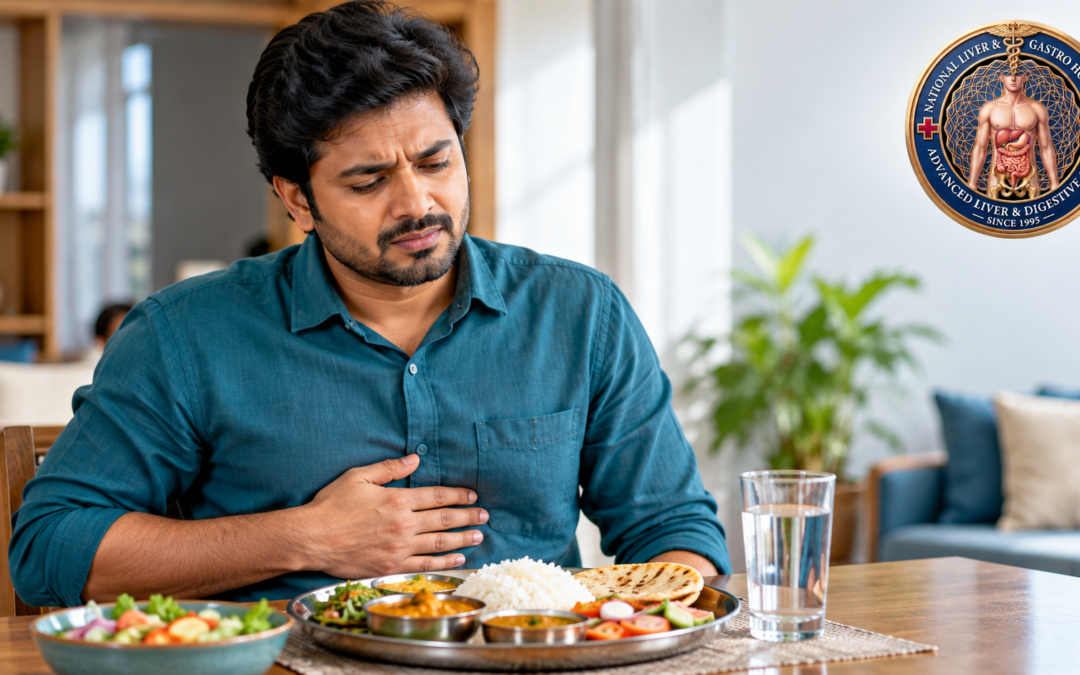
Finishing a meal should not leave you feeling uncomfortably full, tight around the stomach, or troubled by frequent burping. Yet many people experience gas, bloating, and abdominal discomfort after eating. Sometimes the problem settles on its own. At other times, it returns after several meals and begins to interfere with everyday life.
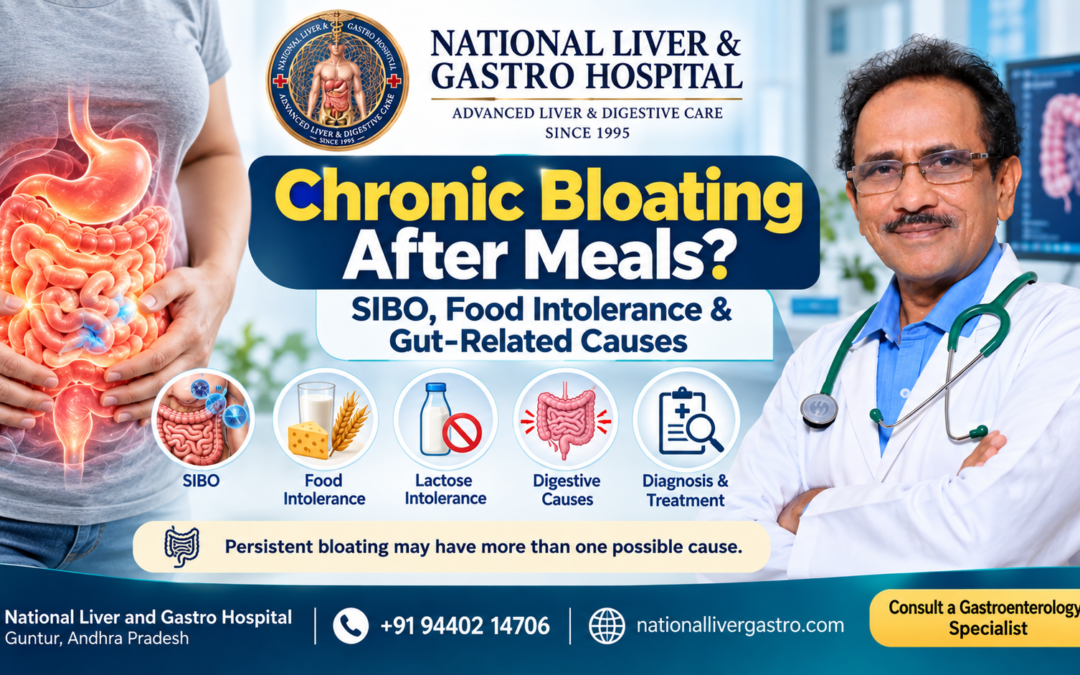
These symptoms can develop for several reasons. Eating too quickly, swallowing excess air, constipation, certain food intolerances, and digestive conditions may contribute to discomfort after meals. The symptoms can feel similar even when their underlying causes are different.
Understanding when the discomfort occurs, which foods you have eaten, and whether other symptoms are present can help you recognise patterns. Persistent or worsening problems may require medical evaluation rather than repeated reliance on home remedies.
This guide explains common causes of stomach gas, practical ways to reduce bloating, possible diagnostic tests, and when to seek Gastric Problem Treatment in Guntur.
Quick answer: Gas and bloating after meals often result from swallowed air or intestinal bacteria breaking down carbohydrates that have not been fully digested. Large meals, fizzy drinks, constipation, food intolerances, and certain digestive disorders may also contribute. Eating slowly, identifying individual food triggers, and maintaining regular bowel habits may help. Persistent symptoms, unexplained weight loss, blood in the stool, or severe abdominal pain require medical assessment.
What Causes Gas and Bloating After Eating?
Gas is a normal part of digestion. Air enters the digestive tract when you swallow, while intestinal bacteria produce additional gas as they break down certain carbohydrates. The body usually releases gas through burping or passing wind.
Problems arise when gas builds up, moves through the digestive tract in a way that causes discomfort, or makes the abdomen feel unusually full. Some people also experience bloating even when the amount of gas present is not unusually high.
Common symptoms include:
- A feeling of fullness or pressure in the abdomen.
- Visible abdominal swelling or tightness.
- Frequent burping after meals.
- Passing gas more often than usual.
- Mild abdominal cramps or discomfort.
- A sense of fullness after eating a small amount of food.
- Changes in bowel movements, including constipation or diarrhoea.
Occasional gas is normal. However, frequent discomfort that affects eating, sleep, or everyday activities deserves attention, particularly when other symptoms occur at the same time.
Seven Common Reasons Your Stomach Feels Bloated After Meals
1. Eating Too Quickly
Eating rapidly can cause you to swallow more air than usual. That air may contribute to burping, pressure, and a feeling of fullness. Talking continuously while eating, chewing gum, and drinking through a straw can also increase air swallowing in some people.
Try slowing down, chewing food thoroughly, and taking smaller bites. Eating at a relaxed pace can also make it easier to notice when you feel comfortably full.
2. Large or Heavy Meals
A large meal can leave the stomach feeling stretched and uncomfortable. Meals high in fat may also contribute to bloating for some people. The discomfort may become more noticeable when you lie down immediately after eating.
Consider moderate portions and avoid repeatedly eating beyond fullness. If large meals consistently cause discomfort, try adjusting portion sizes and observing whether your symptoms improve.
3. Foods That Produce More Gas
Some carbohydrates are not completely digested in the small intestine. When they reach the large intestine, bacteria break them down and produce gas.
Foods that may contribute to gas in some people include:
- Beans, chickpeas, peas, and lentils.
- Cabbage, cauliflower, broccoli, and similar vegetables.
- Some fruits, including apples and pears.
- Milk and other dairy products in people who have difficulty digesting lactose.
- Some whole grains and high-fibre foods, especially when fibre intake increases suddenly.
- Fizzy drinks and products containing certain sugar substitutes, such as sorbitol.
These foods are nutritious and do not need to be avoided by everyone. Your response depends on the type of food, quantity consumed, and your individual digestive health.
4. Constipation
When bowel movements become less frequent or stools are hard to pass, gas and abdominal pressure may become more noticeable. Constipation can also cause a sensation of incomplete bowel emptying.
Insufficient fluid intake, changes in routine, certain medicines, and inadequate dietary fibre may contribute. Increasing fibre gradually, staying physically active, and drinking appropriate amounts of fluid may help.
Persistent constipation or constipation accompanied by significant pain, vomiting, blood in the stool, or unexplained weight loss should be medically assessed.
5. Lactose Intolerance or Other Food Intolerances
Lactose intolerance occurs when the body has difficulty digesting lactose, a sugar found in milk and some dairy products. Symptoms may include bloating, gas, abdominal cramps, and diarrhoea after consuming lactose-containing foods.
Other dietary components may trigger symptoms in susceptible individuals. A doctor may recommend a structured dietary trial or suitable testing when a particular intolerance is suspected.
Avoid removing several major food groups without guidance. Unnecessary restrictions can make it harder to maintain a balanced diet.
6. Acid Reflux and Indigestion
Gas and bloating can occur alongside indigestion, which may cause upper abdominal discomfort, early fullness, nausea, or belching. Acid reflux is a separate condition in which stomach contents move backwards into the oesophagus and may cause heartburn or a sour taste.
If your symptoms mainly involve burning in the chest, repeated regurgitation, or discomfort in the upper abdomen after meals, note these details when seeking medical advice.
7. Underlying Digestive Conditions
Persistent bloating may sometimes be associated with irritable bowel syndrome (IBS), coeliac disease, certain infections, or other gastrointestinal conditions. Less commonly, symptoms may be linked to a problem affecting the stomach, pancreas, liver, or other abdominal organs.
Symptoms alone cannot establish which condition is responsible. A suitable assessment helps determine whether testing or specific treatment is needed.
Why Does Stomach Discomfort Sometimes Begin Immediately After Eating?
The timing of discomfort can offer useful clues, although it does not confirm a diagnosis. Symptoms that appear immediately after a meal may be related to meal size, swallowed air, stomach fullness, or indigestion.
Discomfort that develops later may be associated with digestion, the fermentation of certain carbohydrates in the intestine, constipation, or food intolerance. Some people experience symptoms after particular ingredients rather than after every meal.
| Symptom Pattern | What to Consider |
|---|---|
| Burping shortly after eating | Eating quickly, swallowing air, or drinking fizzy beverages. |
| Fullness after large meals | Meal size, high-fat foods, or indigestion. |
| Bloating after dairy products | Possible lactose intolerance or another food-related trigger. |
| Bloating with infrequent stools | Possible constipation or a change in bowel habits. |
| Repeated pain with diarrhoea | Food intolerance, infection, IBS, or another intestinal condition. |
| Persistent or worsening abdominal swelling | Requires medical assessment, especially with pain, vomiting, or unexplained weight loss. |
Keeping a record of meal times, foods, discomfort, and bowel movements can help your healthcare professional understand the pattern more clearly.
Practical Ways to Prevent Gas and Bloating After Meals
Small adjustments to eating habits may help reduce symptoms when they are related to swallowed air, large meals, or particular food triggers. The most useful changes depend on your individual circumstances.
Everyday Habits to Try
- Eat slowly: Chew thoroughly and avoid rushing through meals.
- Choose comfortable portions: Avoid eating until your stomach feels overly full.
- Limit fizzy drinks: Observe whether carbonated beverages worsen your symptoms.
- Track food triggers: Record meals and symptoms instead of removing many foods at once.
- Increase fibre gradually: Sudden changes in fibre intake can increase gas in some people.
- Stay hydrated: Drink fluids appropriate for your health needs, particularly if constipation is a concern.
- Remain physically active: Regular movement can support normal bowel function.
- Review eating habits: Avoid repeatedly eating very large meals or lying down immediately after eating if this worsens your symptoms.
- Review medications: Ask a healthcare professional whether any medicines could be contributing to symptoms.
If you have a diagnosed digestive condition, follow the dietary and treatment recommendations given for that condition. Special diets should be used when appropriate rather than as a general solution for every type of bloating.
Which Foods Should You Eat or Limit When You Have Gas?
There is no single diet that prevents gas in everyone. The aim is to find a balanced eating pattern that meets your nutritional needs without repeatedly triggering discomfort.
Foods You May Tolerate Well
Depending on your individual needs, you might find that moderate portions of rice, oats, suitable vegetables, eggs, and other protein sources are comfortable to eat. Some people prefer cooked vegetables to large servings of raw vegetables when bloating is troublesome.
If you suspect that dairy products cause symptoms, discuss appropriate alternatives or lactose-free options with a qualified healthcare professional or dietitian.
Foods and Drinks to Monitor
- Fizzy drinks and carbonated beverages.
- Beans, lentils, and certain other legumes.
- Some cruciferous vegetables, such as cabbage and cauliflower.
- Milk or ice cream if you have lactose intolerance.
- Products containing sugar alcohols, including sorbitol and mannitol.
- Very large or high-fat meals if they consistently worsen your discomfort.
Do not assume that all these foods are harmful. A food diary can help you identify meaningful patterns. Persistent symptoms may require investigation even if you have already made dietary changes.
When Should You Consult a Gastric Doctor in Guntur?
Occasional bloating after a heavy meal may settle without treatment. However, repeated symptoms should not be ignored if they are becoming more frequent, affecting your ability to eat comfortably, or interfering with daily activities.
Consider consulting a Gastric Doctor in Guntur if you experience recurring abdominal discomfort, frequent gas, ongoing bloating, or changes in your bowel habits that do not improve.
A consultation may also be helpful if:
- You frequently feel full after eating only a small amount.
- Gas and bloating occur with repeated diarrhoea or constipation.
- You have persistent nausea, vomiting, or upper abdominal pain.
- Your symptoms have changed suddenly or are becoming more severe.
- You have difficulty identifying food triggers despite making dietary changes.
- You have a known digestive condition and your symptoms are worsening.
A Gastric Problem Specialist in Guntur can help determine whether the symptoms are likely to be related to eating habits, constipation, food intolerance, or a condition that needs further investigation.
How Are Gas and Bloating Problems Diagnosed?
Diagnosis usually begins with a discussion of your symptoms and a physical examination. Your doctor may ask what you eat, how quickly symptoms develop after meals, whether you have changes in bowel habits, which medicines you take, and whether you have lost weight unintentionally.
In some cases, a medical history and examination are enough to guide initial management. Additional testing may be recommended if your symptoms persist, warning signs are present, or a specific condition is suspected.
Blood Tests
Blood tests may be used to investigate selected causes of digestive symptoms, such as anaemia or possible coeliac disease. Other tests may be considered according to the suspected condition.
Stool Tests
Stool tests may help investigate certain infections, inflammation, or bleeding when the symptom pattern indicates a need for them.
Tests for Food Intolerance
When lactose intolerance is suspected, a clinician may recommend a dietary trial or a hydrogen breath test. The appropriate approach depends on the symptoms and clinical assessment.
Ultrasound or Other Imaging
Imaging may be considered when abdominal pain, examination findings, or other symptoms suggest a problem involving an abdominal organ. Not everyone experiencing gas requires imaging.
Endoscopy or Other Specialist Tests
Upper gastrointestinal endoscopy or other specialised investigations may be appropriate in selected cases, such as persistent upper digestive symptoms, bleeding, or difficulty swallowing.
The choice of investigation should be based on your clinical needs. More tests are not automatically better; the goal is to identify the cause while avoiding unnecessary procedures.
What Treatment Is Available for Persistent Gas and Bloating?
Treatment depends on the underlying cause. There is no one medicine that treats every problem involving gas, bloating, or stomach discomfort after meals.
Lifestyle and Dietary Changes
If symptoms are linked to eating quickly, large meals, constipation, or specific food triggers, adjusting these habits may help. A dietitian may provide additional guidance if you need to modify your diet without missing important nutrients.
Medicines for Specific Symptoms
Certain medicines may help with particular problems, such as constipation or uncomfortable gas. The most suitable choice depends on the cause, your age, other health conditions, and medicines you already take. Ask a clinician or pharmacist before starting regular treatment.
Treatment for an Underlying Condition
If a digestive disorder or food intolerance is identified, treatment should address that condition. For instance, lactose intolerance may require an individualised approach to lactose intake, while other disorders may require different dietary measures, medicines, or specialist care.
If symptoms persist despite basic changes, discuss Gas and Bloating Treatment in Guntur with a qualified healthcare professional rather than repeatedly trying different remedies without knowing the cause.
People looking for Stomach Gas Problem Treatment should also understand that persistent bloating sometimes needs evaluation for constipation, food intolerance, or another digestive condition.
How to Choose a Gastroenterology Specialist in Andhra Pradesh
When digestive symptoms keep returning, choosing an appropriate healthcare professional can help you move from temporary relief towards a clearer understanding of the problem.
Consider Relevant Clinical Experience
Ask whether the clinician evaluates symptoms such as recurring bloating, abdominal discomfort, altered bowel movements, indigestion, and food intolerance.
Understand the Diagnostic Process
You should be able to discuss which tests may be useful, why a particular investigation is recommended, and whether it needs to be performed at the hospital or elsewhere.
Look for Clear Treatment Guidance
A good consultation should help you understand the suspected cause, possible treatment approaches, warning signs, and when follow-up is appropriate.
If you are searching for a Gastro Specialist in Andhra Pradesh, review the available information and confirm the professional’s qualifications, services, and appointment arrangements before making a decision.
For persistent or complicated symptoms, a Gastroenterologist for Stomach Problems in Guntur may be an appropriate option, depending on your individual symptoms and referral needs.
Warning Signs That Need Urgent Medical Attention
Gas and bloating are common, but some symptoms should not be attributed to ordinary indigestion without an assessment.
Seek urgent medical care if you experience: sudden or severe abdominal pain, vomiting blood, black tarry stools, repeated vomiting with inability to keep fluids down, marked abdominal swelling with an inability to pass stool or gas, or signs of severe dehydration.
Arrange prompt medical evaluation for persistent bloating, unexplained weight loss, blood in the stool, worsening heartburn, difficulty swallowing, or a change in bowel habits that does not settle.
Chest pain accompanied by breathlessness, sweating, faintness, or pain spreading to the arm or jaw requires emergency assessment. Do not assume that such symptoms are caused by gas.
Digestive Health Information from National Liver and Gastro Hospital
Gas, bloating, and stomach discomfort after meals can have several explanations. Identifying the symptom pattern and considering relevant medical history are important steps towards choosing the right approach.
National Liver and Gastro Hospital is the hospital featured in this article. People seeking information about digestive health and consultation arrangements can visit its website or use the Google Maps listing to view its location.
Visit National Liver and Gastro Hospital online for available hospital information. Contact the hospital directly to confirm current services, specialist availability, and appointment arrangements.
Are Gas and Bloating Affecting Your Daily Life?
If stomach discomfort keeps returning after meals, seek professional advice to understand possible causes and appropriate next steps.
Call +91 94402 14706 WhatsApp Us View Google Maps LocationFrequently Asked Questions About Gas, Bloating, and Stomach Discomfort
1. Why do I get gas and bloating after eating?
Gas and bloating after meals may result from swallowing air, consuming certain carbohydrates, eating large portions, or constipation. Food intolerance and digestive disorders can also contribute. If symptoms occur frequently or affect daily activities, consult a healthcare professional.
2. Which foods commonly cause stomach gas?
Beans, lentils, cabbage, cauliflower, some fruits, dairy products in people with lactose intolerance, fizzy drinks, and products containing certain sugar substitutes may increase gas in some individuals. Responses vary, so monitor your personal triggers rather than avoiding all these foods automatically.
3. How can I reduce bloating after meals naturally?
Eating slowly, choosing moderate portions, limiting fizzy drinks, staying physically active, and identifying foods that repeatedly trigger symptoms may help. If constipation is involved, gradual fibre changes and adequate fluid intake may be useful when appropriate for your health.
4. Can gas and bloating be symptoms of a digestive disorder?
Yes. Persistent gas and bloating may be associated with constipation, lactose intolerance, irritable bowel syndrome, coeliac disease, or other digestive conditions. Symptoms alone cannot confirm the cause, so persistent or worsening discomfort may require medical evaluation.
5. Is it normal to pass gas every day?
Yes. Gas is a normal part of digestion, and people commonly burp or pass wind every day. The concern is more about symptoms that are unusually troublesome, change suddenly, affect daily activities, or occur alongside abdominal pain, altered bowel habits, or weight loss.
6. Can constipation cause bloating and stomach discomfort?
Yes. Constipation can cause abdominal fullness, pressure, gas-related discomfort, and difficulty passing stools. Persistent constipation or symptoms accompanied by severe pain, vomiting, bleeding, or unexplained weight loss require medical assessment.
7. How do I know if milk is causing my gas problems?
Bloating, gas, cramps, or diarrhoea after consuming dairy products may suggest lactose intolerance, although other causes are possible. A healthcare professional may recommend a structured dietary trial or a hydrogen breath test when appropriate.
8. Can stress make digestive symptoms worse?
Stress may affect how the digestive system functions and how strongly some people experience bloating or abdominal discomfort. However, persistent symptoms should not automatically be blamed on stress, particularly when other warning signs are present.
9. Which tests may be needed for persistent gas and bloating?
A doctor may begin with a medical history and physical examination. Depending on the suspected cause, selected patients may need blood tests, stool tests, testing for food intolerance, imaging, or an endoscopic procedure. Not everyone needs every investigation.
10. When should I consult a gastric doctor in Guntur?
Consider medical advice when gas and bloating are persistent, frequently return, interfere with eating, or occur with repeated abdominal pain, constipation, diarrhoea, or other concerning symptoms. Sudden severe pain, vomiting blood, or black stools require urgent assessment.
11. What is the treatment for persistent stomach gas problems?
Treatment depends on the underlying cause. It may involve dietary adjustments, changes to eating habits, management of constipation, or treatment of an identified digestive condition. A healthcare professional can help determine which approach is appropriate for your symptoms.
12. When does bloating become a medical emergency?
Sudden severe abdominal pain, vomiting blood, black tarry stools, severe abdominal swelling with an inability to pass stool or gas, or repeated vomiting with inability to keep fluids down can indicate a serious problem. Seek urgent medical care rather than relying on home remedies.
Take the Right Steps Towards Better Digestive Comfort
Gas, bloating, and stomach discomfort after meals can result from ordinary digestive processes, eating habits, constipation, food intolerance, or an underlying medical condition. Paying attention to when symptoms occur and which foods appear to trigger them can help you identify useful patterns.
Try sensible changes such as eating slowly, choosing comfortable portions, staying active, and tracking recurring symptoms. Avoid unnecessary dietary restrictions or regular use of medicines without appropriate advice.
If discomfort keeps returning, becomes more severe, or occurs with changes in bowel habits or unexplained weight loss, arrange a medical assessment. Severe pain, bleeding, or other emergency warning signs should never be dismissed as simple gas.
For further information, visit National Liver and Gastro Hospital or use the Google Maps listing to view its location.
Medical Information Sources
The following medical resources provide further information about gas, bloating, dietary triggers, indigestion, and when to seek care.
NIDDK – Symptoms and Causes of Gas in the Digestive Tract
NIDDK – Diagnosis of Gas in the Digestive Tract
NIDDK – Eating, Diet, and Nutrition for Gas
NIDDK – Symptoms and Causes of Indigestion
NHS – Bloating: Causes, Self-Care, and When to Seek Medical Advice
Medical disclaimer: This article is for general educational purposes only and does not replace a medical consultation, diagnosis, or individual treatment plan. The appropriate evaluation and treatment depend on symptoms and clinical findings. Severe abdominal pain, vomiting blood, black stools, substantial abdominal swelling, or inability to pass stool or gas may require urgent medical assessment.