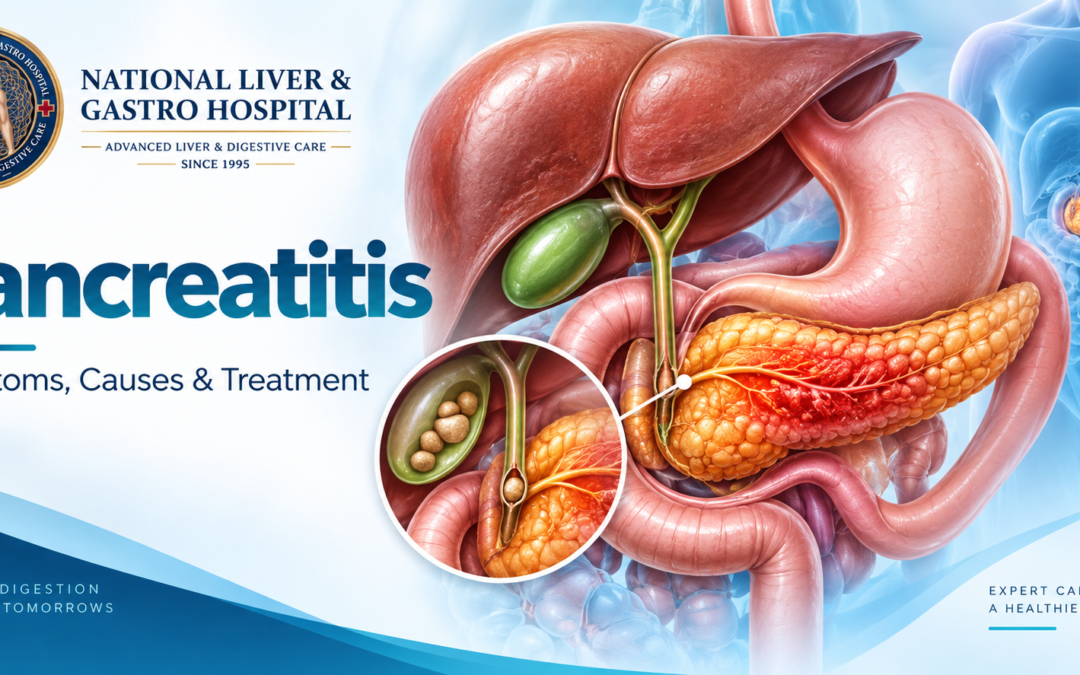
Pancreatitis: Early Symptoms, Causes, Diagnosis and Treatment in Guntur
A sudden pain starts in the upper part of your stomach. It is much stronger than ordinary acidity and seems to travel toward your back. You feel nauseous, you may vomit, and the pain does not settle after taking your usual gastric medicine.
This type of pain should not automatically be treated as indigestion.
One possible cause is pancreatitis, an inflammation of the pancreas. The pancreas sits behind the stomach and plays an important role in digestion and blood sugar regulation.
Pancreatitis can happen suddenly as acute pancreatitis, or it can develop and continue over a longer period as chronic pancreatitis. Both conditions require proper medical evaluation because the severity and treatment can vary significantly from one person to another.
If you are searching for pancreatitis treatment in Guntur, understanding the symptoms, causes and diagnostic process can help you recognize when professional care is necessary.
Severe Upper Abdominal Pain Should Not Be Ignored
Persistent abdominal pain with vomiting, fever or pain spreading to the back needs prompt medical evaluation.
Call +91 94402 14706 WhatsApp Us Book an AppointmentWhat Is Pancreatitis?
Quick answer: Pancreatitis means inflammation of the pancreas. Acute pancreatitis develops suddenly and can range from mild to severe. Chronic pancreatitis is a long-term condition that can progressively damage the pancreas and affect digestion and other pancreatic functions.
The pancreas is located behind the stomach and has two major roles. It produces digestive enzymes that help break down food, and it produces hormones such as insulin that help regulate blood sugar.
Pancreatitis occurs when digestive enzymes begin causing damage and inflammation within the pancreas instead of functioning normally in the digestive tract.
The condition can be caused by several different problems. Gallstones and heavy alcohol use are among the important causes, while other causes include certain medicines, high blood fats, genetic conditions and some structural or medical problems involving the pancreas.
Acute vs Chronic Pancreatitis
Although both conditions involve inflammation of the pancreas, acute and chronic pancreatitis are not the same.
| Feature | Acute Pancreatitis | Chronic Pancreatitis |
|---|---|---|
| Onset | Usually develops suddenly | Develops or continues over a longer period |
| Duration | Short-term inflammation | Long-lasting inflammation and pancreatic damage |
| Pain | Often sudden and significant upper abdominal pain | May be recurrent or persistent and can spread to the back |
| Common causes | Gallstones, alcohol and other causes | Heavy alcohol use, genetic factors and other pancreatic problems |
| Possible effects | Can require urgent hospital treatment | Can lead to lasting pancreatic damage and digestive problems |
Acute pancreatitis can improve over several days in many patients when appropriately treated, while chronic pancreatitis can cause permanent damage and may require long-term management.
What Are the Early Symptoms of Pancreatitis?
The most characteristic symptom is pain in the upper abdomen. The pain may be mild or severe and can sometimes spread toward the back.
Other possible symptoms include:
- Upper abdominal pain that starts suddenly
- Pain that may spread to the back
- Nausea and vomiting
- Fever
- Abdominal tenderness or swelling
- Fast heartbeat
- Loss of appetite
- Digestive discomfort
With chronic pancreatitis, symptoms may also include repeated abdominal pain, diarrhea, nausea, vomiting, weight loss and greasy or foul-smelling stools caused by problems digesting and absorbing food.
What Does Pancreatitis Pain Feel Like?
Pancreatitis pain is usually felt in the upper abdomen. It can begin suddenly or gradually and may become severe.
In some people, the pain moves toward the back. Eating may make the pain worse, and some people find that changing position affects how the pain feels.
This is one reason pancreatitis can sometimes be confused with stomach ulcers, severe indigestion or other abdominal conditions.
Important: Severe or persistent upper abdominal pain, particularly when accompanied by vomiting, fever, rapid heartbeat, difficulty breathing or yellowing of the eyes or skin, requires urgent medical assessment. Severe pancreatitis can lead to serious complications.
What Causes Pancreatitis?
There is no single cause of pancreatitis. Doctors first try to identify what triggered the inflammation because treating the underlying cause can be an important part of preventing further problems.
1. Gallstones
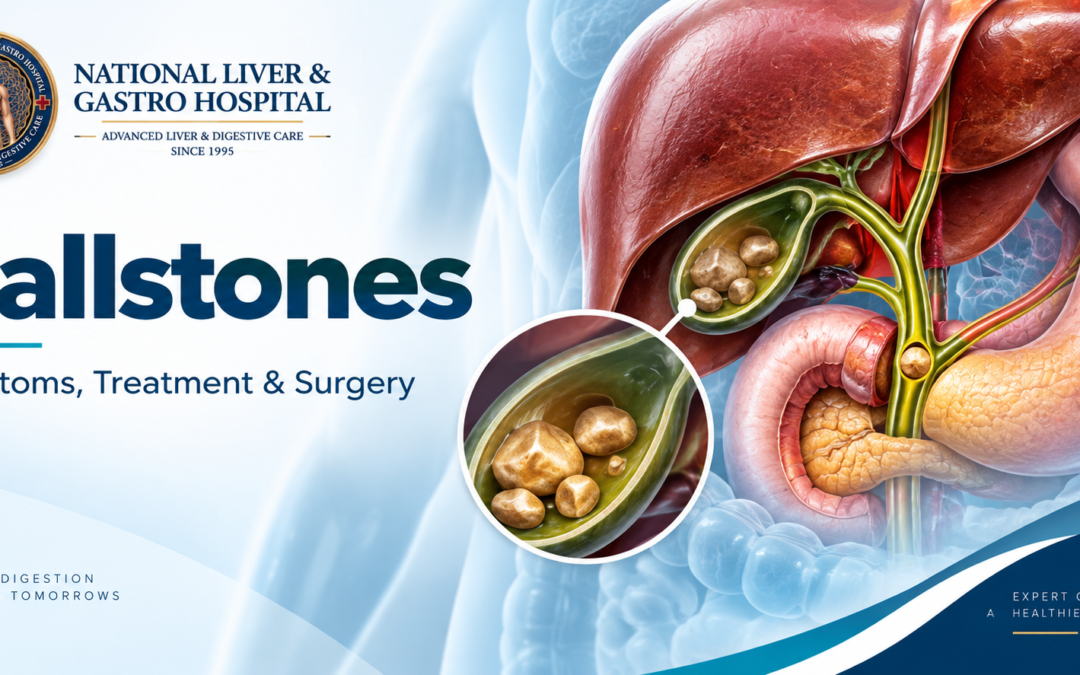
Gallstones are one of the most common causes of acute pancreatitis. A stone can move from the gallbladder and become stuck in a bile or pancreatic duct, interfering with normal drainage and triggering inflammation of the pancreas.
This is why people with gallstones and sudden severe upper abdominal pain should not assume the problem is simply gastric acidity.
2. Heavy Alcohol Use
Heavy alcohol use is another important cause of pancreatitis and can contribute to both acute and chronic disease.
For people who have pancreatitis, medical guidance strongly recommends avoiding alcohol because continued alcohol use can increase the risk of recurrent episodes and progression to chronic disease.
3. High Triglycerides
Very high levels of blood triglycerides can be associated with pancreatitis. If pancreatitis occurs without an obvious cause, doctors may check blood lipid levels as part of the evaluation.
4. Certain Medicines
Some medicines can contribute to pancreatitis in susceptible individuals. This is why it is important to tell your doctor about every medicine, supplement and herbal product you are taking.
5. Genetic and Other Medical Causes
Some people have inherited conditions that increase their risk of pancreatic inflammation. Other possible causes include abdominal injury, infections, pancreatic duct abnormalities and certain pancreatic diseases. In some patients, the cause cannot be identified despite evaluation.
Can Gallstones Cause Pancreatitis?
Yes. This is an important connection between the gallbladder and pancreas.
The bile and pancreatic ducts are closely connected before they drain into the small intestine. A gallstone that blocks this drainage area can interfere with pancreatic secretions and trigger acute pancreatitis.
This condition is known as gallstone pancreatitis.
If a patient has pancreatitis caused by gallstones, treating the gallstone problem may become an important part of preventing another episode. Depending on the circumstances, doctors may recommend gallbladder surgery or an endoscopic procedure such as ERCP.
How Is Pancreatitis Diagnosed?
Pancreatitis cannot be diagnosed reliably from symptoms alone. Doctors usually combine your medical history, physical examination, blood tests and appropriate imaging to determine whether the pancreas is inflamed and to identify the possible cause.
Blood Tests
Blood testing may include pancreatic enzymes such as amylase and lipase. Doctors may also check blood glucose, triglycerides and other markers that can provide information about inflammation, infection or problems involving the liver, gallbladder and bile ducts.
Abdominal Ultrasound
Ultrasound can be particularly useful when doctors want to look for gallstones, which are an important cause of acute pancreatitis.
CT Scan
A CT scan can provide detailed images of the pancreas and surrounding structures and may help identify inflammation or complications.
MRCP
Magnetic resonance cholangiopancreatography, or MRCP, uses MRI technology to provide detailed images of the pancreas, gallbladder and bile ducts. It can be useful when doctors need to investigate possible duct blockage or another structural cause.
Endoscopic Ultrasound
Endoscopic ultrasound, or EUS, combines endoscopy with ultrasound to obtain detailed images of the pancreas and bile ducts. A gastroenterologist may recommend it when further evaluation is needed.
| Test | What It Can Help Identify |
|---|---|
| Blood tests | Pancreatic enzyme elevation, inflammation, glucose and blood fat abnormalities |
| Ultrasound | Gallstones and certain gallbladder or abdominal abnormalities |
| CT scan | Pancreatic inflammation and possible complications |
| MRCP | Detailed evaluation of the pancreas and bile ducts |
| Endoscopic ultrasound | Detailed assessment of the pancreas and bile ducts |
How Is Acute Pancreatitis Treated?
Acute pancreatitis can require hospital treatment, particularly when symptoms are significant. Treatment depends on the severity of the condition and its underlying cause.
Hospital management may include:
- Intravenous fluids to prevent or treat dehydration
- Medicines to control pain
- Monitoring for complications
- Appropriate nutritional support
- Antibiotics when there is a relevant infection
- Treatment of the underlying cause
Many cases of mild acute pancreatitis improve over several days with appropriate treatment, while severe cases may require longer hospital care and treatment for complications.
When Is ERCP Used for Pancreatitis?
ERCP stands for endoscopic retrograde cholangiopancreatography.
It combines upper gastrointestinal endoscopy with X-ray imaging and can be used to treat selected problems involving the bile and pancreatic ducts.
For example, if a gallstone becomes stuck in the common bile duct or near the drainage area shared by the bile and pancreatic ducts, ERCP may be used to remove the obstruction in appropriate cases.
ERCP is not required for every patient with pancreatitis. Your gastroenterologist will determine whether it is appropriate based on the cause and findings.
How Is Chronic Pancreatitis Managed?
Chronic pancreatitis is different from a single episode of acute pancreatitis. Long-term inflammation can cause lasting damage to the pancreas and affect its ability to produce digestive enzymes and hormones.
Management may involve:
- Controlling abdominal pain
- Stopping alcohol completely
- Stopping smoking
- Dietary and nutritional support
- Pancreatic enzyme replacement when needed
- Management of blood sugar problems
- Treatment of pancreatic or bile duct blockages
- Monitoring for complications
Some patients develop problems absorbing nutrients because the pancreas is no longer producing enough digestive enzymes. This can contribute to weight loss and changes in bowel movements.
What Should You Eat After Pancreatitis?
Diet after pancreatitis should be individualized according to the severity of the condition and your doctor’s recommendations.
In many cases, a healthy lower-fat eating pattern may be recommended, particularly during recovery. Small, regular meals can be easier to tolerate for some patients.
Foods That May Fit a Healthy Pancreas-Friendly Pattern
- Fresh vegetables
- Fruits in appropriate portions
- Whole grains and high-fiber foods as tolerated
- Dal and other legumes
- Lean sources of protein
- Low-fat dairy options when tolerated
- Adequate fluids
Foods and Habits to Limit or Avoid
- Alcohol
- Smoking and tobacco
- Very high-fat meals
- Deep-fried foods
- Large heavy meals
- Highly processed foods
- Excessively sugary foods and drinks
Do not make major dietary restrictions on your own after a serious pancreatic illness. Some patients require specialized nutritional support, particularly when chronic pancreatitis has affected digestion or caused significant weight loss.
Why Alcohol and Smoking Matter in Pancreatitis
Alcohol and smoking are particularly important because both can increase the risk of pancreatic problems.
For people with pancreatitis, healthcare professionals strongly advise avoiding alcohol. Smoking cessation is also strongly recommended because smoking can contribute to progression toward chronic pancreatitis and may increase other pancreatic risks.
If stopping alcohol or tobacco is difficult, discuss it openly with your doctor. Getting appropriate support is more useful than trying to manage the problem alone.
Is Pancreatitis Dangerous?
Pancreatitis can range from a mild illness that improves with treatment to a severe condition involving complications.
Potential complications can involve the pancreas, bile ducts and other organs. Severe inflammation may require intensive medical care and a longer hospital stay.
This is why sudden severe abdominal pain should not be dismissed as gas or acidity, particularly when it is accompanied by vomiting, fever, rapid heartbeat, breathing difficulty or jaundice.
Emergency warning: If you develop sudden severe abdominal pain that does not settle, especially with repeated vomiting, fever, yellow eyes, difficulty breathing or pain spreading to the back, seek urgent medical care.
When Should You See a Pancreas Specialist in Guntur?
You should arrange a gastroenterology evaluation if you experience repeated or unexplained upper abdominal pain, especially when the pain travels toward the back.
A specialist consultation is particularly important if you have:
- Repeated episodes of upper abdominal pain
- Severe pain after eating
- Persistent nausea or vomiting
- A history of gallstones
- High triglyceride levels
- Previous pancreatitis
- Unexplained weight loss
- Greasy or unusually foul-smelling stools
- Diabetes developing alongside pancreatic symptoms
- Abnormal pancreatic or liver blood tests
If you are searching for a pancreas specialist in Guntur, an appropriate evaluation can help determine whether your symptoms require pancreatic testing, gallbladder evaluation, endoscopy, imaging or another form of treatment.
Looking for Pancreatitis Treatment in Guntur?
Persistent or severe upper abdominal pain deserves proper evaluation. Discuss your symptoms and medical history with a gastroenterology specialist.
Call +91 94402 14706 WhatsApp Us View Location on Google MapsPancreas and Gastroenterology Care at National Liver & Gastro Hospital
At National Liver & Gastro Multispeciality Hospital in Guntur, patients with abdominal pain and digestive problems can receive gastroenterology evaluation based on their symptoms, medical history and appropriate diagnostic investigations.
Pancreatic symptoms can overlap with gallbladder disease, ulcers, gastritis and other digestive conditions. Finding the underlying cause is therefore an important part of appropriate treatment.
If pancreatitis is suspected, your doctor can assess the severity of the condition, look for possible causes such as gallstones and determine whether further imaging or specialist treatment is needed.
You can also check the hospital’s Google Business Profile for the location and directions.
Frequently Asked Questions About Pancreatitis
What is pancreatitis?
Pancreatitis is inflammation of the pancreas. It can be acute, meaning it develops suddenly, or chronic, meaning it continues over a longer period and can cause lasting pancreatic damage.
What is the main symptom of pancreatitis?
The main symptom is usually pain in the upper abdomen. The pain may be severe and can spread toward the back. Nausea and vomiting are also common symptoms.
Can gallstones cause pancreatitis?
Yes. Gallstones are an important cause of acute pancreatitis. A stone can block a bile or pancreatic duct and trigger inflammation of the pancreas.
Can pancreatitis be caused by alcohol?
Yes. Heavy alcohol use is an important cause of pancreatitis. People with pancreatitis are strongly advised to avoid alcohol because continued use can increase the risk of further pancreatic problems.
How is pancreatitis diagnosed?
Doctors use symptoms, medical history, physical examination, blood tests and appropriate imaging. Tests may include pancreatic enzyme measurements, ultrasound, CT, MRCP or endoscopic ultrasound depending on the situation.
Can pancreatitis be cured?
Mild acute pancreatitis can often improve with appropriate treatment. Chronic pancreatitis is a long-term condition that can cause lasting damage and usually requires ongoing management.
Is pancreatitis an emergency?
Acute pancreatitis can be serious and generally requires prompt medical assessment. Severe or persistent abdominal pain with vomiting, fever, rapid heartbeat, breathing difficulty or jaundice needs urgent medical attention.
Can pancreatitis cause weight loss?
Chronic pancreatitis can cause weight loss, particularly when pancreatic damage affects digestion and nutrient absorption. Persistent unexplained weight loss should be evaluated by a doctor.
Can I drink alcohol after pancreatitis?
Medical guidance strongly recommends avoiding alcohol after pancreatitis. Your doctor can provide individual advice and support if stopping alcohol is difficult.
Where can I get pancreatitis treatment in Guntur?
National Liver & Gastro Multispeciality Hospital in Guntur provides gastroenterology evaluation for pancreatic and digestive conditions. You can call +91 94402 14706 or check the hospital location through Google Maps before visiting.
Do Not Mistake Pancreatic Pain for Ordinary Acidity
Acidity and indigestion are common, but severe or persistent upper abdominal pain deserves more careful attention, particularly when it travels toward the back or occurs with vomiting or fever.
Pancreatitis has several possible causes, and identifying the cause is an important part of treatment. Gallstones, alcohol, high triglycerides, medicines and other pancreatic conditions may require different approaches.
If you are experiencing recurring or severe symptoms, do not rely on self-medication alone. A gastroenterologist can evaluate your symptoms and determine whether pancreatic, gallbladder or another digestive condition is responsible.
If you are looking for pancreatitis treatment in Guntur, arrange a medical evaluation appropriate to your symptoms.
View National Liver & Gastro Hospital on Google Maps
National Liver & Gastro Multispeciality Hospital
+91 94402 14706 | nationallivergastro.com
Guntur, Andhra Pradesh. View on Google Maps
Monday to Saturday, 9 AM to 8 PM