Gallstones: Symptoms, Causes, Treatment Options and When Surgery May Be Needed in Guntur
You finish a meal and notice a sudden pain under the right side of your ribs. At first, you may think it is acidity or indigestion. The pain settles after some time, so you continue with your normal routine.
Then it happens again, often after a heavy or oily meal. Sometimes there is nausea, vomiting, bloating or discomfort that seems to move toward the back or right shoulder.
One possible cause is gallstones.
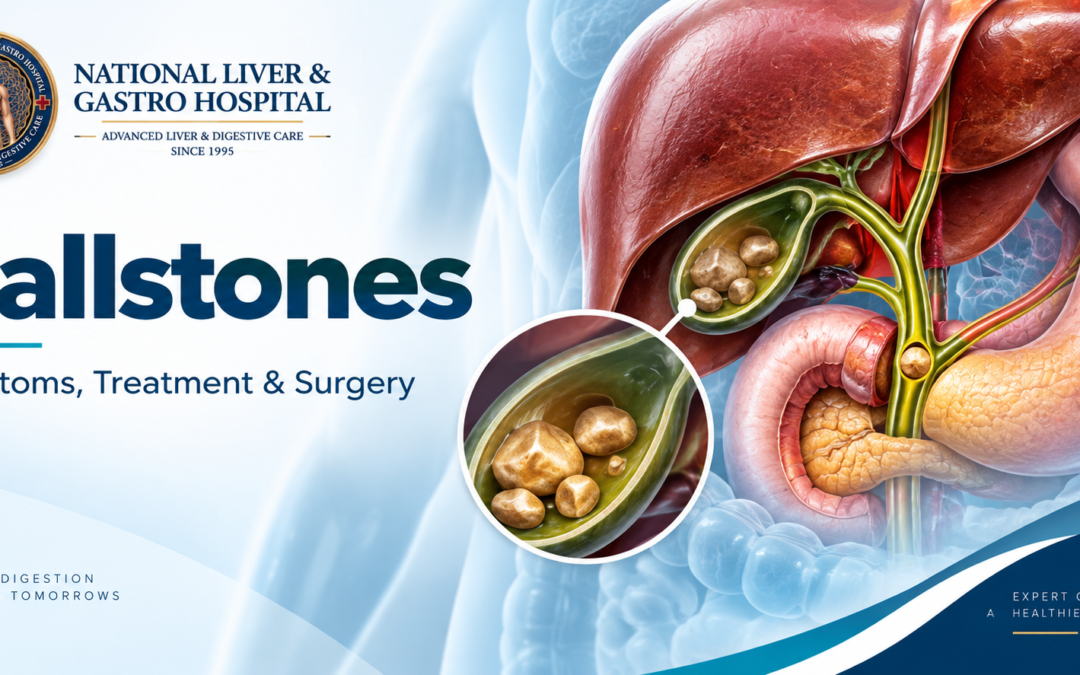
Gallstones are hard deposits that develop inside the gallbladder. Some people have them for years without any symptoms, while others develop painful attacks or complications that require medical treatment.
If you have been diagnosed with gallstones or are experiencing repeated pain in the upper right abdomen, it is important to understand what the stones mean, how they are diagnosed and when treatment may be necessary.
If you are searching for gallstone treatment in Guntur, a gastroenterology evaluation can help determine whether your symptoms are actually related to gallstones and what should be done next.
Having Repeated Gallbladder Pain?
Get your symptoms evaluated and find out whether gallstones or another digestive condition could be causing the problem.
Call +91 94402 14706 WhatsApp Us Book an AppointmentWhat Are Gallstones?
Quick answer: Gallstones are solid, pebble-like deposits that form inside the gallbladder. They are usually made mainly from cholesterol or bilirubin. Gallstones can be very small or much larger, and some people have a single stone while others have multiple stones.
The gallbladder is a small, pear-shaped organ located beneath the liver. Its main job is to store bile, a digestive fluid produced by the liver. When you eat, the gallbladder releases bile into the small intestine through the bile ducts.
Gallstones can form when the substances in bile become imbalanced or when the gallbladder does not empty normally. Many gallstones do not cause any symptoms. These are sometimes called silent gallstones.
The problem begins when a stone blocks the normal flow of bile. This can cause a gallbladder attack and, in some cases, more serious complications.
What Do Gallstones Look Like?
Gallstones can vary considerably in size and number. Some are tiny, while others can become much larger. Their appearance depends partly on what they are made from.
The two major types are:
- Cholesterol stones: These are generally associated with excess cholesterol in bile.
- Pigment stones: These contain more bilirubin and can develop under certain medical conditions.
The size of a gallstone does not by itself determine whether you will have symptoms. A small stone can cause significant problems if it moves into and blocks a bile duct.
What Are the Symptoms of Gallstones?
Many people with gallstones never experience symptoms. Problems usually occur when a stone blocks the gallbladder or bile ducts.
The most common symptom is abdominal pain.
Gallstone-related pain may:
- Occur in the upper right side of the abdomen
- Occur in the upper middle part of the abdomen
- Begin suddenly and become intense
- Continue for several hours
- Occur after a heavy meal in some people
- Spread toward the back or right shoulder
- Be accompanied by nausea or vomiting
However, not every episode of stomach pain is caused by gallstones. Gastritis, ulcers, reflux, pancreatitis and several other digestive problems can produce similar symptoms.
This is why a proper examination and appropriate imaging are important before assuming that gallstones are responsible.
Gallstone Symptoms That Need Prompt Medical Attention
Do not ignore severe or persistent symptoms. Seek prompt medical care if abdominal pain lasts for several hours or occurs with fever, chills, repeated vomiting, yellowing of the eyes or skin, dark urine or unusually pale stools. These symptoms can indicate inflammation, infection or blockage involving the gallbladder or bile ducts.
Gallstones can sometimes cause inflammation of the gallbladder, infection in the bile ducts or pancreatitis if a stone interferes with the pancreatic duct.
These complications require medical evaluation rather than waiting for the pain to disappear on its own.
What Causes Gallstones?
Gallstones do not have just one cause. They develop when the composition or movement of bile allows solid material to form inside the gallbladder.
Factors associated with a higher risk can include:
- Being overweight or living with obesity
- Rapid weight loss
- Repeated crash dieting
- Pregnancy and hormonal factors
- Increasing age
- Family history of gallstones
- Diabetes and certain metabolic conditions
- A diet high in refined carbohydrates and unhealthy fats
- Some intestinal or liver conditions
Rapid weight loss is particularly important to understand. Losing weight gradually through a sustainable eating pattern and regular physical activity is generally preferable to extreme calorie restriction. Very rapid weight loss can increase the risk of gallstone formation.
Can Eating Oily Food Cause Gallstones?
Oily or fatty foods do not simply create a gallstone immediately after one meal. However, dietary patterns, excess weight and metabolic factors can influence gallstone risk.
If you already have symptomatic gallstones, fatty meals may trigger discomfort in some people because eating stimulates the gallbladder to contract.
Until you receive medical advice, you may find it helpful to identify and reduce foods that repeatedly trigger your symptoms. A balanced diet should still provide adequate nutrition rather than relying on extreme food restriction.
How Are Gallstones Diagnosed?
Doctors generally combine your symptoms and medical history with physical examination, blood tests and imaging when diagnosing gallstones.
1. Ultrasound
Abdominal ultrasound is commonly used as the first imaging test for suspected gallstones. It is non-invasive and does not use radiation.
Ultrasound can identify many gallstones and can also provide information about the gallbladder and surrounding structures.
2. Blood Tests
Blood tests may help identify signs of inflammation, infection or problems involving the liver, gallbladder or pancreas.
Blood tests alone do not normally confirm that you have gallstones. They are used alongside symptoms and imaging.
3. MRCP or Other Imaging
When doctors need more information about the bile ducts, additional imaging such as MRI-based testing may be considered.
This can be useful when there is concern that a stone has moved into a bile duct.
4. ERCP
Endoscopic retrograde cholangiopancreatography, commonly called ERCP, combines endoscopy and X-ray imaging. It can be used selectively to locate and remove stones that are stuck in the common bile duct.
ERCP is not simply another routine test for every person with gallstones. It is generally used when there is a specific reason to examine or treat the bile ducts.
| Investigation | What It Helps With | Typical Role |
|---|---|---|
| Ultrasound | Detecting gallstones and assessing the gallbladder | Common first imaging test |
| Blood tests | Checking for inflammation, infection or liver and pancreatic involvement | Supports diagnosis and identifies complications |
| MRCP / MRI | Detailed assessment of the bile ducts | Used when additional duct imaging is needed |
| ERCP | Finding and removing selected bile duct stones | Primarily a therapeutic procedure when indicated |
Do All Gallstones Need Treatment?
No.
If gallstones are discovered incidentally and are not causing symptoms or complications, treatment may not be necessary in many people. These are often referred to as silent gallstones.
The situation is different when gallstones cause repeated attacks, inflammation, obstruction or other complications.
Your doctor will consider your symptoms, examination findings, imaging results and overall health before recommending treatment.
When Do Gallstones Need Surgery?
When gallstones are causing symptoms or complications, the usual definitive treatment is removal of the gallbladder, known as a cholecystectomy.
Surgery may be considered when a person has:
- Repeated painful gallstone attacks
- Inflammation of the gallbladder
- Gallstones causing complications
- Stones in the common bile duct after appropriate evaluation
- Other clinical findings that make gallbladder removal appropriate
The decision is not based only on the size or number of stones. Your symptoms and the location of the stones are important parts of the decision.
What Is Gallbladder Removal Surgery?
Gallbladder removal surgery is called cholecystectomy.
In many cases, the gallbladder is removed using a minimally invasive laparoscopic approach. Instead of storing bile in the gallbladder, bile flows directly from the liver through the bile ducts into the small intestine after the gallbladder has been removed.
The gallbladder is not essential for normal digestion, and many people live normally after gallbladder removal.
However, surgery is still a medical procedure with potential risks. Your surgeon or treating specialist should explain the expected benefits, recovery and possible complications based on your individual condition.
What If a Gallstone Is Stuck in the Bile Duct?
A gallstone in the gallbladder is different from a stone that has moved into the common bile duct.
A blocked bile duct can cause jaundice, abnormal liver tests, infection or other complications. When a common bile duct stone is suspected or confirmed, ERCP may be used in selected cases to remove the stone.
Depending on the situation, gallbladder surgery may also be recommended to prevent further gallstone-related problems.
Can Gallstones Cause Pancreatitis?
Yes. A gallstone can sometimes interfere with the normal flow through the bile and pancreatic ducts and contribute to gallstone pancreatitis.
Pancreatitis can cause significant upper abdominal pain, nausea and vomiting and may require hospital treatment.
Severe abdominal pain that does not settle, particularly when accompanied by repeated vomiting or fever, should not be assumed to be simple acidity or indigestion.
Gallstones and Diet: What Should You Eat?
Diet cannot reliably dissolve established gallstones, but healthy eating can support overall digestive and metabolic health and may help reduce risk factors associated with gallstone formation.
Choose More Often
- Vegetables and fruits
- Beans, lentils and other high-fiber foods
- Whole grains in appropriate portions
- Fish and other lean protein sources
- Healthy fats in moderate amounts
- Adequate water and regular meals
Limit
- Deep-fried foods
- Foods high in unhealthy fats
- Large amounts of sweets and refined carbohydrates
- Highly processed snack foods
- Very large meals if they repeatedly trigger symptoms
If you are trying to lose weight, aim for gradual, sustainable weight reduction rather than crash dieting. Rapid weight loss can increase gallstone risk.
Can Gallstones Be Removed Without Surgery?
In selected situations, non-surgical treatments may be considered, but they are not appropriate for everyone.
Some medicines may dissolve certain cholesterol stones, but treatment can take a long time and stones can return. ERCP may be used to remove stones located in the common bile duct. Other non-surgical methods are used only in specific circumstances.
For symptomatic gallbladder stones, gallbladder removal is generally the definitive treatment when surgery is appropriate.
Do not rely on online gallbladder cleanses or home remedies to remove gallstones. If you have confirmed stones and repeated symptoms, discuss evidence-based treatment options with a qualified gastroenterologist or surgeon.
Gallstones vs Gastric Pain: How Can You Tell the Difference?
This is one of the most common questions patients ask.
Gallstone pain often occurs in the upper right or upper central abdomen and may last for several hours, sometimes after a heavy meal. Gastritis, reflux and ulcers can also cause upper abdominal discomfort, which makes it difficult to identify the cause based on symptoms alone.
| Feature | Possible Gallstone Pain | Possible Gastric Problem |
|---|---|---|
| Location | Often upper right or upper central abdomen | Often upper central abdomen |
| Trigger | May follow a heavy meal | Can be related to meals, acid or other factors |
| Duration | May last for several hours | Can vary considerably |
| Nausea | Can occur | Can occur |
| Diagnosis | Often requires ultrasound and clinical evaluation | May require different tests depending on symptoms |
This table is only a general guide. Symptoms overlap between digestive conditions, so persistent or severe pain should be evaluated rather than self-diagnosed.
When to See a Gastroenterologist in Guntur
Consider seeing a gastroenterologist if you have been diagnosed with gallstones or repeatedly experience unexplained upper abdominal pain.
A specialist evaluation is particularly important if you have:
- Repeated attacks of upper abdominal pain
- Pain after meals that keeps returning
- Nausea or vomiting associated with abdominal pain
- An ultrasound showing gallstones
- Yellowing of the eyes or skin
- Fever or chills with abdominal pain
- Dark urine or pale stools
- Abnormal liver function tests
- Severe or persistent abdominal pain
If you are searching for a gallstone doctor in Guntur, the right evaluation can help determine whether you need observation, additional testing, medical management, ERCP or referral for gallbladder surgery.
Need Gallstone Evaluation in Guntur?
Do not keep treating recurring gallbladder pain as ordinary acidity. Get the cause properly evaluated.
Call +91 94402 14706 WhatsApp Us View Location on Google MapsGallstone Care at National Liver & Gastro Hospital
At National Liver & Gastro Multispeciality Hospital in Guntur, patients with abdominal pain, gallstones and other digestive conditions can receive specialist evaluation based on their symptoms, medical history and diagnostic findings.
Gallstone-related symptoms can sometimes resemble acidity, gastritis, ulcers or pancreatic problems. A careful evaluation helps determine the actual cause rather than treating every episode of abdominal pain as simple gastric discomfort.
If imaging confirms gallstones, your doctor can explain whether the stones are currently causing symptoms, whether further evaluation is required and which treatment options may be appropriate.
You can also check the hospital’s Google Business Profile for the location and directions.
Frequently Asked Questions About Gallstones
What are gallstones?
Gallstones are hard deposits that form inside the gallbladder. They are commonly made from cholesterol or bilirubin and can range in size from very small particles to larger stones.
What is the most common symptom of gallstones?
When gallstones cause symptoms, the most common complaint is abdominal pain, often in the upper right or upper central abdomen. The pain can last for several hours and may occur after a heavy meal.
Can gallstones cause acidity?
Gallstones can cause upper abdominal discomfort and nausea that some people may describe as indigestion. However, acidity and gallstones are different conditions, and symptoms alone cannot reliably distinguish between them.
What is the best test for gallstones?
Ultrasound is commonly used as the first imaging test for gallstones. Blood tests and additional imaging may be needed depending on the symptoms and whether a bile duct problem is suspected.
Do silent gallstones need treatment?
Gallstones that do not cause symptoms often do not require treatment. Your doctor can advise you based on your individual medical history and risk of complications.
When do gallstones require surgery?
When gallstones cause repeated symptoms or complications, gallbladder removal surgery may be recommended. The decision depends on symptoms, imaging findings and your overall health.
Can gallstones be treated without surgery?
Some non-surgical options exist for selected patients, but they are not suitable for everyone. ERCP can remove selected stones from the common bile duct, while certain medicines may dissolve some cholesterol stones in specific situations.
Can gallstones cause jaundice?
Yes. A stone that blocks a bile duct can interfere with bile flow and cause jaundice, including yellowing of the eyes or skin and dark urine. This requires prompt medical assessment.
Can gallstones cause pancreatitis?
Yes. Gallstones can sometimes block the area where the bile and pancreatic ducts drain, contributing to gallstone pancreatitis. Severe upper abdominal pain with vomiting requires prompt medical evaluation.
Where can I get gallstone treatment in Guntur?
National Liver & Gastro Multispeciality Hospital in Guntur provides gastroenterology evaluation for gallstones and related digestive conditions. You can call +91 94402 14706 or check the hospital location through Google Maps before visiting.
Do Not Ignore Repeated Gallbladder Pain
Finding gallstones on an ultrasound does not always mean that surgery is immediately necessary. At the same time, repeated painful attacks should not simply be ignored.
The important question is whether the stones are causing symptoms or complications and whether there is any evidence of blockage involving the bile ducts, gallbladder or pancreas.
With appropriate evaluation, your gastroenterologist can explain what your ultrasound means and whether you need monitoring, further investigation or treatment.
If you are looking for gallbladder stone treatment in Guntur, schedule an evaluation rather than relying on home remedies or repeatedly treating the pain as acidity.
View National Liver & Gastro Hospital on Google Maps
National Liver & Gastro Multispeciality Hospital
+91 94402 14706 | nationallivergastro.com
Guntur, Andhra Pradesh. View on Google Maps
Monday to Saturday, 9 AM to 8 PM