Gastro & Liver Care in Guntur for Persistent Stomach Pain, Acidity, Bloating and Liver Problems

Gastro & Liver Care in Guntur for Persistent Stomach Pain, Acidity, Bloating and Liver Problems

Gastro & Liver Care in Guntur for Persistent Stomach Pain, Acidity, Bloating and Liver Problems

Occasional acidity, gas or bloating can happen after certain meals or changes in eating habits. However, when stomach discomfort keeps returning, becomes more intense or starts affecting your daily routine, it deserves closer attention. Persistent digestive symptoms may have several possible causes, ranging from common gastrointestinal problems to conditions involving the liver, gallbladder or pancreas.

Symptoms such as recurring stomach pain, frequent acidity, persistent bloating, nausea, vomiting, changes in bowel habits, jaundice or unexplained digestive discomfort should not automatically be dismissed as simple indigestion. Understanding when to seek specialist care can help you receive appropriate evaluation instead of repeatedly treating symptoms without identifying the underlying cause.

If you are looking for Gastro & Liver Care in Guntur, this guide explains common warning signs, possible causes, diagnostic approaches, liver-related symptoms, treatment considerations and when consultation with a gastroenterology specialist may be appropriate.

Quick answer: Persistent stomach pain, frequent acidity, continuing bloating, repeated vomiting, unexplained weight changes, jaundice or recurring digestive problems should be evaluated when they do not settle or keep returning. A specialist may review your symptoms, medical history and examination findings and recommend appropriate blood tests, imaging or other investigations to identify the possible cause.

Having Persistent Digestive or Liver-Related Symptoms?

Repeated stomach discomfort should not always be treated as ordinary acidity. Discuss ongoing symptoms with a qualified specialist.

Call +91 94402 14706 WhatsApp Us Book an Appointment

When Does Stomach Pain Need More Attention?

Stomach pain is a common complaint, but its location, duration, severity and associated symptoms can provide useful clues about whether further evaluation is needed. Mild discomfort that occurs occasionally may have a simple explanation, while persistent or recurring pain may require a more detailed assessment.

Pain in the upper abdomen can be associated with several digestive conditions. Depending on the situation, doctors may consider problems involving the stomach, gallbladder, liver, pancreas or intestines. The same symptom can have different causes in different people, which is why persistent symptoms should be evaluated rather than self-diagnosed.

Signs That Your Stomach Pain Deserves Medical Evaluation

  • Pain that keeps returning over days or weeks
  • Severe or persistent upper abdominal discomfort
  • Pain associated with repeated vomiting
  • Stomach pain accompanied by fever or chills
  • Unexplained changes in appetite or digestion
  • Abdominal discomfort accompanied by jaundice
  • Dark urine or unusually pale stools
  • Digestive symptoms that interfere with normal daily activities

Can Acidity and Bloating Be Signs of a Digestive Problem?

Acidity and bloating are common digestive complaints. They may occur after particular foods, irregular meals or other temporary digestive disturbances. However, frequent symptoms that continue despite basic lifestyle changes may require professional assessment.

Persistent acidity may be related to conditions affecting the upper digestive tract, while bloating can occur for many different reasons. Gas-related discomfort, changes in digestion and other gastrointestinal conditions may produce similar sensations.

Rather than assuming that every episode is simply gas or acidity, pay attention to how often symptoms occur, whether they are becoming more severe and whether other symptoms appear at the same time.

Symptom What to Observe
Acidity Frequency, duration, food-related triggers and whether symptoms keep returning.
Bloating Whether abdominal fullness is occasional or persistent and whether it occurs with pain or bowel changes.
Stomach pain Location, severity, duration and whether the pain is associated with meals or other symptoms.
Nausea or vomiting Frequency and whether vomiting occurs together with significant abdominal pain.
Changes in stool Persistent changes in bowel habits, stool colour or other unusual digestive symptoms.

What Digestive Symptoms Should You Discuss With a Gastroenterologist?

A gastroenterology consultation can be useful when digestive symptoms are persistent, recurring or difficult to explain. A doctor may assess the complete symptom pattern rather than focusing on a single complaint.

1. Recurring Upper Abdominal Pain

Repeated pain in the upper abdomen can have different causes. If it continues to occur or becomes more intense, professional evaluation can help determine whether further testing is appropriate.

2. Frequent Acidity or Heartburn

Occasional acidity may be common, but frequent or persistent symptoms should be discussed with a healthcare professional, particularly when they interfere with sleep, eating or daily activities.

3. Persistent Bloating

Bloating can have many causes. If abdominal fullness continues despite changes in diet or eating habits, a specialist may review your digestive symptoms and consider whether additional investigation is needed.

4. Repeated Nausea or Vomiting

Recurrent nausea or vomiting may require evaluation, particularly when associated with significant abdominal pain, dehydration, fever or other warning signs.

5. Jaundice or Changes in Urine and Stool Colour

Yellowing of the skin or eyes can indicate a problem with bile flow or the liver. Dark urine or unusually pale stools may also occur with certain liver or biliary conditions and should be medically evaluated.

When Should You Consider Liver Care?

The liver performs several important functions in the body, and liver-related conditions do not always produce obvious symptoms in their early stages. Some people may discover liver abnormalities during routine blood tests or imaging performed for another reason.

Symptoms such as jaundice, persistent abdominal discomfort, unusual fatigue, changes in urine or stool colour and certain abnormal liver blood tests may lead a doctor to investigate liver health further.

If a liver problem is suspected, evaluation may include medical history, physical examination, blood tests and imaging. The appropriate investigations depend on the individual symptoms and clinical findings.

Important: Digestive symptoms alone cannot confirm a liver disease. Persistent or concerning symptoms should be assessed by a qualified healthcare professional rather than diagnosed through online information alone.

Common Reasons People Seek Gastro & Liver Care in Guntur

Gastroenterology covers a wide range of conditions involving the digestive system, while liver care focuses on conditions affecting the liver and related biliary system. People may seek specialist evaluation for different combinations of symptoms.

  • Persistent stomach pain
  • Frequent acidity or reflux symptoms
  • Recurring bloating and digestive discomfort
  • Nausea and vomiting
  • Gallbladder or gallstone-related symptoms
  • Abnormal liver blood tests
  • Jaundice
  • Suspected liver disease
  • Changes in bowel habits
  • Digestive symptoms that repeatedly return

The presence of one symptom does not automatically mean that a serious condition is present. The purpose of specialist assessment is to understand the complete clinical picture and determine whether investigation or treatment is required.

What Tests May Be Recommended for Persistent Digestive Symptoms?

The tests recommended for stomach, digestive or liver symptoms depend on the symptoms and the doctor’s clinical assessment. There is no single investigation that is appropriate for every patient.

Blood Tests

Blood tests may help doctors evaluate signs of inflammation and provide information about liver or pancreatic function. Additional tests may be recommended depending on the suspected condition.

Ultrasound

Abdominal ultrasound can provide information about organs such as the liver and gallbladder. It may be considered when symptoms suggest a problem involving these structures.

CT Scan

CT imaging may be considered when more detailed information about the abdomen is required or when the doctor is evaluating possible complications.

MRI and MRCP

MRI-based imaging can provide detailed information about the liver, biliary system and surrounding structures. MRCP may be used in selected cases to evaluate the bile ducts.

Endoscopic Evaluation

Depending on the symptoms, a doctor may recommend an endoscopic procedure to examine parts of the digestive tract or evaluate and treat certain gastrointestinal conditions.

Investigation Possible Role
Blood tests May provide information about liver, pancreas, inflammation and other relevant markers.
Ultrasound Can help examine the liver, gallbladder and other abdominal structures.
CT scan May provide detailed abdominal imaging when clinically appropriate.
MRI / MRCP Can provide detailed views of selected abdominal and biliary structures.
Endoscopy May help evaluate certain upper gastrointestinal symptoms and conditions.

How Can You Prepare for a Gastroenterology Consultation?

A little preparation can make a medical consultation more useful. Before visiting a specialist, note when your symptoms started, how frequently they occur and whether anything seems to make them better or worse.

Keep These Details Ready

  • When the symptoms first started
  • Where the pain or discomfort occurs
  • How long each episode lasts
  • Whether symptoms are related to meals
  • Any nausea, vomiting, fever or bowel changes
  • Any previous diagnosis or medical reports
  • Current medicines or supplements
  • Previous blood tests or imaging reports

Bringing previous reports can help the doctor understand what has already been investigated and decide whether additional tests may be useful.

Why Choose a Specialist Gastro Hospital in Guntur?

Persistent digestive and liver-related symptoms can sometimes require more than a single consultation. Depending on the condition, patients may need diagnostic investigations, specialist review, endoscopic procedures or continued follow-up.

A dedicated Gastro Hospital in Guntur can provide a setting where digestive and liver concerns can be evaluated through an appropriate care pathway.

When choosing a healthcare facility, consider whether it provides access to relevant specialists, diagnostic support and appropriate follow-up for the condition being evaluated.

Consider Relevant Specialist Experience

Look for a healthcare professional who routinely evaluates gastrointestinal, liver, gallbladder and related digestive concerns.

Consider Diagnostic Support

Depending on your symptoms, blood tests, ultrasound, imaging or endoscopic evaluation may be recommended. Access to appropriate diagnostic support can make the evaluation process more organized.

Consider Follow-Up Care

Some digestive and liver conditions require monitoring over time. Ask about follow-up arrangements if your condition requires repeated consultations or investigations.

Looking for Gastroenterology Care in Guntur?

Persistent acidity, bloating, stomach pain or liver-related symptoms deserve appropriate medical evaluation.

Call +91 94402 14706 WhatsApp Us View Hospital Location

When Should Digestive Symptoms Be Treated as Urgent?

Not every episode of acidity, bloating or stomach discomfort is an emergency. However, certain symptoms can indicate a condition requiring prompt medical attention.

  • Sudden or severe abdominal pain
  • Persistent or repeated vomiting
  • Abdominal pain accompanied by fever or chills
  • Yellowing of the skin or eyes
  • Dark urine with other concerning symptoms
  • Severe weakness or signs of dehydration
  • Severe abdominal pain spreading toward the back
  • Symptoms that become rapidly worse

Do not delay urgent medical evaluation when symptoms are severe. Severe abdominal pain, persistent vomiting, fever, jaundice or other significant warning signs should be assessed promptly by a healthcare professional.

National Liver & Gastro Multispeciality Hospital for Gastro & Liver Care in Guntur

National Liver & Gastro Multispeciality Hospital in Guntur focuses on the evaluation and management of gastrointestinal and liver-related concerns.

Patients experiencing recurring stomach pain, acidity, bloating, digestive discomfort or suspected liver-related symptoms can discuss their concerns with a qualified specialist and determine whether diagnostic evaluation is appropriate.

Depending on the clinical situation, evaluation may involve medical history, physical examination, blood tests, ultrasound, other imaging or endoscopic assessment. The appropriate care plan depends on the individual patient’s symptoms and findings.

To learn more about available services, visit the National Liver & Gastro Multispeciality Hospital website or contact the hospital at +91 94402 14706.

Finding the Right Gastro and Liver Specialist in Guntur

Searching for a Gastroenterologist in Guntur can be the first step when recurring digestive symptoms need specialist attention. A gastroenterologist evaluates conditions affecting the digestive system and may coordinate additional investigations when required.

Patients looking for a Liver Specialist in Guntur may need evaluation for abnormal liver tests, jaundice or other concerns involving liver health. The appropriate assessment depends on the patient’s symptoms and medical history.

If you are searching for a Gastro Hospital in Guntur , consider factors such as specialist availability, diagnostic facilities, treatment pathways and follow-up care.

A Gastro Clinic in Guntur may be appropriate for an initial specialist consultation, while some conditions may require additional investigations or hospital-based treatment depending on the clinical situation.

People searching for a Gastro Doctor in Guntur should focus on relevant specialist care for their particular symptoms rather than attempting to identify the cause through symptoms alone.

For ongoing digestive concerns, appropriate Liver Care in Guntur and gastroenterology evaluation can help determine whether further tests, treatment or monitoring are required.

Frequently Asked Questions About Gastro & Liver Care in Guntur

What symptoms mean I should see a gastroenterologist?

Recurring stomach pain, frequent acidity, persistent bloating, repeated vomiting, unexplained digestive changes, jaundice or other continuing gastrointestinal symptoms may warrant specialist evaluation.

Can acidity cause persistent stomach pain?

Acidity can cause discomfort, but persistent stomach pain can have several possible causes. If symptoms repeatedly return or become severe, medical evaluation can help determine the underlying reason.

When is bloating considered a concern?

Occasional bloating is common, but persistent or recurring bloating, especially when associated with pain, vomiting, bowel changes or other unusual symptoms, should be discussed with a healthcare professional.

Can liver problems cause stomach discomfort?

Certain liver or biliary conditions can be associated with abdominal discomfort or other digestive symptoms. However, stomach pain has many possible causes, so proper clinical assessment is needed.

What are common warning signs of a liver-related problem?

Jaundice, changes in urine or stool colour, abnormal liver blood tests and certain persistent abdominal symptoms may lead a doctor to investigate liver health further.

What tests may be used to investigate persistent stomach pain?

Depending on the symptoms, a doctor may recommend blood tests, ultrasound, CT imaging, MRI/MRCP or endoscopic evaluation. The appropriate test depends on the suspected cause.

Is an ultrasound useful for liver and gallbladder problems?

Ultrasound can provide useful information about the liver, gallbladder and surrounding abdominal structures. Additional investigations may be required depending on the symptoms and initial findings.

Should I see a specialist for recurring acidity?

If acidity is frequent, persistent, worsening or interfering with everyday activities, discussing the symptoms with a healthcare professional can help determine whether further evaluation is appropriate.

Can bloating and acidity occur together?

Yes. Bloating and acidity can occur together, but their combination does not identify a specific condition. Persistent symptoms should be evaluated in the context of the person’s complete medical history.

When should stomach pain be treated as urgent?

Severe or rapidly worsening abdominal pain, persistent vomiting, fever or chills, jaundice, severe weakness or other significant warning signs require prompt medical evaluation.

How can I find a Gastroenterologist in Guntur?

Look for a qualified gastroenterology specialist or hospital that evaluates digestive and liver-related conditions. Consider relevant specialist experience, diagnostic support, treatment options, location and follow-up care.

What should I take to a gastroenterology appointment?

Bring previous medical reports, blood-test results, imaging reports, a list of current medicines and a brief record of your symptoms, including when they started and what seems to trigger or relieve them.

Can I treat persistent acidity and bloating only with home remedies?

Home measures may provide temporary comfort for some people, but persistent or recurring symptoms should not be repeatedly self-treated without understanding the possible cause.

What is the difference between gastro care and liver care?

Gastroenterology focuses broadly on the digestive system, while liver care specifically addresses conditions involving the liver and related biliary system. The two areas can overlap because several digestive conditions involve both systems.

Where can I find a Gastro Hospital in Guntur?

Patients can look for a hospital providing gastroenterology and liver-related specialist services, diagnostic support and appropriate follow-up. The available services should be considered according to the patient’s needs.

When should I consider Liver Care in Guntur?

Liver-focused evaluation may be appropriate when there are abnormal liver tests, jaundice, suspected liver disease or other symptoms that lead a doctor to investigate liver function.

Do Not Ignore Persistent Digestive or Liver-Related Symptoms

Stomach pain, acidity and bloating are common symptoms, but persistent or recurring problems deserve more than repeated short-term relief. The location, duration and pattern of symptoms can help a healthcare professional decide whether further evaluation is appropriate.

Liver-related warning signs such as jaundice, unusual urine or stool colour and abnormal liver tests also deserve appropriate medical attention. Different digestive and liver conditions can produce overlapping symptoms, making professional assessment important when problems continue.

If you are looking for Gastro & Liver Care in Guntur, consider a healthcare setting where your symptoms can be reviewed properly and an appropriate diagnostic or treatment pathway can be discussed.

National Liver & Gastro Multispeciality Hospital can be contacted for information about consultation and available gastroenterology and liver-related services.

Need Gastro & Liver Care in Guntur?

If stomach pain, acidity, bloating or liver-related symptoms keep returning, consider discussing them with a qualified specialist.

Call +91 94402 14706 WhatsApp Us View National Liver & Gastro Hospital

Medical disclaimer: This article is for general educational information only and does not provide a diagnosis or replace professional medical advice. Persistent, severe or worsening symptoms should be evaluated by a qualified healthcare professional.

Gallstone Symptoms You Should Not Ignore: When to Consult a Specialist

Gallstone Symptoms You Should Not Ignore: When to Consult a Specialist

Gallstone Symptoms You Should Not Ignore: When to Consult a Specialist

Gallstones can remain unnoticed for a long time. In fact, some people have gallstones without experiencing any symptoms at all. The problem begins when a stone blocks the normal flow of bile, which can trigger a painful gallbladder attack and, in some cases, lead to complications.

Sudden pain in the upper-right or central abdomen, nausea, vomiting, fever or yellowing of the skin and eyes should not simply be dismissed as gas or ordinary indigestion. These symptoms can have several possible causes, and proper assessment is important when gallstones are suspected.

If you are searching for a Gastroenterologist in Guntur for Gallstones, this guide explains the symptoms to watch for, when specialist care is appropriate, how gallstones are diagnosed, what treatment may involve and which warning signs need urgent medical attention.

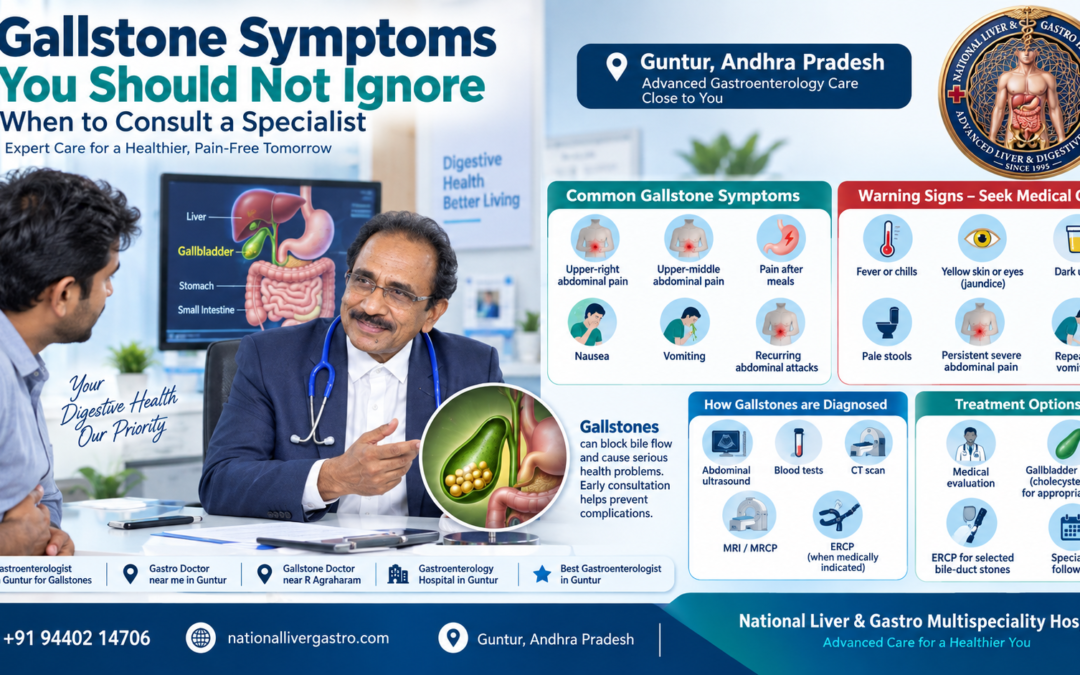
Quick answer: The most typical symptom of a gallstone attack is sudden or severe pain in the upper-right or middle abdomen. The pain may last for several hours and can be accompanied by nausea or vomiting. Fever, chills, jaundice, dark urine, pale stools or persistent severe pain can indicate a complication and require prompt medical evaluation.

Experiencing Possible Gallstone Symptoms?

Do not ignore recurring abdominal pain, vomiting or other warning signs. Discuss your symptoms with a qualified specialist.

Call +91 94402 14706 WhatsApp Us Book an Appointment

What Are Gallstones?

Gallstones are hard deposits that develop inside the gallbladder. They are commonly made from cholesterol or pigments such as bilirubin. Some people develop a single stone, while others may have several stones.

The gallbladder is a small organ located beneath the liver. It stores bile, a digestive fluid produced by the liver. After you eat, the gallbladder releases bile into the digestive tract.

Gallstones become a medical concern when they interfere with the normal movement of bile. A stone lodged in a bile duct can produce significant pain and may contribute to inflammation, infection or other complications.

Importantly, not every gallstone causes symptoms. Gallstones that are discovered incidentally and are not causing problems may not require treatment immediately. The appropriate approach depends on the individual’s symptoms and clinical findings.

What Does a Gallstone Attack Feel Like?

A gallstone attack, sometimes called biliary colic, commonly produces pain in the upper-right portion of the abdomen. The discomfort may also be felt in the middle upper abdomen.

The pain can be intense and persistent rather than coming and going like ordinary intestinal cramps. A gallbladder attack may occur after a meal, particularly a heavy meal, and can continue for several hours.

Some people also experience nausea or vomiting during an attack.

Possible Symptom What It May Feel Like
Upper abdominal pain Sudden or significant pain below the right ribs or in the upper middle abdomen.
Pain after eating Symptoms may occur after meals and can sometimes become noticeable following a heavy meal.
Nausea A sick or unsettled feeling that may occur with abdominal pain.
Vomiting Some people may vomit during a gallbladder attack.
Recurring attacks After one symptomatic attack, further episodes may occur.

Which Gallstone Symptoms Should You Not Ignore?

Not all abdominal pain means gallstones. However, certain symptoms deserve medical assessment, particularly when they occur together or keep returning.

1. Strong or Persistent Upper Abdominal Pain

Pain that is severe, persistent or lasts for several hours should not be routinely attributed to acidity or gas. Gallstones are one possible cause, but conditions involving the pancreas, liver, stomach and intestines can cause similar pain.

2. Nausea and Vomiting

Nausea and vomiting can accompany gallbladder attacks. Repeated vomiting is more concerning when it occurs with severe abdominal pain, fever, dehydration or other warning signs.

3. Fever or Chills

Fever or chills alongside abdominal pain can suggest inflammation or infection involving the gallbladder or bile ducts. This situation should be assessed promptly.

4. Yellow Skin or Eyes

Yellowing of the skin or whites of the eyes is known as jaundice. When it occurs with suspected gallstones, it can suggest that a stone is affecting bile flow and requires medical evaluation.

5. Dark Urine or Pale Stools

Changes in urine or stool colour can occur when bile is not flowing normally. These signs should be discussed with a doctor, especially when accompanied by abdominal pain or jaundice.

Important: Severe abdominal pain, persistent vomiting, fever or chills, jaundice, dark urine or other signs of a possible bile duct blockage require prompt medical assessment rather than waiting for symptoms to disappear.

Can Gallstones Cause Complications?

Yes. A gallstone can cause problems when it blocks the gallbladder outlet, common bile duct or another part of the biliary system.

Possible complications include inflammation of the gallbladder, blockage or infection of the bile ducts and inflammation of the pancreas caused by a stone blocking the pancreatic drainage pathway.

This is why recurring attacks should not be ignored simply because the pain eventually settles. A temporary improvement does not necessarily mean that the underlying problem has disappeared.

When Is It Time to See a Gastroenterologist for Gallstones?

A specialist consultation is appropriate when you have symptoms that may be related to gallstones, particularly if episodes are recurring or becoming more severe.

  • Repeated attacks of upper abdominal pain
  • Abdominal pain following meals
  • Nausea or vomiting associated with abdominal pain
  • Known gallstones found during an ultrasound or other scan
  • Fever or chills with suspected gallbladder symptoms
  • Yellowing of the skin or eyes
  • Dark urine or unusually pale stools
  • Abnormal liver blood tests
  • Suspected bile duct stones
  • Previous gallstone-related complications

A gastroenterologist can review your symptoms, previous reports and medical history and determine whether additional testing or treatment is appropriate.

How Are Gallstones Diagnosed?

Gallstone diagnosis usually starts with your symptoms and medical history. Your doctor may ask about the location and duration of abdominal pain, meal-related symptoms, vomiting, fever, jaundice and previous episodes.

A physical examination and appropriate laboratory or imaging tests may then be used to investigate the gallbladder and surrounding structures.

Ultrasound

Abdominal ultrasound is commonly used to look for gallstones. It is non-invasive and can provide information about the gallbladder and surrounding structures.

Blood Tests

Blood tests may help identify signs of inflammation or infection and may provide information about the liver, gallbladder and pancreas.

CT Scan

CT imaging may be considered when the doctor needs more information about the abdomen or wants to evaluate possible complications. A CT scan can detect some gallstones but may not identify every stone.

MRI and MRCP

MRI-based imaging can provide detailed views of the biliary system. In selected patients, an MRCP examination may help evaluate the bile ducts and look for stones or obstruction.

ERCP

Endoscopic retrograde cholangiopancreatography, or ERCP, combines endoscopic and X-ray techniques. It is used selectively, particularly when a stone is suspected or confirmed in the common bile duct and needs to be removed.

Test Purpose
Ultrasound Common first imaging test for detecting gallstones and evaluating the gallbladder.
Blood tests Can identify signs of inflammation, infection or abnormalities involving the liver or pancreas.
CT scan May help assess the abdomen and detect complications or some stones.
MRI / MRCP Provides detailed imaging of the biliary tract and can help identify duct stones.
ERCP Can be used selectively to treat certain bile duct stones.

What Happens After Gallstones Are Found?

Finding gallstones does not automatically mean that surgery is required. The next step depends on whether the stones are causing symptoms or complications.

People who have gallstones without symptoms may not need immediate treatment. On the other hand, recurrent gallbladder attacks or complications can require active treatment.

Key point: Treatment decisions should be based on symptoms, the location of the stones, possible complications and the doctor’s assessment—not simply on the presence of gallstones on a scan.

How Are Symptomatic Gallstones Treated?

When gallstones are causing symptoms or complications, treatment is usually recommended rather than relying only on temporary symptom relief.

Gallbladder Removal Surgery

The main definitive treatment for symptomatic gallstones is removal of the gallbladder, known as cholecystectomy. Laparoscopic surgery is commonly used when appropriate.

The gallbladder is not essential for normal digestion. After removal, bile continues to travel from the liver into the digestive tract.

ERCP for Bile Duct Stones

If a gallstone has moved into the common bile duct, an endoscopic procedure such as ERCP may be used to remove the stone. Further treatment of the gallbladder may also be considered depending on the patient’s condition.

Medicines and Non-Surgical Approaches

Non-surgical treatments are used only in selected situations and are not suitable for every patient. A specialist should determine whether such an approach is appropriate.

Because symptomatic gallstones can return or cause complications, treatment should be discussed with a qualified specialist rather than relying on home remedies alone.

Can Diet Prevent or Control Gallstone Symptoms?

Diet can play a role in overall gallstone risk and digestive comfort, but changing your diet does not reliably dissolve established gallstones.

A balanced eating pattern, adequate fibre, healthy weight management and regular physical activity can support general health. Rapid weight loss and very restrictive diets may increase the risk of gallstone formation.

If particular foods consistently trigger symptoms, discuss your diet with your healthcare professional. Avoiding a long list of foods without guidance can make it harder to maintain adequate nutrition.

Practical Gallstone-Friendly Habits

  • Maintain a healthy body weight through sustainable habits.
  • Avoid extreme crash diets and very rapid weight loss.
  • Choose a balanced diet with fibre-rich foods.
  • Limit heavily fried and very high-fat foods if they trigger symptoms.
  • Stay physically active according to your health status.
  • Seek medical advice if abdominal attacks keep recurring.

How Do You Choose a Gallstone Specialist in Guntur?

Choosing a specialist should involve more than searching for the closest clinic. Consider whether the doctor routinely manages gallbladder and biliary conditions and whether appropriate diagnostic and treatment services are available.

Look at Relevant Experience

Find out whether the specialist evaluates gallstones, gallbladder inflammation, bile duct stones and related digestive conditions.

Check Diagnostic Support

Ultrasound, blood testing and other investigations may be needed depending on your symptoms. Access to appropriate diagnostic services can make the evaluation process more efficient.

Consider Treatment and Follow-Up

Ask how the hospital manages patients who need further investigation, endoscopic treatment, surgery or continued follow-up. A complete care pathway can be useful when gallstones have caused recurrent symptoms.

Consider Location

Patients searching for a Gallstone Doctor near R Agraharam may prefer a convenient location, especially if repeat consultations or investigations are required.

Why Choose a Gastroenterology Hospital in Guntur for Gallstone Care?

Gallstone-related problems can range from uncomplicated symptomatic stones to conditions involving bile duct obstruction, infection or pancreatitis. The complexity of care can therefore vary considerably.

A Gastroenterology Hospital in Guntur can be a practical option when specialist consultation, diagnostic investigations and appropriate follow-up are needed.

Before your appointment, ask which services are available and whether the hospital can coordinate the investigations or procedures your doctor may recommend.

Need Gallstone Evaluation in Guntur?

Recurring abdominal pain, vomiting or jaundice should be medically evaluated rather than repeatedly treated as simple indigestion.

Call +91 94402 14706 WhatsApp Us View Location on Google Maps

When Should Gallstone Symptoms Be Treated as an Emergency?

Some gallstone symptoms require urgent attention because they can indicate an infection, obstruction or inflammation affecting the gallbladder, bile ducts or pancreas.

  • Sudden and severe abdominal pain
  • Abdominal pain that continues for several hours
  • Severe pain accompanied by repeated vomiting
  • Fever or chills with abdominal pain
  • Yellowing of the skin or eyes
  • Dark urine with suspected gallstone symptoms
  • Severe weakness or signs of dehydration
  • Severe abdominal pain spreading to the back with vomiting

Do not wait for a routine appointment when symptoms are severe. Urgent assessment is particularly important when abdominal pain occurs with fever, jaundice, persistent vomiting or other signs of a possible complication.

Gallstone and Digestive Care at National Liver & Gastro Multispeciality Hospital

National Liver & Gastro Multispeciality Hospital in Guntur provides specialist evaluation and management for gastrointestinal and liver-related concerns.

Patients experiencing recurring upper abdominal pain, digestive discomfort, suspected gallstones or related symptoms can discuss their condition with a qualified specialist and determine whether diagnostic investigations are appropriate.

Depending on the clinical situation, evaluation may involve blood tests, ultrasound or other imaging and, when required, endoscopic or surgical treatment through an appropriate care pathway.

To learn more about available services, visit the National Liver & Gastro Multispeciality Hospital website or contact the hospital at +91 94402 14706.

Frequently Asked Questions About Gallstones

What are the most common symptoms of gallstones?

The most common symptom of symptomatic gallstones is pain in the upper-right or upper-middle abdomen. A gallstone attack may also cause nausea or vomiting and can last for several hours.

Where does gallstone pain usually occur?

Gallstone pain commonly occurs in the upper-right area of the abdomen or the upper middle abdomen. The exact location and intensity can vary, and similar pain can be caused by other digestive conditions.

How long does gallstone pain last?

A gallbladder attack can last for several hours. Pain that is severe or persistent should be medically assessed, particularly when it occurs with vomiting, fever or jaundice.

Can gallstones cause nausea and vomiting?

Yes. Nausea and vomiting can occur during a gallbladder attack. Persistent vomiting together with significant abdominal pain requires prompt medical evaluation.

Can gallstones cause fever?

Fever can occur when gallstones lead to inflammation or infection involving the gallbladder or bile ducts. Fever or chills with suspected gallstone symptoms should be assessed promptly.

Can gallstones cause jaundice?

Yes. Jaundice can occur when a stone blocks the normal flow of bile. Yellowing of the skin or eyes with abdominal pain is an important warning sign and needs prompt medical attention.

How are gallstones diagnosed?

Doctors usually use your symptoms, medical history and physical examination along with blood tests and imaging. Ultrasound is commonly used to detect gallstones, while additional imaging or procedures may be used when a bile duct stone or complication is suspected.

Is ultrasound enough to diagnose gallstones?

Ultrasound is commonly the first imaging test for gallstones and is very useful for examining the gallbladder. Additional tests may be recommended when symptoms suggest a complication or a stone in the bile ducts.

Do all gallstones require surgery?

No. Gallstones that are not causing symptoms may not require immediate treatment. Symptomatic or complicated gallstones may require active treatment, with gallbladder removal being the usual definitive treatment for symptomatic gallstones.

What is the usual treatment for symptomatic gallstones?

The usual definitive treatment for symptomatic gallstones is removal of the gallbladder, known as cholecystectomy. The exact treatment plan depends on the patient’s symptoms, medical condition and whether stones are present in the bile ducts.

Can ERCP remove gallstones?

ERCP can be used selectively to remove a gallstone that has become lodged in the common bile duct. It is an endoscopic procedure used for specific bile duct problems rather than as a routine treatment for every gallstone.

Can gallstones cause pancreatitis?

Yes. A gallstone can block the pancreatic drainage pathway and cause gallstone pancreatitis. Severe abdominal pain, especially when accompanied by vomiting, requires urgent medical assessment.

What foods should I avoid with gallstones?

Some people notice that very fatty or heavily fried meals trigger digestive symptoms. A balanced diet with appropriate fibre and healthy weight management is generally recommended, while extreme dieting and rapid weight loss should be avoided.

How can I find a Gastro Doctor near me in Guntur?

Look for a qualified gastroenterology specialist or hospital that evaluates gallstones and related digestive conditions. Consider the doctor’s relevant experience, diagnostic support, treatment options, location and follow-up services.

Where can I find a Gallstone Doctor near R Agraharam?

Patients in and around R Agraharam can look for a qualified gastroenterology specialist in Guntur who evaluates gallbladder and bile duct conditions. Location is useful for convenience, but relevant expertise and access to appropriate diagnostic and treatment services should also be considered.

When should I see a Best Gastroenterologist in Guntur for gallstones?

Consider specialist evaluation when you have recurring upper abdominal pain, known gallstones with symptoms, repeated nausea or vomiting, abnormal liver tests, jaundice or other signs that may indicate a gallstone-related complication.

Do Not Ignore Repeated Gallstone Symptoms

Gallstones are not always a cause for concern. Many people have silent gallstones that never produce symptoms. The situation changes when a stone begins to interfere with bile flow or causes repeated painful attacks.

Upper abdominal pain, nausea and vomiting can be signs of a gallbladder attack, while fever, chills, jaundice, dark urine or persistent severe pain may point toward a more serious complication.

When these symptoms occur, timely specialist evaluation can help determine whether you need observation, additional testing, endoscopic treatment or gallbladder surgery.

If you are looking for a Gastroenterologist in Guntur for Gallstones , choose a healthcare setting where your symptoms can be properly evaluated and an appropriate treatment pathway can be discussed.

For patients searching for a Gastroenterology Hospital in Guntur , National Liver & Gastro Multispeciality Hospital can be contacted for information about consultation and available services.

Do You Have Recurring Gallstone Symptoms?

Get your abdominal pain and related symptoms evaluated instead of repeatedly assuming they are simple indigestion.

Call +91 94402 14706 WhatsApp Us View National Liver & Gastro Hospital

Medical Information Sources

This article is intended for general educational purposes and does not replace an individual medical consultation. Testing and treatment should be selected according to the patient’s symptoms, examination and medical history.

NIDDK – Symptoms & Causes of Gallstones

NIDDK – Diagnosis of Gallstones

NIDDK – Treatment for Gallstones

NIDDK – Eating, Diet & Nutrition for Gallstones

NHS – Gallstones

National Liver & Gastro Multispeciality Hospital

+91 94402 14706 | nationallivergastro.com

Guntur, Andhra Pradesh. View on Google Maps

Monday to Saturday, 9 AM to 8 PM

Medical disclaimer: This content is for general information only and is not a diagnosis or substitute for professional medical advice. Severe abdominal pain, persistent vomiting, fever, jaundice or suspected gallstone complications require prompt medical evaluation.

How to Choose a Gastroenterologist in Guntur for Persistent Digestive Problems

How to Choose a Gastroenterologist in Guntur for Persistent Digestive Problems

How to Choose a Gastroenterologist in Guntur for Persistent Digestive Problems

Digestive discomfort can happen to anyone, but symptoms that keep coming back deserve more attention than a quick home remedy or occasional medication. Repeated acidity, bloating, indigestion, stomach pain, constipation, diarrhea, nausea or changes in bowel habits may have different causes, and finding the reason is often more important than simply masking the symptoms.

Choosing the right specialist becomes especially important when digestive symptoms have continued for several weeks, are interfering with everyday activities or have failed to improve with previous treatment. A gastroenterologist can assess the pattern of your symptoms and decide whether further investigation is needed.

This guide explains how to choose a gastroenterologist in Guntur, what symptoms should prompt specialist care, which diagnostic facilities may matter, how to prepare for your appointment and what questions you should ask before selecting a doctor or hospital.

Quick answer: When choosing a gastroenterologist in Guntur, consider the doctor’s qualifications and relevant gastroenterology experience, the types of digestive conditions they manage, available diagnostic services, accessibility and follow-up care. Your choice should also match the nature and severity of your symptoms.

Persistent Digestive Symptoms?

Get a proper medical evaluation when stomach or digestive problems continue instead of repeatedly treating symptoms without knowing the underlying cause.

Call +91 94402 14706 WhatsApp Us Book an Appointment

When Should You See a Gastroenterologist for Digestive Problems?

Occasional gas or mild indigestion may not require specialist care. However, symptoms that are persistent, recurrent, unexplained or becoming more troublesome should be discussed with a qualified doctor.

Common symptoms that may justify a gastroenterology consultation include:

  • Frequent acidity or heartburn
  • Persistent indigestion
  • Recurring stomach or abdominal pain
  • Regular bloating or excessive belching
  • Nausea or repeated vomiting
  • Constipation that does not settle
  • Repeated or prolonged diarrhea
  • Unexplained changes in bowel habits
  • Difficulty or pain while swallowing
  • Loss of appetite
  • Unexplained weight loss
  • Blood in the stool or unusually dark stools

Indigestion can involve upper abdominal pain or burning, feeling full too quickly, bloating, nausea and belching. Because several digestive conditions can produce similar symptoms, persistent problems should be evaluated according to the complete clinical picture rather than assumed to be simple acidity.

What Does a Gastroenterologist Treat?

A gastroenterologist is a medical specialist who evaluates disorders affecting the digestive system. Depending on the patient’s symptoms, this can include problems involving the food pipe, stomach, small intestine, colon, liver, gallbladder, bile ducts and pancreas.

A consultation may be useful for concerns such as acid reflux, chronic indigestion, abdominal pain, constipation, diarrhea, gastrointestinal bleeding, swallowing difficulties and other digestive disorders.

Digestive Problem Common Symptoms Possible Evaluation
Acid reflux Heartburn, sour taste, regurgitation Symptom assessment and testing when required
Indigestion Upper abdominal discomfort, bloating, early fullness History, examination and selected tests
Abdominal pain Persistent or recurring stomach pain Assessment based on location, severity and associated symptoms
Bowel problems Constipation, diarrhea or changing bowel habits Blood tests, stool tests or further investigations when appropriate
Swallowing problems Difficulty or pain while swallowing Specialist examination and possible upper GI investigation
Digestive bleeding Blood in vomit or stool, black stools Prompt assessment and appropriate diagnostic investigation

How Do You Choose the Right Gastroenterologist in Guntur?

Searching online can give you many options, but choosing a doctor should involve more than reading a business name or comparing star ratings. Your symptoms, medical history and possible need for diagnostic procedures should guide the decision.

1. Check Gastroenterology Qualifications and Experience

Start by checking whether the doctor is appropriately qualified in gastroenterology and regularly evaluates digestive conditions similar to yours. Relevant experience matters particularly when symptoms are recurring or previous treatment has not produced lasting improvement.

You can review the doctor’s professional background, clinical areas of interest and hospital affiliation before booking your consultation.

2. Choose Based on Your Symptoms

The phrase Stomach Specialist in Guntur may appear in local searches, but stomach symptoms can sometimes involve organs beyond the stomach itself.

For example, persistent heartburn may require evaluation for reflux, while recurring abdominal pain may have several possible causes. Changes in bowel habits may require a different diagnostic approach.

A gastroenterologist should therefore look at the complete symptom pattern instead of treating one complaint in isolation.

3. Consider Diagnostic Facilities

A good consultation is only the first part of the process. Depending on your symptoms, the doctor may decide that blood tests, stool tests, ultrasound, upper GI endoscopy, colonoscopy, imaging or other investigations are appropriate.

Choosing a healthcare setting with access to suitable diagnostic services can make the evaluation process more convenient when further testing is required.

4. Ask About Endoscopy and Colonoscopy Services

Some persistent digestive complaints cannot be fully understood from symptoms alone. Upper GI endoscopy can allow a doctor to examine the esophagus, stomach and duodenum, while colonoscopy is used to examine the colon and rectum.

These procedures are not necessary for every patient. The decision depends on symptoms, age, medical history, warning signs and the doctor’s clinical assessment.

5. Look at Follow-Up Care

Digestive conditions do not always resolve after one appointment. Some patients may need medication adjustments, repeat testing or regular monitoring.

Before choosing a specialist, consider whether follow-up appointments are easy to arrange and whether the same healthcare team can review your reports and progress over time.

6. Consider Location and Accessibility in Guntur

Location is a practical factor, particularly for patients who may need repeat visits or diagnostic investigations. Searching for a Gastro Doctor near me in Guntur can help narrow the choices by convenience, but proximity should be considered alongside medical qualifications, services and follow-up availability.

Checklist Before Booking a Gastroenterology Appointment

  • Check the doctor’s relevant qualifications and gastroenterology experience.
  • Confirm that your symptoms are within the doctor’s area of practice.
  • Check whether important diagnostic services are available.
  • Ask about endoscopy or colonoscopy availability when clinically required.
  • Consider hospital location and ease of follow-up.
  • Keep your previous medical reports ready before the consultation.
  • Ask what symptoms should require urgent medical care.

What Tests May a Gastroenterologist Recommend?

Not every patient with digestive symptoms needs the same tests. A specialist usually begins with a detailed history, symptom review and physical examination before deciding what investigations are appropriate.

Blood Tests

Depending on the complaint, blood tests can help identify anemia, inflammation, infection, liver-related abnormalities and other findings that may provide clues to the cause of symptoms.

Stool Tests

Stool testing may be considered for selected patients, particularly when persistent diarrhea, gastrointestinal bleeding, infection or intestinal inflammation is suspected.

Ultrasound and Other Imaging

Imaging may be used when the doctor needs more information about abdominal organs such as the liver, gallbladder, pancreas or intestines.

Upper GI Endoscopy

Upper GI endoscopy allows a specialist to examine the upper digestive tract using a flexible camera. It may be recommended when certain symptoms continue despite treatment or when the doctor needs to investigate problems such as inflammation, ulcers, bleeding or swallowing difficulties.

Colonoscopy

Colonoscopy is used to examine the large intestine and rectum. Depending on the patient’s situation, it may be considered for persistent bowel changes, bleeding, unexplained weight loss or other symptoms requiring evaluation.

H. pylori Testing

When appropriate, a doctor may recommend testing for H. pylori, a type of bacteria associated with some gastrointestinal conditions. Testing can involve methods such as stool testing, breath testing or examination of a biopsy obtained during endoscopy.

What Warning Signs Should Not Be Ignored?

Persistent digestive symptoms are not always dangerous, but certain warning signs can indicate the need for prompt medical assessment.

Seek prompt medical attention for symptoms such as: vomiting blood, black or tar-like stools, severe or constant abdominal pain, repeated vomiting, significant difficulty swallowing, unexplained weight loss, yellowing of the eyes or skin, or significant abdominal swelling.

These symptoms can occur with different medical conditions, so they do not establish a diagnosis by themselves. A qualified healthcare professional should evaluate the symptoms and determine the appropriate next step.

How Can You Prepare for Your Gastroenterologist Appointment?

Preparing a few important details before your consultation can help make the appointment more productive. Your doctor needs to understand not only what you feel, but also when the problem started and how it has changed.

  1. Write down when the symptoms first appeared.
  2. Note how often they occur and how long they last.
  3. Record foods, medicines or situations that appear to make symptoms worse.
  4. Bring previous blood reports, scans, prescriptions and endoscopy reports.
  5. Prepare a list of medicines, supplements and over-the-counter products you use.
  6. Mention previous digestive conditions or procedures.
  7. Tell the doctor about unexplained weight loss, bleeding or changes in bowel habits.

Details about appetite, bowel movements, stool appearance, vomiting, swallowing difficulties and abdominal pain can help the specialist decide whether additional investigation is needed.

Why Can a Gastroenterology Hospital in Guntur Be Useful?

Patients with persistent digestive symptoms may need more than a consultation. Depending on the condition, they may need laboratory testing, imaging, endoscopy, colonoscopy, medication management or follow-up.

A dedicated Gastroenterology Hospital in Guntur can be convenient when specialist consultation and related diagnostic services are available through the same healthcare setting.

This can be particularly useful when a digestive condition requires several stages of evaluation or ongoing monitoring. However, the exact services available should always be confirmed directly with the hospital before your appointment.

How Do You Find a Digestive Disease Specialist in Guntur?

A Digestive Disease Specialist in Guntur can help assess recurring problems involving the stomach, intestines and other parts of the digestive system.

When comparing specialists, look at the type of symptoms they commonly manage, their relevant qualifications, diagnostic capabilities, hospital affiliation and follow-up process.

It is also useful to bring all previous medical information rather than starting the evaluation from scratch. A complete history can help the specialist understand what treatment has already been tried and whether further investigation is appropriate.

What Questions Should You Ask Before Choosing a Gastroenterologist?

You do not need a long checklist, but a few practical questions can help you understand whether the doctor and healthcare setting are suitable for your needs.

Question Why It Matters
Do you evaluate symptoms like mine regularly? Helps you understand whether the doctor’s experience matches your concern.
Could I need any diagnostic tests? Helps clarify what the evaluation may involve.
Are endoscopy or colonoscopy services available if required? Useful when your symptoms may require further investigation.
How is follow-up managed? Important when treatment or monitoring may take time.
Which warning symptoms should make me seek urgent care? Helps you understand when symptoms should not be delayed.

Looking for Specialist Digestive Care in Guntur?

Persistent acidity, indigestion, abdominal pain or bowel changes deserve appropriate evaluation when they continue.

Call +91 94402 14706 WhatsApp Us View Location on Google Maps

Gastroenterology Care at National Liver & Gastro Multispeciality Hospital in Guntur

National Liver & Gastro Multispeciality Hospital in Guntur provides evaluation and management for digestive and liver-related conditions. Patients can discuss symptoms such as persistent indigestion, abdominal pain, acidity, bowel changes and other gastrointestinal concerns with a qualified specialist.

Depending on the symptoms and clinical assessment, the evaluation may involve medical history, examination, laboratory investigations, imaging or gastrointestinal procedures when required.

The goal of specialist care is not simply to reduce a symptom for a short period. The doctor can assess possible causes, decide whether additional testing is necessary and develop a treatment or monitoring plan suited to the individual patient.

For consultation information, contact +91 94402 14706 or visit the National Liver & Gastro Multispeciality Hospital website.

Frequently Asked Questions About Choosing a Gastroenterologist in Guntur

When should I see a gastroenterologist for digestive problems?

You should consider a gastroenterology consultation when digestive symptoms are persistent, recurring, unexplained or not improving with previous treatment. Ongoing abdominal pain, indigestion, reflux, vomiting, bowel changes, swallowing problems or unexplained weight loss may need specialist evaluation.

How do I choose a gastroenterologist in Guntur?

Check the doctor’s relevant qualifications, gastroenterology experience, the types of digestive conditions managed, available diagnostic services, location and follow-up arrangements. Your choice should reflect your symptoms and individual medical needs.

What does a gastroenterologist treat?

A gastroenterologist evaluates disorders involving the digestive system, including the esophagus, stomach, intestines, liver, gallbladder, bile ducts and pancreas. Common concerns include reflux, indigestion, abdominal pain, constipation, diarrhea and gastrointestinal bleeding.

Can a gastroenterologist treat acidity and acid reflux?

Yes. A gastroenterologist can evaluate persistent acidity, heartburn and acid reflux. If symptoms continue despite treatment or if warning signs are present, further medical evaluation may be recommended.

Do I need an endoscopy for persistent indigestion?

Not everyone with indigestion needs an endoscopy. The decision depends on symptoms, medical history, risk factors and warning signs. A gastroenterologist can determine whether an upper GI endoscopy or another investigation is appropriate.

Can a gastroenterologist help with constipation and diarrhea?

Yes. Persistent constipation or diarrhea can have different causes. A gastroenterologist can review your symptoms, medicines, medical history and previous test results and decide whether further tests are needed.

What are the warning signs of a serious digestive problem?

Warning signs can include vomiting blood, black or tar-like stools, severe constant abdominal pain, repeated vomiting, difficulty swallowing, unexplained weight loss, yellowing of the eyes or skin and significant abdominal swelling. These symptoms should receive prompt medical attention.

How can I find a Gastro Doctor near me in Guntur?

Start by looking for qualified gastroenterology specialists and hospitals in your area. Compare relevant qualifications, experience, diagnostic services, accessibility and follow-up care instead of relying only on online ratings.

What should I look for in a Stomach Specialist in Guntur?

Look for appropriate gastroenterology qualifications, experience with your symptoms, access to relevant diagnostic services and a clear follow-up process. It is also useful to choose a specialist who reviews your complete medical history instead of focusing on one symptom.

Where can I find a Gastroenterology Hospital in Guntur?

National Liver & Gastro Multispeciality Hospital in Guntur provides specialist evaluation and management for digestive and liver-related conditions. You can call +91 94402 14706 or check the hospital’s Google Maps location before visiting.

Why should I consult a Digestive Disease Specialist in Guntur?

A Digestive Disease Specialist in Guntur can evaluate persistent or recurrent digestive symptoms and determine whether medication, lifestyle measures, laboratory testing, imaging or gastrointestinal procedures may be appropriate.

How should I prepare for a gastroenterology consultation?

Bring previous medical reports, prescriptions and a list of medicines or supplements you use. Also note when your symptoms began, how frequently they occur, what makes them worse and whether you have experienced weight loss, bleeding or bowel changes.

Can I choose the Best Gastroenterologist in Guntur based only on reviews?

Online reviews can provide information about a patient’s experience, but they should not be the only consideration. Qualifications, relevant experience, diagnostic support, accessibility and follow-up care are also important when selecting a gastroenterologist.

Choosing the Right Gastroenterologist Starts With the Right Questions

Persistent digestive symptoms can affect eating, sleep, work and everyday comfort. Repeatedly treating the same problem without understanding why it is happening may not be the most useful approach when symptoms continue.

When looking for a gastroenterologist in Guntur, consider the doctor’s qualifications, relevant clinical experience, diagnostic facilities, accessibility and follow-up approach. It is equally important to describe your symptoms accurately and bring previous medical records to the appointment.

Whether you are searching for a Gastro Doctor near me in Guntur, a Stomach Specialist in Guntur or a Digestive Disease Specialist in Guntur, focus on finding care that matches your individual symptoms and medical requirements.

For patients considering a Gastroenterology Hospital in Guntur, National Liver & Gastro Multispeciality Hospital provides specialist evaluation and management for digestive and liver-related concerns.

The term Best Gastroenterologist in Guntur is often used in local searches, but the most suitable specialist depends on your symptoms, diagnosis, medical history, treatment needs and the type of follow-up you require.

Need Help With Persistent Digestive Problems?

Speak with a qualified gastroenterology specialist and understand which next step is appropriate for your symptoms.

Call +91 94402 14706 WhatsApp Us View Hospital on Google Maps

Medical Information Sources

This article provides general educational information and does not replace an individual medical consultation. The need for tests, procedures or treatment should be determined by a qualified healthcare professional.
NIDDK – Symptoms & Causes of Indigestion

NIDDK – Diagnosis of Indigestion

NIDDK – Symptoms & Causes of GERD

NIDDK – Upper GI Endoscopy

American College of Gastroenterology – Patient Resources

National Liver & Gastro Multispeciality Hospital

+91 94402 14706 | nationallivergastro.com

Guntur, Andhra Pradesh. View on Google Maps

Monday to Saturday, 9 AM to 8 PM

Medical disclaimer: This article is for general educational purposes only and is not a diagnosis or substitute for professional medical advice. Seek prompt medical attention for severe symptoms, suspected gastrointestinal bleeding, significant swallowing difficulty or other serious warning signs.

Pancreatitis: Early Symptoms, Causes, Diagnosis and Treatment in Guntur

Pancreatitis: Early Symptoms, Causes, Diagnosis and Treatment in Guntur

A sudden pain starts in the upper part of your stomach. It is much stronger than ordinary acidity and seems to travel toward your back. You feel nauseous, you may vomit, and the pain does not settle after taking your usual gastric medicine.

This type of pain should not automatically be treated as indigestion.

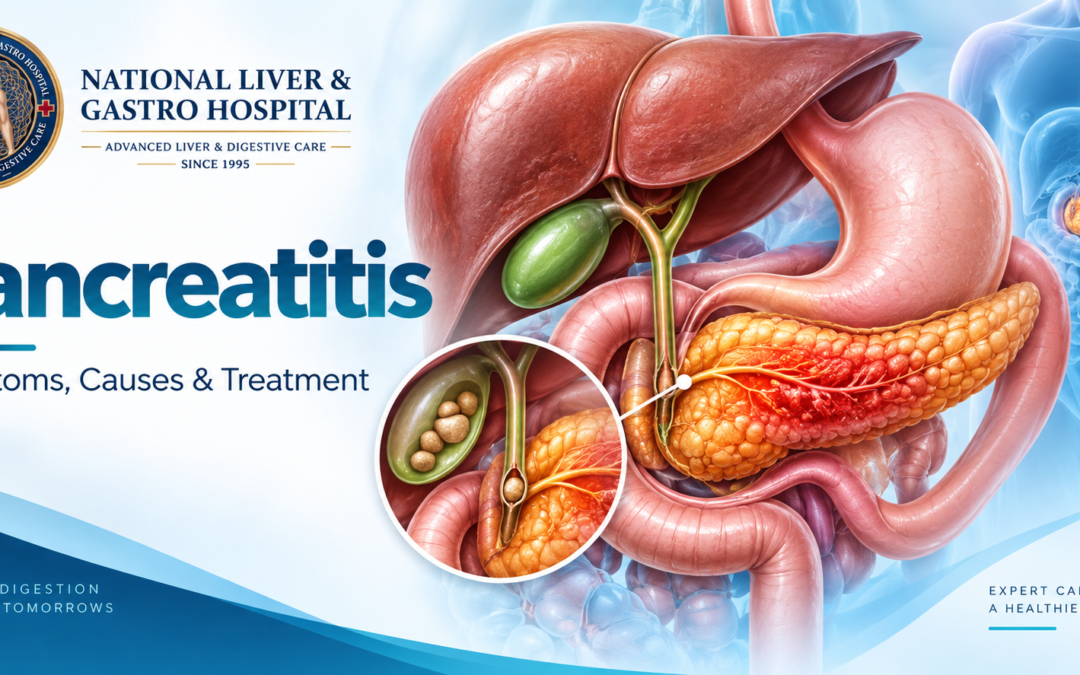
One possible cause is pancreatitis, an inflammation of the pancreas. The pancreas sits behind the stomach and plays an important role in digestion and blood sugar regulation.

Pancreatitis can happen suddenly as acute pancreatitis, or it can develop and continue over a longer period as chronic pancreatitis. Both conditions require proper medical evaluation because the severity and treatment can vary significantly from one person to another.

If you are searching for pancreatitis treatment in Guntur, understanding the symptoms, causes and diagnostic process can help you recognize when professional care is necessary.

Severe Upper Abdominal Pain Should Not Be Ignored

Persistent abdominal pain with vomiting, fever or pain spreading to the back needs prompt medical evaluation.

Call +91 94402 14706 WhatsApp Us Book an Appointment

What Is Pancreatitis?

Quick answer: Pancreatitis means inflammation of the pancreas. Acute pancreatitis develops suddenly and can range from mild to severe. Chronic pancreatitis is a long-term condition that can progressively damage the pancreas and affect digestion and other pancreatic functions.

The pancreas is located behind the stomach and has two major roles. It produces digestive enzymes that help break down food, and it produces hormones such as insulin that help regulate blood sugar.

Pancreatitis occurs when digestive enzymes begin causing damage and inflammation within the pancreas instead of functioning normally in the digestive tract.

The condition can be caused by several different problems. Gallstones and heavy alcohol use are among the important causes, while other causes include certain medicines, high blood fats, genetic conditions and some structural or medical problems involving the pancreas.

Acute vs Chronic Pancreatitis

Although both conditions involve inflammation of the pancreas, acute and chronic pancreatitis are not the same.

Feature Acute Pancreatitis Chronic Pancreatitis
Onset Usually develops suddenly Develops or continues over a longer period
Duration Short-term inflammation Long-lasting inflammation and pancreatic damage
Pain Often sudden and significant upper abdominal pain May be recurrent or persistent and can spread to the back
Common causes Gallstones, alcohol and other causes Heavy alcohol use, genetic factors and other pancreatic problems
Possible effects Can require urgent hospital treatment Can lead to lasting pancreatic damage and digestive problems

Acute pancreatitis can improve over several days in many patients when appropriately treated, while chronic pancreatitis can cause permanent damage and may require long-term management.

What Are the Early Symptoms of Pancreatitis?

The most characteristic symptom is pain in the upper abdomen. The pain may be mild or severe and can sometimes spread toward the back.

Other possible symptoms include:

  • Upper abdominal pain that starts suddenly
  • Pain that may spread to the back
  • Nausea and vomiting
  • Fever
  • Abdominal tenderness or swelling
  • Fast heartbeat
  • Loss of appetite
  • Digestive discomfort

With chronic pancreatitis, symptoms may also include repeated abdominal pain, diarrhea, nausea, vomiting, weight loss and greasy or foul-smelling stools caused by problems digesting and absorbing food.

What Does Pancreatitis Pain Feel Like?

Pancreatitis pain is usually felt in the upper abdomen. It can begin suddenly or gradually and may become severe.

In some people, the pain moves toward the back. Eating may make the pain worse, and some people find that changing position affects how the pain feels.

This is one reason pancreatitis can sometimes be confused with stomach ulcers, severe indigestion or other abdominal conditions.

Important: Severe or persistent upper abdominal pain, particularly when accompanied by vomiting, fever, rapid heartbeat, difficulty breathing or yellowing of the eyes or skin, requires urgent medical assessment. Severe pancreatitis can lead to serious complications.

What Causes Pancreatitis?

There is no single cause of pancreatitis. Doctors first try to identify what triggered the inflammation because treating the underlying cause can be an important part of preventing further problems.

1. Gallstones

Gallstones are one of the most common causes of acute pancreatitis. A stone can move from the gallbladder and become stuck in a bile or pancreatic duct, interfering with normal drainage and triggering inflammation of the pancreas.

This is why people with gallstones and sudden severe upper abdominal pain should not assume the problem is simply gastric acidity.

2. Heavy Alcohol Use

Heavy alcohol use is another important cause of pancreatitis and can contribute to both acute and chronic disease.

For people who have pancreatitis, medical guidance strongly recommends avoiding alcohol because continued alcohol use can increase the risk of recurrent episodes and progression to chronic disease.

3. High Triglycerides

Very high levels of blood triglycerides can be associated with pancreatitis. If pancreatitis occurs without an obvious cause, doctors may check blood lipid levels as part of the evaluation.

4. Certain Medicines

Some medicines can contribute to pancreatitis in susceptible individuals. This is why it is important to tell your doctor about every medicine, supplement and herbal product you are taking.

5. Genetic and Other Medical Causes

Some people have inherited conditions that increase their risk of pancreatic inflammation. Other possible causes include abdominal injury, infections, pancreatic duct abnormalities and certain pancreatic diseases. In some patients, the cause cannot be identified despite evaluation.

Can Gallstones Cause Pancreatitis?

Yes. This is an important connection between the gallbladder and pancreas.

The bile and pancreatic ducts are closely connected before they drain into the small intestine. A gallstone that blocks this drainage area can interfere with pancreatic secretions and trigger acute pancreatitis.

This condition is known as gallstone pancreatitis.

If a patient has pancreatitis caused by gallstones, treating the gallstone problem may become an important part of preventing another episode. Depending on the circumstances, doctors may recommend gallbladder surgery or an endoscopic procedure such as ERCP.

How Is Pancreatitis Diagnosed?

Pancreatitis cannot be diagnosed reliably from symptoms alone. Doctors usually combine your medical history, physical examination, blood tests and appropriate imaging to determine whether the pancreas is inflamed and to identify the possible cause.

Blood Tests

Blood testing may include pancreatic enzymes such as amylase and lipase. Doctors may also check blood glucose, triglycerides and other markers that can provide information about inflammation, infection or problems involving the liver, gallbladder and bile ducts.

Abdominal Ultrasound

Ultrasound can be particularly useful when doctors want to look for gallstones, which are an important cause of acute pancreatitis.

CT Scan

A CT scan can provide detailed images of the pancreas and surrounding structures and may help identify inflammation or complications.

MRCP

Magnetic resonance cholangiopancreatography, or MRCP, uses MRI technology to provide detailed images of the pancreas, gallbladder and bile ducts. It can be useful when doctors need to investigate possible duct blockage or another structural cause.

Endoscopic Ultrasound

Endoscopic ultrasound, or EUS, combines endoscopy with ultrasound to obtain detailed images of the pancreas and bile ducts. A gastroenterologist may recommend it when further evaluation is needed.

Test What It Can Help Identify
Blood tests Pancreatic enzyme elevation, inflammation, glucose and blood fat abnormalities
Ultrasound Gallstones and certain gallbladder or abdominal abnormalities
CT scan Pancreatic inflammation and possible complications
MRCP Detailed evaluation of the pancreas and bile ducts
Endoscopic ultrasound Detailed assessment of the pancreas and bile ducts

How Is Acute Pancreatitis Treated?

Acute pancreatitis can require hospital treatment, particularly when symptoms are significant. Treatment depends on the severity of the condition and its underlying cause.

Hospital management may include:

  • Intravenous fluids to prevent or treat dehydration
  • Medicines to control pain
  • Monitoring for complications
  • Appropriate nutritional support
  • Antibiotics when there is a relevant infection
  • Treatment of the underlying cause

Many cases of mild acute pancreatitis improve over several days with appropriate treatment, while severe cases may require longer hospital care and treatment for complications.

When Is ERCP Used for Pancreatitis?

ERCP stands for endoscopic retrograde cholangiopancreatography.

It combines upper gastrointestinal endoscopy with X-ray imaging and can be used to treat selected problems involving the bile and pancreatic ducts.

For example, if a gallstone becomes stuck in the common bile duct or near the drainage area shared by the bile and pancreatic ducts, ERCP may be used to remove the obstruction in appropriate cases.

ERCP is not required for every patient with pancreatitis. Your gastroenterologist will determine whether it is appropriate based on the cause and findings.

How Is Chronic Pancreatitis Managed?

Chronic pancreatitis is different from a single episode of acute pancreatitis. Long-term inflammation can cause lasting damage to the pancreas and affect its ability to produce digestive enzymes and hormones.

Management may involve:

  • Controlling abdominal pain
  • Stopping alcohol completely
  • Stopping smoking
  • Dietary and nutritional support
  • Pancreatic enzyme replacement when needed
  • Management of blood sugar problems
  • Treatment of pancreatic or bile duct blockages
  • Monitoring for complications

Some patients develop problems absorbing nutrients because the pancreas is no longer producing enough digestive enzymes. This can contribute to weight loss and changes in bowel movements.

What Should You Eat After Pancreatitis?

Diet after pancreatitis should be individualized according to the severity of the condition and your doctor’s recommendations.

In many cases, a healthy lower-fat eating pattern may be recommended, particularly during recovery. Small, regular meals can be easier to tolerate for some patients.

Foods That May Fit a Healthy Pancreas-Friendly Pattern

  • Fresh vegetables
  • Fruits in appropriate portions
  • Whole grains and high-fiber foods as tolerated
  • Dal and other legumes
  • Lean sources of protein
  • Low-fat dairy options when tolerated
  • Adequate fluids

Foods and Habits to Limit or Avoid

  • Alcohol
  • Smoking and tobacco
  • Very high-fat meals
  • Deep-fried foods
  • Large heavy meals
  • Highly processed foods
  • Excessively sugary foods and drinks

Do not make major dietary restrictions on your own after a serious pancreatic illness. Some patients require specialized nutritional support, particularly when chronic pancreatitis has affected digestion or caused significant weight loss.

Why Alcohol and Smoking Matter in Pancreatitis

Alcohol and smoking are particularly important because both can increase the risk of pancreatic problems.

For people with pancreatitis, healthcare professionals strongly advise avoiding alcohol. Smoking cessation is also strongly recommended because smoking can contribute to progression toward chronic pancreatitis and may increase other pancreatic risks.

If stopping alcohol or tobacco is difficult, discuss it openly with your doctor. Getting appropriate support is more useful than trying to manage the problem alone.

Is Pancreatitis Dangerous?

Pancreatitis can range from a mild illness that improves with treatment to a severe condition involving complications.

Potential complications can involve the pancreas, bile ducts and other organs. Severe inflammation may require intensive medical care and a longer hospital stay.

This is why sudden severe abdominal pain should not be dismissed as gas or acidity, particularly when it is accompanied by vomiting, fever, rapid heartbeat, breathing difficulty or jaundice.

Emergency warning: If you develop sudden severe abdominal pain that does not settle, especially with repeated vomiting, fever, yellow eyes, difficulty breathing or pain spreading to the back, seek urgent medical care.

When Should You See a Pancreas Specialist in Guntur?

You should arrange a gastroenterology evaluation if you experience repeated or unexplained upper abdominal pain, especially when the pain travels toward the back.

A specialist consultation is particularly important if you have:

  • Repeated episodes of upper abdominal pain
  • Severe pain after eating
  • Persistent nausea or vomiting
  • A history of gallstones
  • High triglyceride levels
  • Previous pancreatitis
  • Unexplained weight loss
  • Greasy or unusually foul-smelling stools
  • Diabetes developing alongside pancreatic symptoms
  • Abnormal pancreatic or liver blood tests

If you are searching for a pancreas specialist in Guntur, an appropriate evaluation can help determine whether your symptoms require pancreatic testing, gallbladder evaluation, endoscopy, imaging or another form of treatment.

Looking for Pancreatitis Treatment in Guntur?

Persistent or severe upper abdominal pain deserves proper evaluation. Discuss your symptoms and medical history with a gastroenterology specialist.

Call +91 94402 14706 WhatsApp Us View Location on Google Maps

Pancreas and Gastroenterology Care at National Liver & Gastro Hospital

At National Liver & Gastro Multispeciality Hospital in Guntur, patients with abdominal pain and digestive problems can receive gastroenterology evaluation based on their symptoms, medical history and appropriate diagnostic investigations.

Pancreatic symptoms can overlap with gallbladder disease, ulcers, gastritis and other digestive conditions. Finding the underlying cause is therefore an important part of appropriate treatment.

If pancreatitis is suspected, your doctor can assess the severity of the condition, look for possible causes such as gallstones and determine whether further imaging or specialist treatment is needed.

You can also check the hospital’s Google Business Profile for the location and directions.

Frequently Asked Questions About Pancreatitis

What is pancreatitis?

Pancreatitis is inflammation of the pancreas. It can be acute, meaning it develops suddenly, or chronic, meaning it continues over a longer period and can cause lasting pancreatic damage.

What is the main symptom of pancreatitis?

The main symptom is usually pain in the upper abdomen. The pain may be severe and can spread toward the back. Nausea and vomiting are also common symptoms.

Can gallstones cause pancreatitis?

Yes. Gallstones are an important cause of acute pancreatitis. A stone can block a bile or pancreatic duct and trigger inflammation of the pancreas.

Can pancreatitis be caused by alcohol?

Yes. Heavy alcohol use is an important cause of pancreatitis. People with pancreatitis are strongly advised to avoid alcohol because continued use can increase the risk of further pancreatic problems.

How is pancreatitis diagnosed?

Doctors use symptoms, medical history, physical examination, blood tests and appropriate imaging. Tests may include pancreatic enzyme measurements, ultrasound, CT, MRCP or endoscopic ultrasound depending on the situation.

Can pancreatitis be cured?

Mild acute pancreatitis can often improve with appropriate treatment. Chronic pancreatitis is a long-term condition that can cause lasting damage and usually requires ongoing management.

Is pancreatitis an emergency?

Acute pancreatitis can be serious and generally requires prompt medical assessment. Severe or persistent abdominal pain with vomiting, fever, rapid heartbeat, breathing difficulty or jaundice needs urgent medical attention.

Can pancreatitis cause weight loss?

Chronic pancreatitis can cause weight loss, particularly when pancreatic damage affects digestion and nutrient absorption. Persistent unexplained weight loss should be evaluated by a doctor.

Can I drink alcohol after pancreatitis?

Medical guidance strongly recommends avoiding alcohol after pancreatitis. Your doctor can provide individual advice and support if stopping alcohol is difficult.

Where can I get pancreatitis treatment in Guntur?

National Liver & Gastro Multispeciality Hospital in Guntur provides gastroenterology evaluation for pancreatic and digestive conditions. You can call +91 94402 14706 or check the hospital location through Google Maps before visiting.

Do Not Mistake Pancreatic Pain for Ordinary Acidity

Acidity and indigestion are common, but severe or persistent upper abdominal pain deserves more careful attention, particularly when it travels toward the back or occurs with vomiting or fever.

Pancreatitis has several possible causes, and identifying the cause is an important part of treatment. Gallstones, alcohol, high triglycerides, medicines and other pancreatic conditions may require different approaches.

If you are experiencing recurring or severe symptoms, do not rely on self-medication alone. A gastroenterologist can evaluate your symptoms and determine whether pancreatic, gallbladder or another digestive condition is responsible.

If you are looking for pancreatitis treatment in Guntur, arrange a medical evaluation appropriate to your symptoms.

View National Liver & Gastro Hospital on Google Maps

National Liver & Gastro Multispeciality Hospital

+91 94402 14706 | nationallivergastro.com

Guntur, Andhra Pradesh. View on Google Maps

Monday to Saturday, 9 AM to 8 PM

Expert Gastroenterologist & Liver Specialist in Guntur | National Liver & Gastro Hospital

Expert Gastroenterologist & Liver Specialist in Guntur | National Liver & Gastro Hospital

Yellowing eyes that you keep telling yourself will pass. A dull ache under the right ribs after every heavy meal. Bloating, acidity and fatigue that have quietly become part of your routine. Most people wait months before acting on signals like these, and by then a simple problem has often become a complicated one. At National Liver & Gastro Multispeciality Hospital, you can consult an expert gastroenterologist and liver specialist in Guntur who focuses on finding the actual cause of your symptoms, not just calming them for a few days.

Since 1995, our hospital has been caring for families across Guntur and the wider Andhra Pradesh region with a single promise: honest diagnosis, modern technology and treatment that respects your time and your budget. Whether your concern is fatty liver, hepatitis, jaundice, chronic acidity, piles or an unexplained digestive complaint, you will be seen by specialists who deal with these conditions every single day.

Book Your Consultation With a Liver & Gastro Specialist

Same-week appointments available. Mon to Sat, 9 AM to 8 PM.

📅 Book Appointment 📞 Call +91 94402 14706 💬 WhatsApp Us

Why a Specialist Matters More Than You Think

Liver and digestive problems are unusually good at hiding. The liver in particular has almost no pain nerves of its own, which is why fatty liver and early hepatitis can progress for years with nothing more than tiredness to show for it. General medicines may settle the surface symptom while the underlying condition keeps advancing quietly.

A gastroenterologist is trained specifically in the digestive tract and liver, and works with equipment built for this system alone. That means an endoscope rather than guesswork, a Fibroscan rather than assumptions, and a treatment plan built around what your reports actually show. Choosing an experienced liver specialist in Guntur early usually means simpler treatment, fewer medicines and a far better long-term outcome.

Worth knowing: Non-alcoholic fatty liver disease now affects roughly one in three Indian adults, and a large share of them have never had a liver test. Most cases are fully reversible when caught in the early stages.

Experienced Hands, Three Decades of Practice

Our gastroenterology department is led by senior specialists with more than 30 years of clinical experience in liver and digestive medicine. Over those years they have handled everything from routine acidity to advanced cirrhosis, complex biliary problems and emergency gastrointestinal bleeding.

What patients tell us they value most is not the machinery, it is the conversation. You will be told what your reports mean in plain language, what your options are, what each option costs and what happens if you choose to wait. No pressure, no unnecessary tests, no vague answers. That approach is the reason so many families in the region search for the best gastro hospital near me in Guntur and end up with us on a neighbour’s recommendation.

Liver Conditions We Diagnose and Treat

  • Fatty liver disease: Both alcoholic and non-alcoholic, with a structured plan covering diet, weight, sugar control and follow-up scans.
  • Hepatitis A, B, C and E: Accurate viral testing, antiviral therapy where indicated, and long-term monitoring to protect liver function.
  • Jaundice: Careful evaluation to separate liver causes from bile duct blockage, gallstones or blood-related causes.
  • Liver cirrhosis: Staging, complication management including ascites and varices, and close ongoing supervision.
  • Alcohol-related liver damage: Non-judgemental assessment, medical support and a realistic recovery pathway.
  • Abnormal liver function tests: Investigation of raised SGPT, SGOT or bilirubin picked up in routine health checks.
  • Liver masses and lesions: Imaging-based evaluation and timely referral where specialised intervention is needed.

Digestive and Stomach Problems We Handle

  • Chronic acidity, gastritis and GERD: For patients stuck on antacids month after month without lasting relief.
  • Stomach and duodenal ulcers: Including H. pylori testing and complete eradication treatment.
  • Irritable bowel syndrome and chronic constipation: Managed through diet, gut-directed therapy and lifestyle correction.
  • Piles, fissure and fistula: Assessment and treatment of bleeding and pain during bowel movements.
  • Pancreatitis and gallbladder disease: Evaluation of upper abdominal pain linked to the pancreas or gallstones.
  • Inflammatory bowel disease: Long-term care for ulcerative colitis and Crohn’s disease.
  • Gastrointestinal bleeding: Prompt endoscopic evaluation of blood in vomit or black stools.

Advanced Diagnostics Under One Roof

Running between a clinic, a scan centre and a laboratory wastes days you may not have. Everything you need sits inside our hospital, which means faster reports and faster decisions.

Upper GI Endoscopy

A slim flexible camera examines the food pipe, stomach and upper intestine directly. It identifies ulcers, inflammation, narrowing and bleeding points, and biopsies can be taken in the same sitting. Our endoscopy and colonoscopy services in Guntur are performed with sedation for comfort.

Colonoscopy

Essential for persistent altered bowel habits, rectal bleeding, suspected colitis and colon cancer screening in patients above 45 or those with a family history.

Fibroscan and Liver Imaging

A painless scan that measures liver stiffness and fat content in minutes, with no needle involved. It is one of the most useful tools we have for tracking whether fatty liver treatment in Guntur is genuinely working.

ERCP and Therapeutic Procedures

Advanced endoscopic procedures for bile duct stones, blockages and strictures, avoiding open surgery in many cases.

Symptoms You Should Never Postpone

Please book a consultation if any of these have been present for more than two weeks:

  • Yellowing of the eyes, skin or dark-coloured urine
  • Pain or heaviness in the upper right abdomen
  • Blood in vomit, or black and tarry stools
  • Persistent acidity or heartburn that medicines no longer control
  • Swelling of the abdomen or legs
  • Weight loss or appetite loss you cannot explain
  • Ongoing tiredness with abnormal liver function reports
  • Difficulty swallowing or a sensation of food sticking

These signs do not always mean something serious. They do always mean it is worth checking properly, once, and settling the question.

Not Sure Which Test You Need?

Talk to our team first. We will guide you before you spend on anything.

📞 Call Now 💬 WhatsApp 📍 Get Directions

What Happens on Your First Visit

  1. A proper conversation. Your symptoms, food habits, medicines, family history and past reports. Most of the diagnosis begins here.
  2. Clinical examination. A focused abdominal and general check to narrow down the likely causes.
  3. Only the tests you need. If blood work and a scan will answer the question, we will not push you towards an endoscopy.
  4. A clear explanation. Your diagnosis, in Telugu, Hindi or English, explained until you are satisfied you understand it.
  5. A written plan. Medicines, diet guidance, and the date of your next review so nothing is left open-ended.

Why Patients Across Guntur Choose Us

  • 30+ years of specialist experience in liver and gastrointestinal medicine, serving the region since 1995.
  • Complete diagnostics in-house, from endoscopy and colonoscopy to Fibroscan, imaging and laboratory work.
  • Multispeciality backup including critical care, so complex cases are managed safely in one place.
  • Transparent costs discussed before any procedure, with no surprises afterwards.
  • Central Guntur location that is easy to reach from Vijayawada, Tenali, Narasaraopet, Mangalagiri, Sattenapalli and Chilakaluripet.
  • Open Monday to Saturday, 9 AM to 8 PM, with evening slots for working patients.

If you have been searching for a gastroenterologist near me or a liver doctor near me in Guntur, you can view our exact location, timings, photographs and patient reviews on our Google listing and get turn-by-turn directions in one tap.

Our Other Liver and Gastro Services in Guntur

Frequently Asked Questions

Who is the best gastroenterologist and liver specialist in Guntur?

National Liver & Gastro Multispeciality Hospital has served Guntur since 1995 with senior specialists carrying over 30 years of experience in liver and digestive care. The right choice for you depends on your condition, so the most useful first step is a consultation where your symptoms and reports are reviewed properly. Call +91 94402 14706 to book.

What is the difference between a gastroenterologist and a hepatologist?

A gastroenterologist treats the whole digestive system including the food pipe, stomach, intestines, pancreas and liver. A hepatologist focuses specifically on the liver, gallbladder and bile ducts. At our hospital both areas are covered, so you do not need separate appointments at different centres.

Can fatty liver be reversed completely?

In the early grades, yes. Grade 1 and many grade 2 cases improve substantially with weight reduction of around 7 to 10 percent, control of sugar and cholesterol, and stopping alcohol. Once significant fibrosis or cirrhosis has set in, the goal shifts to halting progression rather than full reversal, which is exactly why early testing matters.

Is endoscopy painful, and how long does it take?

The procedure itself usually takes five to ten minutes and is done under throat numbing or light sedation. Most patients describe mild pressure rather than pain. You will need to fast for about six hours beforehand, and you can go home the same day, ideally with someone accompanying you if sedation was used.

When should I see a liver specialist instead of a general physician?

See a specialist if you have jaundice, repeatedly abnormal liver function tests, fatty liver reported on a scan, known hepatitis B or C, a history of regular alcohol use, or abdominal swelling. Also consult one if digestive symptoms have persisted despite two or three courses of general treatment.

What should I bring to my first appointment?

Bring all previous blood reports, scan and endoscopy records, and the actual strips or boxes of every medicine you are currently taking, including ayurvedic and over-the-counter products. Many liver problems are linked to supplements or medicines patients do not think to mention.

Do you accept insurance and cashless treatment?

We work with major health insurance providers and government schemes. Coverage varies by policy and procedure, so please call +91 94402 14706 or message us on WhatsApp with your policy details and our team will confirm what applies in your case before you visit.

Where exactly is the hospital located and what are the timings?

We are located in Guntur, Andhra Pradesh, open Monday to Saturday from 9 AM to 8 PM. You can get directions on Google Maps, call +91 94402 14706, or message us on WhatsApp to confirm doctor availability before travelling.

Stop Guessing. Get a Clear Answer.

One consultation with an experienced liver and gastro specialist can settle months of worry.

📅 Book Appointment 📞 Call Now 💬 WhatsApp

National Liver & Gastro Multispeciality Hospital

📞 +91 94402 14706  |  🌐 nationallivergastro.com

📍 Guntur, Andhra Pradesh. View on Google Maps

🕒 Monday to Saturday, 9 AM to 8 PM

Disclaimer: This article is intended for general health awareness only and does not replace professional medical advice, diagnosis or treatment. Please consult a qualified gastroenterologist regarding your individual condition. Treatment outcomes vary from patient to patient.

Esophagus Diseases & Digestive Disorder Evaluation in Guntur | National Liver & Gastro Hospital

Esophagus Diseases & Digestive Disorder Evaluation in Guntur | National Liver & Gastro Hospital

Struggling with constant heartburn, food that feels stuck while swallowing, or a burning discomfort behind your chest that simply refuses to settle? These are not symptoms to shrug off. At National Liver & Gastro Multispeciality Hospital, we offer advanced esophagus diseases and digestive disorder evaluation in Guntur using modern gastroenterology investigations that identify the real reason behind your discomfort — so you receive the right treatment instead of guesswork.

Digestive problems affect nearly every part of daily life: what you eat, how you sleep, and how comfortable you feel through the day. When the esophagus — the muscular tube that carries food from your mouth to your stomach — is not working properly, even a simple meal can become a struggle. Our gastroenterology team in Guntur brings together accurate diagnosis, patient-focused care, and modern technology to help you get back to eating and living comfortably.

What Is Esophagus & Digestive Disorder Evaluation?

A digestive disorder evaluation is a step-by-step assessment used to find out why your digestive system is not functioning the way it should. Rather than treating symptoms blindly, our specialists look closely at the esophagus, stomach, and upper digestive tract to understand what is truly causing your discomfort.

This matters because the same symptom — say, chest pain or difficulty swallowing — can have several very different causes. A proper esophagus disease evaluation in Guntur ensures the diagnosis is accurate before any treatment plan begins. That single step often makes the difference between short-term relief and a lasting solution.

Ignoring ongoing digestive symptoms rarely makes them disappear. In many cases, conditions like acid reflux or Barrett’s esophagus develop slowly and quietly, which is why timely evaluation is so valuable. The earlier a problem is identified, the simpler and more effective the treatment usually is — and the more peace of mind you gain.

Esophagus & Swallowing Conditions We Evaluate

Our gastroenterology specialists at National Liver & Gastro Hospital in Guntur evaluate a wide range of esophagus and swallowing disorders, including:

  • Acid reflux disease (GERD): Frequent heartburn, sour taste, or acid moving back up into the food pipe.
  • Swallowing difficulty (dysphagia): A sensation of food getting stuck or trouble passing food and liquids down.
  • Barrett’s esophagus: Long-term acid exposure that changes the lining of the esophagus and needs careful monitoring.
  • Esophageal varices: Swollen veins in the esophagus, often linked to underlying liver disease, requiring prompt attention.
  • Esophageal ulcers: Painful sores in the food pipe that may cause bleeding or discomfort while eating.
  • Esophageal cancer: Early evaluation and screening for high-risk patients to support timely detection.
  • Hiatal hernia: When part of the stomach pushes up through the diaphragm, often worsening reflux.
  • Esophageal motility disorders: Problems with the muscle movements that push food down, including conditions like achalasia.

Advanced Diagnostic Tests We Use

Accurate answers come from accurate testing. Our hospital uses modern gastroenterology investigations to look inside the digestive tract and measure how it is working:

Upper GI Endoscopy

A thin, flexible tube with a small camera lets our gastroenterologist directly view the esophagus, stomach, and upper intestine. It helps detect inflammation, ulcers, narrowing, Barrett’s changes, and other problems — and biopsies can be taken during the same procedure if needed.

24-Hour pH Monitoring

This test measures how often and how long acid flows back into the esophagus over a full day. It is one of the most reliable ways to confirm acid reflux disease and to check whether reflux is truly behind your symptoms.

Esophageal Manometry

Manometry measures the strength and coordination of the muscle contractions that move food down the esophagus. It is essential for diagnosing swallowing difficulty and motility disorders such as achalasia.

Imaging Studies

Barium swallow studies and other imaging give a clear picture of the shape and movement of the esophagus, helping identify strictures, hernias, and structural issues that endoscopy alone may not fully reveal.

Not sure which test you need? You don’t have to decide on your own. Our specialists recommend the right investigation after understanding your symptoms and history. Book a gastro consultation and let us guide you.

What to Expect During Your Evaluation

Many patients feel anxious simply because they don’t know what will happen. We keep the process clear and reassuring from start to finish:

  • Detailed consultation: We begin by listening carefully to your symptoms, medical history, diet, and lifestyle. This conversation often reveals important clues.
  • Focused examination: A physical assessment helps our gastroenterologist decide which investigations will give the clearest answers.
  • Targeted tests: Only the tests you actually need are recommended — whether that is endoscopy, pH monitoring, manometry, or imaging.
  • Clear diagnosis & plan: We explain the findings in plain language and discuss a treatment plan that fits your condition and comfort.
  • Ongoing follow-up: Digestive care is not always a one-visit fix. We stay with you through recovery and monitoring where needed.

This structured, honest approach is exactly why so many families across Guntur trust National Liver & Gastro Hospital for their digestive disorder evaluation in Guntur.

Warning Signs You Should Not Ignore

It is time to see a gastroenterologist if you notice any of the following, especially if they last more than a couple of weeks:

  • Persistent heartburn or acid reflux despite medication
  • Difficulty or pain while swallowing food or liquids
  • A feeling of food getting stuck in the chest or throat
  • Unexplained weight loss or loss of appetite
  • Vomiting blood or passing black, tarry stools
  • Long-standing indigestion, chest discomfort, or chronic cough

Early evaluation often means simpler treatment and better outcomes. If these symptoms sound familiar, an esophagus and digestive disorder evaluation in Guntur is a smart, proactive step.

Why Choose National Liver & Gastro Hospital in Guntur?

When you search for a gastroenterologist near me in Guntur or the best gastro hospital near me, you want more than a clinic — you want experienced hands, modern equipment, and honest guidance. Here is what sets us apart:

  • Experienced gastroenterology specialists focused on liver and digestive care
  • Modern diagnostic technology — endoscopy, pH monitoring, manometry, and imaging under one roof
  • Patient-focused approach where your comfort and understanding come first
  • Clear, honest advice — you always know what a test is for and what your options are
  • Convenient location in Guntur for patients across the region

📍 Find us easily on the map: National Liver & Gastro Hospital on Google Maps — get directions, timings, and reviews in one click.

Our Other Gastroenterology & Liver Services

Beyond esophagus evaluation, National Liver & Gastro Hospital offers complete digestive and liver care in Guntur:

Frequently Asked Questions

What is an esophagus and digestive disorder evaluation?

It is a detailed assessment of your esophagus and upper digestive tract using tests like endoscopy, pH monitoring, manometry, and imaging to find the exact cause of symptoms such as reflux, chest pain, or difficulty swallowing.

Is upper GI endoscopy painful?

Endoscopy is generally well tolerated. It is done with numbing or light sedation to keep you comfortable, and most patients feel little more than mild pressure. The procedure usually takes only a few minutes.

When should I see a gastroenterologist for reflux?

If heartburn or acid reflux happens often, does not improve with basic medication, or comes with swallowing difficulty or weight loss, you should get evaluated. Persistent reflux can sometimes lead to complications, so early assessment is wise.

Do I need to fast before these tests?

Most upper GI tests require an empty stomach, so you will usually be asked to avoid food for several hours beforehand. Our team gives you clear, simple preparation instructions when you book your appointment.

Where can I get esophagus disease evaluation in Guntur?

National Liver & Gastro Multispeciality Hospital provides complete esophagus and digestive disorder evaluation in Guntur. You can message us on WhatsApp or call +91 94402 14706 to book your consultation.

Take the First Step Toward Comfortable Digestion

Don’t let discomfort control your day. Get an accurate diagnosis from Guntur’s trusted gastro specialists.

📅 Book Appointment 📞 Call Now 💬 WhatsApp

National Liver & Gastro Multispeciality Hospital

📞 +91 94402 14706  |  🌐 nationallivergastro.com

📍 View us on Google Maps

Follow Us

Facebook | Instagram | YouTube | LinkedIn | X

Disclaimer: This article is for general awareness only and is not a substitute for professional medical advice. Please consult a qualified gastroenterologist for diagnosis and treatment.