Your ultrasound report says “Grade 1 fatty liver” and the doctor told you not to worry. Your SGPT is slightly high. You feel fine apart from being tired most evenings and a little heavy on the right side after dinner. So you file the report away and carry on.
That report is the most useful warning your body will ever give you, and most people in Guntur ignore it for years. Fatty liver in its early stages is one of the very few liver conditions that can be completely reversed. Left alone, the same condition can quietly turn into fibrosis and then cirrhosis, and at that point reversal is no longer on the table. At National Liver & Gastro Multispeciality Hospital, our specialists provide structured fatty liver treatment in Guntur that focuses on measurable reversal, not on lifelong tablets.
This guide explains what your grade actually means, how long reversal realistically takes, what a South Indian diet plan for fatty liver looks like in practice, and when you genuinely need to see a liver specialist.
Worried About Your Liver Report?
Bring your ultrasound and blood reports. We will tell you exactly where you stand. Mon to Sat, 9 AM to 8 PM.
Quick answer: Fatty liver disease means more than 5 percent of your liver weight is made up of stored fat. When this happens without significant alcohol intake it is called non-alcoholic fatty liver disease or NAFLD, now increasingly referred to as metabolic dysfunction-associated steatotic liver disease. In its early grades it causes no pain and no visible symptoms, and it is fully reversible with the right treatment plan.
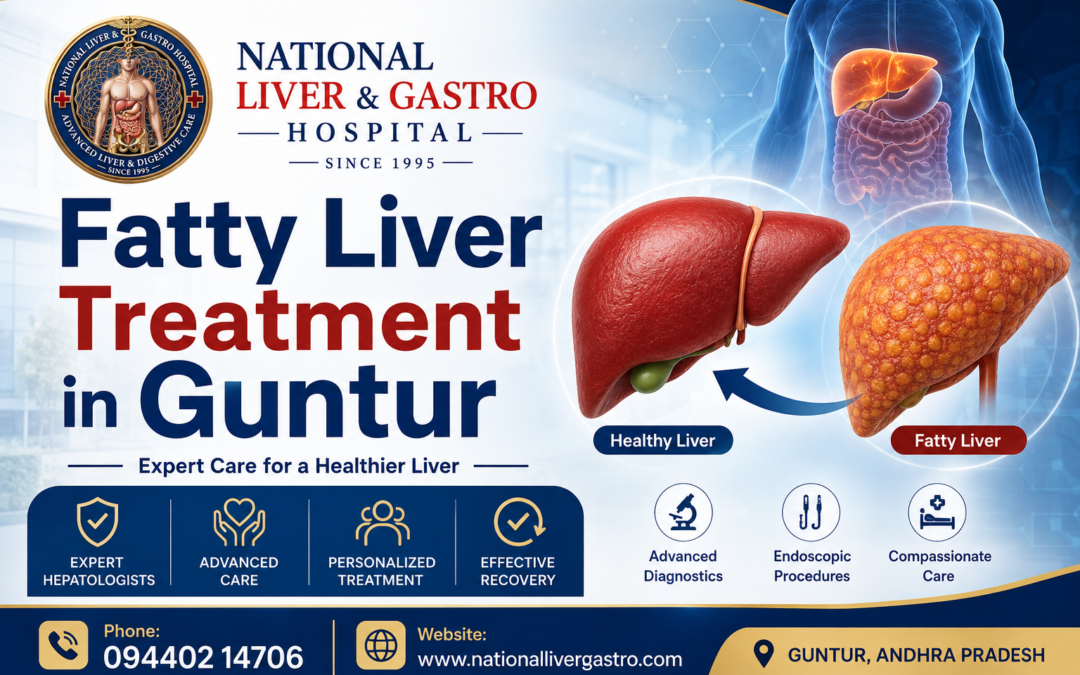
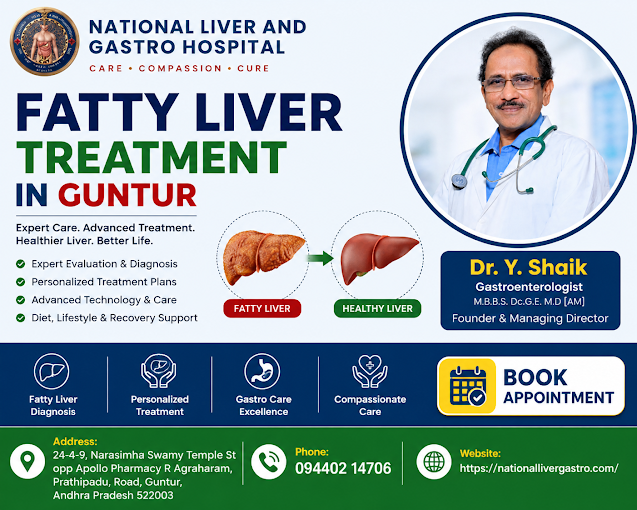
A healthy liver contains almost no fat. When your body receives more sugar, refined carbohydrate and calories than it can burn, the liver converts the excess into fat and stores it inside its own cells. Over time these fat-loaded cells become inflamed. Inflammation leads to scarring. Scarring that continues for years becomes cirrhosis.
The important part is that this process moves slowly and stops the moment the underlying cause is corrected. That is why a patient who acts at grade 1 has a completely different outcome from one who acts at grade 3.
Your ultrasound report almost certainly mentions a grade. Here is what each one means in practical terms.
Grade
What it means
Reversal outlook
Grade 1 Mild
Slight increase in liver brightness on ultrasound. Fat content roughly 5 to 33 percent. Usually found by accident during a routine health check.
Almost always fully reversible in 3 to 6 months with diet, weight and sugar control.
Grade 2 Moderate
Clearly increased brightness, blood vessel walls inside the liver become harder to see. Fat content roughly 34 to 66 percent. Often with raised SGPT and SGOT.
Reversible in most patients within 6 to 12 months of consistent treatment and follow-up.
Grade 3 Severe
Liver appears markedly bright, deeper structures poorly visible. Fat content above 66 percent. Fibrosis may already be present.
Fat can still be reduced. If fibrosis has set in, the goal shifts to stopping progression and protecting remaining liver function.
Important: Ultrasound grading measures fat, not scarring. Two patients with identical grade 2 reports can have completely different levels of liver damage underneath. This is why a FibroScan matters, and why a grade on paper is never the full picture.
Why Fatty Liver Is So Common in Andhra Pradesh
We see fatty liver in patients across Guntur every single day, including many who are slim, vegetarian and have never touched alcohol. There are clear reasons for this.
A rice-heavy plate. Large portions of white rice at both lunch and dinner deliver a steady refined carbohydrate load that the liver converts directly into fat.
Reused frying oil. Tiffin items, bajji, mirchi bajji, punugulu and pakoda fried in repeatedly heated oil increase oxidative stress on liver cells.
The thin-fat pattern. Indians accumulate visceral fat around the liver and abdomen at much lower body weights than Western populations. A normal BMI does not protect you.
Diabetes and prediabetes. Insulin resistance is the single strongest driver of NAFLD, and Andhra Pradesh has a high diabetes burden.
Sugar in liquid form. Daily sweet tea, soft drinks, packaged fruit juices and energy drinks bypass every safety mechanism the liver has.
Long sitting hours in office, driving and shop-based work with almost no daily walking.
Symptoms of Fatty Liver You Should Not Ignore
Early fatty liver has no symptoms at all. That is precisely the problem. As it advances, these signs appear:
Constant tiredness and low energy even after full sleep
Dull ache, pressure or heaviness under the right ribs
Bloating, gas and heaviness after normal meals
Loss of appetite or early fullness
Unexplained weight gain around the abdomen
Poor concentration and mental fog
Dark patches on the neck, underarms or knuckles, a sign of insulin resistance
Nausea or mild discomfort after oily food
These later signs need urgent evaluation: yellowing of the eyes or skin, swelling of the abdomen or legs, blood in vomit, black stools, or confusion and disturbed sleep patterns.
Who Is at Risk?
Type 2 diabetes or prediabetes, present in a very large share of our fatty liver patients
Waist above 90 cm in men or 80 cm in women, regardless of overall weight
High triglycerides or low HDL cholesterol
PCOS in women, which is strongly linked with NAFLD
Hypothyroidism
Obstructive sleep apnoea and heavy snoring
Long-term steroid, tamoxifen or amiodarone use
Rapid crash dieting or sudden extreme weight loss
Family history of liver disease or diabetes
How We Diagnose Fatty Liver at Our Hospital
An ultrasound alone is not a diagnosis. It is a starting point. Our full evaluation covers four things, all under one roof in Guntur.
1. Liver Function Tests and Metabolic Panel
SGPT, SGOT, GGT, bilirubin, albumin and platelet count, together with fasting sugar, HbA1c and a lipid profile. In NAFLD the SGPT is typically higher than the SGOT. We also rule out hepatitis B and C, thyroid disease and autoimmune causes, because fatty liver is a diagnosis of exclusion and not an assumption.
2. Ultrasound Abdomen
Confirms fat, assigns a grade, checks liver size, spleen size and gallstones, and looks for any focal lesion.
3. FibroScan with CAP Score
This is the test that changes management. It is painless, takes ten minutes, involves no needle and gives two numbers: liver stiffness in kilopascals, which tells us how much scarring exists, and the CAP score, which quantifies fat. It is the only practical way to know whether you have simple fat or fat plus fibrosis, and it lets us prove objectively that your treatment is working when we repeat it later.
4. Fibrosis Scoring
FIB-4 and NAFLD fibrosis score calculated from your age, platelets and enzymes to identify who needs closer monitoring. If any result raises concern about advanced disease or an alternative diagnosis, our liver specialist in Guntur will discuss further evaluation with you before anything is done.
Get Your Liver Properly Assessed in One Visit
Blood work, ultrasound and FibroScan available in the same building. No running between centres.
There is no tablet that dissolves liver fat. Any clinic promising that is selling you something. What genuinely reverses fatty liver is a small set of changes applied consistently, and the medical evidence behind them is strong.
Weight Reduction of 7 to 10 Percent
This is the most powerful treatment available. Losing 3 to 5 percent of body weight reduces liver fat. Losing 7 to 10 percent reduces inflammation and can reverse early fibrosis. For an 80 kg patient that is 6 to 8 kg, lost gradually over six months, not in six weeks. Crash dieting makes fatty liver worse, so the pace matters as much as the number.
Cutting Refined Carbohydrate and Fructose
Reducing white rice portions, wheat maida items, sugar and sweetened drinks lowers liver fat faster than reducing dietary oil does. Fructose from soft drinks and packaged juices is processed almost entirely by the liver and is a major contributor.
Movement Every Day
Brisk walking for 30 to 45 minutes on at least five days a week reduces liver fat even if your weight does not change. Adding two days of light resistance work, even body weight exercises, improves insulin sensitivity further.
Controlling Sugar, Cholesterol and Thyroid
If you have diabetes, bringing HbA1c under control does more for your liver than any liver supplement. Certain diabetes medications also improve liver fat, and your treatment plan should be coordinated rather than split across separate prescriptions.
Stopping Alcohol Completely
Even in non-alcoholic fatty liver, alcohol accelerates progression once fat is already present. There is no safe quantity while the liver is inflamed.
Reviewing Your Medicines and Supplements
Bring every strip, bottle and packet to your appointment, including ayurvedic and herbal products, protein powders and gym supplements. We regularly find liver enzyme abnormalities caused by products the patient never thought to mention.
On liver tonics: Vitamin E has evidence in selected non-diabetic patients with proven inflammation, and it should only be taken under supervision. Most over-the-counter liver syrups sold in India have no evidence of reversing fat and simply delay real treatment.
Fatty Liver Diet Plan for a South Indian Kitchen
Generic diet advice fails because nobody eats quinoa in Guntur. Here is what a realistic plan looks like using food already in your kitchen.
Dals and pulses, whole moong, chana, rajma, sprouts
Curd and buttermilk without sugar
Eggs and fish, especially small fish and any fatty fish
Millets, ragi, jowar, bajra, korra as partial rice replacements
Nuts in small quantity, almonds, walnuts, and unsweetened black coffee, which has genuine evidence of liver benefit
Reduce Sharply
White rice, keep to one cup per meal and always pair with dal, vegetables and curd
Idli, dosa and upma eaten in large quantities as the only breakfast
Deep fried tiffin items and anything fried in reused oil
Sweets, sugar in tea and coffee, jaggery in large amounts
Bakery items, biscuits, cakes, puffs and rusk
Avoid Completely
Soft drinks, packaged fruit juices, energy drinks
Alcohol in every form
Vanaspati, dalda and repeatedly reheated cooking oil
Instant noodles and packaged snacks
A Sample Day
Early morning: Warm water, soaked almonds, black coffee without sugar
Breakfast: Two ragi or oats idli with sambar, or two egg whites with one whole egg and one roti
Lunch: One cup rice or two millet rotis, dal, two vegetable dishes, curd, large salad first
Evening: Buttermilk, roasted chana, or one fruit such as guava or papaya
Dinner: Before 8 PM. Millet roti or a small portion of rice with vegetable curry and dal
How Long Does Fatty Liver Take to Reverse?
Patients ask this at every consultation, so here is an honest timeline based on what we see in our own follow-ups.
Timeline
What typically changes
Weeks 1 to 4
Energy improves, bloating and heaviness after meals reduce, sleep quality improves. No visible change on scan yet.
Months 2 to 3
SGPT and SGOT begin falling. Waist size reduces. Sugar readings stabilise.
Months 3 to 6
Repeat ultrasound often shows grade 2 moving to grade 1, or grade 1 clearing entirely. CAP score on FibroScan drops measurably.
Months 6 to 12
Early fibrosis can improve. Liver enzymes normalise in most patients who stayed consistent.
The patients who reverse it are not the ones with the strictest diet. They are the ones who came back for review at three months and six months instead of disappearing after the first prescription.
Common Myths We Correct Every Week
“I am thin, so I cannot have fatty liver.” Lean NAFLD is common in India and often carries a worse metabolic profile.
“I do not drink, so my liver is safe.” Non-alcoholic fatty liver is now the most common liver disease in the country.
“Fatty liver is normal, everyone has it.” It is common, which is not the same as harmless. It is now a leading cause of liver transplant.
“Grade 1 needs no treatment.” Grade 1 is the easiest stage to fix and the cheapest. Waiting only removes that advantage.
“Only oily food causes it.” Sugar and refined carbohydrate contribute more than cooking oil does.
“Normal LFT means my liver is fine.” Liver enzymes are normal in a significant number of patients who already have fibrosis.
When to See a Liver Specialist in Guntur
Book a consultation if any of the following apply to you:
Fatty liver reported on any ultrasound, at any grade
SGPT or SGOT above the normal range on two occasions
Fatty liver together with diabetes, prediabetes or high triglycerides
Right upper abdominal discomfort continuing beyond two weeks
Yellowing of eyes, dark urine or abdominal swelling
Known hepatitis B or C alongside fatty liver
A previous fatty liver diagnosis with no follow-up scan in the last year
Why Patients Across Guntur Choose National Liver & Gastro Hospital
Specialist-led liver care under Dr. Y. Shaik, with decades of clinical experience in gastroenterology and hepatology.
Complete diagnostics in-house, from laboratory and ultrasound to endoscopy, colonoscopy and liver assessment.
Structured follow-up with repeat testing so progress is measured, not guessed.
Diet counselling adapted to Telugu households, not copied from a foreign template.
Explanations in Telugu, Hindi or English until you fully understand your own condition.
Transparent costs discussed before any test or procedure.
Easy to reach from Vijayawada, Tenali, Narasaraopet, Mangalagiri, Sattenapalli, Chilakaluripet and Ponnur.
Open Monday to Saturday, 9 AM to 8 PM, with evening slots for working patients.
If you have been searching for fatty liver doctor near me or the best liver hospital in Guntur, you can check our exact location, timings, photos and patient reviews on our Google listing and get turn-by-turn directions in one tap.
Yes. Grade 1 fatty liver is fully reversible in the large majority of patients. With a 5 to 7 percent reduction in body weight, controlled sugar intake, daily walking and no alcohol, most patients show a clear ultrasound within three to six months. It is the easiest and cheapest stage at which to act, which is why an incidental grade 1 report should be treated as useful information rather than a reason to relax.
What is the best treatment for fatty liver in Guntur?
The most effective treatment is a supervised plan combining gradual weight reduction, a low refined carbohydrate diet, daily exercise, control of diabetes and cholesterol, and complete avoidance of alcohol, monitored with repeat liver tests and a FibroScan. At National Liver & Gastro Multispeciality Hospital in Guntur we build this plan around your reports and your actual eating pattern. Call +91 94402 14706 to book a consultation.
Which foods should I avoid with fatty liver?
Avoid alcohol, soft drinks and packaged juices, sweets and sugar, bakery and maida products, deep fried snacks made in reused oil, vanaspati, and large portions of white rice. Replace part of your rice with millets or ragi, increase vegetables and dals, and keep dinner light and before 8 PM.
How much does fatty liver treatment cost in Guntur?
Cost depends on the tests required. A specialist consultation, basic liver function tests and an ultrasound form the standard first assessment, with FibroScan added where scarring needs to be measured. We discuss every charge before it is done and never advise a test that will not change your treatment. Call or WhatsApp +91 94402 14706 for current charges.
Is fatty liver dangerous or serious?
In the early grades it is not dangerous, but it is a serious warning sign. Untreated fatty liver can progress to steatohepatitis, then fibrosis, then cirrhosis over ten to twenty years, and it also raises the risk of diabetes, heart disease and liver cancer. Caught early, this entire path is avoidable.
Can fatty liver occur in someone who never drinks alcohol?
Yes, and this is now the most common form. Non-alcoholic fatty liver disease is driven by insulin resistance, excess sugar and refined carbohydrate, abdominal fat, diabetes, PCOS and thyroid problems. Many of our fatty liver patients in Guntur are lifelong teetotallers and vegetarians.
What is a FibroScan and do I need one?
A FibroScan is a painless ten-minute scan that measures liver stiffness and fat content without any needle. Ultrasound tells us there is fat, but only a FibroScan tells us whether scarring has begun. It is particularly valuable if you have diabetes, grade 2 or grade 3 fatty liver, persistently raised enzymes, or a long history of fatty liver without follow-up.
Can fatty liver cause pain on the right side?
It can cause a dull ache or heaviness under the right ribs, usually because the liver has enlarged and is stretching its outer capsule. Sharp or severe pain in that area is more likely to be gallstones or another cause and should be examined promptly rather than assumed to be fatty liver.
Do I need to repeat my scan, and how often?
For grade 1 and grade 2, we usually repeat liver function tests at three months and an ultrasound or FibroScan at six months to confirm the plan is working. For grade 3 or where fibrosis is present, review is more frequent. Skipping follow-up is the single most common reason patients stay stuck at the same grade for years.
Where is the best liver hospital in Guntur and what are the timings?
National Liver & Gastro Multispeciality Hospital is located in Guntur, Andhra Pradesh and is open Monday to Saturday from 9 AM to 8 PM. You can get directions on Google Maps, call +91 94402 14706, or message us on WhatsApp to confirm doctor availability before you travel.
A Fatty Liver Report Is a Warning, Not a Verdict
One consultation can tell you whether you are looking at a simple, reversible problem or something that needs closer attention.
Disclaimer: This article is intended for general health awareness only and does not replace professional medical advice, diagnosis or treatment. Please consult a qualified gastroenterologist or hepatologist regarding your individual condition. Treatment outcomes vary from patient to patient.
Yellowing eyes that you keep telling yourself will pass. A dull ache under the right ribs after every heavy meal. Bloating, acidity and fatigue that have quietly become part of your routine. Most people wait months before acting on signals like these, and by then a simple problem has often become a complicated one. At National Liver & Gastro Multispeciality Hospital, you can consult an expert gastroenterologist and liver specialist in Guntur who focuses on finding the actual cause of your symptoms, not just calming them for a few days.
Since 1995, our hospital has been caring for families across Guntur and the wider Andhra Pradesh region with a single promise: honest diagnosis, modern technology and treatment that respects your time and your budget. Whether your concern is fatty liver, hepatitis, jaundice, chronic acidity, piles or an unexplained digestive complaint, you will be seen by specialists who deal with these conditions every single day.
Book Your Consultation With a Liver & Gastro Specialist
Same-week appointments available. Mon to Sat, 9 AM to 8 PM.
Liver and digestive problems are unusually good at hiding. The liver in particular has almost no pain nerves of its own, which is why fatty liver and early hepatitis can progress for years with nothing more than tiredness to show for it. General medicines may settle the surface symptom while the underlying condition keeps advancing quietly.
A gastroenterologist is trained specifically in the digestive tract and liver, and works with equipment built for this system alone. That means an endoscope rather than guesswork, a Fibroscan rather than assumptions, and a treatment plan built around what your reports actually show. Choosing an experienced liver specialist in Guntur early usually means simpler treatment, fewer medicines and a far better long-term outcome.
Worth knowing: Non-alcoholic fatty liver disease now affects roughly one in three Indian adults, and a large share of them have never had a liver test. Most cases are fully reversible when caught in the early stages.
Experienced Hands, Three Decades of Practice
Our gastroenterology department is led by senior specialists with more than 30 years of clinical experience in liver and digestive medicine. Over those years they have handled everything from routine acidity to advanced cirrhosis, complex biliary problems and emergency gastrointestinal bleeding.
What patients tell us they value most is not the machinery, it is the conversation. You will be told what your reports mean in plain language, what your options are, what each option costs and what happens if you choose to wait. No pressure, no unnecessary tests, no vague answers. That approach is the reason so many families in the region search for the best gastro hospital near me in Guntur and end up with us on a neighbour’s recommendation.
Liver Conditions We Diagnose and Treat
Fatty liver disease: Both alcoholic and non-alcoholic, with a structured plan covering diet, weight, sugar control and follow-up scans.
Hepatitis A, B, C and E: Accurate viral testing, antiviral therapy where indicated, and long-term monitoring to protect liver function.
Jaundice: Careful evaluation to separate liver causes from bile duct blockage, gallstones or blood-related causes.
Liver cirrhosis: Staging, complication management including ascites and varices, and close ongoing supervision.
Alcohol-related liver damage: Non-judgemental assessment, medical support and a realistic recovery pathway.
Abnormal liver function tests: Investigation of raised SGPT, SGOT or bilirubin picked up in routine health checks.
Liver masses and lesions: Imaging-based evaluation and timely referral where specialised intervention is needed.
Digestive and Stomach Problems We Handle
Chronic acidity, gastritis and GERD: For patients stuck on antacids month after month without lasting relief.
Stomach and duodenal ulcers: Including H. pylori testing and complete eradication treatment.
Irritable bowel syndrome and chronic constipation: Managed through diet, gut-directed therapy and lifestyle correction.
Piles, fissure and fistula: Assessment and treatment of bleeding and pain during bowel movements.
Pancreatitis and gallbladder disease: Evaluation of upper abdominal pain linked to the pancreas or gallstones.
Inflammatory bowel disease: Long-term care for ulcerative colitis and Crohn’s disease.
Gastrointestinal bleeding: Prompt endoscopic evaluation of blood in vomit or black stools.
Advanced Diagnostics Under One Roof
Running between a clinic, a scan centre and a laboratory wastes days you may not have. Everything you need sits inside our hospital, which means faster reports and faster decisions.
Upper GI Endoscopy
A slim flexible camera examines the food pipe, stomach and upper intestine directly. It identifies ulcers, inflammation, narrowing and bleeding points, and biopsies can be taken in the same sitting. Our endoscopy and colonoscopy services in Guntur are performed with sedation for comfort.
Colonoscopy
Essential for persistent altered bowel habits, rectal bleeding, suspected colitis and colon cancer screening in patients above 45 or those with a family history.
Fibroscan and Liver Imaging
A painless scan that measures liver stiffness and fat content in minutes, with no needle involved. It is one of the most useful tools we have for tracking whether fatty liver treatment in Guntur is genuinely working.
ERCP and Therapeutic Procedures
Advanced endoscopic procedures for bile duct stones, blockages and strictures, avoiding open surgery in many cases.
Symptoms You Should Never Postpone
Please book a consultation if any of these have been present for more than two weeks:
Yellowing of the eyes, skin or dark-coloured urine
Pain or heaviness in the upper right abdomen
Blood in vomit, or black and tarry stools
Persistent acidity or heartburn that medicines no longer control
Swelling of the abdomen or legs
Weight loss or appetite loss you cannot explain
Ongoing tiredness with abnormal liver function reports
Difficulty swallowing or a sensation of food sticking
These signs do not always mean something serious. They do always mean it is worth checking properly, once, and settling the question.
Not Sure Which Test You Need?
Talk to our team first. We will guide you before you spend on anything.
A proper conversation. Your symptoms, food habits, medicines, family history and past reports. Most of the diagnosis begins here.
Clinical examination. A focused abdominal and general check to narrow down the likely causes.
Only the tests you need. If blood work and a scan will answer the question, we will not push you towards an endoscopy.
A clear explanation. Your diagnosis, in Telugu, Hindi or English, explained until you are satisfied you understand it.
A written plan. Medicines, diet guidance, and the date of your next review so nothing is left open-ended.
Why Patients Across Guntur Choose Us
30+ years of specialist experience in liver and gastrointestinal medicine, serving the region since 1995.
Complete diagnostics in-house, from endoscopy and colonoscopy to Fibroscan, imaging and laboratory work.
Multispeciality backup including critical care, so complex cases are managed safely in one place.
Transparent costs discussed before any procedure, with no surprises afterwards.
Central Guntur location that is easy to reach from Vijayawada, Tenali, Narasaraopet, Mangalagiri, Sattenapalli and Chilakaluripet.
Open Monday to Saturday, 9 AM to 8 PM, with evening slots for working patients.
If you have been searching for a gastroenterologist near me or a liver doctor near me in Guntur, you can view our exact location, timings, photographs and patient reviews on our Google listing and get turn-by-turn directions in one tap.
Who is the best gastroenterologist and liver specialist in Guntur?
National Liver & Gastro Multispeciality Hospital has served Guntur since 1995 with senior specialists carrying over 30 years of experience in liver and digestive care. The right choice for you depends on your condition, so the most useful first step is a consultation where your symptoms and reports are reviewed properly. Call +91 94402 14706 to book.
What is the difference between a gastroenterologist and a hepatologist?
A gastroenterologist treats the whole digestive system including the food pipe, stomach, intestines, pancreas and liver. A hepatologist focuses specifically on the liver, gallbladder and bile ducts. At our hospital both areas are covered, so you do not need separate appointments at different centres.
Can fatty liver be reversed completely?
In the early grades, yes. Grade 1 and many grade 2 cases improve substantially with weight reduction of around 7 to 10 percent, control of sugar and cholesterol, and stopping alcohol. Once significant fibrosis or cirrhosis has set in, the goal shifts to halting progression rather than full reversal, which is exactly why early testing matters.
Is endoscopy painful, and how long does it take?
The procedure itself usually takes five to ten minutes and is done under throat numbing or light sedation. Most patients describe mild pressure rather than pain. You will need to fast for about six hours beforehand, and you can go home the same day, ideally with someone accompanying you if sedation was used.
When should I see a liver specialist instead of a general physician?
See a specialist if you have jaundice, repeatedly abnormal liver function tests, fatty liver reported on a scan, known hepatitis B or C, a history of regular alcohol use, or abdominal swelling. Also consult one if digestive symptoms have persisted despite two or three courses of general treatment.
What should I bring to my first appointment?
Bring all previous blood reports, scan and endoscopy records, and the actual strips or boxes of every medicine you are currently taking, including ayurvedic and over-the-counter products. Many liver problems are linked to supplements or medicines patients do not think to mention.
Do you accept insurance and cashless treatment?
We work with major health insurance providers and government schemes. Coverage varies by policy and procedure, so please call +91 94402 14706 or message us on WhatsApp with your policy details and our team will confirm what applies in your case before you visit.
Where exactly is the hospital located and what are the timings?
Disclaimer: This article is intended for general health awareness only and does not replace professional medical advice, diagnosis or treatment. Please consult a qualified gastroenterologist regarding your individual condition. Treatment outcomes vary from patient to patient.
The human liver is a quiet powerhouse. Operating around the clock without a single moment of rest, it executes more than 500 vital functions to keep your body balanced, energized, and free of toxins. From filtering out metabolic waste to storing essential vitamins, monitoring blood sugar levels, and manufacturing critical blood-clotting proteins, a healthy liver dictates the rhythm of your overall health. Yet, because the liver lacks pain receptors in its main tissue, it rarely complains until significant damage has already occurred. This “silent” nature makes liver health education absolutely paramount.
When searching for targeted medical intervention, finding the right care hub is crucial. National Liver and Gastro Hospital stands out as a highly trusted, state-of-the-art medical institution dedicated to diagnosing, managing, and reversing complex hepatic (liver) and digestive conditions. As the premier Liver Specialist Hospital in Guntur, our facility combines clinical excellence, cutting-edge technology, and compassionate patient care to safeguard your metabolic and gastrointestinal well-being.
Understanding the Architecture and Vital Functions of Your Liver
To appreciate why liver health matters, one must first understand what this incredible 3-pound organ accomplishes every second of the day. Strategically positioned in the upper right quadrant of your abdomen, just beneath your diaphragm, the liver functions as the primary chemical manufacturing and recycling plant of the body.
1. Detoxification and Filtration
Every single drop of blood leaving your stomach and intestines passes through the liver via the portal vein. The liver inspects this blood, breaking down medications, neutralizing environmental toxins, clearing out old or damaged blood cells, and converting poisonous ammonia into urea so it can be safely excreted by your kidneys.
2. Metabolic Regulation and Energy Storage
When you eat, your digestive system breaks carbohydrates down into glucose. The liver absorbs excess glucose from the blood and stores it as glycogen. When your blood sugar levels drop between meals or during an intense workout, the liver converts glycogen back into glucose to supply your cells with instant energy. It also processes lipids (fats) and packs them into lipoproteins for transport across the body.
3. Bile Production and Digestion
The liver continuously secretes a thick, greenish-yellow fluid called bile. Bile is stored in the gallbladder and squeezed into the small intestine whenever you consume fats. Without bile, your body would be completely incapable of breaking down dietary fats or absorbing fat-soluble vitamins such as A, D, E, and K.
4. Synthetic Functions
The liver acts as a master builder, synthesizing vital proteins found in your blood plasma. These include albumin—which prevents fluid from leaking out of your blood vessels into surrounding tissues—and clotting factors that ensure your body can properly halt bleeding after an injury.
Advanced Diagnostic Screenings: Insights from the Best Gastroenterology Hospital in Guntur
Because early-stage liver diseases are notoriously asymptomatic, routine health screenings and early diagnostic protocols are the single most effective defense against permanent organ damage. When you walk into the Best Gastroenterology Hospital in Guntur, your care team uses an array of sophisticated diagnostic modalities to construct an accurate baseline of your liver’s health profile.
A basic blood panel is often the first window into your liver’s internal state. An LFT measures specific enzymes and proteins that leak into the bloodstream when liver cells become inflamed or injured:
ALT (Alanine Transaminase): An enzyme found primarily inside liver cells. High levels point directly to acute liver injury.
AST (Aspartate Transaminase): Found in the liver, heart, and skeletal muscles; elevated levels help confirm tissue distress.
Bilirubin: A waste product from the breakdown of red blood cells. High levels cause jaundice (yellowing of the skin and eyes).
Albumin and Total Protein: Lower-than-normal levels indicate that the liver’s biosynthetic capacity has been compromised by chronic illness.
Non-Invasive Fibroscan (Transient Elastography)
Historically, determining the extent of liver scarring required an invasive needle biopsy. Today, specialized institutions utilize a Fibroscan. This advanced, completely painless ultrasound-based technology measures liver stiffness (which indicates fibrosis or scarring) and quantifies the exact percentage of fat accumulated within the liver tissue in just a matter of minutes.
High-Resolution Imaging
Abdominal ultrasounds, Computed Tomography (CT) scans, and Magnetic Resonance Imaging (MRI) allow clinicians to visually inspect the liver’s physical contours, detect structural abnormalities like tumors or cysts, and observe fluid dynamics within the portal venous system.
Reversing Steatotic Conditions: Accessing Fatty Liver Treatment in Guntur
One of the most widespread health crises of the modern era is Metabolic Dysfunction-Associated Steatotic Liver Disease (MASLD), historically known as Non-Alcoholic Fatty Liver Disease (NAFLD). This condition is characterized by an excessive buildup of neutral fats within the hepatocytes (liver cells) of individuals who consume little to no alcohol. Driven by modern sedentary lifestyles, ultra-processed diets, insulin resistance, and rising obesity rates, it is silent, progressive, and highly dangerous if ignored.
If you or a loved one are struggling with metabolic markers, seeking professional Fatty Liver Treatment in Guntur is an essential step toward recovery. When fat compromises more than 5% to 10% of your liver’s total weight, it triggers a cascade of cellular stress.
Simple Steatosis: Excess fat accumulates safely inside liver cells. At this initial stage, there is no active inflammation or tissue damage, and the condition is almost completely reversible through targeted lifestyle interventions.
Metabolic Dysfunction-Associated Steatohepatitis (MASH): The accumulation of fat crosses a critical threshold, triggering severe oxidative stress and chronic inflammation. Liver cells begin to swell, balloon, and die off.
Fibrosis: In response to persistent, unmitigated inflammation, the liver repeatedly attempts to heal itself. This ongoing repair cycle creates stiff, fibrous scar tissue around the affected liver cells, gradually reducing the organ’s native elasticity.
Cirrhosis: Years of progressive scarring culminate in irreversible, widespread structural damage. The liver shrinks, hardens, and struggles to perform its basic blood-filtering and metabolic tasks, potentially progressing to full liver failure or liver cancer.
Personalized Therapeutic Interventions
The cornerstone of treating steatotic liver conditions is a highly structured, medically monitored lifestyle overhaul. At National Liver and Gastro Hospital, clinicians build customized care plans that target the root metabolic drivers of fat accumulation.
A permanent weight loss of 7% to 10% of total body weight has been clinically proven to completely resolve cellular inflammation and significantly reduce early-stage fibrosis. Patients are guided away from high-fructose corn syrups and trans fats toward a Mediterranean-style dietary framework rich in complex whole grains, lean proteins, leafy green vegetables, and heart-healthy monounsaturated fats. Combining this with 150 minutes of moderate-intensity aerobic or resistance training per week dramatically enhances insulin sensitivity, helping the liver naturally clear out stored triglycerides.
Navigating Chronic Conditions: Advanced Liver Disease Treatment in Guntur
While metabolic fat accumulation is incredibly common, the liver is also vulnerable to a wide variety of other chronic ailments. These include viral infections, autoimmune attacks, genetic abnormalities, and toxic overloads. Accessing reliable, modern Liver Disease Treatment in Guntur ensures that no matter the root cause of your hepatic distress, you receive targeted, evidence-based care to halt disease progression.
Viral Hepatitis (Types A, B, C, D, and E)
Viral hepatitis remains a leading global cause of chronic liver illness and cirrhosis.
Hepatitis A and E are acute infections primarily transmitted through contaminated food and water supplies. They usually require supportive care, rest, and fluid monitoring.
Hepatitis B and C are blood-borne pathogens that cause chronic, life-threatening infections. Over several decades, they silently destroy liver tissue. Modern medical science has evolved incredibly: chronic Hepatitis C can now be completely cured in over 95% of patients using short courses of direct-acting antiviral (DAA) medications. Chronic Hepatitis B, while not entirely curable, can be effectively suppressed with daily antiviral drugs to completely halt its progression toward cirrhosis.
Alcoholic Liver Disease (ALD)
Chronic, excessive alcohol consumption is a direct toxin to liver tissue. The metabolic breakdown of alcohol releases highly reactive chemicals that damage liver cell membranes and disrupt fat metabolism. ALD progresses predictably from alcoholic fatty liver to alcoholic hepatitis (acute, life-threatening inflammation) and eventually to end-stage cirrhosis. Total, lifelong abstinence from alcohol, combined with robust nutritional rehabilitation and medical management, forms the baseline of recovery.
Autoimmune and Cholestatic Conditions
Sometimes, the body’s immune system mistakenly identifies its own liver tissues or bile ducts as foreign invaders. Conditions like Autoimmune Hepatitis, Primary Biliary Cholangitis (PBC), and Primary Sclerosing Cholangitis (PSC) cause chronic inflammation of the liver cells or slowly destroy the intricate biliary tree network. Managing these complex conditions requires long-term immune-modulating drugs and targeted bile-acid therapies to maintain proper bile flow and protect healthy tissue.
Consulting a Specialist: Finding the Best Liver Doctor in Guntur
When dealing with a highly complex organ like the liver, general medical advice is rarely sufficient. Partnering with the Best Liver Doctor in Guntur grants you access to deep clinical expertise, highly precise diagnostic interpretations, and tailored treatment protocols that can salvage compromised liver function.
An experienced hematologist looks far beyond individual lab numbers. They take into account your complete genetic background, underlying metabolic profile, vascular health, and lifestyle ecosystem. Whether you are dealing with an ambiguous elevation of liver enzymes, managing a long-standing viral infection, or navigating the complexities of advanced cirrhosis, having an expert guide you ensures that you avoid common treatment pitfalls and get onto the fastest path to healing.
Practical Strategies for Maintaining Optimal Liver Function
Preventative self-care is the ultimate foundation of long-term liver health. By adopting a few intentional habits, you can drastically reduce your lifetime risk of developing chronic hepatic conditions.
       [ LIVER HEALTH DOS ]                     [ LIVER HEALTH DON'TS ]
┌────────────────────────────────────────┐ ┌────────────────────────────────────────┐
│ ✔ Eat a Mediterranean-style diet       │ │ ✘ Overuse over-the-counter painkillers│
│ ✔ Maintain 150 min of exercise / week   │ │ ✘ Drink sugary sodas and fruit juices  │
│ ✔ Get vaccinated for Hep A and Hep B    │ │ ✘ Consume excessive amounts of alcohol │
│ ✔ Limit sodium to prevent fluid buildup│ │ ✘ Take unverified herbal supplements   │
└────────────────────────────────────────┘ └────────────────────────────────────────┘
1. Practice Strict Medication Stewardship
One of the most frequent causes of sudden, acute liver injury is drug-induced hepatotoxicity. Many people assume that over-the-counter medications are completely harmless. However, acetaminophen (commonly used for pain and fever relief) is a leading cause of acute liver failure worldwide when taken in high doses or mixed with alcohol. Always read medication labels carefully, never exceed the recommended daily dose, and consult your doctor before mixing multiple prescriptions.
2. Beware of Unverified Herbal Supplements
The global wellness market is flooded with detox teas, wellness cleanses, and unregulated herbal remedies that promise to “flush toxins” out of your body. In reality, your liver is your body’s built-in detox system—it does not need a commercial product to clean it. Many unregulated supplements contain heavy metals, toxic plant extracts, or unlisted chemical compounds that place an immense metabolic strain on your liver, occasionally inducing severe chemical hepatitis.
3. Prioritize Immunization and Safe Practices
Protect yourself against preventable viral infections by completing your regular vaccine series for Hepatitis A and Hepatitis B. Because Hepatitis B and C are transmitted via infected bodily fluids, always ensure that any medical needles, tattooing equipment, or piercing instruments you come into contact with are completely sterile. Avoid sharing personal care items like razors or toothbrushes.
4. Optimize Your Daily Nutrition
Your liver processes everything you swallow. Focus on adding liver-supportive foods to your daily meals:
Cruciferous Vegetables: Broccoli, Brussels sprouts, and cabbage contain natural compounds that enhance the liver’s natural detoxification pathways.
Coffee: Multiple large-scale clinical studies have shown that drinking 2 to 3 cups of black coffee per day significantly reduces your risk of developing liver scarring, cirrhosis, and hepatic cancer.
Hydration: Drinking plenty of water dilutes blood volume, helping your kidneys and liver process and flush out waste products much more efficiently.
Comprehensive Digestive Care: Consulting a Premier Liver Specialist in Guntur
Liver health is profoundly intertwined with the overall state of your gastrointestinal system. The gut and the liver maintain a continuous, bi-directional relationship known as the gut-liver axis. When your intestinal lining is compromised or your gut microbiome is wildly unbalanced, toxins and bacteria leak directly into the portal vein, traveling straight to the liver and triggering widespread inflammation.
When you work closely with a skilled Liver Specialist in Guntur, your care plan will naturally look at your entire digestive tract. Managing conditions like Irritable Bowel Syndrome (IBS), Small Intestinal Bacterial Overgrowth (SIBO), or Chronic Constipation is often an essential component of reducing the baseline metabolic workload of your liver cells.
By utilizing comprehensive treatment pathways at National Liver and Gastro Hospital, patients receive integrated medical oversight that addresses both hepatic and gastrointestinal health at the exact same time. This comprehensive care delivery ensures that you aren’t just treating isolated symptoms, but rather healing your digestive system from the inside out.
The Road Ahead: Embracing Proactive Hepatic Care
Your liver has an absolutely incredible capacity for cellular regeneration. It is the only organ in the human body that can completely rebuild itself from a tiny fraction of healthy remaining tissue. If a significant portion of the liver is surgically removed or damaged by disease, it can regenerate back to its original full size within just a few weeks, provided that widespread, permanent scarring (advanced cirrhosis) hasn’t already taken over.
This remarkable regenerative ability means that it is almost never too late to make positive changes. By adjusting your daily diet, embracing regular physical activity, avoids environmental and chemical toxins, and setting up routine preventative medical evaluations, you provide your liver with the exact environment it needs to heal, repair, and thrive for decades to come.
Do not wait for severe symptoms like unexplained chronic fatigue, dark urine, persistent abdominal swelling, or jaundice to appear before you start taking your liver health seriously. Be proactive. Take control of your metabolic health, schedule your baseline diagnostic checkups, and partner with a world-class medical team to protect your body’s most hard-working organ. Your liver has been looking after you your entire life—make sure you are finally taking the steps to look after it.
Liver health plays a vital role in maintaining overall well-being. As lifestyles become increasingly sedentary and dietary habits continue to change, liver-related conditions are becoming more common among people of all age groups. One of the fastest-growing concerns is fatty liver disease, a condition that often develops silently without noticeable symptoms until significant damage has occurred.
Many patients today understand the importance of seeking timely diagnosis and specialized care before liver disease progresses into more serious conditions. Choosing the right healthcare facility and experienced specialists can make a remarkable difference in treatment outcomes, recovery, and long-term liver health.
For individuals seeking comprehensive liver care, National Liver and Gastro Hospital has become a trusted destination by offering advanced diagnostic facilities, evidence-based treatments, experienced specialists, and patient-centered healthcare designed to improve long-term liver wellness.
Understanding Fatty Liver Treatment in Guntur
What Is Fatty Liver Disease?
Fatty Liver Treatment in Guntur has become increasingly important because fatty liver disease is now one of the most frequently diagnosed liver disorders. The condition occurs when excessive fat accumulates inside liver cells, affecting the organ’s ability to perform essential functions such as detoxification, digestion, nutrient metabolism, and protein production.
Fatty liver disease generally develops in two primary forms:
Type
Description
Risk Level
Non-Alcoholic Fatty Liver Disease (NAFLD)
Fat accumulation unrelated to alcohol consumption
Moderate to High
Alcohol-Related Fatty Liver Disease
Caused by excessive alcohol intake
High
Without appropriate treatment, fatty liver may gradually progress into inflammation, fibrosis, cirrhosis, or even liver failure.
Why Liver Health Should Never Be Ignored
The Liver Performs Hundreds of Essential Functions
The liver is one of the body’s hardest-working organs. It performs over 500 vital functions that directly influence daily health.
Some of its major responsibilities include:
Filtering toxins from the bloodstream
Processing nutrients
Producing bile for digestion
Regulating cholesterol
Storing vitamins and minerals
Supporting metabolism
Producing proteins required for blood clotting
Maintaining blood sugar balance
Even minor liver dysfunction can affect multiple body systems, making early medical attention extremely important.
Common Causes of Fatty Liver Disease
Understanding the Risk Factors
Modern lifestyles have significantly increased the number of fatty liver cases. Several contributing factors may increase the likelihood of developing liver disease.
Risk Factor
Impact on Liver
Obesity
Increases fat accumulation
Diabetes
Raises insulin resistance
High cholesterol
Promotes fat deposits
Lack of exercise
Slows metabolism
Poor dietary habits
Encourages liver fat buildup
Excess alcohol
Damages liver cells
Certain medications
May affect liver function
Genetic predisposition
Increases susceptibility
Recognizing these factors allows patients to seek medical advice before complications arise.
Recognizing Early Warning Signs
Symptoms Often Appear Late
One of the biggest challenges with fatty liver disease is that many patients experience no symptoms during the early stages.
As the disease progresses, patients may notice:
Persistent fatigue
Mild abdominal discomfort
Loss of appetite
Unexplained weight changes
Nausea
Weakness
Difficulty concentrating
Swelling in the abdomen
Yellowing of the eyes or skin in advanced stages
Early screening is often the best way to detect liver disease before permanent damage develops.
Why Early Diagnosis Makes a Difference
Timely Detection Improves Long-Term Outcomes
Many liver diseases can be managed successfully when diagnosed early. Delaying treatment often increases the risk of irreversible liver damage.
Modern diagnostic evaluations may include:
Diagnostic Test
Purpose
Liver Function Tests
Evaluate liver enzymes
Blood Tests
Detect inflammation and infection
Ultrasound
Identify fatty deposits
FibroScan
Measure liver stiffness
CT Scan
Assess structural abnormalities
MRI
Detailed liver imaging
Liver Biopsy
Confirm advanced disease when necessary
Advanced diagnostic tools allow physicians to create personalized treatment plans based on disease severity.
Why Patients Prefer a Liver Specialist in Guntur
Specialized Care Leads to Better Treatment Decisions
Choosing an experienced Liver Specialist in Guntur provides patients with focused expertise in diagnosing and treating a wide range of liver disorders. Specialists understand the complexities of liver disease and can recommend individualized treatment strategies based on each patient’s medical history, diagnostic findings, and lifestyle factors.
Patients benefit from specialist care because it includes:
Comprehensive liver evaluations
Personalized treatment planning
Regular monitoring of disease progression
Guidance on nutrition and lifestyle
Prevention of future liver complications
Long-term follow-up care
Rather than treating only symptoms, specialized liver care addresses the underlying causes of disease, helping improve overall liver function and quality of life.
Lifestyle Changes That Support Liver Recovery
Healthy Habits Complement Medical Treatment
Medical care is only one part of successful liver disease management. Patients who adopt healthier daily habits often experience better treatment outcomes.
Recommended lifestyle improvements include:
Maintaining a healthy body weight
Exercising regularly
Limiting processed foods
Eating more fruits and vegetables
Reducing sugar intake
Avoiding excessive alcohol consumption
Staying hydrated
Managing diabetes effectively
Monitoring cholesterol levels
Getting adequate sleep
These lifestyle changes help reduce liver fat, improve metabolism, and support the healing process.
Benefits of Seeking Care at the Best Liver and Gastro Hospital in Guntur
Comprehensive Services Under One Roof
Selecting the Best Liver and Gastro Hospital in Guntur offers several advantages beyond routine treatment. Comprehensive hospitals provide integrated healthcare services that allow patients to receive diagnosis, treatment, follow-up, and preventive care in one location.
Patients often look for hospitals that provide:
Healthcare Feature
Patient Benefit
Advanced diagnostics
Accurate diagnosis
Experienced specialists
Personalized care
Modern imaging
Faster detection
Preventive screenings
Early intervention
Nutritional counseling
Better recovery
Patient education
Improved disease awareness
Follow-up programs
Long-term monitoring
Multidisciplinary care
Comprehensive treatment
This integrated approach simplifies the patient journey while improving treatment efficiency.
The Importance of Personalized Treatment Plans
Every Patient Requires Individualized Care
No two patients experience liver disease in exactly the same way. Age, overall health, medical history, lifestyle, and disease severity all influence treatment decisions.
At National Liver and Gastro Hospital, physicians focus on developing personalized care plans rather than relying on a one-size-fits-all approach. Individualized treatment helps patients receive the most appropriate interventions while minimizing unnecessary procedures and supporting long-term liver health.
Comprehensive evaluations allow healthcare providers to adjust treatment as the patient’s condition improves, ensuring consistent progress and ongoing monitoring.