
Alcoholic Liver Disease Treatment in Guntur: Can Liver Damage Improve After Stopping Alcohol?
Liver damage related to long-term alcohol use does not always look the same. Some people develop fatty liver with few or no symptoms, while others develop inflammation, fibrosis or advanced cirrhosis. That is why finding out what stage of liver disease is present is an important first step toward appropriate care.
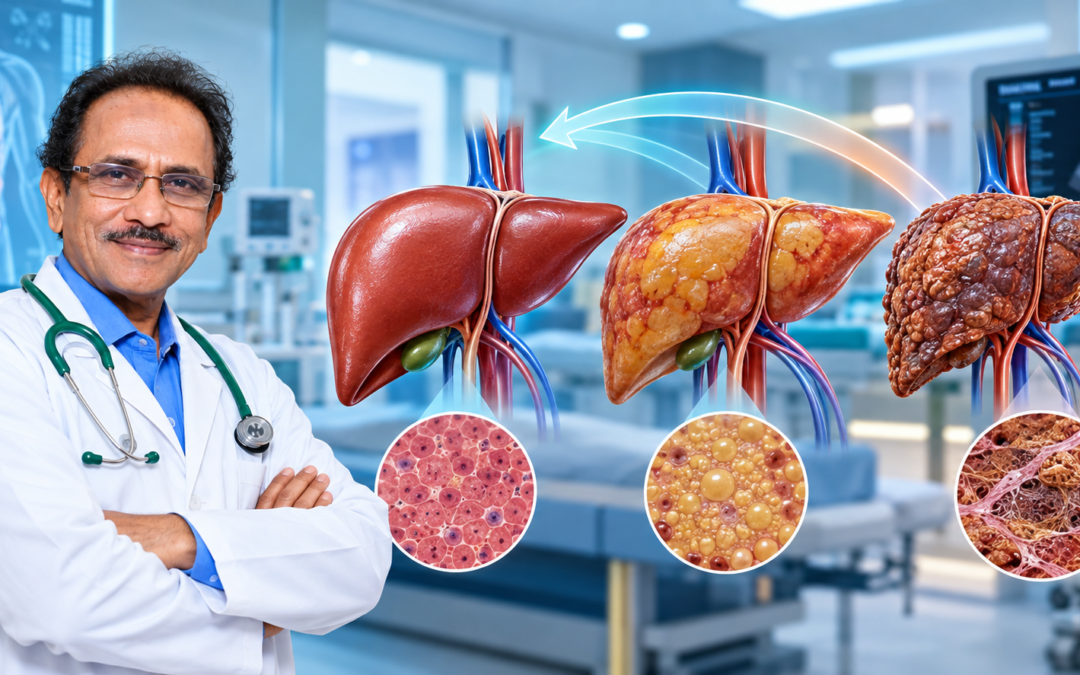
One of the most important questions patients ask is simple: can the liver recover after stopping alcohol? The answer depends on the type and extent of liver damage. Fat accumulation in the liver can improve substantially after alcohol is stopped, while inflammation may also improve. Established cirrhosis, however, involves significant scarring that is generally not reversible.
If you are searching for Alcoholic Liver Disease Treatment in Guntur, this guide explains what may improve after stopping alcohol, which symptoms should not be ignored, how doctors evaluate alcohol-related liver problems, and what treatment and follow-up can involve.
Quick answer: Stopping alcohol is one of the most important steps in managing alcohol-related liver disease. Fatty liver can often improve or resolve after abstinence, and inflammation may improve depending on the severity and overall condition of the liver. Advanced cirrhosis is generally not reversible, but stopping alcohol can help prevent further injury, improve the outlook and support treatment of complications.
Concerned About Alcohol-Related Liver Damage?
Persistent fatigue, jaundice, abdominal swelling or abnormal liver tests should be evaluated rather than ignored.
Call +91 94402 14706 WhatsApp Us Book an AppointmentWhat Is Alcohol-Related Liver Disease?
Alcohol-related liver disease develops when repeated or heavy alcohol exposure damages the liver over time. The condition is better described today as alcohol-associated liver disease, although terms such as alcoholic liver disease and alcohol-related liver disease are still commonly used when patients search for information.
The liver plays an essential role in processing nutrients, producing important proteins, handling medicines and helping remove substances from the bloodstream. Continuous alcohol exposure can interfere with these functions and contribute to fat accumulation, inflammation and scar formation.
The disease can range from relatively early fatty liver to alcohol-associated hepatitis and advanced cirrhosis. More than one type of liver injury can also be present at the same time.
Can Liver Damage Improve After Stopping Alcohol?
In many cases, stopping alcohol can make a meaningful difference. However, recovery is not identical for every patient because the liver damage may be at a different stage.
| Stage or Problem | What May Happen After Stopping Alcohol? |
|---|---|
| Fatty liver | Liver fat can decrease and may resolve with sustained abstinence, especially when there is no advanced scarring. |
| Alcohol-related hepatitis | Inflammation and liver function may improve in some patients, but severe disease can be medically serious and requires specialist care. |
| Fibrosis | Further progression can be reduced by removing the source of injury. The extent of improvement depends on how advanced the scarring is. |
| Cirrhosis | Established cirrhotic scarring is generally not reversible, but complete abstinence can reduce ongoing damage and improve outcomes. |
This distinction matters because a patient may feel better after stopping alcohol even though significant scarring remains. Feeling better is encouraging, but it does not replace medical assessment or appropriate monitoring.
Why Does Stopping Alcohol Matter So Much?
Continuing alcohol exposure can keep damaging liver cells and increase the chance that liver disease will progress. Complete abstinence is therefore a central part of medical management across the spectrum of alcohol-associated liver disease.
In early fatty liver disease, removing alcohol can allow the liver to recover from fat accumulation. In more advanced disease, stopping alcohol does not necessarily remove existing scar tissue, but it can reduce continued injury and support better long-term management.
Patients who have developed alcohol dependence should also understand that stopping suddenly can sometimes cause dangerous withdrawal symptoms. A medically supervised plan may be needed rather than attempting abrupt withdrawal alone.
Important: If you drink heavily or regularly and believe you may be dependent on alcohol, speak with a healthcare professional before suddenly stopping. Alcohol withdrawal can be medically serious and may require supervised treatment.
What Are the Symptoms of Alcohol-Related Liver Disease?
Early alcohol-related liver disease may produce few noticeable symptoms. Some people only discover a liver problem after routine blood tests or an imaging scan.
As liver injury becomes more significant, symptoms may include:
- Persistent tiredness or weakness
- Loss of appetite
- Nausea or digestive discomfort
- Pain or discomfort in the upper-right abdomen
- Unexplained weight changes
- Yellowing of the skin or eyes
- Swelling of the abdomen or legs
- Easy bruising or bleeding
- Confusion or changes in alertness in advanced disease
These symptoms are not specific to alcohol-related liver disease. They can occur with other liver, digestive or systemic conditions, so proper testing is important before assuming alcohol is the only cause.
What Is Alcoholic Hepatitis?
Alcoholic Hepatitis Treatment in Guntur may be needed when alcohol exposure has caused significant liver inflammation. Alcoholic hepatitis can appear with symptoms such as jaundice, poor appetite, nausea, abdominal discomfort and marked weakness.
The severity of alcoholic hepatitis can vary considerably. Severe cases may involve impaired liver function and complications that require hospital-based treatment.
Treatment is not simply about treating a liver blood-test abnormality. Doctors may need to assess the severity of inflammation, nutrition, infection risk, kidney function, complications of liver failure and the patient’s ability to maintain alcohol abstinence.
How Is Alcohol-Related Liver Disease Diagnosed?
Diagnosis usually combines your medical history, alcohol-use history, physical examination, blood tests and imaging. Doctors may also investigate other causes of liver injury because abnormal liver tests do not automatically prove that alcohol is the only cause.
Liver Blood Tests
Blood testing can provide information about liver enzymes, bilirubin, proteins, blood counts and other indicators relevant to liver function and complications.
Ultrasound
Ultrasound can help assess liver appearance, fatty change and other abdominal findings. Depending on the clinical situation, additional imaging may be recommended.
Fibrosis Assessment
Doctors may use non-invasive methods to estimate the degree of liver stiffness or fibrosis. These assessments can help identify patients who may have more advanced disease.
CT or MRI-Based Imaging
CT or MRI may be used when more detailed evaluation is needed or when doctors are assessing complications and other abdominal conditions.
Liver Biopsy in Selected Cases
A liver biopsy is not required for every patient. In selected situations, a specialist may consider it when the diagnosis or severity of liver disease remains uncertain.
What Does Alcohol Related Liver Disease Treatment in Guntur Involve?
Alcohol Related Liver Disease Treatment in Guntur should be tailored to the stage of liver injury and the patient’s overall health. The treatment plan may involve several parts rather than a single medicine or procedure.
Common Areas of Medical Management
- Complete alcohol abstinence: Removing alcohol exposure is a central part of treatment.
- Withdrawal support: Patients who may be dependent on alcohol may need medically supervised withdrawal management.
- Nutritional care: Poor nutrition is common in advanced alcohol-related liver disease and may need professional assessment.
- Monitoring liver function: Follow-up blood tests and examinations can help doctors track disease activity.
- Treatment of complications: Ascites, jaundice, bleeding, hepatic encephalopathy and other complications may require specific medical care.
- Alcohol-use-disorder treatment: Counselling, behavioural support and appropriate medical treatment can help patients maintain long-term abstinence.
Severe alcohol-associated hepatitis may require hospital treatment and, in selected patients, specialist therapies based on disease severity. Advanced cirrhosis may require long-term hepatology care and assessment for transplant when appropriate.
Can Alcohol Liver Damage Be Reversed Completely?
The word “reversed” needs to be used carefully. Early liver fat is often reversible when alcohol is stopped. Inflammation can also improve, depending on the severity and whether complications are already present.
Fibrosis is more complex. Some patients may experience improvement in liver health when the cause of injury is removed, but advanced scar tissue is harder to reverse.
Cirrhosis represents substantial structural scarring of the liver and is generally considered irreversible. Nevertheless, stopping alcohol remains extremely important because it can prevent additional alcohol-related injury and improve the chances of living longer with appropriate medical care.
What Lifestyle Changes Support Liver Recovery?
Stopping alcohol is the central lifestyle change when alcohol is contributing to liver disease. Other habits also matter, particularly when the patient has advanced disease or nutritional problems.
- Follow a balanced eating plan recommended by a healthcare professional.
- Avoid alcohol completely when alcohol-related liver disease has been diagnosed.
- Do not rely on “liver detox” products or unverified herbal remedies.
- Discuss medicines, pain relievers and supplements with your doctor before using them.
- Attend scheduled liver tests and follow-up appointments.
- Maintain appropriate physical activity according to your medical condition.
- Address alcohol-use disorder with professional support when needed.
Nutrition can become especially important in advanced liver disease. Some patients may require individualized dietary advice rather than restrictive diets or fasting.
When Should You See an Alcoholic Liver Disease Specialist in Guntur?
Alcoholic Liver Disease Specialist in Guntur care may be appropriate when abnormal liver tests, heavy alcohol exposure or symptoms raise concern about liver injury.
Consider a specialist evaluation if:
- Your liver enzymes remain abnormal.
- You have been told that your liver is fatty or enlarged.
- You have a history of heavy or long-term alcohol use.
- Your eyes or skin have become yellow.
- Your abdomen or legs are becoming swollen.
- You have unexplained weakness, poor appetite or weight loss.
- You have previously been diagnosed with fibrosis or cirrhosis.
- You have had an episode of alcohol-associated hepatitis.
What Warning Signs Need Urgent Medical Attention?
Some symptoms may indicate serious liver complications and should not be managed by waiting for a routine appointment.
- Sudden or worsening jaundice
- Vomiting blood or passing black stools
- Severe abdominal swelling or pain
- New confusion, unusual sleepiness or major changes in alertness
- Difficulty breathing associated with severe abdominal or leg swelling
- Repeated vomiting with weakness or dehydration
- High fever or signs of a serious infection
Do not delay urgent care: Advanced liver disease can cause serious complications. Severe bleeding, confusion, significant breathing difficulty, severe infection symptoms or rapidly worsening jaundice require prompt medical assessment.
Looking for Liver Care in Guntur?
An early evaluation can help determine whether alcohol-related liver injury is present and how advanced it may be.
Call +91 94402 14706 WhatsApp Us View Location on Google MapsWhy Choose a Specialized Gastroenterology Setting?
Alcohol-related liver disease can involve more than liver enzymes. Depending on the stage, patients may need evaluation for fibrosis, nutritional deficiencies, portal hypertension, fluid accumulation, bleeding risks or other complications.
A specialized gastroenterology and liver-care setting can help coordinate the different parts of evaluation and follow-up. Patients can discuss alcohol-related liver injury, testing options, complications and longer-term monitoring in the same care pathway.
For people looking for Alcohol Liver Damage Treatment in Guntur, the focus should be on identifying the cause and severity of the liver injury, stopping further damage and creating a realistic long-term management plan.
Alcohol-Related Liver Care at National Liver and Gastro Hospital
National Liver and Gastro Hospital in Guntur provides a setting for evaluation of liver and gastrointestinal concerns.
Patients concerned about alcohol-related liver damage can discuss symptoms, previous blood reports, ultrasound findings and alcohol-use history with a qualified medical professional. The appropriate next step may include laboratory testing, imaging, fibrosis assessment or further specialist evaluation.
Treatment is based on the patient’s condition. Some people require lifestyle and alcohol-abstinence support with regular monitoring, while others may need treatment for hepatitis, cirrhosis or specific liver-related complications.
To learn more about available services, visit the National Liver and Gastro Hospital website .
Frequently Asked Questions About Alcoholic Liver Disease
Can the liver recover after stopping alcohol?
Recovery depends on the stage of liver disease. Fatty liver can often improve substantially after alcohol is stopped. Inflammation may also improve, while established cirrhosis is generally not reversible.
How long does it take for alcoholic fatty liver to improve?
Improvement varies from person to person. Liver fat can decrease relatively quickly after alcohol abstinence, but the overall recovery period depends on the degree of injury and whether other liver problems are present.
Is alcoholic hepatitis reversible?
Alcoholic hepatitis can improve in some patients, particularly when alcohol is completely stopped and appropriate medical treatment is provided. Severe alcoholic hepatitis can be life-threatening and requires specialist assessment.
Is cirrhosis from alcohol reversible?
Established cirrhosis involves significant liver scarring and is generally not reversible. However, stopping alcohol can prevent continued alcohol-related injury and improve long-term outcomes.
Can liver enzymes return to normal after stopping alcohol?
Liver enzymes may improve when alcohol-related injury is removed, but normal blood tests do not necessarily mean that all liver damage has disappeared. A person can still have significant fibrosis or cirrhosis despite improved laboratory results.
Does fatty liver always mean cirrhosis?
No. Fatty liver is an earlier form of liver injury and does not automatically mean that cirrhosis is present. Some people may develop progressive fibrosis, while others do not.
What is the difference between alcoholic fatty liver and alcoholic hepatitis?
Alcoholic fatty liver primarily involves excess fat accumulation in the liver. Alcoholic hepatitis involves more significant inflammation and liver-cell injury and can range from mild to severe.
Can someone with alcohol-related liver disease stop drinking suddenly?
People who drink heavily or have alcohol dependence should not assume that abrupt withdrawal is always safe. Withdrawal can be dangerous, so medical guidance may be necessary before stopping.
Can medicines treat alcohol-related liver disease?
Treatment depends on the type and severity of liver disease. Some patients require treatment for alcohol-use disorder, nutritional problems, alcoholic hepatitis or complications of cirrhosis. Medicines should be selected by a qualified healthcare professional.
Can alcohol-related liver disease cause jaundice?
Yes. Significant liver inflammation or impaired liver function can cause jaundice, which appears as yellowing of the skin or whites of the eyes. New or worsening jaundice should be medically evaluated.
Can alcohol-related liver disease cause abdominal swelling?
Yes. Advanced liver disease can lead to fluid accumulation in the abdomen, known as ascites. New abdominal swelling should be assessed by a healthcare professional.
Can alcohol-related liver disease cause confusion?
Advanced liver disease can sometimes contribute to hepatic encephalopathy, which may cause confusion, changes in alertness or unusual sleepiness. These symptoms require prompt medical attention.
Can diet alone reverse alcohol-related liver damage?
Diet is important for nutrition and overall health, but it cannot replace alcohol abstinence or appropriate medical treatment. The correct nutritional plan depends on the stage of liver disease.
Are liver detox drinks or herbal supplements useful for alcoholic liver disease?
There is no reason to assume that commercial detox products can reverse alcohol-related liver damage. Some supplements or herbal products may also affect the liver or interact with medicines, so discuss them with a doctor before use.
What tests are commonly used for alcohol-related liver disease?
Doctors may use blood tests, ultrasound and other imaging or non-invasive fibrosis assessments. In selected cases, additional investigations or a liver biopsy may be considered.
When should I see an Alcoholic Liver Disease Specialist in Guntur?
Specialist evaluation is appropriate when you have persistent abnormal liver tests, a history of heavy alcohol use, jaundice, abdominal swelling, symptoms of liver disease or a previous diagnosis of fibrosis, hepatitis or cirrhosis.
Where can I find Alcoholic Liver Disease Treatment in Guntur?
Patients searching for alcoholic liver disease care in Guntur can look for a gastroenterology or liver-care facility that can assess the cause and severity of liver injury and provide appropriate follow-up and treatment.
Stopping Alcohol Can Make a Real Difference to Liver Health
The answer to whether liver damage can improve after stopping alcohol depends largely on how advanced the disease has become. Early fatty liver can often improve significantly when alcohol exposure ends. Alcohol-related inflammation may also improve with appropriate treatment, nutrition and sustained abstinence.
Advanced fibrosis and cirrhosis are different. Significant cirrhotic scarring is generally not reversible, but stopping alcohol remains one of the most important actions for preventing further alcohol-related injury and improving long-term management.
Symptoms such as jaundice, abdominal swelling, persistent weakness, vomiting blood, black stools or changes in alertness should never be ignored. They can indicate complications requiring urgent medical attention.
If you are looking for Alcoholic Liver Disease Treatment in Guntur , a specialist evaluation can help determine what stage of liver disease may be present and what treatment or monitoring is appropriate for your situation.
Have You Been Concerned About Alcohol-Related Liver Damage?
Do not wait for symptoms to become severe before discussing abnormal liver tests or suspected liver disease with a qualified specialist.
Call +91 94402 14706 WhatsApp Us View National Liver and Gastro HospitalMedical Information Sources
This article is for general educational information and does not replace an individual medical consultation, diagnosis or treatment plan.
NIAAA – Medical Complications and Alcohol-Associated Liver Disease
NIDDK – Treatment for Cirrhosis
NHS – Alcohol-Related Liver Disease
American College of Gastroenterology – Clinical Guideline: Alcoholic Liver Disease
National Liver and Gastro Hospital
+91 94402 14706 | nationallivergastro.com
Guntur, Andhra Pradesh. View on Google Maps
Monday to Saturday, 9 AM to 8 PM
Medical disclaimer: This content is for general information only and is not a diagnosis or substitute for professional medical advice. Alcohol withdrawal can be medically dangerous in some people. Severe jaundice, vomiting blood, black stools, confusion, severe abdominal swelling, breathing difficulty or other serious symptoms require prompt medical evaluation.