
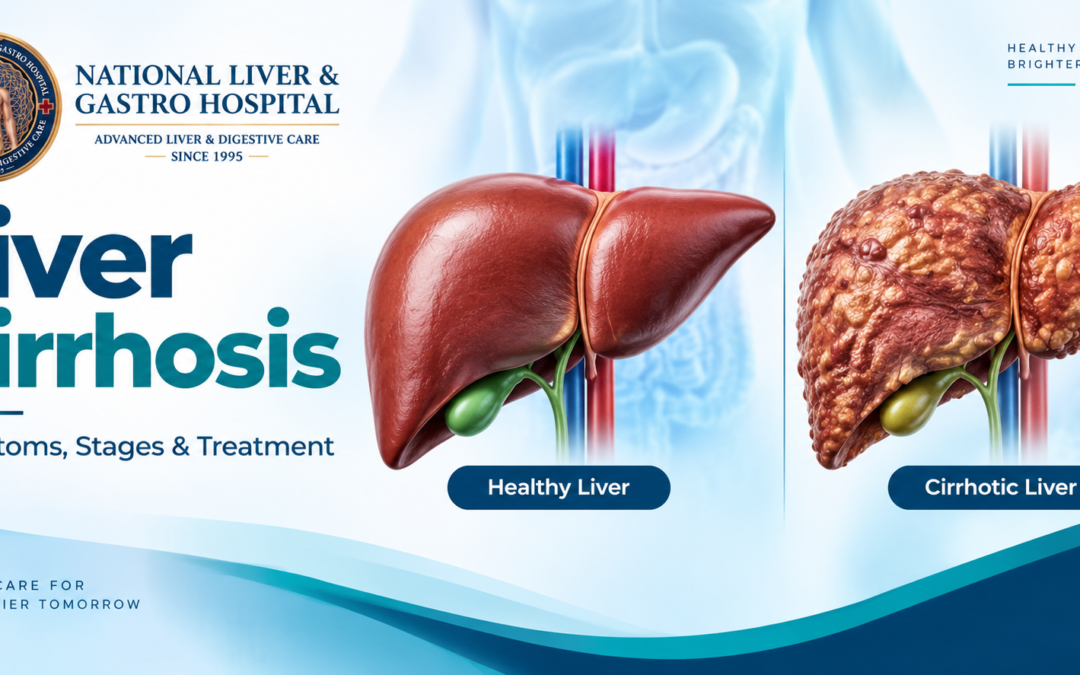
Cirrhosis of the Liver: Stages, Symptoms, Causes and Treatment Options in Guntur
A liver problem does not always announce itself with pain.
In fact, one of the most difficult things about chronic liver disease is that a person can feel completely normal while damage is gradually taking place inside the liver. Fatty liver, chronic hepatitis, alcohol-related liver disease and several other conditions can continue for years before significant symptoms appear.
When long-term liver injury causes extensive scar tissue to replace healthy liver tissue, the condition is known as cirrhosis.
Cirrhosis is not simply another name for fatty liver or hepatitis. It represents advanced scarring of the liver and can affect how the liver performs its normal functions. However, identifying the cause early and managing the condition appropriately can help slow further damage and reduce the risk of complications.
If you are searching for liver cirrhosis treatment in Guntur, understanding the symptoms, causes, diagnosis and treatment options can help you know when specialist liver care is important.
Worried About Liver Cirrhosis?
If you have abnormal liver tests, hepatitis, fatty liver or symptoms such as jaundice or abdominal swelling, discuss your liver health with a specialist.
Call +91 94402 14706 WhatsApp Us Book an AppointmentWhat Is Liver Cirrhosis?
Quick answer: Cirrhosis is a condition in which long-term liver injury causes extensive scar tissue to replace healthy liver tissue. The scarring can interfere with normal liver function and blood flow through the liver. Cirrhosis can result from several chronic liver conditions, including fatty liver disease, chronic hepatitis B or C and alcohol-associated liver disease.
Your liver performs hundreds of important functions. It helps process nutrients, produces proteins, stores energy, processes medicines and helps remove waste products from the blood.
When the liver is repeatedly injured, the body attempts to repair the damage. Persistent injury can result in fibrosis, or scar formation. When scarring becomes extensive and changes the normal structure of the liver, cirrhosis can develop.
The important point is that cirrhosis usually develops over time. It is generally the result of a chronic underlying liver problem rather than something that appears overnight.
What Causes Liver Cirrhosis?
Cirrhosis can have several causes, and some people have more than one condition contributing to liver damage.
1. Fatty Liver Disease
Metabolic fatty liver disease can cause inflammation and progressive liver scarring in some people. The risk may be higher in people with obesity, type 2 diabetes, metabolic problems or other related conditions.
This is one reason why a diagnosis of fatty liver should not simply be ignored, particularly when other metabolic risk factors are present.
2. Chronic Hepatitis B and C
Long-term infection with hepatitis B or hepatitis C can cause ongoing inflammation and liver damage. Over many years, chronic viral hepatitis can contribute to fibrosis and cirrhosis.
Modern medical treatment has significantly changed the management of viral hepatitis, making appropriate testing and specialist follow-up especially important.
3. Alcohol-Associated Liver Disease
Long-term heavy alcohol use can cause progressive liver injury. Alcohol may contribute to fatty liver, inflammation and eventually cirrhosis in susceptible individuals.
If alcohol is contributing to liver disease, stopping alcohol completely is an important part of medical management.
4. Autoimmune Liver Diseases
In autoimmune hepatitis, the immune system mistakenly attacks liver cells. Without appropriate treatment, ongoing inflammation can result in fibrosis and cirrhosis.
5. Bile Duct Diseases
Some diseases that damage or block the bile ducts can cause chronic liver injury and eventually contribute to cirrhosis.
6. Genetic and Metabolic Conditions
Inherited conditions such as Wilson disease, hemochromatosis and alpha-1 antitrypsin deficiency can affect liver function and, in some people, lead to progressive liver damage.
7. Certain Medicines and Other Causes
Some medicines and other medical conditions can cause chronic liver injury. A complete medical history is therefore important when investigating abnormal liver tests or suspected cirrhosis.
What Are the Early Symptoms of Cirrhosis?
One of the challenges with cirrhosis is that early disease may cause few or no obvious symptoms. Some people only discover that they have significant liver disease after blood tests or imaging performed for another reason.
Possible early symptoms include:
- Persistent tiredness or weakness
- Reduced appetite
- Unintentional weight loss
- Nausea or occasional vomiting
- Itchy skin
- Mild discomfort in the upper right abdomen
- Muscle weakness or loss of muscle mass
- Muscle cramps
These symptoms are not specific to cirrhosis. Many other health conditions can cause fatigue, appetite changes or abdominal discomfort, which is why medical evaluation is important when symptoms persist.
Symptoms of Advanced Cirrhosis
As liver function becomes more impaired, complications can develop. These may include:
- Yellowing of the eyes or skin, known as jaundice
- Swelling of the abdomen from fluid accumulation
- Swelling of the feet, ankles or legs
- Easy bruising or bleeding
- Dark urine
- Confusion or difficulty thinking
- Sleep pattern changes
- Vomiting blood
- Black or bloody stools
- Severe weakness or weight loss
These symptoms can indicate complications of advanced liver disease and should not be ignored.
Important: Vomiting blood, passing black or bloody stools, severe confusion, significant abdominal swelling with breathing difficulty, or severe weakness requires urgent medical attention. These can be signs of serious cirrhosis complications.
Liver Fibrosis vs Cirrhosis: What Is the Difference?
Patients often hear the words fibrosis and cirrhosis during a liver consultation and assume they mean the same thing.
They do not.
| Condition | What It Means | Why It Matters |
|---|---|---|
| Healthy liver | Normal liver tissue without significant scarring | Normal liver structure and function |
| Fibrosis | Scar tissue has developed due to ongoing liver injury | Severity can vary and the underlying cause should be addressed |
| Advanced fibrosis | More extensive liver scarring | Higher risk of progressing to cirrhosis |
| Cirrhosis | Extensive scarring and structural changes in the liver | Can cause portal hypertension, liver dysfunction and other complications |
This distinction is important because identifying liver disease before advanced cirrhosis develops provides an opportunity to address the underlying cause and reduce further progression.
What Are the Stages of Liver Cirrhosis?
Cirrhosis is often discussed in terms of whether it is compensated or decompensated.
Compensated Cirrhosis
In compensated cirrhosis, the liver may still perform many of its functions despite significant scarring. Some people have few symptoms and may not know that they have cirrhosis.
This stage is important because regular medical monitoring and treatment of the underlying cause can help reduce the risk of complications.
Decompensated Cirrhosis
Decompensated cirrhosis means significant complications have developed as a result of advanced liver disease.
These may include:
- Ascites, or fluid buildup in the abdomen
- Variceal bleeding
- Hepatic encephalopathy and confusion
- Jaundice
- Significant swelling
- Other signs of impaired liver function
Portal hypertension caused by cirrhosis can contribute to ascites, enlarged veins called varices and other complications.
Once complications develop, patients generally need closer specialist monitoring and treatment.
How Is Liver Cirrhosis Diagnosed?
There is no single test that is suitable for every patient with suspected cirrhosis. Doctors usually combine medical history, physical examination, blood tests and imaging.
1. Liver Function Blood Tests
Blood tests may include liver enzymes, bilirubin, albumin and other markers that provide information about liver injury and function.
A complete blood count may also be useful because platelet abnormalities and anemia can provide clues about chronic liver disease and complications.
2. Hepatitis Testing
Blood tests can help determine whether chronic hepatitis B or C is contributing to liver disease.
3. Ultrasound
Abdominal ultrasound can provide information about the liver’s size, appearance and surrounding structures. It can also help identify findings associated with advanced liver disease.
4. FibroScan and Elastography
Elastography measures liver stiffness. Increased stiffness can indicate fibrosis or advanced scarring and can help doctors assess the extent of liver disease without immediately requiring a biopsy.
5. CT or MRI
In selected cases, CT or MRI may be recommended to obtain more detailed information about the liver and surrounding structures.
6. Liver Biopsy
A liver biopsy involves removing a small sample of liver tissue for microscopic examination. It may be considered when the diagnosis or cause remains uncertain after other investigations.
| Investigation | What It Can Help Assess |
|---|---|
| Liver blood tests | Liver injury and aspects of liver function |
| Complete blood count | Anemia, platelet levels and other clues to chronic liver disease |
| Hepatitis testing | Chronic hepatitis B or C infection |
| Ultrasound | Liver structure and associated abdominal findings |
| FibroScan / elastography | Liver stiffness and degree of fibrosis |
| CT or MRI | Detailed imaging when clinically indicated |
| Liver biopsy | Microscopic assessment when other tests do not provide enough information |
Can Cirrhosis Be Reversed?
This is one of the most important questions patients ask.
Cirrhosis involves extensive and permanent scarring of the liver. Current medical treatment generally focuses on treating the underlying cause, slowing or preventing further damage and managing complications rather than promising that established cirrhosis can simply be reversed.
However, the underlying disease may still be treatable.
For example, appropriate treatment of chronic hepatitis C can eliminate the virus in most patients, while treatment for hepatitis B can suppress viral activity and reduce ongoing liver injury. Management of fatty liver and alcohol-associated liver disease can also help reduce further liver damage.
The earlier the underlying cause is identified, the more opportunities there may be to protect remaining liver function.
How Is Liver Cirrhosis Treated?
There is no single treatment that works for every patient with cirrhosis. Treatment depends on what caused the liver damage, how advanced the disease is and whether complications have developed.
Treating the Underlying Cause
The first priority is often to identify and treat the disease responsible for the liver injury.
- Chronic hepatitis B may require antiviral treatment.
- Chronic hepatitis C can be treated with antiviral medicines.
- Alcohol-associated liver disease requires complete avoidance of alcohol.
- Metabolic liver disease may require weight, blood sugar and metabolic management.
- Autoimmune liver diseases may require medicines that control abnormal immune activity.
Treating the underlying cause can help slow further liver damage.
Managing Ascites and Swelling
Fluid buildup in the abdomen, known as ascites, is a common complication of advanced cirrhosis. Doctors may use medicines and dietary sodium management, and in some cases fluid may need to be drained using a medical procedure.
Managing Varices
Portal hypertension can cause enlarged veins in the esophagus or stomach. These veins can bleed, sometimes severely. Doctors may use medicines or endoscopic procedures to reduce the risk or treat bleeding when it occurs.
Managing Hepatic Encephalopathy
When toxins accumulate because the damaged liver cannot process them effectively, some patients develop confusion or changes in thinking. This is known as hepatic encephalopathy and requires medical treatment.
Liver Cancer Surveillance
Cirrhosis increases the risk of liver cancer. Doctors may recommend regular surveillance using blood tests and imaging, commonly at six-month intervals depending on the patient’s condition and applicable clinical guidance.
Liver Transplantation
When cirrhosis progresses to liver failure, a liver transplant may be considered. This decision requires specialist assessment and depends on the patient’s overall medical condition and suitability for transplantation.
Do You Have a History of Liver Disease?
Regular monitoring can help identify changes before complications become severe. Discuss your liver reports with a specialist.
Call +91 94402 14706 WhatsApp Us View Location on Google MapsDiet and Lifestyle With Cirrhosis
There is no single cirrhosis diet that is appropriate for every person. Nutrition needs can change depending on the severity of liver disease, fluid retention, muscle loss, diabetes and other health conditions.
Some general principles may include:
- Avoid alcohol completely.
- Follow a balanced eating pattern recommended by your doctor or dietitian.
- Avoid extreme dieting and prolonged fasting unless medically advised.
- Maintain adequate nutrition and protein intake according to your doctor’s advice.
- Manage body weight where appropriate.
- Limit sodium if your doctor recommends it because of fluid retention.
- Avoid raw or undercooked shellfish and other foods that may increase infection risk in advanced liver disease.
- Discuss every medicine and supplement with your doctor before using it.
People with cirrhosis can be at risk of malnutrition, so aggressive food restriction without medical guidance can be harmful.
What Should People With Cirrhosis Avoid?
Some habits can increase the risk of further liver injury or complications.
- Alcohol: Avoid it completely if you have cirrhosis.
- Unnecessary medicines: Do not start over-the-counter medicines without discussing them with your doctor.
- Unverified herbal products: Herbal and dietary supplements can affect the liver or interact with prescribed medicines.
- Raw or undercooked shellfish: Advanced liver disease can increase the risk from certain infections.
- Crash diets: Extreme weight loss can worsen nutritional problems.
Always tell your liver specialist about prescription medicines, painkillers, supplements and herbal products you are taking.
Can Fatty Liver Turn Into Cirrhosis?
Fatty liver does not automatically mean cirrhosis. Many people with fatty liver never develop advanced liver scarring.
However, in some patients, persistent liver inflammation can lead to fibrosis, and advanced fibrosis can eventually progress to cirrhosis.
This is why people with fatty liver and additional metabolic risk factors may benefit from appropriate assessment of liver fibrosis rather than relying only on an ultrasound report.
If you already have fatty liver, diabetes, obesity or persistently abnormal liver enzymes, discuss your individual risk with a liver specialist.
When Should You See a Liver Specialist in Guntur?
You should consider a specialist liver evaluation if you have been told that you have significant liver scarring or if you have a condition that can cause chronic liver damage.
Important reasons to seek evaluation include:
- Known liver cirrhosis or advanced fibrosis
- Fatty liver with persistently abnormal liver enzymes
- Chronic hepatitis B or hepatitis C
- Repeatedly elevated bilirubin or liver enzymes
- Yellowing of the eyes or skin
- Unexplained abdominal swelling
- Swelling of the legs or feet
- Unexplained weight loss or loss of appetite
- Easy bruising or bleeding
- Persistent upper-right abdominal discomfort
- Confusion or significant changes in sleep and thinking
If you are searching for a liver specialist in Guntur, proper evaluation can help determine the severity of liver disease and whether additional monitoring or treatment is needed.
Looking for Liver Cirrhosis Treatment in Guntur?
Get your liver condition evaluated based on your symptoms, blood reports and appropriate imaging rather than relying on symptoms alone.
Call +91 94402 14706 WhatsApp Us View Location on Google MapsLiver Cirrhosis Care at National Liver & Gastro Hospital
National Liver & Gastro Multispeciality Hospital in Guntur provides evaluation and management for liver conditions including fatty liver disease, hepatitis, jaundice, cirrhosis and abnormal liver function tests. The hospital’s liver care services include evaluation, diagnosis, treatment and long-term monitoring. ([nationallivergastro.com](https://nationallivergastro.com/category/gastro-hospital-in-guntur/?utm_source=chatgpt.com))
Cirrhosis requires more than treating a single symptom. The underlying cause, degree of liver scarring and presence of complications all need to be considered.
Depending on the patient’s condition, evaluation may include liver blood tests, viral hepatitis testing, ultrasound, FibroScan or other imaging and additional investigations when required.
If you have already been diagnosed with cirrhosis, regular specialist follow-up can help monitor liver function and identify complications that may need treatment.
You can check the hospital’s Google Business Profile for the location and directions.
Frequently Asked Questions About Liver Cirrhosis
What is liver cirrhosis?
Cirrhosis is advanced scarring of the liver caused by long-term liver injury. Scar tissue replaces healthy liver tissue and can interfere with normal liver function and blood flow.
What are the early symptoms of cirrhosis?
Early cirrhosis may cause few or no symptoms. Possible symptoms include tiredness, reduced appetite, unexplained weight loss, nausea, itching and mild upper-right abdominal discomfort.
What are the signs of advanced cirrhosis?
Advanced disease may cause jaundice, abdominal fluid buildup, leg swelling, easy bleeding or bruising, confusion, vomiting blood and black or bloody stools.
Can fatty liver cause cirrhosis?
Fatty liver does not automatically progress to cirrhosis, but some people can develop inflammation and progressive fibrosis that eventually leads to cirrhosis. Individual risk varies.
Can hepatitis B cause liver cirrhosis?
Yes. Chronic hepatitis B can cause long-term liver inflammation and damage and is one of the conditions associated with cirrhosis.
Can hepatitis C cause cirrhosis?
Yes. Chronic hepatitis C can cause progressive liver damage and cirrhosis. Modern antiviral treatment can eliminate hepatitis C infection in most patients, making appropriate testing and treatment important.
Can cirrhosis be cured completely?
Established cirrhosis involves significant permanent scarring, so treatment generally focuses on addressing the underlying cause, preventing further damage and managing complications. In advanced liver failure, transplantation may be considered.
Is FibroScan useful for cirrhosis?
FibroScan or other elastography techniques can measure liver stiffness and help assess fibrosis. Your doctor will decide whether it is appropriate based on your medical history, blood tests and other findings.
Should a person with cirrhosis stop drinking alcohol?
Yes. People with cirrhosis should avoid alcohol completely because alcohol can contribute to further liver injury.
Can cirrhosis cause abdominal swelling?
Yes. Fluid accumulation in the abdomen, called ascites, can occur with advanced cirrhosis and portal hypertension. New or increasing abdominal swelling should be medically evaluated.
Can cirrhosis cause vomiting blood?
Yes. Portal hypertension can cause enlarged veins called varices in the esophagus or stomach. If these veins bleed, a person may vomit blood or pass black or bloody stools. This is a medical emergency.
Where can I get liver cirrhosis treatment in Guntur?
National Liver & Gastro Multispeciality Hospital in Guntur provides specialist evaluation and management for liver diseases including cirrhosis. You can call +91 94402 14706 or check the hospital location through Google Maps before visiting.
Early Liver Care Can Make a Difference
Cirrhosis is a serious form of chronic liver disease, but it is important to understand that the diagnosis does not happen in isolation. The underlying cause, the degree of liver scarring and the presence or absence of complications all matter.
Fatty liver, hepatitis, alcohol-associated liver disease and several other conditions can contribute to progressive liver damage. Finding these conditions earlier gives doctors an opportunity to treat the cause, monitor liver health and reduce the risk of further complications.
If you have abnormal liver tests, chronic hepatitis, fatty liver or symptoms such as jaundice, abdominal swelling or unexplained weight loss, do not wait for symptoms to become severe.
If you are looking for liver cirrhosis treatment in Guntur, arrange an appropriate evaluation with a qualified liver or gastroenterology specialist.
View National Liver & Gastro Hospital on Google Maps
National Liver & Gastro Multispeciality Hospital
+91 94402 14706 | nationallivergastro.com
Guntur, Andhra Pradesh. View on Google Maps
Monday to Saturday, 9 AM to 8 PM