

Hepatitis B and C in Guntur: Early Symptoms, Screening Tests and Treatment Options

Hepatitis B and C in Guntur: Early Symptoms, Screening Tests and Treatment Options

A person can have a liver infection for months or even years without noticing anything unusual. Daily routines continue as normal, appetite may remain unchanged, and there may be no abdominal pain. Yet an infection can sometimes affect liver health long before obvious symptoms appear.

Two important viral infections that deserve attention are hepatitis B and hepatitis C. Both can cause liver inflammation, and long-standing infection may increase the risk of scarring, cirrhosis and liver cancer. However, their transmission routes, screening tests and treatment approaches are not exactly the same.

Finding out about these infections early allows doctors to assess liver health, identify appropriate treatment and discuss steps to protect family members.

For people searching for a Hepatology Hospital in Guntur , understanding the available blood tests, possible warning signs and treatment options can make the next medical consultation more useful.

This guide explains how these infections develop, who should consider screening, what laboratory reports mean and why long-term monitoring remains important.

Quick Answer: Hepatitis B and hepatitis C are viral infections that affect the liver. Both can occur without noticeable symptoms. Hepatitis B is commonly screened using blood markers such as HBsAg, anti-HBs and anti-HBc. Hepatitis C is screened with an antibody test followed by an HCV RNA test when indicated. Hepatitis B can often be controlled with antiviral treatment, while hepatitis C can usually be cured with modern oral antiviral medicines.

Concerned About a Liver Infection?

Unexplained jaundice, abnormal liver reports or possible exposure to viral hepatitis deserve professional attention. Discuss suitable testing and next steps with a liver specialist.

Call +91 94402 14706 WhatsApp Us Book an Appointment

What Happens When a Virus Affects the Liver?

The liver performs hundreds of important functions. It helps process nutrients, produces bile, stores energy and supports the removal of harmful substances from the bloodstream.

Hepatitis refers to inflammation of the liver. This inflammation can have several causes, including viral infections, alcohol, certain medicines and autoimmune conditions.

Hepatitis B virus (HBV) and hepatitis C virus (HCV) can infect liver cells and cause acute or chronic infection.

An acute infection is a recent infection. A chronic infection persists over time and may require continued monitoring or treatment.

Persistent inflammation can contribute to liver fibrosis, which is the development of scar tissue. Advanced fibrosis may eventually progress to cirrhosis.

Not everyone with viral hepatitis develops severe complications. Timely diagnosis and appropriate management can substantially improve long-term outcomes.

How Are Hepatitis B and Hepatitis C Different?

Although both infections affect the liver, their prevention and treatment differ. Understanding these distinctions helps patients avoid confusion about screening and recovery.

Feature Hepatitis B Hepatitis C
Virus HBV HCV
Main transmission routes Infected blood and certain body fluids, including sexual and mother-to-child transmission Primarily infected blood exposure
Vaccine available? Yes No
Initial screening Hepatitis B blood markers HCV antibody test
Viral-load testing HBV DNA HCV RNA
Typical treatment approach Monitoring or antiviral suppression when indicated Direct-acting antiviral medicines
Can treatment cure it? Current medicines usually control rather than eliminate chronic HBV Most patients can achieve a virological cure

A positive screening result should always be interpreted with the appropriate confirmatory tests and medical history.

Why Can Liver Infections Remain Undetected?

One reason viral hepatitis is sometimes diagnosed late is that symptoms are often absent or non-specific.

A person may feel healthy despite having an active infection. Others experience tiredness, poor appetite or mild discomfort that they initially attribute to ordinary illness.

Routine blood tests, pregnancy screening, blood-donation screening or medical investigations may identify an infection unexpectedly.

This is why testing matters even when a person does not feel unwell, particularly after potential exposure.

Early Symptoms That Deserve Medical Attention

When symptoms occur, the two infections may produce similar complaints.

Possible Symptom What It May Look Like
Fatigue Unusual tiredness or reduced energy.
Loss of appetite Reduced interest in eating.
Nausea Feeling sick or occasionally vomiting.
Abdominal discomfort Discomfort around the upper-right abdomen.
Jaundice Yellowing of the eyes or skin.
Dark urine Urine becoming noticeably darker.
Pale stools Stool appearing unusually light.
Joint discomfort Aches that can occur with some acute infections.

These symptoms are not specific to hepatitis. Other liver, gallbladder and digestive conditions can produce similar changes.

Important: Do not wait for jaundice or severe symptoms before discussing testing after a known exposure. Viral hepatitis may be present even when liver-related symptoms are absent.

How Do These Viruses Spread?

Both infections can spread through contact with infected blood, but there are meaningful differences in how transmission occurs.

Hepatitis B Transmission

HBV can spread when infected blood or certain body fluids enter another person’s body.

Important routes include sexual contact, sharing contaminated injection equipment and transmission from mother to baby during childbirth.

Hepatitis C Transmission

HCV primarily spreads through blood-to-blood contact. Sharing needles or other injection equipment is a major transmission risk.

Inadequately sterilised medical equipment, unsafe injection practices or contaminated tattooing instruments may also create risk.

Can Hepatitis Spread Through Food or Casual Contact?

Hepatitis B and C are not spread through ordinary activities such as sharing meals, hugging, shaking hands or sitting next to another person.

Understanding this distinction helps prevent unnecessary fear and stigma toward people living with viral hepatitis.

Who Should Consider Screening?

Testing recommendations depend on the person’s medical history, exposure risks and relevant national or clinical guidelines.

Screening may be particularly important for:

  • People with a known exposure to infected blood.
  • Sexual or household contacts of someone with hepatitis B.
  • People who have shared injection equipment.
  • Individuals with unexplained abnormal liver tests.
  • People receiving dialysis or certain immunosuppressive treatments.
  • People with HIV or other relevant infections.
  • Pregnant women requiring routine hepatitis B screening.
  • People with a history of potentially unsafe medical or injection practices.

Some international authorities also recommend one-time adult screening. A doctor can explain the appropriate testing approach based on local practice and individual risk.

Which Blood Tests Are Used for Hepatitis B?

Diagnosing HBV requires more than looking at routine liver enzyme levels.

The first blood tests may assess whether someone currently has the virus, had an infection in the past or has protection from vaccination.

HBsAg

Hepatitis B surface antigen is an important marker of current HBV infection.

A positive result needs appropriate clinical evaluation to determine whether the infection is acute or chronic.

Anti-HBs

Hepatitis B surface antibody can indicate protection following vaccination or recovery from infection.

Total Anti-HBc

Hepatitis B core antibody indicates previous or current exposure to HBV.

These three markers are often described as the hepatitis B triple-panel screening test.

HBV DNA

HBV DNA testing measures the amount of virus in the blood. It helps clinicians evaluate viral activity and make treatment decisions.

Additional tests, such as HBeAg, ALT and fibrosis assessment, may be recommended depending on the findings.

Which Tests Confirm an Active Hepatitis C Infection?

Testing for HCV commonly follows a two-step approach.

Step 1: HCV Antibody Test

This test checks whether the immune system has produced antibodies against the virus.

A reactive result may indicate a current infection, a past infection that has cleared or, occasionally, a false positive result.

Step 2: HCV RNA Test

An HCV RNA test checks whether viral genetic material is currently detectable in the bloodstream.

If HCV RNA is detected, the person has a current infection and should be linked to medical care.

If antibodies are positive but HCV RNA is not detected, there is usually no current infection, although recent exposure may require follow-up testing.

Key Point: A positive hepatitis C antibody test does not automatically mean that active infection is present. HCV RNA testing is usually needed to confirm current infection.

What Do Liver Function Tests and FibroScan Reveal?

After a viral infection is identified, the next question is how much the liver has been affected.

Doctors may recommend liver blood tests, platelet counts, ultrasound or other investigations to assess inflammation and possible fibrosis.

Liver Enzyme Tests

ALT and AST are commonly measured to help assess liver injury. However, normal enzyme levels do not always exclude significant liver disease.

Ultrasound

Ultrasound may help examine liver structure and identify certain abnormalities.

FibroScan

FibroScan is a non-invasive test that measures liver stiffness and can help estimate the likelihood of fibrosis.

Patients can learn more about available liver diagnostic services in Guntur through the hospital’s published service information.

The appropriate combination of tests depends on the diagnosis, medical history and clinical findings.

How Is Chronic Hepatitis B Managed?

Not everyone with chronic HBV requires immediate antiviral medication, but everyone diagnosed with the condition needs an appropriate management plan.

Doctors consider viral load, liver enzymes, fibrosis, associated medical conditions and other clinical risk factors.

Antiviral Medicines

When treatment is indicated, medicines such as tenofovir or entecavir may be used to suppress viral replication.

These medicines can reduce the risk of progressive liver damage and improve long-term outcomes.

Ongoing Monitoring

Treatment often continues for a prolonged period, and some patients require long-term or lifelong therapy.

Even when antiviral medication is not immediately required, regular assessment remains important.

Monitoring for Complications

Selected patients need surveillance for liver cancer, particularly when cirrhosis or other significant risk factors are present.

A Liver Specialist in Guntur can help assess whether treatment, further investigations or continued monitoring is appropriate.

Can Hepatitis C Be Cured With Modern Medicines?

Yes. Modern direct-acting antiviral medicines have transformed treatment for HCV infection.

For many patients, treatment involves taking oral antiviral medicines for approximately 8 to 12 weeks, although some situations require a different duration or regimen.

These medicines can cure more than 95% of treated patients in many clinical settings.

What Determines the Treatment Plan?

  • Presence of current HCV infection.
  • Whether cirrhosis is present.
  • Previous antiviral treatment history.
  • Kidney function and other medical conditions.
  • Potential interactions with existing medicines.
  • Hepatitis B or HIV coinfection.

How Do Doctors Confirm a Cure?

An undetectable HCV RNA result at least 12 weeks after treatment completion is generally considered a sustained virological response, indicating cure.

People with established cirrhosis may still require ongoing liver surveillance even after the virus has been cleared.

Important: Hepatitis C treatment should be prescribed by an appropriately qualified clinician. Patients must be assessed for hepatitis B before certain HCV treatments because HBV reactivation can occur.

Is Treatment Different for Acute and Chronic Infection?

Yes. The approach depends on which virus is present and whether the infection is recent or persistent.

Acute hepatitis B often resolves without virus-specific medication in otherwise healthy adults. Medical management focuses on appropriate monitoring and supportive care.

Chronic hepatitis B may require antiviral treatment to suppress the virus and protect liver health.

Current hepatitis C infection is generally considered for curative antiviral therapy, including when infection has been recently acquired, according to clinical guidance.

Patients should not assume that all hepatitis infections will resolve without treatment.

Why Is Early Diagnosis Important?

The benefit of early diagnosis extends beyond identifying the virus itself.

A confirmed diagnosis allows the healthcare team to evaluate existing liver injury, discuss treatment eligibility and reduce the risk of future complications.

It also creates an opportunity to discuss vaccination, household testing and other prevention measures.

People requiring Liver Treatment in Guntur can discuss their viral marker reports and available care options with a qualified specialist.

Can Hepatitis B Be Prevented Through Vaccination?

Yes. Vaccination is one of the most effective ways to prevent hepatitis B.

Vaccination is particularly important for infants and susceptible people who may be exposed to the infection.

The hepatitis B birth dose is an important component of preventing mother-to-child transmission, alongside other recommended measures.

People who are unsure of their vaccination status can discuss screening and vaccination with a healthcare professional.

Is There a Hepatitis C Vaccine?

No. An effective licensed vaccine for hepatitis C is not currently available.

Prevention therefore focuses on avoiding infected blood exposure, using sterile medical equipment and following appropriate infection-control practices.

What Should You Do After Possible Exposure?

If you believe you may have been exposed to infected blood or other potentially infectious body fluids, seek medical advice promptly.

For possible hepatitis B exposure, post-exposure vaccination and hepatitis B immune globulin may be appropriate in selected situations, depending on vaccination status and the exposure.

These measures are time-sensitive, so prompt medical assessment is important.

There is no recommended post-exposure medicine that reliably prevents hepatitis C infection. Instead, clinicians arrange appropriate baseline and follow-up testing.

Do not wait for symptoms to appear after a potential exposure.

How Can People Living With Viral Hepatitis Protect Others?

A diagnosis does not mean that ordinary family life, work or social contact must stop.

Practical precautions can help prevent blood-related transmission.

Useful Prevention Measures

  • Do not share needles or injection equipment.
  • Avoid sharing razors or toothbrushes.
  • Keep cuts and open wounds covered.
  • Use appropriately sterilised medical and tattoo equipment.
  • Discuss hepatitis B testing and vaccination for eligible contacts.
  • Follow medical advice about safer sexual practices.
  • Tell healthcare professionals about known hepatitis infection.
  • Complete prescribed treatment and follow-up testing.

Hugging, sharing meals and ordinary social contact do not spread hepatitis B or C.

Special Considerations During Pregnancy

Screening during pregnancy is important because HBV can be transmitted from mother to baby around the time of birth.

Pregnant women are generally screened for hepatitis B as part of prenatal care.

When infection is identified, the medical team may assess viral load and determine whether antiviral treatment during pregnancy is indicated.

Timely newborn vaccination and additional preventive measures can substantially reduce transmission risk.

Pregnancy also affects decisions about hepatitis C testing, treatment timing and infant follow-up.

Care should be coordinated with the obstetric and liver-specialist teams.

What Lifestyle Habits Support Liver Health During Treatment?

Lifestyle changes do not replace antiviral therapy when it is needed. However, they can support overall health and help reduce additional liver injury.

Avoid Alcohol

Alcohol may worsen liver injury. People with viral hepatitis should discuss alcohol avoidance with their doctor.

Maintain Balanced Nutrition

A varied diet with vegetables, fruits, whole grains and appropriate protein supports general health.

Manage Related Conditions

Diabetes, excess liver fat and other medical problems may influence long-term liver outcomes.

Avoid Unverified Liver Remedies

Some herbal supplements and detox products can cause liver injury or interact with medicines.

Follow Your Treatment Schedule

Taking prescribed medication correctly and attending recommended reviews are important for treatment success and safety.

When Does Liver Infection Require Urgent Medical Care?

Most people with chronic viral hepatitis can be assessed through planned medical care. However, certain symptoms may indicate serious liver complications.

  • Severe or rapidly worsening jaundice
  • New confusion, unusual sleepiness or altered awareness
  • Vomiting blood
  • Black, tar-like stools
  • Rapidly increasing abdominal swelling
  • Severe weakness with persistent vomiting
  • Unusual bleeding or bruising with serious illness
  • Severe abdominal pain or significant deterioration

Seek urgent evaluation: Confusion, gastrointestinal bleeding or severe jaundice with worsening illness may indicate advanced liver dysfunction or another serious medical condition. Do not wait for a routine appointment.

What Should You Bring to a Liver Consultation?

Preparing for an appointment can help the doctor interpret your condition more efficiently.

Consultation Checklist

  • Previous HBsAg or HCV antibody results
  • HBV DNA or HCV RNA reports, if available
  • Liver function blood test results
  • Ultrasound or FibroScan reports
  • Details of current medicines and supplements
  • Relevant vaccination history
  • Information about possible recent exposures
  • Previous liver treatment records
  • Questions about family testing or vaccination

A specialist may recommend additional investigations based on the existing reports rather than repeating every test automatically.

Choosing the Right Liver Care Facility in Andhra Pradesh

When considering a hospital for hepatitis-related concerns, look at the availability of appropriate specialist consultation, diagnostic evaluation and follow-up.

Experience With Viral Liver Diseases

Ask whether the healthcare team evaluates HBV, HCV, liver fibrosis and other associated conditions.

Access to Relevant Investigations

Blood tests, viral-load testing and fibrosis assessment may be required at different stages of care.

Individualised Treatment Planning

Treatment recommendations should consider the patient’s virus type, liver health, other medical conditions and medication history.

Long-Term Follow-Up

Monitoring is particularly important for people with chronic hepatitis B or established cirrhosis.

Patients looking for Gastro Treatment in Andhra Pradesh can review the hospital’s published hepatology and digestive care services.

Have a Positive Hepatitis Screening Report?

A positive result does not answer every question about your liver health. Discuss confirmatory testing, viral load and follow-up with a qualified specialist.

Call +91 94402 14706 WhatsApp Us View Hospital Location

Liver and Hepatology Care at National Liver and Gastro Hospital

National Liver and Gastro Hospital in Guntur provides specialist gastroenterology and liver-related healthcare services.

The hospital’s published services include the evaluation of hepatitis, jaundice, fatty liver, liver fibrosis, cirrhosis and other hepatology conditions.

Its service information also describes investigations such as liver function testing, viral markers and FibroScan.

Patients with a positive HBV or HCV screening result can enquire about available specialist consultations, diagnostic assessment and treatment pathways.

Anyone exploring a Gastro and Liver Hospital in Andhra Pradesh can learn about the hospital’s services, location and appointment options.

For additional information, visit the liver specialist service page or contact the hospital directly.

Frequently Asked Questions About Viral Hepatitis

1. Can hepatitis B or C occur without symptoms?

Yes. Both infections can remain without noticeable symptoms for a long time. Blood testing is important when there has been a possible exposure or another reason for screening.

2. What are the earliest symptoms of hepatitis B?

Possible symptoms include fatigue, nausea, loss of appetite, abdominal discomfort, dark urine and jaundice. However, many people experience no symptoms at all.

3. What are the first signs of hepatitis C?

Hepatitis C is frequently asymptomatic. When symptoms occur, they may include tiredness, nausea, poor appetite or jaundice.

4. What does a positive HBsAg result mean?

A positive HBsAg result generally suggests current hepatitis B infection. Additional tests and medical assessment help determine its stage and management requirements.

5. Does a positive HCV antibody test confirm active infection?

No. A reactive antibody test may reflect current or past infection. HCV RNA testing is generally needed to confirm whether the virus is currently present.

6. Can hepatitis B be completely cured?

Current antiviral medicines usually suppress chronic HBV rather than eliminate it completely. Treatment can significantly reduce the risk of liver complications.

7. Is hepatitis C curable?

Yes. Direct-acting antiviral medicines can cure more than 95% of patients in many settings. Treatment selection depends on individual clinical factors.

8. How long does hepatitis C treatment take?

Many modern treatment courses last approximately 8 to 12 weeks. Some patients require a different regimen or duration.

9. Does everyone with hepatitis B need antiviral medicine?

No. Treatment depends on viral activity, liver health, fibrosis and other clinical considerations. Regular monitoring remains important even without medication.

10. Can viral hepatitis cause cirrhosis?

Yes. Long-standing hepatitis B or C can cause progressive liver scarring in some people. Early evaluation and appropriate treatment can reduce this risk.

11. Can hepatitis B and C spread through sharing food?

No. These infections are not spread through ordinary meal-sharing, hugging, handshakes or casual contact.

12. Is there a vaccine for hepatitis C?

No. There is currently no licensed hepatitis C vaccine. Prevention focuses on avoiding infected blood exposure.

13. Can hepatitis B be prevented with vaccination?

Yes. Hepatitis B vaccination is an effective preventive measure. A healthcare professional can advise on appropriate vaccination.

14. Should family members of a hepatitis B patient get tested?

Household and sexual contacts should discuss hepatitis B screening and vaccination with a healthcare professional, particularly when their immune status is unknown.

15. Can a person get hepatitis C again after being cured?

Yes. Successful treatment does not provide immunity. A person can be reinfected following another exposure to infected blood.

16. Why might a doctor recommend FibroScan?

FibroScan helps assess liver stiffness and may provide information about the likelihood of fibrosis. It is interpreted alongside other medical findings.

17. When should someone seek urgent care for hepatitis symptoms?

Severe jaundice, confusion, vomiting blood, black stools, marked abdominal swelling or rapidly worsening illness requires urgent medical attention.

18. Where can I enquire about hepatitis treatment in Guntur?

National Liver and Gastro Hospital provides information about liver specialist consultation, viral hepatitis evaluation and available hepatology services in Guntur. Patients can contact the hospital to discuss appointment arrangements.

Protecting Long-Term Liver Health Through Timely Care

Viral liver infections do not always cause immediate symptoms. A person may remain unaware of an infection until a screening test or medical investigation identifies it.

Hepatitis B and C require different management approaches, but both benefit from appropriate diagnosis and medical follow-up.

Hepatitis B vaccination, safe blood and injection practices, timely testing and effective antiviral treatment are important parts of preventing serious liver disease.

If you have unexplained abnormal liver reports, a possible exposure or a confirmed positive hepatitis test, speak with a qualified specialist.

Patients seeking a Hepatology Hospital in Guntur can contact National Liver and Gastro Hospital for information about available consultation and liver assessment services.

Take the Next Step Toward Better Liver Health

Discuss your hepatitis screening results, liver health concerns and available care options with a qualified specialist in Guntur.

Call +91 94402 14706 WhatsApp Us View National Liver and Gastro Hospital

Medical Information Sources

National Liver and Gastro Hospital

24-4-9, Narasimha Swamy Temple Street,
Opposite Apollo Pharmacy, R Agraharam,
Prathipadu Road, Guntur,
Andhra Pradesh 522003

+91 94402 14706 | nationallivergastro.com

Guntur, Andhra Pradesh – View on Google Maps

Medical Disclaimer: This article provides general educational information and does not replace medical consultation, testing or treatment. Hepatitis test results require professional interpretation. Do not begin, stop or change antiviral medication without medical advice. Severe jaundice, confusion, gastrointestinal bleeding or other serious symptoms require urgent evaluation.

Fatty Liver Grade 1, 2 and 3: Diagnosis, Treatment and Recovery Guide in Guntur

Fatty Liver Grade 1, 2 and 3: Diagnosis, Treatment and Recovery Guide in Guntur

An unexpected finding on a routine ultrasound can leave you with several questions about your health. Many people discover excess fat in their liver even though they have never experienced significant abdominal discomfort or other noticeable symptoms.

The liver plays an essential role in digestion, metabolism, energy storage and removing harmful substances from the blood. When excess fat builds up inside liver cells, it may affect liver health over time, particularly when associated with diabetes, obesity or other metabolic conditions.

The good news is that liver fat can often be reduced through sustainable lifestyle changes and appropriate medical management. However, understanding the difference between fat accumulation and liver scarring is essential before deciding what treatment is needed.

Patients exploring Fatty Liver Treatment in Guntur can benefit from understanding their ultrasound reports, available diagnostic tests, dietary recommendations and the importance of specialist follow-up.

Quick Answer: Fatty liver is commonly described as grade 1, grade 2 or grade 3 on ultrasound, indicating mild, moderate or marked fat-related changes. These grades do not directly measure liver scarring. Treatment usually focuses on improving metabolic health, nutrition, physical activity and weight management when appropriate. Further tests may be needed to assess liver fibrosis.

Concerned About Your Liver Health?

Discuss your ultrasound findings and liver health concerns with a qualified gastroenterology or hepatology specialist in Guntur.

Call +91 94402 14706 WhatsApp Us Book Consultation

What Happens When Excess Fat Accumulates in the Liver?

A healthy liver naturally contains small amounts of fat. Problems may develop when fat accumulation becomes excessive and is associated with metabolic dysfunction, inflammation or progressive scarring.

One common form is metabolic dysfunction-associated steatotic liver disease, known as MASLD. This condition is associated with metabolic risk factors such as type 2 diabetes, excess abdominal weight, abnormal blood lipids and high blood pressure.

MASLD is the updated terminology for much of what was previously called non-alcoholic fatty liver disease. However, alcohol-associated liver disease, certain medicines and other conditions can also contribute to fatty changes.

Not everyone with excess liver fat develops severe liver disease. The risk depends on factors including inflammation, fibrosis, diabetes and overall metabolic health.

Understanding Mild, Moderate and Marked Liver Fat Changes

Ultrasound examinations sometimes describe fatty changes using three grades. These descriptions are based on how bright the liver appears and how clearly internal structures can be seen.

Grade Ultrasound Findings Clinical Meaning
Grade 1 Mildly increased liver brightness. Mild fatty changes are suspected.
Grade 2 Moderate brightness with reduced visibility of some internal structures. More noticeable fat accumulation.
Grade 3 Marked brightness and reduced visibility of deeper liver structures. Marked fatty changes requiring appropriate clinical assessment.

Ultrasound grading is not an exact measurement of liver fat percentage. It also cannot reliably determine the amount of fibrosis or inflammation.

Important: Grade 3 fatty liver is not the same as stage F3 fibrosis. Fatty liver grades describe imaging changes, while fibrosis stages describe the extent of liver scarring.

What Does a Mild Fatty Liver Finding Mean?

Mild fat accumulation is often discovered during routine health screening. Many individuals have no symptoms, and liver blood tests may be normal.

Although mild changes are frequently manageable, the finding should encourage a review of diet, physical activity, blood sugar, cholesterol, weight and alcohol intake.

Can Mild Fat Accumulation Improve?

Yes. Many people experience reductions in liver fat after improving nutrition, increasing activity and addressing metabolic risk factors.

For patients considering Fatty Liver Grade 1 Treatment , the approach generally begins with identifying modifiable risk factors and determining whether further fibrosis assessment is necessary.

Why Moderate Fatty Changes Need Attention

Moderate fat accumulation produces more noticeable changes on ultrasound. This may indicate an increased amount of fat within the liver, but it does not automatically mean permanent liver damage.

People with diabetes, high triglycerides or excess abdominal weight may benefit from a more detailed metabolic and liver assessment.

Can Moderate Fatty Liver Be Reversed?

Fat accumulation may improve with consistent lifestyle changes and suitable treatment of associated conditions. However, the degree of improvement varies, particularly when inflammation or fibrosis is also present.

A clinician may recommend blood-based fibrosis assessment or liver elastography to better understand individual risk.

Why Marked Fat Accumulation Requires Careful Evaluation

Marked fatty changes can make the liver appear significantly brighter during ultrasound imaging. Although this finding deserves attention, it does not confirm cirrhosis.

Some people with marked fat accumulation have little fibrosis, while others with less visible fat may already have significant scarring.

Recommended Next Steps

  • Review the ultrasound report with a specialist.
  • Assess diabetes, cholesterol and other metabolic risk factors.
  • Discuss liver blood tests and fibrosis risk assessment.
  • Consider FibroScan when clinically indicated.
  • Follow an individualised management and monitoring plan.

Common Causes and Risk Factors

Excess liver fat can develop for several reasons. Understanding the underlying cause helps guide treatment and long-term prevention.

Insulin Resistance

Insulin resistance changes how the body handles glucose and fat. It is an important contributor to metabolic liver disease.

Type 2 Diabetes

People with type 2 diabetes have a higher risk of developing progressive metabolic liver disease, including significant fibrosis.

Excess Abdominal Weight

Fat stored around the waist is associated with metabolic changes that can affect liver health.

Unbalanced Eating Habits

Frequently consuming excess calories, sugary beverages and highly processed foods can contribute to metabolic dysfunction.

Physical Inactivity

A sedentary lifestyle can make it harder to maintain healthy blood sugar levels, body composition and cardiovascular health.

Alcohol and Other Causes

Alcohol intake, certain medications and other medical conditions may contribute to liver fat accumulation. Doctors consider these possibilities during diagnosis.

Can Liver Fat Develop Without Noticeable Symptoms?

Yes. Many individuals feel completely well despite having fatty changes on ultrasound. Symptoms are not a reliable way to determine the severity of liver disease.

Possible Finding What It May Indicate
No noticeable symptoms Common in early or uncomplicated fatty liver.
Fatigue May occur but is not specific to liver disease.
Upper abdominal discomfort Can have several possible causes.
Abnormal liver enzymes May suggest liver injury but require clinical interpretation.
Jaundice or abdominal swelling Requires medical evaluation for possible serious liver disease.

Which Tests Help Doctors Assess Liver Health?

Doctors use different investigations to evaluate liver function, metabolic health and the possibility of fibrosis.

Liver Function Blood Tests

These may include ALT, AST, bilirubin, albumin and other measurements depending on the clinical situation.

Normal liver enzymes do not always exclude significant fibrosis.

Abdominal Ultrasound

Ultrasound can detect fatty changes, particularly when fat accumulation is moderate or marked. It is less sensitive for mild steatosis.

FIB-4 Assessment

FIB-4 uses age, AST, ALT and platelet count to help estimate the likelihood of advanced liver fibrosis. Its interpretation depends on age and other clinical factors.

FibroScan

A Fatty Liver FibroScan Test can help assess liver stiffness and estimate fat accumulation using separate measurements.

The test is non-invasive and may be useful when additional fibrosis assessment is needed.

How Is Liver Scarring Different From Fat Accumulation?

Fat accumulation and fibrosis are separate features of liver disease.

Fibrosis develops when repeated liver injury causes scar tissue to form. Advanced fibrosis can progress to cirrhosis.

Fibrosis Stage Meaning
F0 No established fibrosis.
F1 Mild fibrosis.
F2 Significant fibrosis.
F3 Advanced fibrosis.
F4 Cirrhosis.

Fibrosis stage is an important factor in predicting long-term liver-related risk.

Medical and Lifestyle Approaches That Support Improvement

Treatment should address the underlying cause and associated medical conditions.

Healthy Weight Management

For people who are overweight, losing approximately 3% to 5% of body weight may reduce liver fat. Greater sustained weight loss may provide additional benefits for liver inflammation and fibrosis.

Regular Physical Activity

Moderate aerobic exercise and strength training can improve metabolic health. Activity may reduce liver fat even without substantial weight loss.

Managing Diabetes and Cholesterol

Controlling blood sugar, blood pressure and cholesterol can help address associated cardiometabolic risks.

Specialist-Prescribed Treatment

Selected patients with confirmed steatohepatitis and significant fibrosis may qualify for specific medical treatments, depending on their clinical circumstances and local availability.

Medicines should not be selected solely on the basis of an ultrasound grade.

Building a Balanced Diet for Better Liver Health

A sustainable eating pattern is generally more helpful than extreme dietary restrictions or short-term detox plans.

Food Category Practical Options
Vegetables Leafy greens, gourds, beans and seasonal vegetables.
Whole grains Oats, whole-wheat roti, suitable millets and balanced portions of rice.
Protein Dal, legumes, eggs, fish and lean protein sources.
Fruits Whole fruits instead of sweetened fruit beverages.
Healthy fats Nuts, seeds and unsaturated oils in suitable amounts.
Beverages Water and unsweetened drinks.

Foods and Drinks Worth Limiting

  • Sugary soft drinks and packaged juices.
  • Frequent high-sugar desserts.
  • Excessive fried and calorie-dense foods.
  • Highly processed snacks.
  • Large portions of refined carbohydrates.
  • Alcohol, especially when liver disease is present.

How Long Can Liver Improvement Take?

There is no single recovery timeline. Some individuals experience measurable improvement in liver fat after several months of consistent changes.

Fibrosis, if present, may take longer to improve and requires appropriate monitoring.

Follow-up investigations depend on individual risk, previous results and treatment response.

Everyday Habits That Help Protect the Liver

  • Maintain regular, balanced meals.
  • Reduce sugary beverages.
  • Include suitable daily physical activity.
  • Avoid extreme crash diets.
  • Manage diabetes and cholesterol.
  • Discuss alcohol intake with your doctor.
  • Avoid unregulated liver detox products.
  • Follow prescribed treatment instructions.
  • Attend recommended medical follow-up.

When Should You Consult a Liver Specialist?

Medical evaluation is particularly important when fatty liver findings occur alongside other health concerns.

  • Persistently abnormal liver blood tests.
  • Type 2 diabetes with fatty liver.
  • Increased fibrosis risk.
  • Concerning FibroScan findings.
  • Possible advanced liver disease.
  • Unexplained symptoms or uncertain diagnosis.

Patients can explore specialist care through Liver Specialist in Guntur and discuss appropriate investigations and management options.

Specialist Liver Care at National Liver and Gastro Hospital

National Liver and Gastro Hospital in Guntur, Andhra Pradesh, provides gastroenterology and liver-related healthcare services.

Patients can seek consultation for fatty liver findings, abnormal liver blood tests and other digestive or hepatology concerns.

The hospital’s published services include liver-related investigations and FibroScan-based evaluation.

Patients exploring a Gastro and Liver Hospital in Andhra Pradesh can review the available services, specialist information and appointment options.

Need Guidance About Your Liver Reports?

Discuss your liver health concerns, available diagnostic tests and treatment options with a specialist.

Call +91 94402 14706 WhatsApp Book Appointment

Frequently Asked Questions About Liver Fat and Recovery

1. Can mild fatty liver return to normal?

Yes. Mild fat accumulation often improves with appropriate nutrition, regular exercise and management of metabolic risk factors.

2. Is moderate fatty liver dangerous?

Moderate fatty changes deserve attention, but ultrasound grade alone does not determine liver damage. Fibrosis risk and other medical conditions should also be assessed.

3. Does severe fatty liver mean cirrhosis?

No. Marked fat accumulation and cirrhosis are different findings. Cirrhosis involves advanced liver scarring.

4. Can a person with normal weight develop fatty liver?

Yes. Fatty liver can occur in people who are not overweight, particularly when metabolic or genetic risk factors are present.

5. Which blood tests are used for liver assessment?

Tests may include ALT, AST, bilirubin, albumin, platelet count and metabolic measurements depending on the clinical situation.

6. Can liver enzymes be normal despite liver disease?

Yes. Normal liver enzyme levels do not always exclude significant fibrosis or other liver conditions.

7. What is the purpose of a FibroScan test?

FibroScan helps assess liver stiffness and estimate liver fat. Results are interpreted with other clinical findings.

8. Is FibroScan painful?

FibroScan is generally a quick, non-invasive and well-tolerated test. It does not require a surgical incision.

9. How much weight loss can reduce liver fat?

For people who are overweight, approximately 3% to 5% weight loss may reduce liver fat. Greater sustained loss may offer additional benefits.

10. Can walking help improve liver health?

Yes. Regular walking and other moderate physical activities can support metabolic health and may help reduce liver fat.

11. Is rice allowed in a liver-friendly diet?

Yes. Rice can form part of a balanced diet when portion sizes and overall nutritional intake are appropriate.

12. Are liver detox drinks effective?

There is no reliable evidence that commercial detox drinks reverse fatty liver. Some supplements may cause liver injury.

13. Does everyone with fatty liver need medication?

No. Treatment depends on metabolic risk, inflammation, fibrosis and other medical conditions.

14. How long does it take to reduce liver fat?

Some people experience improvement within several months, but results vary according to the underlying cause and treatment response.

15. Can untreated fatty liver cause complications?

Some people develop inflammation, fibrosis and eventually cirrhosis. Individual risk varies considerably.

16. Where can I consult a liver specialist in Guntur?

National Liver and Gastro Hospital provides liver-related consultations in Guntur. Patients can contact the hospital for appointment information.

Making Informed Decisions About Long-Term Liver Health

Finding fatty changes on an ultrasound does not automatically mean that serious or permanent liver damage has occurred. The important next step is understanding the underlying cause and assessing the likelihood of fibrosis.

Healthy eating, regular physical activity, appropriate weight management and control of associated metabolic conditions can contribute to better liver health.

For people considering Fatty Liver Treatment in Guntur , specialist consultation can help clarify the diagnosis and identify suitable investigations and management options.

Take the Next Step Toward Better Liver Health

Contact National Liver and Gastro Hospital in Guntur to enquire about liver evaluation and specialist consultation.

Call +91 94402 14706 WhatsApp Us View Location

Medical References

Medical Disclaimer: This article is intended for general education and does not replace professional medical advice. Diagnosis and treatment should be based on individual medical evaluation. Seek urgent care for jaundice accompanied by serious illness, confusion, vomiting blood or other severe symptoms.

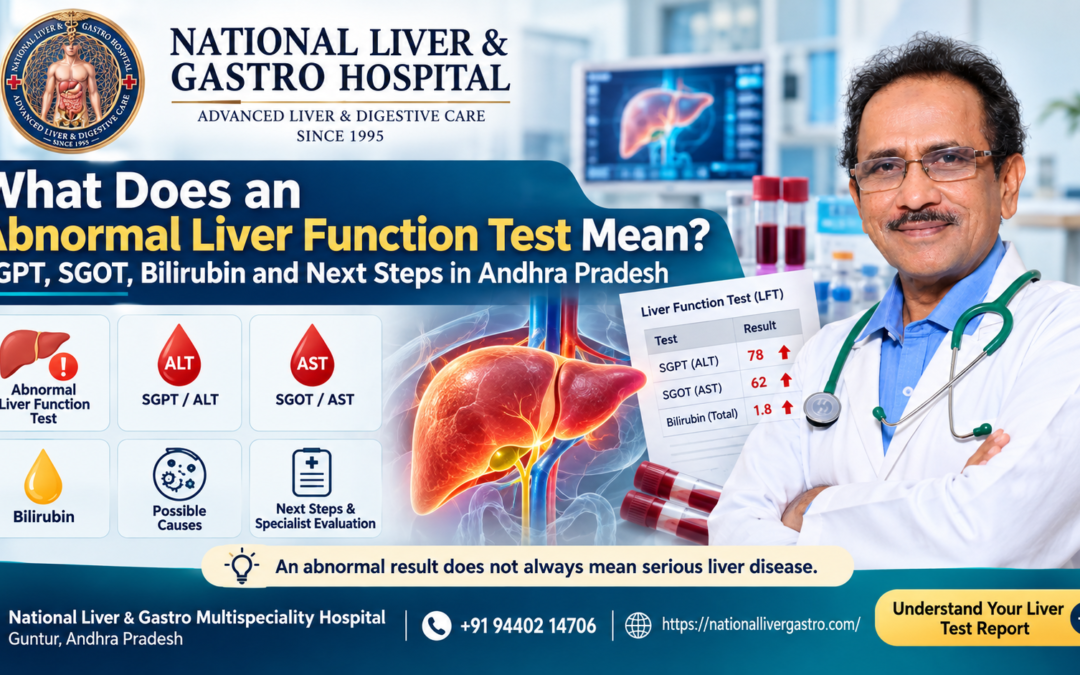
What Does an Abnormal Liver Function Test Mean? SGPT, SGOT, Bilirubin and Next Steps in Andhra Pradesh

What Does an Abnormal Liver Function Test Mean? SGPT, SGOT, Bilirubin and Next Steps in Andhra Pradesh

Seeing an abnormal liver function test on a blood report can be worrying, especially when numbers such as SGPT, SGOT, ALT, AST or bilirubin are outside the laboratory reference range. However, an abnormal result does not automatically mean that you have serious liver disease.

Liver blood tests are usually interpreted together rather than one number being considered on its own. The result may be influenced by liver conditions, medicines, alcohol use, infections, metabolic health, bile duct problems and, in the case of AST, conditions outside the liver as well.

This guide explains what common liver test results mean, why they may become abnormal, what your doctor may recommend next and when specialist evaluation is important. If you are looking for a Gastro Hospital in Andhra Pradesh, understanding your report can help you have a more informed discussion with a qualified specialist.

Quick answer: An abnormal liver function test means one or more substances or enzymes measured in the blood are outside the laboratory’s expected range. Common tests include ALT (SGPT), AST (SGOT), alkaline phosphatase, bilirubin, albumin and sometimes GGT or clotting tests. The meaning depends on which result is abnormal, how high or low it is, whether the pattern persists and what symptoms or medical conditions are present.

Have an Abnormal Liver Blood Test?

Bring your latest blood report to a qualified gastroenterology specialist for proper interpretation and advice about appropriate next steps.

Call +91 94402 14706 WhatsApp Us Book an Appointment View Hospital Location

What Is a Liver Function Test?

A liver function test, often called an LFT or liver panel, is a group of blood tests used to assess substances associated with the liver and biliary system. Some tests indicate liver-cell injury, while others provide information about bile flow or the liver’s ability to make proteins and clotting factors.

The term “liver function test” is widely used, but not every test in the panel directly measures liver function. ALT and AST, for example, are mainly markers of cellular injury. Albumin and prothrombin time provide different information about liver synthetic function.

Because these tests provide different types of information, doctors normally interpret the complete pattern alongside symptoms, medical history and other investigations.

What Do SGPT, SGOT, ALT and AST Mean?

SGPT and SGOT are older names that many people still see on laboratory reports. Modern reports often use the terms ALT and AST.

Test Common Name What It Generally Indicates
ALT SGPT ALT is found mainly in the liver. An elevated level can indicate liver-cell injury, although the result does not identify the cause by itself.
AST SGOT AST can rise with liver injury but is also present in muscles and other tissues. It therefore needs to be interpreted with other results.
ALP Alkaline phosphatase ALP can increase with problems involving bile flow, but it can also come from tissues such as bone. Additional testing may help identify the source.
Bilirubin Total / Direct / Indirect Bilirubin is produced during normal breakdown of red blood cells and is processed and removed by the liver. Elevated levels may occur with liver disease, bile duct obstruction or increased red blood cell breakdown.
Albumin Liver-made protein Albumin provides information about protein production and can be affected by conditions other than liver disease.
GGT Gamma-glutamyl transferase GGT can help doctors interpret certain alkaline phosphatase elevations and assess hepatobiliary patterns.

What Does a High SGPT or ALT Level Mean?

SGPT is another name for alanine aminotransferase, or ALT. Because ALT is concentrated mainly in the liver, an increase can be a sign of liver-cell injury.

Possible causes include fatty liver disease, viral hepatitis, medication-related liver injury, alcohol-related liver disease and other liver conditions. ALT can also be affected by factors such as intense exercise, certain medicines and supplements.

The amount of ALT elevation is also important. A small increase and a very large increase may lead a doctor toward different parts of the diagnostic process. Reference ranges also vary between laboratories, so a result should be compared with the range printed on your individual report.

An elevated ALT does not by itself tell you whether the liver is permanently damaged or what disease is responsible. Further assessment is often needed.

What Does a High SGOT or AST Level Mean?

SGOT is the older name for aspartate aminotransferase, or AST. AST can increase when liver cells are injured, but AST is also present in skeletal muscle, heart muscle and other tissues.

This means a high AST does not always point exclusively to a liver problem. Doctors may compare AST with ALT, other liver tests and your symptoms to understand the pattern.

Recent intense exercise, muscle injury and certain medical conditions can affect AST. For this reason, it is important not to interpret a raised SGOT result without considering the complete clinical picture.

What Does High Bilirubin Mean?

Bilirubin is a yellow substance produced when the body breaks down old red blood cells. The liver processes bilirubin and helps remove it through bile.

When bilirubin is elevated, doctors may determine whether the increase is mainly direct, also called conjugated, or indirect, also called unconjugated. This distinction can help narrow down possible causes.

High bilirubin may occur with liver disease, bile duct obstruction or conditions that increase the breakdown of red blood cells. When bilirubin rises significantly, some people may develop yellowing of the skin or whites of the eyes, known as jaundice.

Important: Do not diagnose the cause of jaundice from bilirubin alone. Bilirubin results need to be interpreted with other blood tests, symptoms and, when appropriate, imaging.

Why Can Liver Function Tests Become Abnormal?

There are many possible reasons for abnormal liver blood tests. In some people, the change is temporary. In others, an abnormal pattern may be an early clue to a liver or biliary condition that needs further evaluation.

Fatty Liver and Metabolic Health

Metabolic dysfunction-associated steatotic liver disease and related fatty liver conditions can be associated with elevated ALT or AST. Diabetes, excess body weight and other metabolic risk factors may increase the likelihood of fatty liver disease.

Viral Hepatitis

Hepatitis viruses can cause inflammation and liver-cell injury. Depending on the clinical situation, a doctor may recommend blood tests for hepatitis A, B or C and other investigations.

Medicines and Supplements

Prescription medicines, over-the-counter medicines and some herbal or dietary supplements can affect liver blood tests. A complete medication and supplement history is therefore important.

Alcohol-Related Liver Injury

Alcohol can affect liver health and may contribute to abnormal liver enzymes. The relevance of alcohol depends on the amount, pattern of use and the individual’s overall health.

Bile Duct or Gallbladder Problems

Conditions that interfere with bile flow can affect alkaline phosphatase and bilirubin and may sometimes be accompanied by abdominal discomfort or jaundice.

Other Causes

Autoimmune liver conditions, inherited disorders, muscle injury, infections and other medical problems can also produce abnormal results. This is why a single blood value should not be treated as a final diagnosis.

How Doctors Interpret an Abnormal Liver Test Pattern

The pattern of abnormalities can be more informative than one isolated number. Doctors commonly consider whether the main changes involve ALT and AST, alkaline phosphatase, bilirubin or several tests together.

Pattern Tests Often More Noticeably Abnormal What It May Prompt Doctors to Investigate
Hepatocellular pattern ALT and/or AST Possible liver-cell injury from conditions such as viral hepatitis, fatty liver, alcohol-related injury or medication effects.
Cholestatic pattern ALP, often with bilirubin Possible problems affecting bile flow or the biliary system.
Mixed pattern ALT/AST and ALP A combination of hepatocellular and cholestatic abnormalities requiring broader evaluation.
Predominantly elevated bilirubin Bilirubin Further distinction between direct and indirect bilirubin and investigation of liver, bile duct and non-liver causes.

What Are the Next Steps After an Abnormal LFT?

The next step is not always another complicated scan. In many cases, doctors begin by confirming the abnormality, reviewing your history and looking at the complete laboratory pattern.

A Typical Evaluation May Include:

  • Reviewing the exact laboratory results and reference ranges.
  • Checking previous blood reports to see whether the abnormality is new or persistent.
  • Reviewing prescription medicines, pain medicines, supplements and herbal products.
  • Discussing alcohol use, diet, weight, diabetes and other metabolic risk factors.
  • Reviewing symptoms such as jaundice, abdominal pain, nausea, itching or dark urine.
  • Considering hepatitis and other blood tests when appropriate.
  • Using ultrasound or other imaging when the history and laboratory pattern indicate it.
  • Assessing for liver fibrosis or other complications when clinically indicated.
  • Arranging specialist follow-up if the abnormalities are significant, persistent or unexplained.

When Should You See a Liver Specialist?

A one-time mild abnormal result may sometimes need repeat testing or simple follow-up. However, specialist assessment becomes more important when the abnormality is persistent, marked, associated with symptoms or difficult to explain.

Patients seeking a Liver Specialist in Andhra Pradesh may benefit from having their complete laboratory report, previous imaging reports and medication list ready for the consultation.

Consider specialist evaluation when you have recurring abnormal liver tests, unexplained jaundice, persistent enzyme elevation, known hepatitis, suspected fatty liver with risk factors, abnormal bilirubin or possible bile duct disease.

Why Is a Gastroenterology Hospital Helpful for Abnormal Liver Tests?

Abnormal liver tests can sometimes require more than a single blood test. Depending on the suspected cause, evaluation may involve blood work, ultrasound, advanced imaging, endoscopy or specialist follow-up.

A dedicated Gastroenterology Hospital in Guntur can be useful when patients need coordinated evaluation for liver, digestive and biliary conditions.

When searching online for a Best Liver Specialist in Guntur or a Best Gastro Hospital in Guntur , focus on relevant specialist expertise, diagnostic facilities, treatment pathways and follow-up care rather than relying only on a search ranking.

What Symptoms Can Occur Alongside Abnormal Liver Tests?

Some people with abnormal liver blood tests have no symptoms. Others may notice symptoms related to the underlying condition.

  • Unusual tiredness or weakness
  • Loss of appetite
  • Nausea or vomiting
  • Upper or right-sided abdominal discomfort
  • Yellowing of the skin or eyes
  • Dark-coloured urine
  • Pale stools
  • Generalised itching
  • Abdominal swelling or leg swelling

Symptoms alone cannot establish the cause. Some digestive and non-liver conditions can produce similar complaints, so medical evaluation is important when symptoms persist or become significant.

When Should Abnormal Liver Results Be Evaluated Urgently?

Seek prompt medical attention when abnormal liver tests occur with significant jaundice, severe or persistent abdominal pain, repeated vomiting, confusion, unusual bleeding, marked weakness or rapidly worsening symptoms.

Call +91 94402 14706 Find National Liver & Gastro Hospital

What Should You Bring to a Liver Specialist Appointment?

A little preparation can make your consultation more useful. Instead of bringing only the latest abnormal result, take your complete health information with you.

Keep These Details Ready:

  • Your latest liver function test report.
  • Older reports, if available.
  • Ultrasound, CT, MRI or other scan reports.
  • A list of prescription and over-the-counter medicines.
  • Details of vitamins, herbal products or dietary supplements.
  • Information about known diabetes, high cholesterol or other health conditions.
  • A note of symptoms, when they started and whether they are getting worse.

Can an Abnormal Liver Test Return to Normal?

Sometimes, yes. The outcome depends entirely on the underlying reason for the abnormal result. Some temporary causes may resolve after the triggering problem improves, while chronic liver conditions may require ongoing monitoring and treatment.

The important point is not to assume that a repeat normal result always rules out liver disease or that one abnormal test automatically confirms it. Doctors consider trends over time along with symptoms, risk factors, examination findings and other investigations.

Abnormal Liver Test Evaluation at National Liver & Gastro Multispeciality Hospital

National Liver & Gastro Multispeciality Hospital in Guntur provides specialist evaluation for liver and gastrointestinal concerns.

Patients with abnormal SGPT, SGOT, bilirubin or other liver blood test results can discuss their reports with a qualified specialist and understand which additional investigations may be appropriate for their situation.

Depending on the clinical findings, the evaluation may include a review of blood tests, medical history, medications, metabolic risk factors, imaging and other diagnostic investigations.

If you are searching for a Gastro Specialist in near me in the Guntur area, convenient access should be considered alongside specialist expertise, diagnostic support and the ability to provide appropriate follow-up.

Need Help Understanding an Abnormal Liver Report?

Do not rely on one test value alone. Get your complete report reviewed and discuss the appropriate next steps with a qualified gastroenterology or liver specialist.

Call +91 94402 14706 WhatsApp Us Book an Appointment View Google Maps

Frequently Asked Questions About Abnormal Liver Function Tests

1. What does an abnormal liver function test mean?

It means one or more measurements in the liver panel are outside the laboratory’s reference range. The result does not automatically diagnose liver disease. Doctors interpret the full pattern together with symptoms, medical history and other tests.

2. Is high SGPT the same as high ALT?

Yes. SGPT is an older term for ALT, or alanine aminotransferase. ALT is mainly found in the liver, and a higher-than-expected result may indicate liver-cell injury, although other factors can also affect the level.

3. Is SGOT the same as AST?

Yes. SGOT is the older name for AST, or aspartate aminotransferase. AST can rise with liver injury, but it is also present in muscles and other tissues, so the result must be interpreted in context.

4. Does high bilirubin always mean liver disease?

No. High bilirubin can occur because of liver disease, impaired bile flow or increased breakdown of red blood cells. Doctors may separate direct and indirect bilirubin to help determine the likely cause.

5. Can fatty liver cause abnormal SGPT and SGOT?

Yes. Fatty liver conditions can be associated with raised ALT and AST. However, abnormal enzymes can have many causes, so further assessment may be required before identifying the reason for the result.

6. Can medicines cause abnormal liver tests?

Yes. Some prescription medicines, over-the-counter medicines and supplements can affect liver blood tests. Do not stop a prescribed medicine without discussing it with the healthcare professional who manages your treatment.

7. What tests may be needed after an abnormal LFT?

Depending on the pattern and clinical history, a doctor may recommend repeat blood testing, hepatitis testing, additional liver chemistry tests, ultrasound or other imaging, and sometimes fibrosis assessment or specialist investigations.

8. Should I worry if my liver enzymes are slightly high?

A slight elevation does not by itself tell you how serious the problem is. The laboratory reference range, pattern of results, trend over time, symptoms and other health factors all matter.

9. When should I see a liver specialist?

Specialist evaluation may be appropriate when liver tests remain abnormal, the cause is unclear, bilirubin is elevated, symptoms are present, hepatitis or fatty liver is suspected, or there are signs of a more significant liver or bile duct problem.

10. How can I find a liver or gastro specialist near me?

Look for a qualified gastroenterology or liver specialist who can interpret abnormal liver tests and arrange appropriate diagnostic evaluation. Consider specialist experience, diagnostic facilities, treatment options, location and follow-up care.

What Should You Do After an Abnormal Liver Function Test?

An abnormal liver report is a reason to investigate, not a reason to panic. SGPT or ALT may indicate liver-cell injury, SGOT or AST can rise from liver or non-liver causes, and bilirubin can increase for several different reasons.

The most useful next step is to understand the complete pattern rather than focusing on one number. Your doctor may compare current and previous results, review medicines and risk factors, assess symptoms and decide whether further blood tests or imaging are necessary.

For patients looking for specialist care in the region, a dedicated Gastroenterology Hospital in Guntur can provide a setting for coordinated evaluation of liver and digestive concerns.

If you have an abnormal report and want professional guidance, contact National Liver & Gastro Multispeciality Hospital to discuss consultation and available diagnostic services.

Medical Information Sources

This article is for general educational information only. The meaning of an abnormal liver test depends on the individual patient and should be assessed by a qualified healthcare professional.

American College of Gastroenterology – Evaluation of Abnormal Liver Chemistries

MedlinePlus – Liver Function Tests

MedlinePlus – ALT Blood Test

MedlinePlus – AST Test

MedlinePlus – Bilirubin Blood Test

Medical Disclaimer: This article provides general educational information and is not a diagnosis or substitute for professional medical advice. Laboratory reference ranges differ between laboratories, and an abnormal result should be interpreted according to the patient’s symptoms, medical history and complete test report. Do not stop prescribed medicines without medical advice. Seek prompt medical attention for severe or rapidly worsening symptoms, significant jaundice, confusion, repeated vomiting, unusual bleeding or severe abdominal pain.