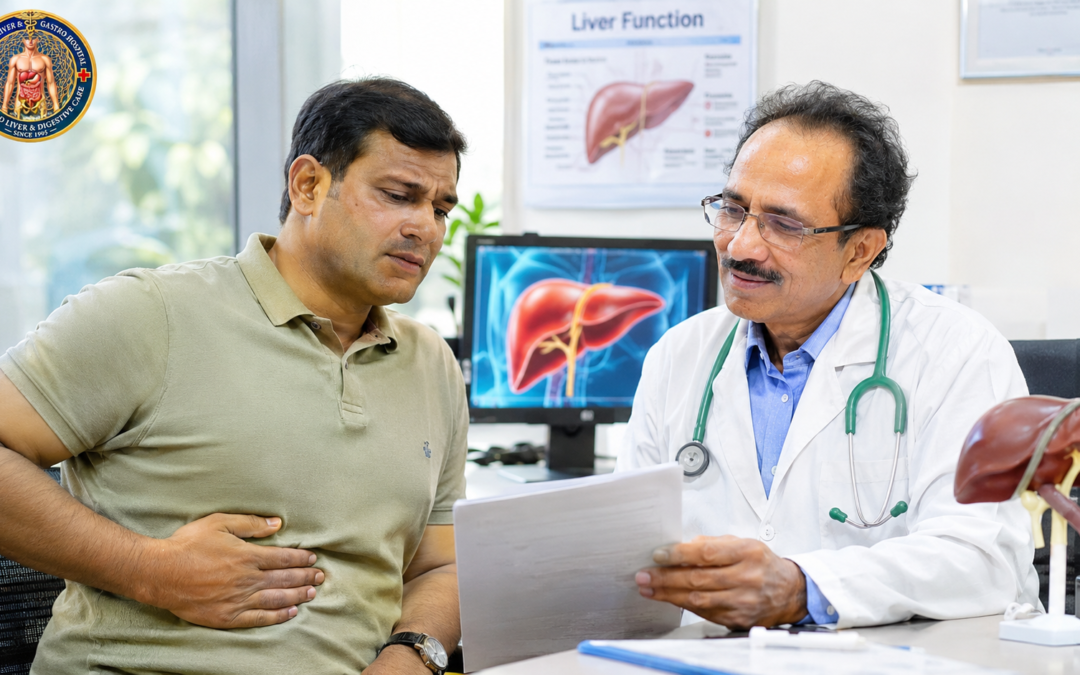
Jaundice, Swelling or Constant Tiredness? 7 Liver Warning Signs That Need a Hepatic Disorders Clinic in Andhra Pradesh
The liver performs many essential functions that support digestion, metabolism, blood clotting and the removal of waste products from the body. However, liver conditions do not always cause obvious symptoms during their early stages. Some people continue with their normal routine while changes in liver health develop gradually.
Jaundice, swelling around the abdomen or legs, and persistent tiredness are symptoms that should not be ignored, particularly when they occur together or continue without an obvious explanation. They can sometimes be associated with liver conditions such as hepatitis, fatty liver disease, cirrhosis or problems affecting bile flow.
These symptoms do not automatically mean that someone has liver disease. Other medical conditions can cause similar complaints. A proper assessment, medical history and suitable investigations help identify the underlying reason.
If you are looking for a Gastro Specialist in Andhra Pradesh, understanding the warning signs and knowing when to seek medical attention can help you make informed decisions about your health.
This guide explains seven possible liver warning signs, the investigations doctors may recommend, and why timely consultation at a suitable hepatic disorders clinic can be important.
Quick Answer: Yellowing of the eyes or skin, abdominal swelling, leg swelling, persistent fatigue, dark urine, pale stools and unexplained itching can sometimes be associated with liver or bile-duct disorders. These symptoms have several possible causes and cannot confirm a liver diagnosis on their own. A doctor may recommend blood tests, ultrasound, viral hepatitis screening or liver stiffness assessment depending on the findings. Severe confusion, vomiting blood, black stools or rapidly increasing abdominal swelling require urgent medical evaluation.
Concerned About Your Liver Health?
Do not ignore persistent jaundice, unexplained swelling or ongoing tiredness. Discuss your symptoms and suitable investigations with a qualified healthcare professional.
Call +91 94402 14706 WhatsApp Us Book an AppointmentWhy Is It Important to Recognise Liver Warning Signs?
The liver is located in the upper-right part of the abdomen. It helps process nutrients, produces proteins needed for blood clotting, supports digestion by producing bile and processes medicines and other substances.
When the liver becomes inflamed or damaged, some of these functions may be affected. The symptoms depend on the underlying condition, how advanced it is and whether complications have developed.
For example, hepatitis can cause inflammation of liver cells, while long-standing liver injury may lead to fibrosis or cirrhosis. Advanced liver disease can sometimes affect fluid balance, blood clotting and the body’s ability to remove waste products.
Recognising changes early does not mean assuming the worst. It means arranging an appropriate medical assessment rather than ignoring symptoms that persist, worsen or appear together.
7 Liver Warning Signs You Should Not Ignore
The following symptoms can occur in people with liver or bile-duct conditions. However, none of them is specific to liver disease. A healthcare professional should assess the complete clinical picture before identifying the cause.
1. Yellowing of the Eyes or Skin (Jaundice)
Jaundice is one of the best-known signs associated with liver and bile-duct problems. It causes the skin or the whites of the eyes to develop a yellow appearance because bilirubin builds up in the bloodstream.
Bilirubin is a yellow substance produced when the body breaks down old red blood cells. The liver normally processes bilirubin and helps remove it through bile.
Jaundice can occur when the liver cannot process bilirubin properly, when bile flow is blocked or when red blood cells are being broken down unusually quickly.
Possible associated symptoms include:
- Yellowing of the whites of the eyes.
- Yellowish skin.
- Dark or tea-coloured urine.
- Pale or clay-coloured stools.
- Itching of the skin.
- Reduced appetite or nausea.
Jaundice needs medical assessment because its causes can range from hepatitis and medication-related liver injury to gallstones or other bile-duct conditions.
Important: New or unexplained jaundice should be assessed promptly. Do not rely on home remedies or assume that yellow eyes will resolve without identifying the cause.
2. Swelling of the Abdomen (Ascites)
Unusual or increasing abdominal swelling can sometimes occur in advanced liver disease. When fluid collects inside the abdominal cavity, the condition is known as ascites.
Cirrhosis can contribute to changes in blood flow through the liver and fluid regulation. These changes may lead to fluid accumulation in the abdomen.
Possible signs of ascites include:
- A steadily increasing abdominal size.
- A feeling of heaviness or tightness in the abdomen.
- Uncomfortable fullness after eating.
- Shortness of breath when abdominal swelling becomes significant.
- Rapid weight gain caused by fluid retention.
Abdominal swelling is not always caused by liver disease. Digestive problems, heart conditions, kidney disorders and other illnesses can also contribute to fluid accumulation or abdominal enlargement.
A doctor may recommend a physical examination, ultrasound and blood tests. If ascites is suspected, fluid testing may be needed to identify its cause.
3. Persistent Tiredness and Unusual Weakness
Feeling tired after a busy day is common. However, persistent fatigue that affects everyday activities deserves attention, particularly when it occurs with other symptoms.
Some people with chronic liver conditions report ongoing tiredness, reduced energy or difficulty completing normal tasks. Fatigue can occur even when other liver symptoms are not obvious.
Possible accompanying complaints include:
- Reduced stamina during routine activities.
- Feeling exhausted despite adequate rest.
- Reduced appetite.
- Difficulty concentrating.
- A general feeling of weakness.
Fatigue has many possible causes, including anaemia, thyroid disorders, sleep problems, infections, diabetes and emotional stress. It should not automatically be attributed to the liver.
A healthcare professional may recommend blood investigations based on the patient’s symptoms and medical history.
4. Swelling in the Feet, Ankles or Legs
Fluid accumulation in the lower limbs is called peripheral oedema. It can sometimes occur in people with advanced liver disease, particularly when the body’s fluid balance and blood protein levels are affected.
Possible signs include:
- Swollen ankles or feet.
- Tightness around footwear or socks.
- Swelling that leaves a temporary indentation when pressed.
- Leg heaviness or discomfort.
- Swelling occurring alongside abdominal enlargement.
Leg swelling can also be related to heart disease, kidney conditions, vein problems, certain medicines or prolonged sitting. A proper assessment is necessary to determine the cause.
Seek urgent help: Sudden swelling in one leg accompanied by pain, redness or warmth needs prompt medical evaluation. Sudden breathlessness or chest pain requires emergency care.
5. Dark Urine or Pale-Coloured Stools
Changes in urine or stool colour can sometimes provide clues about bilirubin processing and bile flow.
When bilirubin levels rise, urine may become unusually dark. If bile is not reaching the intestine normally, stools may become pale, greyish or clay-coloured.
These changes may occur with jaundice, itching or abdominal discomfort. They can be associated with hepatitis, bile-duct obstruction and other liver or biliary conditions.
A doctor may recommend bilirubin testing, liver function tests and imaging to investigate persistent changes.
6. Persistent Itching Without an Obvious Skin Rash
Some people with liver or bile-flow disorders experience itching, also called pruritus. It may affect different parts of the body and can become more noticeable at night.
In certain cholestatic conditions, substances associated with impaired bile flow may contribute to itching. However, itching is also common with dry skin, allergies, kidney disorders, thyroid problems and other conditions.
Consult a healthcare professional if itching is persistent, unexplained or associated with yellow eyes, dark urine or pale stools.
7. Nausea, Reduced Appetite or Discomfort in the Upper Right Abdomen
Liver-related conditions can sometimes be accompanied by nausea, poor appetite or discomfort in the upper-right part of the abdomen.
Some people describe a feeling of fullness, mild pressure or discomfort below the right side of the rib cage.
These symptoms are not specific to the liver. Gallbladder problems, acid reflux, gastritis, intestinal conditions and other digestive disorders can cause similar complaints.
If you experience recurring discomfort after meals, a doctor may assess whether it is related to the liver, gallbladder or digestive system. People looking for a Stomach pain after eating doctor Guntur can discuss persistent symptoms with a qualified medical professional.
Quick Comparison of the 7 Possible Warning Signs
| Warning Sign | Possible Association | When to Seek Assessment |
|---|---|---|
| Yellow eyes or skin | Bilirubin build-up, liver inflammation or bile-flow problems | Prompt medical assessment |
| Abdominal swelling | Ascites or other abdominal conditions | Prompt assessment, especially if increasing |
| Persistent fatigue | Liver disease, anaemia, thyroid or other conditions | If unexplained or ongoing |
| Leg or ankle swelling | Fluid retention, liver, heart, kidney or vein conditions | Assessment if new or persistent |
| Dark urine or pale stools | Bilirubin or bile-flow changes | Prompt assessment, especially with jaundice |
| Unexplained itching | Cholestasis or other skin and systemic conditions | If persistent or associated with other symptoms |
| Nausea or upper abdominal discomfort | Liver, gallbladder or digestive conditions | If recurring, severe or worsening |
Which Liver Conditions Can Cause These Symptoms?
Several medical conditions can affect liver function or bile flow. The symptoms may overlap, so testing and clinical evaluation are important.
Fatty Liver Disease
Fatty liver disease involves excess fat accumulation in the liver. Metabolic dysfunction-associated steatotic liver disease (MASLD) is commonly associated with conditions such as excess body weight, type 2 diabetes, abnormal cholesterol and high blood pressure.
Many people with fatty liver disease have no noticeable symptoms. Some may report tiredness or vague discomfort in the upper-right abdomen. In some cases, inflammation and fibrosis can develop over time.
Assessment may include medical history, blood tests, ultrasound and non-invasive fibrosis evaluation when appropriate.
Viral Hepatitis
Hepatitis refers to inflammation of the liver. Viral causes include hepatitis A, B, C, D and E. The way these infections spread, their possible complications and their treatment options differ.
Some infections cause short-term illness, while hepatitis B and C can become chronic in certain people. Blood tests help identify the specific infection and guide further evaluation.
Liver Cirrhosis
Cirrhosis is advanced scarring of the liver. It can develop after long-standing liver injury caused by conditions such as chronic viral hepatitis, alcohol-related liver disease or metabolic liver disease.
In advanced stages, complications may include ascites, leg swelling, jaundice, bleeding from enlarged veins and changes in mental alertness.
People with cirrhosis require an individualised care plan and regular monitoring for complications.
Cholestasis and Bile-Duct Problems
Cholestasis occurs when bile formation or flow is reduced. It may be associated with liver conditions, certain medicines or blockage of the bile ducts.
Possible symptoms include jaundice, itching, dark urine and pale stools. Gallstones and other conditions affecting the bile ducts may also cause abdominal pain.
Medicine-Related Liver Injury
Some prescription medicines, over-the-counter products and herbal supplements can cause liver injury in certain people. The risk depends on the substance, dose, duration and individual health factors.
Tell your doctor about all medicines, supplements and herbal products you use. Do not stop prescribed medication without medical advice.
When Should You Visit a Hepatic Disorders Clinic?
A medical consultation is appropriate when symptoms are unexplained, persistent, recurring or worsening. It is especially important when several symptoms occur together.
Consider arranging a medical assessment if you notice:
- New yellowing of the eyes or skin.
- Repeated episodes of abdominal swelling.
- Persistent swelling of the feet or ankles.
- Ongoing tiredness without an obvious explanation.
- Dark urine or pale stools that persist.
- Unexplained itching along with other symptoms.
- Previously abnormal liver blood test results.
- A known history of hepatitis or chronic liver disease.
Do not delay urgent care: Confusion, vomiting blood, black tar-like stools, severe abdominal pain, rapidly increasing abdominal swelling or severe deterioration can indicate a serious condition. Seek emergency medical attention rather than waiting for a routine appointment.
What Tests May a Doctor Recommend for Liver Problems?
There is no single test that diagnoses every liver condition. The investigations depend on symptoms, examination findings, medical history and suspected diagnosis.
1. Liver Function and Liver Enzyme Tests
Blood tests may include ALT, AST, alkaline phosphatase, GGT, bilirubin, albumin and other measurements. These results can help assess liver-cell injury, bile-flow abnormalities and aspects of liver function.
Abnormal results do not always mean serious liver disease. Normal results also do not exclude every liver condition. A doctor interprets them alongside other findings.
2. Complete Blood Count
A complete blood count may help identify anaemia, changes in platelet levels and other findings that can be relevant to the overall assessment.
3. Viral Hepatitis Screening
Depending on the history and clinical findings, testing may include hepatitis B surface antigen (HBsAg), hepatitis C antibody and confirmatory viral-load tests when indicated.
4. Abdominal Ultrasound
Ultrasound can help examine the liver, gallbladder and bile ducts. It may identify fatty changes, structural abnormalities, enlarged organs, certain masses or fluid accumulation.
5. FibroScan or Liver Stiffness Assessment
FibroScan is a non-invasive test that measures liver stiffness and can help estimate the likelihood of fibrosis. It may also provide information about liver fat, depending on the equipment and assessment.
It does not replace every other investigation and should be interpreted with the patient’s medical history and other test results.
6. Additional Investigations
Some patients may need further blood tests, CT or MRI imaging, endoscopy, fluid analysis or occasionally a liver biopsy. These are recommended only when clinically appropriate.
You can enquire about available Gastro Specialist in Andhra Pradesh consultation and liver evaluation services through the hospital’s website.
How Are Liver Disorders Treated?
Treatment depends on the underlying diagnosis. There is no single medicine or diet that treats every liver condition. The doctor considers the cause, disease stage, test results and other health conditions before recommending a plan.
Management of Fatty Liver Disease
For many people with metabolic fatty liver disease, management focuses on sustainable lifestyle changes and control of related health conditions.
- Work towards a healthy weight when appropriate.
- Follow a balanced eating pattern.
- Increase regular physical activity according to medical advice.
- Manage diabetes, blood pressure and cholesterol.
- Avoid unnecessary supplements and unverified detox products.
- Attend follow-up appointments and recommended tests.
Management of Viral Hepatitis
Treatment depends on the type of virus. Some infections require supportive care, while chronic hepatitis B may need monitoring or antiviral medication. Hepatitis C can often be cured with modern direct-acting antiviral medicines.
The appropriate treatment should be selected by a qualified clinician after confirming the diagnosis and reviewing possible medication interactions.
Management of Cirrhosis
Care for cirrhosis focuses on treating the underlying cause, preventing complications and monitoring liver health. Depending on the patient’s condition, treatment may involve medicines, dietary guidance, procedures for complications and specialist follow-up.
Management of Ascites and Fluid Retention
Fluid accumulation may require dietary sodium guidance, prescribed medicines, monitoring or a procedure to remove fluid. The treatment depends on the cause and severity. Patients should not start diuretics or restrict fluids without medical advice.
How Can You Support Your Liver Health?
Healthy habits can help reduce certain liver disease risks and support overall wellbeing. They do not replace medical treatment when a liver condition has been diagnosed.
Practical Liver Health Habits
- Choose a balanced diet with vegetables, fruits, whole grains and suitable protein sources.
- Stay physically active according to your health and fitness level.
- Work towards a healthy weight if advised by your healthcare professional.
- Limit or avoid alcohol, particularly if you have liver disease.
- Take medicines only as directed and avoid exceeding recommended doses.
- Discuss herbal supplements and detox products with your doctor before using them.
- Ask about hepatitis A and B vaccination when appropriate.
- Follow safe injection and blood-exposure prevention practices.
- Attend recommended liver health reviews and investigations.
Avoid relying on liver detox drinks, unverified supplements or online remedies. Some products marketed for liver cleansing can cause harm or interact with prescribed medicines.
Can Digestive Problems Also Be Related to Liver Conditions?
The liver, gallbladder, pancreas and digestive tract work together in several important ways. However, not every digestive complaint is caused by liver disease.
Bloating, gas, acidity, reflux and changes in bowel habits may be related to common digestive conditions. Persistent or severe symptoms deserve an assessment to identify the correct cause.
People searching for a Bloating and gas doctor Guntur or an Acidity and acid reflux specialist Guntur should discuss recurring symptoms with a qualified healthcare professional.
A doctor may consider conditions such as acid reflux, gastritis, irritable bowel syndrome or food intolerance when evaluating digestive complaints. If liver-related symptoms are also present, further investigations may be appropriate.
Patients looking for a Best gastroenterologist for digestion problems in AP or information about IBS treatment in Andhra Pradesh should seek an assessment based on their symptoms rather than self-diagnosing.
Why Is Regular Monitoring Important for People With Liver Disease?
Some liver conditions require follow-up even when a person feels well. Monitoring helps doctors understand whether the condition is stable, improving or progressing.
Depending on the diagnosis, follow-up may involve:
- Repeat liver blood tests.
- Assessment of bilirubin, albumin and platelet counts.
- Viral hepatitis monitoring when relevant.
- Ultrasound or other imaging when indicated.
- Fibrosis assessment in selected patients.
- Monitoring for complications of cirrhosis.
- Review of prescribed medicines and lifestyle changes.
The frequency of follow-up is individualised. People should follow the schedule recommended by their treating clinician.
Choosing a Liver and Gastroenterology Hospital in Andhra Pradesh
When selecting a healthcare facility for liver-related symptoms, consider the availability of appropriate specialist consultation, diagnostic evaluation and follow-up care.
Specialist Assessment
Look for a facility where your symptoms, medical history and previous reports can be reviewed as part of an individual assessment.
Relevant Diagnostic Services
Depending on the condition, investigations such as liver blood tests, viral hepatitis screening, ultrasound and liver stiffness assessment may be needed.
Clear Treatment and Follow-Up Planning
A good consultation should explain the likely diagnosis, the purpose of recommended tests, available treatment options and when follow-up is needed.
Accessible Hospital Information
Before visiting, confirm the hospital’s address, contact details, appointment arrangements and available services.
People searching for the Best Gastroenterology Hospital in Guntur can review the hospital’s published information and contact the facility to enquire about available consultations.
Need a Liver or Gastroenterology Consultation?
Discuss jaundice, abdominal swelling, persistent fatigue or digestive concerns with a qualified healthcare professional.
Call +91 94402 14706 WhatsApp Us View Hospital LocationLiver and Gastroenterology Care at National Liver and Gastro Hospital
National Liver and Gastro Hospital is located in Guntur, Andhra Pradesh. Patients can contact the hospital to enquire about available gastroenterology and liver-related consultations.
If you are experiencing jaundice, unexplained abdominal swelling, persistent tiredness or other symptoms that concern you, arrange an appropriate medical assessment. Bring previous blood reports, imaging results and a list of medicines or supplements to your appointment.
For information about the hospital and its published services, visit National Liver and Gastro Hospital or contact the hospital directly.
Frequently Asked Questions About Liver Warning Signs
1. What are the early warning signs of liver problems?
Possible signs include persistent tiredness, reduced appetite, nausea, upper-right abdominal discomfort, itching, dark urine and jaundice. Some liver conditions cause no noticeable symptoms in their early stages.
2. Does yellowing of the eyes always mean liver disease?
No. Jaundice occurs when bilirubin builds up in the body. It can be caused by liver conditions, bile-duct blockage or increased breakdown of red blood cells. Medical evaluation is needed to identify the cause.
3. Can liver problems cause swelling in the stomach?
Yes. Advanced liver disease can cause fluid accumulation in the abdomen, a condition called ascites. However, abdominal swelling has several other possible causes and needs proper assessment.
4. Why do people with liver disease feel tired all the time?
Fatigue is reported by some people with liver conditions, but it is not specific to liver disease. Anaemia, thyroid disorders, infections, sleep problems and other conditions can also cause persistent tiredness.
5. Can liver disease cause swollen feet and ankles?
Yes. Some people with advanced liver disease develop fluid retention that affects the legs and ankles. Heart, kidney and vein conditions can also cause swelling.
6. What does dark urine indicate?
Dark urine can occur for several reasons, including dehydration and increased bilirubin. When it occurs with jaundice or pale stools, medical assessment is important.
7. Are pale stools a sign of liver problems?
Pale or clay-coloured stools can occur when bile is not reaching the intestine normally. This may be related to liver or bile-duct conditions and should be assessed, especially if accompanied by jaundice.
8. Can fatty liver cause symptoms?
Many people with fatty liver disease have no symptoms. Some experience tiredness or vague discomfort in the upper-right abdomen. Diagnosis and assessment depend on clinical evaluation and appropriate tests.
9. Which blood tests help check liver health?
Doctors may recommend ALT, AST, alkaline phosphatase, GGT, bilirubin, albumin and other blood tests. The exact tests depend on symptoms and medical history.
10. Is ultrasound enough to diagnose every liver condition?
No. Ultrasound can provide useful information about liver structure, gallbladder and fluid accumulation, but it cannot diagnose every liver condition. Blood tests and other investigations may also be needed.
11. What is FibroScan used for?
FibroScan is a non-invasive test that measures liver stiffness and can help estimate the likelihood of liver fibrosis. It is interpreted alongside other clinical findings.
12. Can hepatitis cause jaundice?
Yes. Some forms of viral hepatitis can cause jaundice, although many people with hepatitis may have mild symptoms or none at all. Blood testing helps identify the infection.
13. Can liver problems cause itching?
Some liver and bile-flow conditions can cause persistent itching. However, itching has many other causes, so it should not be used alone to diagnose liver disease.
14. Can digestive problems be related to liver disease?
Some liver and bile-duct conditions can cause nausea, appetite changes or abdominal discomfort. Bloating, acidity and reflux are also commonly associated with other digestive conditions.
15. When should I seek urgent medical attention for liver symptoms?
Confusion, vomiting blood, black stools, severe abdominal pain, rapidly increasing abdominal swelling or serious deterioration require urgent medical evaluation. New jaundice should also be assessed promptly.
16. Can lifestyle changes improve liver health?
Balanced nutrition, physical activity, appropriate weight management, avoiding alcohol when advised and controlling diabetes and cholesterol can support liver health. Lifestyle changes do not replace medical treatment when required.
17. Should I take liver detox supplements?
Do not use liver detox products without medical advice. Some supplements and herbal products can cause liver injury or interact with medicines.
18. Where can I enquire about liver and gastroenterology care in Guntur?
You can contact National Liver and Gastro Hospital in Guntur to enquire about available liver and gastroenterology consultations, appointment arrangements and published services.
Do Not Ignore Persistent Changes in Your Health
Jaundice, abdominal swelling, leg swelling and constant tiredness can sometimes be warning signs of liver or bile-duct conditions. Other symptoms, such as dark urine, pale stools, itching and upper abdominal discomfort, may also deserve investigation.
These symptoms do not confirm a liver diagnosis by themselves. Their causes can vary, and the right assessment depends on medical history, examination and appropriate investigations.
If symptoms are persistent, unexplained or worsening, arrange a consultation with a qualified healthcare professional. Early evaluation can help identify the cause and guide suitable care.
For people looking for liver and digestive healthcare information in Andhra Pradesh, National Liver and Gastro Hospital in Guntur can be contacted to enquire about available consultation options.
Take the Next Step for Your Liver Health
Discuss your symptoms and available assessment options with the hospital. Seek urgent care if you experience severe or rapidly worsening symptoms.
Call +91 94402 14706 WhatsApp Us Get DirectionsMedical Information Sources
This article is intended for general health education. The following public-health resources provide further information about liver conditions and their assessment.
World Health Organization – Hepatitis
National Institute of Diabetes and Digestive and Kidney Diseases – Liver Disease
National Liver and Gastro Hospital
24-4-9, Narasimha Swamy Temple Street,
Opposite Apollo Pharmacy, R Agraharam,
Prathipadu Road, Guntur,
Andhra Pradesh 522003
Medical Disclaimer: This article is for general educational purposes only and does not replace professional medical advice, diagnosis or treatment. Symptoms described here can have several causes. Do not self-diagnose or start, stop or change medication based on this article. Seek prompt medical evaluation for jaundice and urgent medical attention for confusion, vomiting blood, black stools, severe abdominal pain or rapidly worsening symptoms.