An unexpected finding on a routine ultrasound can leave you with several questions about your health. Many people discover excess fat in their liver even though they have never experienced significant abdominal discomfort or other noticeable symptoms.
The liver plays an essential role in digestion, metabolism, energy storage and removing harmful substances from the blood. When excess fat builds up inside liver cells, it may affect liver health over time, particularly when associated with diabetes, obesity or other metabolic conditions.
The good news is that liver fat can often be reduced through sustainable lifestyle changes and appropriate medical management. However, understanding the difference between fat accumulation and liver scarring is essential before deciding what treatment is needed.
Patients exploring Fatty Liver Treatment in Guntur can benefit from understanding their ultrasound reports, available diagnostic tests, dietary recommendations and the importance of specialist follow-up.
Quick Answer: Fatty liver is commonly described as grade 1, grade 2 or grade 3 on ultrasound, indicating mild, moderate or marked fat-related changes. These grades do not directly measure liver scarring. Treatment usually focuses on improving metabolic health, nutrition, physical activity and weight management when appropriate. Further tests may be needed to assess liver fibrosis.
Concerned About Your Liver Health?
Discuss your ultrasound findings and liver health concerns with a qualified gastroenterology or hepatology specialist in Guntur.
Call +91 94402 14706 WhatsApp Us Book ConsultationWhat Happens When Excess Fat Accumulates in the Liver?
A healthy liver naturally contains small amounts of fat. Problems may develop when fat accumulation becomes excessive and is associated with metabolic dysfunction, inflammation or progressive scarring.
One common form is metabolic dysfunction-associated steatotic liver disease, known as MASLD. This condition is associated with metabolic risk factors such as type 2 diabetes, excess abdominal weight, abnormal blood lipids and high blood pressure.
MASLD is the updated terminology for much of what was previously called non-alcoholic fatty liver disease. However, alcohol-associated liver disease, certain medicines and other conditions can also contribute to fatty changes.
Not everyone with excess liver fat develops severe liver disease. The risk depends on factors including inflammation, fibrosis, diabetes and overall metabolic health.
Understanding Mild, Moderate and Marked Liver Fat Changes
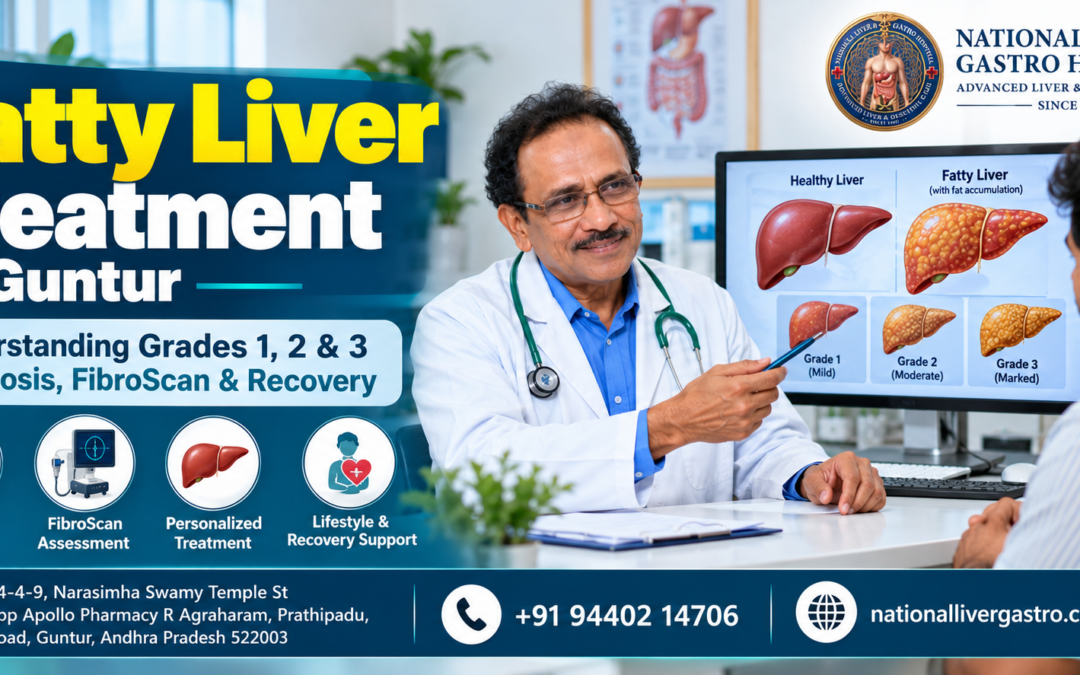
Ultrasound examinations sometimes describe fatty changes using three grades. These descriptions are based on how bright the liver appears and how clearly internal structures can be seen.
| Grade | Ultrasound Findings | Clinical Meaning |
|---|---|---|
| Grade 1 | Mildly increased liver brightness. | Mild fatty changes are suspected. |
| Grade 2 | Moderate brightness with reduced visibility of some internal structures. | More noticeable fat accumulation. |
| Grade 3 | Marked brightness and reduced visibility of deeper liver structures. | Marked fatty changes requiring appropriate clinical assessment. |
Ultrasound grading is not an exact measurement of liver fat percentage. It also cannot reliably determine the amount of fibrosis or inflammation.
Important: Grade 3 fatty liver is not the same as stage F3 fibrosis. Fatty liver grades describe imaging changes, while fibrosis stages describe the extent of liver scarring.
What Does a Mild Fatty Liver Finding Mean?
Mild fat accumulation is often discovered during routine health screening. Many individuals have no symptoms, and liver blood tests may be normal.
Although mild changes are frequently manageable, the finding should encourage a review of diet, physical activity, blood sugar, cholesterol, weight and alcohol intake.
Can Mild Fat Accumulation Improve?
Yes. Many people experience reductions in liver fat after improving nutrition, increasing activity and addressing metabolic risk factors.
For patients considering Fatty Liver Grade 1 Treatment , the approach generally begins with identifying modifiable risk factors and determining whether further fibrosis assessment is necessary.
Why Moderate Fatty Changes Need Attention
Moderate fat accumulation produces more noticeable changes on ultrasound. This may indicate an increased amount of fat within the liver, but it does not automatically mean permanent liver damage.
People with diabetes, high triglycerides or excess abdominal weight may benefit from a more detailed metabolic and liver assessment.
Can Moderate Fatty Liver Be Reversed?
Fat accumulation may improve with consistent lifestyle changes and suitable treatment of associated conditions. However, the degree of improvement varies, particularly when inflammation or fibrosis is also present.
A clinician may recommend blood-based fibrosis assessment or liver elastography to better understand individual risk.
Why Marked Fat Accumulation Requires Careful Evaluation
Marked fatty changes can make the liver appear significantly brighter during ultrasound imaging. Although this finding deserves attention, it does not confirm cirrhosis.
Some people with marked fat accumulation have little fibrosis, while others with less visible fat may already have significant scarring.
Recommended Next Steps
- Review the ultrasound report with a specialist.
- Assess diabetes, cholesterol and other metabolic risk factors.
- Discuss liver blood tests and fibrosis risk assessment.
- Consider FibroScan when clinically indicated.
- Follow an individualised management and monitoring plan.
Common Causes and Risk Factors
Excess liver fat can develop for several reasons. Understanding the underlying cause helps guide treatment and long-term prevention.
Insulin Resistance
Insulin resistance changes how the body handles glucose and fat. It is an important contributor to metabolic liver disease.
Type 2 Diabetes
People with type 2 diabetes have a higher risk of developing progressive metabolic liver disease, including significant fibrosis.
Excess Abdominal Weight
Fat stored around the waist is associated with metabolic changes that can affect liver health.
Unbalanced Eating Habits
Frequently consuming excess calories, sugary beverages and highly processed foods can contribute to metabolic dysfunction.
Physical Inactivity
A sedentary lifestyle can make it harder to maintain healthy blood sugar levels, body composition and cardiovascular health.
Alcohol and Other Causes
Alcohol intake, certain medications and other medical conditions may contribute to liver fat accumulation. Doctors consider these possibilities during diagnosis.
Can Liver Fat Develop Without Noticeable Symptoms?
Yes. Many individuals feel completely well despite having fatty changes on ultrasound. Symptoms are not a reliable way to determine the severity of liver disease.
| Possible Finding | What It May Indicate |
|---|---|
| No noticeable symptoms | Common in early or uncomplicated fatty liver. |
| Fatigue | May occur but is not specific to liver disease. |
| Upper abdominal discomfort | Can have several possible causes. |
| Abnormal liver enzymes | May suggest liver injury but require clinical interpretation. |
| Jaundice or abdominal swelling | Requires medical evaluation for possible serious liver disease. |
Which Tests Help Doctors Assess Liver Health?
Doctors use different investigations to evaluate liver function, metabolic health and the possibility of fibrosis.
Liver Function Blood Tests
These may include ALT, AST, bilirubin, albumin and other measurements depending on the clinical situation.
Normal liver enzymes do not always exclude significant fibrosis.
Abdominal Ultrasound
Ultrasound can detect fatty changes, particularly when fat accumulation is moderate or marked. It is less sensitive for mild steatosis.
FIB-4 Assessment
FIB-4 uses age, AST, ALT and platelet count to help estimate the likelihood of advanced liver fibrosis. Its interpretation depends on age and other clinical factors.
FibroScan
A Fatty Liver FibroScan Test can help assess liver stiffness and estimate fat accumulation using separate measurements.
The test is non-invasive and may be useful when additional fibrosis assessment is needed.
How Is Liver Scarring Different From Fat Accumulation?
Fat accumulation and fibrosis are separate features of liver disease.
Fibrosis develops when repeated liver injury causes scar tissue to form. Advanced fibrosis can progress to cirrhosis.
| Fibrosis Stage | Meaning |
|---|---|
| F0 | No established fibrosis. |
| F1 | Mild fibrosis. |
| F2 | Significant fibrosis. |
| F3 | Advanced fibrosis. |
| F4 | Cirrhosis. |
Fibrosis stage is an important factor in predicting long-term liver-related risk.
Medical and Lifestyle Approaches That Support Improvement
Treatment should address the underlying cause and associated medical conditions.
Healthy Weight Management
For people who are overweight, losing approximately 3% to 5% of body weight may reduce liver fat. Greater sustained weight loss may provide additional benefits for liver inflammation and fibrosis.
Regular Physical Activity
Moderate aerobic exercise and strength training can improve metabolic health. Activity may reduce liver fat even without substantial weight loss.
Managing Diabetes and Cholesterol
Controlling blood sugar, blood pressure and cholesterol can help address associated cardiometabolic risks.
Specialist-Prescribed Treatment
Selected patients with confirmed steatohepatitis and significant fibrosis may qualify for specific medical treatments, depending on their clinical circumstances and local availability.
Medicines should not be selected solely on the basis of an ultrasound grade.
Building a Balanced Diet for Better Liver Health
A sustainable eating pattern is generally more helpful than extreme dietary restrictions or short-term detox plans.
| Food Category | Practical Options |
|---|---|
| Vegetables | Leafy greens, gourds, beans and seasonal vegetables. |
| Whole grains | Oats, whole-wheat roti, suitable millets and balanced portions of rice. |
| Protein | Dal, legumes, eggs, fish and lean protein sources. |
| Fruits | Whole fruits instead of sweetened fruit beverages. |
| Healthy fats | Nuts, seeds and unsaturated oils in suitable amounts. |
| Beverages | Water and unsweetened drinks. |
Foods and Drinks Worth Limiting
- Sugary soft drinks and packaged juices.
- Frequent high-sugar desserts.
- Excessive fried and calorie-dense foods.
- Highly processed snacks.
- Large portions of refined carbohydrates.
- Alcohol, especially when liver disease is present.
How Long Can Liver Improvement Take?
There is no single recovery timeline. Some individuals experience measurable improvement in liver fat after several months of consistent changes.
Fibrosis, if present, may take longer to improve and requires appropriate monitoring.
Follow-up investigations depend on individual risk, previous results and treatment response.
Everyday Habits That Help Protect the Liver
- Maintain regular, balanced meals.
- Reduce sugary beverages.
- Include suitable daily physical activity.
- Avoid extreme crash diets.
- Manage diabetes and cholesterol.
- Discuss alcohol intake with your doctor.
- Avoid unregulated liver detox products.
- Follow prescribed treatment instructions.
- Attend recommended medical follow-up.
When Should You Consult a Liver Specialist?
Medical evaluation is particularly important when fatty liver findings occur alongside other health concerns.
- Persistently abnormal liver blood tests.
- Type 2 diabetes with fatty liver.
- Increased fibrosis risk.
- Concerning FibroScan findings.
- Possible advanced liver disease.
- Unexplained symptoms or uncertain diagnosis.
Patients can explore specialist care through Liver Specialist in Guntur and discuss appropriate investigations and management options.
Specialist Liver Care at National Liver and Gastro Hospital
National Liver and Gastro Hospital in Guntur, Andhra Pradesh, provides gastroenterology and liver-related healthcare services.
Patients can seek consultation for fatty liver findings, abnormal liver blood tests and other digestive or hepatology concerns.
The hospital’s published services include liver-related investigations and FibroScan-based evaluation.
Patients exploring a Gastro and Liver Hospital in Andhra Pradesh can review the available services, specialist information and appointment options.
Need Guidance About Your Liver Reports?
Discuss your liver health concerns, available diagnostic tests and treatment options with a specialist.
Call +91 94402 14706 WhatsApp Book AppointmentFrequently Asked Questions About Liver Fat and Recovery
1. Can mild fatty liver return to normal?
Yes. Mild fat accumulation often improves with appropriate nutrition, regular exercise and management of metabolic risk factors.
2. Is moderate fatty liver dangerous?
Moderate fatty changes deserve attention, but ultrasound grade alone does not determine liver damage. Fibrosis risk and other medical conditions should also be assessed.
3. Does severe fatty liver mean cirrhosis?
No. Marked fat accumulation and cirrhosis are different findings. Cirrhosis involves advanced liver scarring.
4. Can a person with normal weight develop fatty liver?
Yes. Fatty liver can occur in people who are not overweight, particularly when metabolic or genetic risk factors are present.
5. Which blood tests are used for liver assessment?
Tests may include ALT, AST, bilirubin, albumin, platelet count and metabolic measurements depending on the clinical situation.
6. Can liver enzymes be normal despite liver disease?
Yes. Normal liver enzyme levels do not always exclude significant fibrosis or other liver conditions.
7. What is the purpose of a FibroScan test?
FibroScan helps assess liver stiffness and estimate liver fat. Results are interpreted with other clinical findings.
8. Is FibroScan painful?
FibroScan is generally a quick, non-invasive and well-tolerated test. It does not require a surgical incision.
9. How much weight loss can reduce liver fat?
For people who are overweight, approximately 3% to 5% weight loss may reduce liver fat. Greater sustained loss may offer additional benefits.
10. Can walking help improve liver health?
Yes. Regular walking and other moderate physical activities can support metabolic health and may help reduce liver fat.
11. Is rice allowed in a liver-friendly diet?
Yes. Rice can form part of a balanced diet when portion sizes and overall nutritional intake are appropriate.
12. Are liver detox drinks effective?
There is no reliable evidence that commercial detox drinks reverse fatty liver. Some supplements may cause liver injury.
13. Does everyone with fatty liver need medication?
No. Treatment depends on metabolic risk, inflammation, fibrosis and other medical conditions.
14. How long does it take to reduce liver fat?
Some people experience improvement within several months, but results vary according to the underlying cause and treatment response.
15. Can untreated fatty liver cause complications?
Some people develop inflammation, fibrosis and eventually cirrhosis. Individual risk varies considerably.
16. Where can I consult a liver specialist in Guntur?
National Liver and Gastro Hospital provides liver-related consultations in Guntur. Patients can contact the hospital for appointment information.
Making Informed Decisions About Long-Term Liver Health
Finding fatty changes on an ultrasound does not automatically mean that serious or permanent liver damage has occurred. The important next step is understanding the underlying cause and assessing the likelihood of fibrosis.
Healthy eating, regular physical activity, appropriate weight management and control of associated metabolic conditions can contribute to better liver health.
For people considering Fatty Liver Treatment in Guntur , specialist consultation can help clarify the diagnosis and identify suitable investigations and management options.
Take the Next Step Toward Better Liver Health
Contact National Liver and Gastro Hospital in Guntur to enquire about liver evaluation and specialist consultation.
Call +91 94402 14706 WhatsApp Us View LocationMedical References
Medical Disclaimer: This article is intended for general education and does not replace professional medical advice. Diagnosis and treatment should be based on individual medical evaluation. Seek urgent care for jaundice accompanied by serious illness, confusion, vomiting blood or other severe symptoms.