
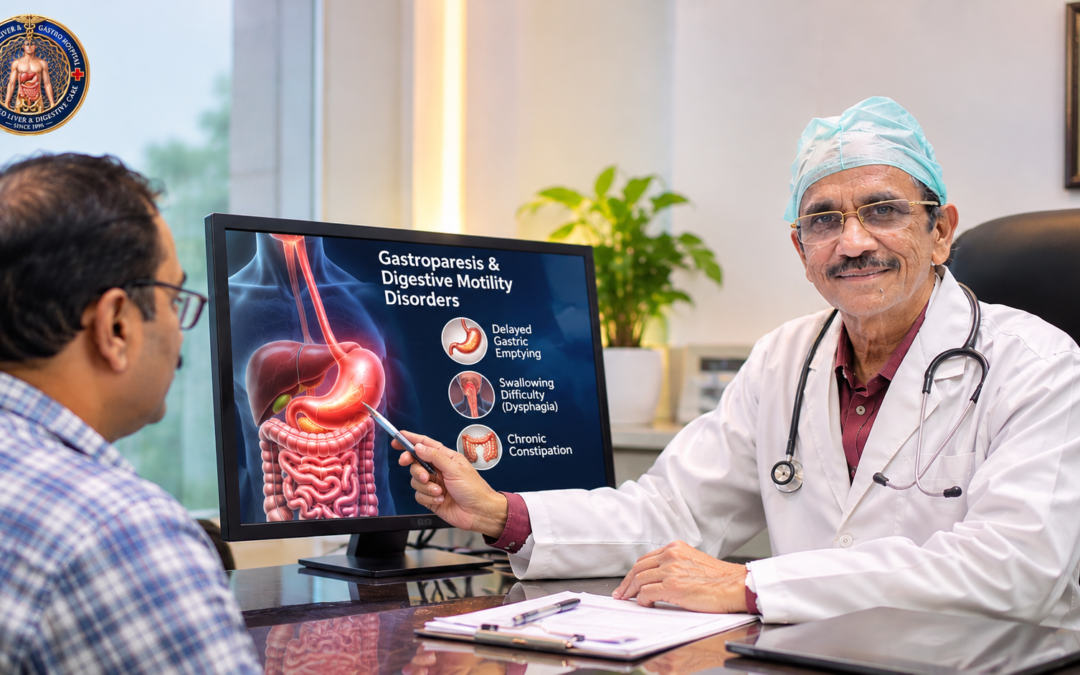
Food Feels Stuck or Stomach Empties Slowly? When to See a Motility Disorder Specialist in Guntur
Do you feel full after eating only a few bites? Does food seem to remain in your stomach for hours, or do you regularly experience bloating, nausea, vomiting or difficulty passing stools? These symptoms can sometimes be connected to the way muscles and nerves move food through the digestive tract.
The digestive system relies on coordinated muscle contractions, known as gastrointestinal motility, to move food from the throat to the stomach, through the intestines and eventually out of the body. When this movement becomes too slow, too fast or poorly coordinated, a person may experience a range of digestive symptoms.
One recognised condition is gastroparesis, in which the stomach empties more slowly than normal without a physical blockage. Other motility-related problems can affect swallowing or bowel movements. Finding the underlying cause is important because symptoms that appear similar may need very different investigations and treatment.
If you are looking for Gastroparesis treatment in Guntur or specialist advice for persistent digestive symptoms, this guide explains warning signs, possible causes, diagnostic tests and treatment approaches.
Quick Answer: Persistent early fullness, nausea, vomiting after meals, food sticking while swallowing or long-term constipation should not automatically be dismissed as indigestion. These symptoms may be associated with gastroparesis, an oesophageal swallowing disorder, constipation or another digestive condition. A gastroenterology assessment helps identify the cause. Depending on the symptoms, evaluation may include endoscopy, imaging, gastric-emptying tests, blood tests or specialised bowel-function studies.
Experiencing Persistent Digestive Symptoms?
Discuss ongoing stomach, swallowing or bowel concerns with a qualified gastroenterology team. The right evaluation depends on your symptoms and medical history.
Call +91 94402 14706 WhatsApp Us Enquire About an AppointmentWhat Is Gastrointestinal Motility?
Gastrointestinal motility refers to the coordinated movement of food, liquids and waste through the digestive tract. Muscles in the oesophagus, stomach and intestines contract in organised patterns. Nerves and chemical signals help control when these muscles tighten and relax.
When this coordination is disrupted, food may move too slowly, move too quickly or fail to pass through a particular area effectively. The symptoms depend on which part of the digestive system is affected.
- Oesophagus: Problems with the movement of food from the mouth to the stomach can cause swallowing difficulty or a sensation that food is stuck.
- Stomach: Delayed emptying can cause early fullness, nausea, bloating and vomiting.
- Small intestine: Abnormal movement may contribute to abdominal discomfort, bloating and changes in bowel habits.
- Colon and rectum: Slow transit or difficulty coordinating bowel movements can contribute to chronic constipation.
Motility symptoms do not always mean that a person has a specific motility disorder. Reflux, ulcers, structural narrowing, medication effects, metabolic conditions and other illnesses can produce similar complaints. Proper assessment is therefore essential.
What Is Gastroparesis and Why Does the Stomach Empty Slowly?
Gastroparesis, sometimes called delayed gastric emptying, is a condition in which the stomach takes longer than normal to move food into the small intestine, even though there is no mechanical blockage preventing the food from passing.
The stomach normally mixes food with digestive juices and gradually releases it into the small intestine. If the nerves or muscles that coordinate this process do not work properly, food can remain in the stomach for longer than expected.
Common Symptoms of Gastroparesis
- Feeling full after eating only a small amount of food
- Feeling unusually full for a long time after a meal
- Nausea, particularly after eating
- Vomiting food eaten several hours earlier
- Upper abdominal discomfort or pain
- Bloating, belching or excessive fullness
- Heartburn or reduced appetite
- Unintentional weight loss or difficulty maintaining nutrition in more severe cases
Symptoms can vary from person to person. Some people experience mild or occasional problems, while others have persistent symptoms that affect eating, hydration and daily activities.
What Causes Delayed Stomach Emptying?
There is not always one identifiable cause. Diabetes is a recognised cause because prolonged high blood glucose can damage nerves involved in stomach movement. Gastroparesis can also occur after certain surgeries or with some neurological, connective-tissue or other medical conditions.
| Possible Cause | How It May Be Related |
|---|---|
| Diabetes | Long-term blood glucose problems can affect the nerves that coordinate stomach contractions. |
| Previous surgery | Some operations involving the stomach or nearby organs may affect nerves or normal movement. |
| Neurological conditions | Conditions affecting the nervous system may interfere with digestive muscle coordination. |
| Connective-tissue conditions | Some systemic conditions can affect muscles and nerves involved in digestion. |
| Medicines | Some pain medicines, anticholinergic medicines and other drugs can slow stomach emptying or worsen similar symptoms. |
| Unknown cause | In some people, investigations do not identify a definite underlying cause. This may be described as idiopathic gastroparesis. |
Important: Do not stop prescribed medicines on your own if you suspect they are affecting digestion. Share a complete medicine and supplement list with your doctor so that possible side effects and alternatives can be reviewed safely.
When Should You Consider Gastroparesis Treatment in Guntur?
Medical assessment is worth considering when early fullness, nausea, vomiting or bloating repeatedly occurs after meals, lasts for several weeks or interferes with eating and drinking. It is especially important for people with diabetes, a history of upper abdominal surgery or a medical condition that can affect nerves and muscles.
A doctor may first check for other explanations, including ulcers, inflammation, reflux or a physical blockage. Gastroparesis should not be diagnosed from symptoms alone. A test that measures stomach emptying is generally needed to confirm delayed emptying after other causes have been considered.
People searching for Gastroparesis treatment in Guntur should ask about the evaluation process, the tests that may be appropriate and how nutrition, blood glucose and medicines will be reviewed as part of care.
What Is Swallowing Difficulty (Dysphagia)?
Swallowing difficulty, medically known as dysphagia, means that food or liquid does not pass comfortably or safely from the mouth through the throat and oesophagus into the stomach. Some people feel that food sticks in the throat; others notice it getting held up behind the breastbone.
Dysphagia is a symptom, not a diagnosis. It can occur due to problems in the throat, oesophagus, nerves or muscles. Causes may include reflux-related narrowing, inflammation, achalasia, neurological conditions, structural abnormalities or, less commonly, a tumour.
Symptoms That May Occur With Dysphagia
- Food or liquid feeling stuck in the throat or chest
- Coughing or choking while eating or drinking
- Pain or discomfort when swallowing
- Food or liquid coming back up after swallowing
- A wet or gurgling voice after meals
- Repeated chest infections or breathing symptoms associated with eating
- Unexplained weight loss or avoiding certain foods because swallowing is difficult
When to See a Swallowing Difficulty Doctor in Guntur
Arrange prompt medical assessment if swallowing difficulty is new, persistent, worsening or associated with pain, choking, regurgitation or unexplained weight loss. Do not repeatedly adapt your diet to hide a problem without finding its cause.
If you are looking for a Swallowing difficulty doctor Guntur, a gastroenterology assessment may help determine whether the problem is in the oesophagus or whether another specialist, such as an ENT doctor or swallowing therapist, should also be involved.
Emergency warning: Sudden inability to swallow, food completely stuck with inability to swallow saliva, choking with breathing difficulty or suspected stroke symptoms requires emergency medical help. Do not try to force food or drink down.
What Is Chronic Constipation?
Constipation can involve fewer bowel movements than usual, hard or lumpy stools, straining, a feeling that the bowel has not emptied completely or difficulty passing stool. Chronic constipation means these problems continue over time or repeatedly return.
Not everyone needs to have a bowel movement every day. The pattern that is normal can vary. However, a persistent change from a person’s usual bowel habits, especially when accompanied by pain or other warning signs, deserves attention.
Possible Causes of Long-Term Constipation
- Low intake of dietary fibre or fluids
- Limited physical activity or changes in daily routine
- Medicines such as some opioid painkillers, iron supplements or certain medicines for other conditions
- Diabetes, thyroid disorders or other metabolic conditions
- Pelvic floor coordination problems that make it difficult to pass stool
- Slow movement of stool through the colon
- Irritable bowel syndrome with constipation or other bowel conditions
When to Consult a Chronic Constipation Specialist in Guntur
Seek an assessment if constipation continues despite reasonable lifestyle measures, repeatedly requires laxatives, causes significant discomfort or affects everyday life. A doctor can review diet, fluid intake, medicines, medical history and symptoms before deciding whether additional tests are needed.
People searching for a Chronic constipation specialist Guntur should look for an individualised evaluation rather than assuming that every case needs the same laxative or high-fibre diet. Some pelvic floor or evacuation disorders may require specific testing and targeted treatment.
How Are Motility Disorders Diagnosed?
There is no single test that diagnoses every digestive motility problem. The investigations depend on the part of the digestive tract involved, the pattern of symptoms and the findings from the initial consultation.
1. Medical History and Physical Examination
The doctor may ask when symptoms started, whether they are linked to meals, what foods trigger them, how often bowel movements occur and whether there has been weight loss. Details about diabetes, previous surgery, other medical conditions and all medicines are also important.
2. Blood Tests
Blood tests may be used to look for anaemia, dehydration, electrolyte disturbances, diabetes, thyroid problems or other conditions that could contribute to symptoms. The exact tests depend on the clinical assessment.
3. Upper Gastrointestinal Endoscopy
An upper GI endoscopy allows a doctor to examine the oesophagus, stomach and the first part of the small intestine using a flexible camera. It may help identify inflammation, ulcers, narrowing or a blockage. Endoscopy does not, by itself, measure how quickly the stomach empties.
4. Gastric Emptying Study
A gastric emptying scintigraphy test can measure how quickly a standardised meal moves out of the stomach. The patient eats a test meal containing a small amount of tracer, and images are taken over a period of time, commonly up to four hours. The test helps determine whether stomach emptying is delayed.
5. Other Tests for Stomach Emptying
Depending on availability and the clinical question, a gastric emptying breath test or a wireless motility capsule may be considered. These tests are not suitable for every patient and are selected by the treating team.
6. Tests for Swallowing Problems
Depending on the suspected cause, evaluation may include endoscopy, a barium swallow study, oesophageal manometry or a specialist swallowing assessment. Manometry measures the pressure and coordination of muscle contractions in the oesophagus.
7. Tests for Chronic Constipation
Most people do not need extensive motility testing at the first visit. If symptoms persist despite initial treatment, selected patients may need anorectal manometry, a balloon expulsion test, colonic transit testing or defecography to assess how the bowel and pelvic floor work.
How Are Motility Disorders Treated?
Treatment is based on the underlying cause, the severity of symptoms, nutritional status and test results. The plan may combine dietary adjustments, medication, treatment of an underlying condition and, in selected cases, specialist procedures.
Managing Gastroparesis
- Smaller, more frequent meals: Some patients are advised to eat five or six smaller meals instead of a few large meals.
- Food texture and composition: A clinician or dietitian may recommend soft, well-cooked foods and adjustments to fat and fibre intake. The right plan depends on nutritional needs and symptoms.
- Blood glucose management: For people with diabetes, keeping glucose within the agreed target range can be an important part of care.
- Medicines: Selected prescription medicines may help stomach contractions or reduce nausea and vomiting. Benefits and risks need to be reviewed by a doctor.
- Nutrition support: If a person cannot maintain adequate nutrition or hydration, specialist feeding support may be required.
- Advanced options: Procedures or device-based treatments may be considered only for carefully selected people with severe symptoms that have not responded to other approaches.
Managing Swallowing Difficulty
Treatment depends on the cause. Options may include medicines for reflux or inflammation, dilation of a narrowed oesophagus, specific procedures for achalasia, swallowing therapy or changes in food texture and liquid consistency. These changes should be recommended after an appropriate swallowing assessment, particularly when there is a risk of food or liquid entering the airway.
Managing Chronic Constipation
Depending on the cause, treatment may include gradually adjusting fibre intake, adequate fluids, regular physical activity, a consistent toilet routine and prescribed laxatives. Some people benefit from pelvic floor biofeedback therapy. Persistent or complicated cases may need further tests and specialist-directed treatment.
Everyday Habits That May Support Digestive Health
Lifestyle measures can support digestive health, but they are not a substitute for diagnosis or treatment when a motility disorder is suspected.
Practical Points to Discuss With Your Doctor
- Keep a brief record of meals, symptoms and bowel movements.
- Eat slowly and chew food thoroughly.
- Ask whether smaller meals or changes in food texture are appropriate.
- Maintain adequate fluid intake unless a clinician has advised fluid restriction.
- Stay physically active within your ability and medical advice.
- Review medicines and supplements that may affect digestion.
- If you have diabetes, follow your care plan for blood glucose monitoring.
- Avoid starting restrictive diets, herbal remedies or frequent laxative use without professional guidance.
Warning Signs That Should Not Be Ignored
Some symptoms need urgent or prompt assessment because they may indicate obstruction, bleeding, dehydration, infection or another serious condition.
- Severe or worsening abdominal pain or marked abdominal swelling
- Repeated vomiting or inability to keep fluids down
- Blood in vomit or vomit that looks like coffee grounds
- Black, tarry stools or significant rectal bleeding
- Unexplained or rapid weight loss
- Fever with significant abdominal symptoms
- Difficulty swallowing that is getting worse or causes choking
- Signs of dehydration such as very little urine, faintness or marked weakness
- Sudden inability to swallow or difficulty breathing
Seek emergency care: Severe abdominal pain with persistent vomiting, vomiting blood, fainting, breathing difficulty or sudden inability to swallow should not wait for a routine appointment.
Choosing the Right Gastroenterology Centre in Guntur
When choosing a centre for ongoing digestive symptoms, consider whether the clinical team can assess the full range of possible causes and guide you towards appropriate investigations or referrals.
Look for a Clear Diagnostic Approach
Symptoms such as bloating, early fullness, swallowing difficulty and constipation can overlap. A good evaluation should focus on identifying the likely cause rather than recommending the same treatment to every patient.
Ask About Relevant Investigations
Depending on the symptoms, patients may need endoscopy, imaging, laboratory testing or specialised motility investigations. Ask which tests are available locally and whether referral to another facility is needed for a particular study.
Consider Follow-Up and Individualised Care
Some digestive conditions need ongoing review, medicine adjustment or nutritional support. Clear instructions about follow-up, warning signs and when to seek urgent help are important parts of care.
Patients comparing options for the Best Gastroenterology Centre in Guntur can review the hospital’s published information, discuss their symptoms with the team and confirm which specific investigations and services are currently available.
Gastro and Liver Care at National Liver and Gastro Hospital
National Liver and Gastro Hospital is located in Guntur, Andhra Pradesh. People experiencing persistent digestive or liver-related concerns can contact the hospital to enquire about consultation options and the evaluation relevant to their symptoms.
For patients looking for a Gastro and Liver Hospital in Andhra Pradesh, it is useful to discuss the symptoms, previous reports, current medicines and any history of diabetes or abdominal surgery when making an enquiry.
Those searching for a Gastroenterology Specialist in Andhra Pradesh should confirm the appropriate specialist consultation and whether any specialised motility test needs to be arranged separately. The required care pathway depends on the individual diagnosis.
Need Advice About Stomach, Swallowing or Bowel Symptoms?
Contact National Liver and Gastro Hospital to enquire about consultation options and the next appropriate step for your digestive health concerns.
Call +91 94402 14706 WhatsApp Us View Hospital LocationFrequently Asked Questions About Digestive Motility Disorders
1. What does it mean when food feels stuck in the stomach?
A prolonged feeling of fullness after meals may occur when the stomach empties slowly, but it can also have other causes. A doctor may recommend tests to assess stomach emptying and rule out structural problems.
2. What is gastroparesis?
Gastroparesis is a condition in which the stomach empties more slowly than normal without a physical blockage. It can cause early fullness, nausea, vomiting, bloating and upper abdominal discomfort.
3. What are the common symptoms of delayed gastric emptying?
Common symptoms include feeling full after a small meal, prolonged fullness, nausea, vomiting, bloating, belching, heartburn and reduced appetite. Symptoms and severity vary.
4. Can diabetes cause gastroparesis?
Yes. Diabetes is a recognised cause of gastroparesis because prolonged high blood glucose can damage nerves involved in stomach movement. Blood glucose management is an important part of care for people with diabetes.
5. How is gastroparesis diagnosed?
Doctors assess symptoms and medical history, rule out other causes and may use a gastric emptying study to measure how quickly food leaves the stomach. Endoscopy or imaging may be used to check for a blockage or another condition.
6. Is a gastric emptying scan painful?
A gastric emptying scan is generally a non-invasive imaging test. The patient eats a test meal containing a small amount of tracer and images are taken over time. The imaging itself is not usually painful, but the test requires several hours.
7. Can gastroparesis be cured completely?
That depends on the cause. Some underlying causes may be treatable, while many patients need ongoing symptom management, nutrition support and monitoring. A clinician can explain the likely outlook after evaluation.
8. What foods should be avoided with gastroparesis?
Some people are advised to limit high-fat and high-fibre foods because they may worsen symptoms or slow stomach emptying. Food choices should be individualised with a doctor or dietitian so that nutrition is maintained.
9. What is dysphagia?
Dysphagia is the medical term for difficulty swallowing. Food or liquid may feel stuck in the throat or chest, or a person may cough or choke while eating or drinking. It needs medical assessment to identify the cause.
10. When should I see a swallowing difficulty doctor in Guntur?
Seek prompt assessment if swallowing problems are persistent, worsening, painful or associated with choking, food coming back up, chest infections or unexplained weight loss. Sudden inability to swallow or breathing difficulty is an emergency.
11. Can acid reflux cause difficulty swallowing?
Yes. Reflux can inflame the oesophagus and, in some cases, contribute to narrowing or other changes that make swallowing difficult. However, dysphagia has several possible causes and should not automatically be attributed to reflux.
12. What is chronic constipation?
Chronic constipation refers to ongoing or recurring difficulty passing stools. It may involve hard stools, straining, fewer bowel movements than usual or a feeling of incomplete emptying.
13. When should chronic constipation be checked by a specialist?
Arrange an assessment if constipation persists, keeps returning, requires frequent laxatives or affects daily life. Blood in the stool, unexplained weight loss, anaemia, severe pain or a sudden change in bowel habits also needs medical attention.
14. Can slow bowel movement cause bloating?
It can. Slow movement of stool and difficulty emptying the bowel may be associated with bloating and abdominal discomfort. Other digestive conditions can cause similar symptoms, so assessment may be needed.
15. Which tests are used to investigate chronic constipation?
The first assessment usually includes a history and physical examination. If symptoms persist or a specific problem is suspected, selected patients may need anorectal manometry, a balloon expulsion test, colonic transit testing or defecography.
16. Are motility disorders always treated with medicines?
No. Treatment may include dietary changes, management of an underlying condition, medicines, pelvic floor therapy, nutrition support or selected procedures. The plan depends on the type and severity of the disorder.
17. Can medicines make stomach emptying slower?
Yes. Certain medicines, including some opioid pain medicines and drugs with anticholinergic effects, may slow stomach emptying or worsen similar symptoms. Do not stop medication without discussing it with the prescribing clinician.
18. Is gastroparesis the same as a stomach blockage?
No. Gastroparesis means delayed stomach emptying without a mechanical blockage. Doctors may use endoscopy or imaging to rule out an obstruction before confirming the diagnosis.
19. Can stress cause digestive motility symptoms?
Stress and the gut-brain connection can influence digestive symptoms, but persistent vomiting, swallowing difficulty or chronic constipation should not be assumed to be caused by stress alone. A medical assessment can check for other explanations.
20. Where can I enquire about gastroenterology consultation in Guntur?
You can contact National Liver and Gastro Hospital to ask about consultation options for digestive symptoms. Confirm which specific investigations or motility tests are available and whether referral elsewhere may be required.
Taking the Right Next Step for Digestive Health
Food that seems to remain in the stomach, difficulty swallowing and persistent constipation can affect nutrition, comfort and quality of life. These symptoms may be linked to motility problems, but they can also arise from other digestive conditions.
A careful clinical assessment helps identify which part of the digestive tract may be involved and whether tests such as endoscopy, gastric emptying studies or bowel-function investigations are appropriate. Treatment should be based on the diagnosis rather than symptoms alone.
If you are researching Gastroparesis treatment in Guntur, a Swallowing difficulty doctor Guntur or a Chronic constipation specialist Guntur, contact a qualified healthcare team to discuss your symptoms and the next appropriate step.
Take the Next Step Toward Better Digestive Health
Contact National Liver and Gastro Hospital in Guntur to enquire about gastroenterology consultation and available care options.
Call +91 94402 14706 WhatsApp Us View National Liver and Gastro HospitalMedical Information Sources
This article provides general educational information. Diagnostic tests and treatment decisions should be individualised by a qualified healthcare professional.
NIDDK – Gastroparesis: Definition, Symptoms, Causes and Diagnosis
NIDDK – Diagnosis of Gastroparesis
NIDDK – Treatment for Gastroparesis
NHS – Dysphagia (Swallowing Problems)
World Gastroenterology Organisation – Global Guideline on Chronic Constipation, 2025
National Liver and Gastro Hospital
24-4-9, Narasimha Swamy Temple Street,
Opposite Apollo Pharmacy, R Agraharam,
Prathipadu Road, Guntur,
Andhra Pradesh 522003
Medical Disclaimer: This article is for general educational purposes and does not replace medical consultation, diagnosis or treatment. Symptoms such as persistent vomiting, difficulty swallowing, unexplained weight loss, bleeding or severe abdominal pain require timely medical assessment. Do not start, stop or change medicines or restrictive diets without advice from a qualified healthcare professional.