
Pancreatitis: Early Symptoms, Causes, Diagnosis and Treatment in Guntur

Pancreatitis: Early Symptoms, Causes, Diagnosis and Treatment in Guntur

A sudden pain starts in the upper part of your stomach. It is much stronger than ordinary acidity and seems to travel toward your back. You feel nauseous, you may vomit, and the pain does not settle after taking your usual gastric medicine.

This type of pain should not automatically be treated as indigestion.

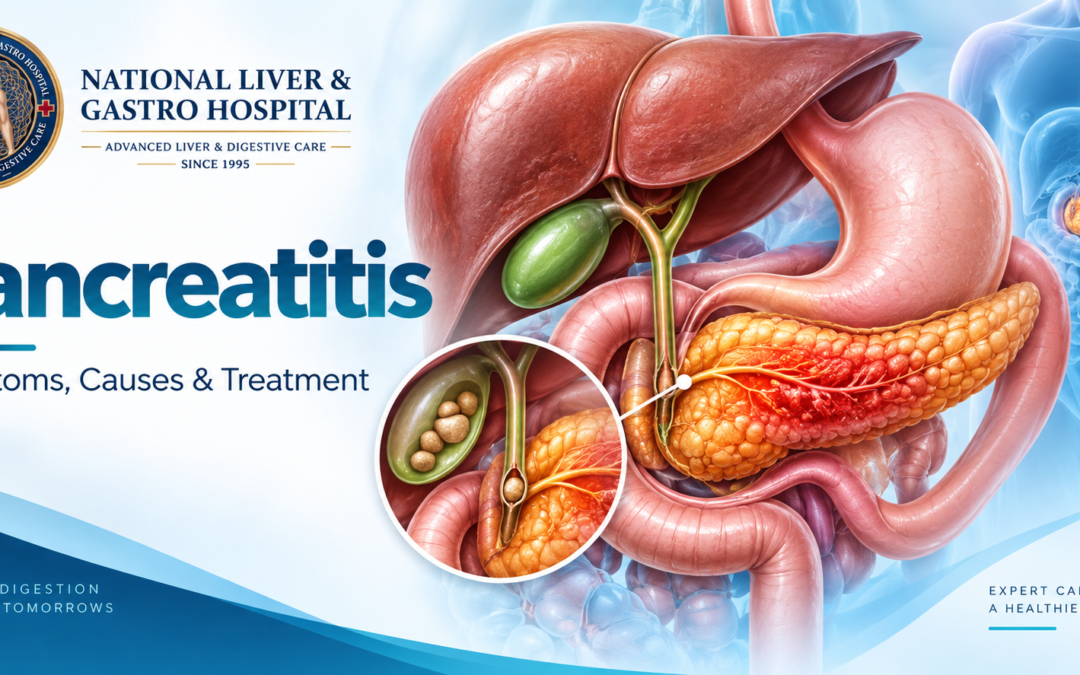
One possible cause is pancreatitis, an inflammation of the pancreas. The pancreas sits behind the stomach and plays an important role in digestion and blood sugar regulation.

Pancreatitis can happen suddenly as acute pancreatitis, or it can develop and continue over a longer period as chronic pancreatitis. Both conditions require proper medical evaluation because the severity and treatment can vary significantly from one person to another.

If you are searching for pancreatitis treatment in Guntur, understanding the symptoms, causes and diagnostic process can help you recognize when professional care is necessary.

Severe Upper Abdominal Pain Should Not Be Ignored

Persistent abdominal pain with vomiting, fever or pain spreading to the back needs prompt medical evaluation.

Call +91 94402 14706 WhatsApp Us Book an Appointment

What Is Pancreatitis?

Quick answer: Pancreatitis means inflammation of the pancreas. Acute pancreatitis develops suddenly and can range from mild to severe. Chronic pancreatitis is a long-term condition that can progressively damage the pancreas and affect digestion and other pancreatic functions.

The pancreas is located behind the stomach and has two major roles. It produces digestive enzymes that help break down food, and it produces hormones such as insulin that help regulate blood sugar.

Pancreatitis occurs when digestive enzymes begin causing damage and inflammation within the pancreas instead of functioning normally in the digestive tract.

The condition can be caused by several different problems. Gallstones and heavy alcohol use are among the important causes, while other causes include certain medicines, high blood fats, genetic conditions and some structural or medical problems involving the pancreas.

Acute vs Chronic Pancreatitis

Although both conditions involve inflammation of the pancreas, acute and chronic pancreatitis are not the same.

Feature Acute Pancreatitis Chronic Pancreatitis
Onset Usually develops suddenly Develops or continues over a longer period
Duration Short-term inflammation Long-lasting inflammation and pancreatic damage
Pain Often sudden and significant upper abdominal pain May be recurrent or persistent and can spread to the back
Common causes Gallstones, alcohol and other causes Heavy alcohol use, genetic factors and other pancreatic problems
Possible effects Can require urgent hospital treatment Can lead to lasting pancreatic damage and digestive problems

Acute pancreatitis can improve over several days in many patients when appropriately treated, while chronic pancreatitis can cause permanent damage and may require long-term management.

What Are the Early Symptoms of Pancreatitis?

The most characteristic symptom is pain in the upper abdomen. The pain may be mild or severe and can sometimes spread toward the back.

Other possible symptoms include:

  • Upper abdominal pain that starts suddenly
  • Pain that may spread to the back
  • Nausea and vomiting
  • Fever
  • Abdominal tenderness or swelling
  • Fast heartbeat
  • Loss of appetite
  • Digestive discomfort

With chronic pancreatitis, symptoms may also include repeated abdominal pain, diarrhea, nausea, vomiting, weight loss and greasy or foul-smelling stools caused by problems digesting and absorbing food.

What Does Pancreatitis Pain Feel Like?

Pancreatitis pain is usually felt in the upper abdomen. It can begin suddenly or gradually and may become severe.

In some people, the pain moves toward the back. Eating may make the pain worse, and some people find that changing position affects how the pain feels.

This is one reason pancreatitis can sometimes be confused with stomach ulcers, severe indigestion or other abdominal conditions.

Important: Severe or persistent upper abdominal pain, particularly when accompanied by vomiting, fever, rapid heartbeat, difficulty breathing or yellowing of the eyes or skin, requires urgent medical assessment. Severe pancreatitis can lead to serious complications.

What Causes Pancreatitis?

There is no single cause of pancreatitis. Doctors first try to identify what triggered the inflammation because treating the underlying cause can be an important part of preventing further problems.

1. Gallstones

Gallstones are one of the most common causes of acute pancreatitis. A stone can move from the gallbladder and become stuck in a bile or pancreatic duct, interfering with normal drainage and triggering inflammation of the pancreas.

This is why people with gallstones and sudden severe upper abdominal pain should not assume the problem is simply gastric acidity.

2. Heavy Alcohol Use

Heavy alcohol use is another important cause of pancreatitis and can contribute to both acute and chronic disease.

For people who have pancreatitis, medical guidance strongly recommends avoiding alcohol because continued alcohol use can increase the risk of recurrent episodes and progression to chronic disease.

3. High Triglycerides

Very high levels of blood triglycerides can be associated with pancreatitis. If pancreatitis occurs without an obvious cause, doctors may check blood lipid levels as part of the evaluation.

4. Certain Medicines

Some medicines can contribute to pancreatitis in susceptible individuals. This is why it is important to tell your doctor about every medicine, supplement and herbal product you are taking.

5. Genetic and Other Medical Causes

Some people have inherited conditions that increase their risk of pancreatic inflammation. Other possible causes include abdominal injury, infections, pancreatic duct abnormalities and certain pancreatic diseases. In some patients, the cause cannot be identified despite evaluation.

Can Gallstones Cause Pancreatitis?

Yes. This is an important connection between the gallbladder and pancreas.

The bile and pancreatic ducts are closely connected before they drain into the small intestine. A gallstone that blocks this drainage area can interfere with pancreatic secretions and trigger acute pancreatitis.

This condition is known as gallstone pancreatitis.

If a patient has pancreatitis caused by gallstones, treating the gallstone problem may become an important part of preventing another episode. Depending on the circumstances, doctors may recommend gallbladder surgery or an endoscopic procedure such as ERCP.

How Is Pancreatitis Diagnosed?

Pancreatitis cannot be diagnosed reliably from symptoms alone. Doctors usually combine your medical history, physical examination, blood tests and appropriate imaging to determine whether the pancreas is inflamed and to identify the possible cause.

Blood Tests

Blood testing may include pancreatic enzymes such as amylase and lipase. Doctors may also check blood glucose, triglycerides and other markers that can provide information about inflammation, infection or problems involving the liver, gallbladder and bile ducts.

Abdominal Ultrasound

Ultrasound can be particularly useful when doctors want to look for gallstones, which are an important cause of acute pancreatitis.

CT Scan

A CT scan can provide detailed images of the pancreas and surrounding structures and may help identify inflammation or complications.

MRCP

Magnetic resonance cholangiopancreatography, or MRCP, uses MRI technology to provide detailed images of the pancreas, gallbladder and bile ducts. It can be useful when doctors need to investigate possible duct blockage or another structural cause.

Endoscopic Ultrasound

Endoscopic ultrasound, or EUS, combines endoscopy with ultrasound to obtain detailed images of the pancreas and bile ducts. A gastroenterologist may recommend it when further evaluation is needed.

Test What It Can Help Identify
Blood tests Pancreatic enzyme elevation, inflammation, glucose and blood fat abnormalities
Ultrasound Gallstones and certain gallbladder or abdominal abnormalities
CT scan Pancreatic inflammation and possible complications
MRCP Detailed evaluation of the pancreas and bile ducts
Endoscopic ultrasound Detailed assessment of the pancreas and bile ducts

How Is Acute Pancreatitis Treated?

Acute pancreatitis can require hospital treatment, particularly when symptoms are significant. Treatment depends on the severity of the condition and its underlying cause.

Hospital management may include:

  • Intravenous fluids to prevent or treat dehydration
  • Medicines to control pain
  • Monitoring for complications
  • Appropriate nutritional support
  • Antibiotics when there is a relevant infection
  • Treatment of the underlying cause

Many cases of mild acute pancreatitis improve over several days with appropriate treatment, while severe cases may require longer hospital care and treatment for complications.

When Is ERCP Used for Pancreatitis?

ERCP stands for endoscopic retrograde cholangiopancreatography.

It combines upper gastrointestinal endoscopy with X-ray imaging and can be used to treat selected problems involving the bile and pancreatic ducts.

For example, if a gallstone becomes stuck in the common bile duct or near the drainage area shared by the bile and pancreatic ducts, ERCP may be used to remove the obstruction in appropriate cases.

ERCP is not required for every patient with pancreatitis. Your gastroenterologist will determine whether it is appropriate based on the cause and findings.

How Is Chronic Pancreatitis Managed?

Chronic pancreatitis is different from a single episode of acute pancreatitis. Long-term inflammation can cause lasting damage to the pancreas and affect its ability to produce digestive enzymes and hormones.

Management may involve:

  • Controlling abdominal pain
  • Stopping alcohol completely
  • Stopping smoking
  • Dietary and nutritional support
  • Pancreatic enzyme replacement when needed
  • Management of blood sugar problems
  • Treatment of pancreatic or bile duct blockages
  • Monitoring for complications

Some patients develop problems absorbing nutrients because the pancreas is no longer producing enough digestive enzymes. This can contribute to weight loss and changes in bowel movements.

What Should You Eat After Pancreatitis?

Diet after pancreatitis should be individualized according to the severity of the condition and your doctor’s recommendations.

In many cases, a healthy lower-fat eating pattern may be recommended, particularly during recovery. Small, regular meals can be easier to tolerate for some patients.

Foods That May Fit a Healthy Pancreas-Friendly Pattern

  • Fresh vegetables
  • Fruits in appropriate portions
  • Whole grains and high-fiber foods as tolerated
  • Dal and other legumes
  • Lean sources of protein
  • Low-fat dairy options when tolerated
  • Adequate fluids

Foods and Habits to Limit or Avoid

  • Alcohol
  • Smoking and tobacco
  • Very high-fat meals
  • Deep-fried foods
  • Large heavy meals
  • Highly processed foods
  • Excessively sugary foods and drinks

Do not make major dietary restrictions on your own after a serious pancreatic illness. Some patients require specialized nutritional support, particularly when chronic pancreatitis has affected digestion or caused significant weight loss.

Why Alcohol and Smoking Matter in Pancreatitis

Alcohol and smoking are particularly important because both can increase the risk of pancreatic problems.

For people with pancreatitis, healthcare professionals strongly advise avoiding alcohol. Smoking cessation is also strongly recommended because smoking can contribute to progression toward chronic pancreatitis and may increase other pancreatic risks.

If stopping alcohol or tobacco is difficult, discuss it openly with your doctor. Getting appropriate support is more useful than trying to manage the problem alone.

Is Pancreatitis Dangerous?

Pancreatitis can range from a mild illness that improves with treatment to a severe condition involving complications.

Potential complications can involve the pancreas, bile ducts and other organs. Severe inflammation may require intensive medical care and a longer hospital stay.

This is why sudden severe abdominal pain should not be dismissed as gas or acidity, particularly when it is accompanied by vomiting, fever, rapid heartbeat, breathing difficulty or jaundice.

Emergency warning: If you develop sudden severe abdominal pain that does not settle, especially with repeated vomiting, fever, yellow eyes, difficulty breathing or pain spreading to the back, seek urgent medical care.

When Should You See a Pancreas Specialist in Guntur?

You should arrange a gastroenterology evaluation if you experience repeated or unexplained upper abdominal pain, especially when the pain travels toward the back.

A specialist consultation is particularly important if you have:

  • Repeated episodes of upper abdominal pain
  • Severe pain after eating
  • Persistent nausea or vomiting
  • A history of gallstones
  • High triglyceride levels
  • Previous pancreatitis
  • Unexplained weight loss
  • Greasy or unusually foul-smelling stools
  • Diabetes developing alongside pancreatic symptoms
  • Abnormal pancreatic or liver blood tests

If you are searching for a pancreas specialist in Guntur, an appropriate evaluation can help determine whether your symptoms require pancreatic testing, gallbladder evaluation, endoscopy, imaging or another form of treatment.

Looking for Pancreatitis Treatment in Guntur?

Persistent or severe upper abdominal pain deserves proper evaluation. Discuss your symptoms and medical history with a gastroenterology specialist.

Call +91 94402 14706 WhatsApp Us View Location on Google Maps

Pancreas and Gastroenterology Care at National Liver & Gastro Hospital

At National Liver & Gastro Multispeciality Hospital in Guntur, patients with abdominal pain and digestive problems can receive gastroenterology evaluation based on their symptoms, medical history and appropriate diagnostic investigations.

Pancreatic symptoms can overlap with gallbladder disease, ulcers, gastritis and other digestive conditions. Finding the underlying cause is therefore an important part of appropriate treatment.

If pancreatitis is suspected, your doctor can assess the severity of the condition, look for possible causes such as gallstones and determine whether further imaging or specialist treatment is needed.

You can also check the hospital’s Google Business Profile for the location and directions.

Frequently Asked Questions About Pancreatitis

What is pancreatitis?

Pancreatitis is inflammation of the pancreas. It can be acute, meaning it develops suddenly, or chronic, meaning it continues over a longer period and can cause lasting pancreatic damage.

What is the main symptom of pancreatitis?

The main symptom is usually pain in the upper abdomen. The pain may be severe and can spread toward the back. Nausea and vomiting are also common symptoms.

Can gallstones cause pancreatitis?

Yes. Gallstones are an important cause of acute pancreatitis. A stone can block a bile or pancreatic duct and trigger inflammation of the pancreas.

Can pancreatitis be caused by alcohol?

Yes. Heavy alcohol use is an important cause of pancreatitis. People with pancreatitis are strongly advised to avoid alcohol because continued use can increase the risk of further pancreatic problems.

How is pancreatitis diagnosed?

Doctors use symptoms, medical history, physical examination, blood tests and appropriate imaging. Tests may include pancreatic enzyme measurements, ultrasound, CT, MRCP or endoscopic ultrasound depending on the situation.

Can pancreatitis be cured?

Mild acute pancreatitis can often improve with appropriate treatment. Chronic pancreatitis is a long-term condition that can cause lasting damage and usually requires ongoing management.

Is pancreatitis an emergency?

Acute pancreatitis can be serious and generally requires prompt medical assessment. Severe or persistent abdominal pain with vomiting, fever, rapid heartbeat, breathing difficulty or jaundice needs urgent medical attention.

Can pancreatitis cause weight loss?

Chronic pancreatitis can cause weight loss, particularly when pancreatic damage affects digestion and nutrient absorption. Persistent unexplained weight loss should be evaluated by a doctor.

Can I drink alcohol after pancreatitis?

Medical guidance strongly recommends avoiding alcohol after pancreatitis. Your doctor can provide individual advice and support if stopping alcohol is difficult.

Where can I get pancreatitis treatment in Guntur?

National Liver & Gastro Multispeciality Hospital in Guntur provides gastroenterology evaluation for pancreatic and digestive conditions. You can call +91 94402 14706 or check the hospital location through Google Maps before visiting.

Do Not Mistake Pancreatic Pain for Ordinary Acidity

Acidity and indigestion are common, but severe or persistent upper abdominal pain deserves more careful attention, particularly when it travels toward the back or occurs with vomiting or fever.

Pancreatitis has several possible causes, and identifying the cause is an important part of treatment. Gallstones, alcohol, high triglycerides, medicines and other pancreatic conditions may require different approaches.

If you are experiencing recurring or severe symptoms, do not rely on self-medication alone. A gastroenterologist can evaluate your symptoms and determine whether pancreatic, gallbladder or another digestive condition is responsible.

If you are looking for pancreatitis treatment in Guntur, arrange a medical evaluation appropriate to your symptoms.

View National Liver & Gastro Hospital on Google Maps

National Liver & Gastro Multispeciality Hospital

+91 94402 14706 | nationallivergastro.com

Guntur, Andhra Pradesh. View on Google Maps

Monday to Saturday, 9 AM to 8 PM
Gallstones: Symptoms, Causes, Treatment Options and When Surgery May Be Needed in Guntur

Gallstones: Symptoms, Causes, Treatment Options and When Surgery May Be Needed in Guntur

You finish a meal and notice a sudden pain under the right side of your ribs. At first, you may think it is acidity or indigestion. The pain settles after some time, so you continue with your normal routine.

Then it happens again, often after a heavy or oily meal. Sometimes there is nausea, vomiting, bloating or discomfort that seems to move toward the back or right shoulder.

One possible cause is gallstones.

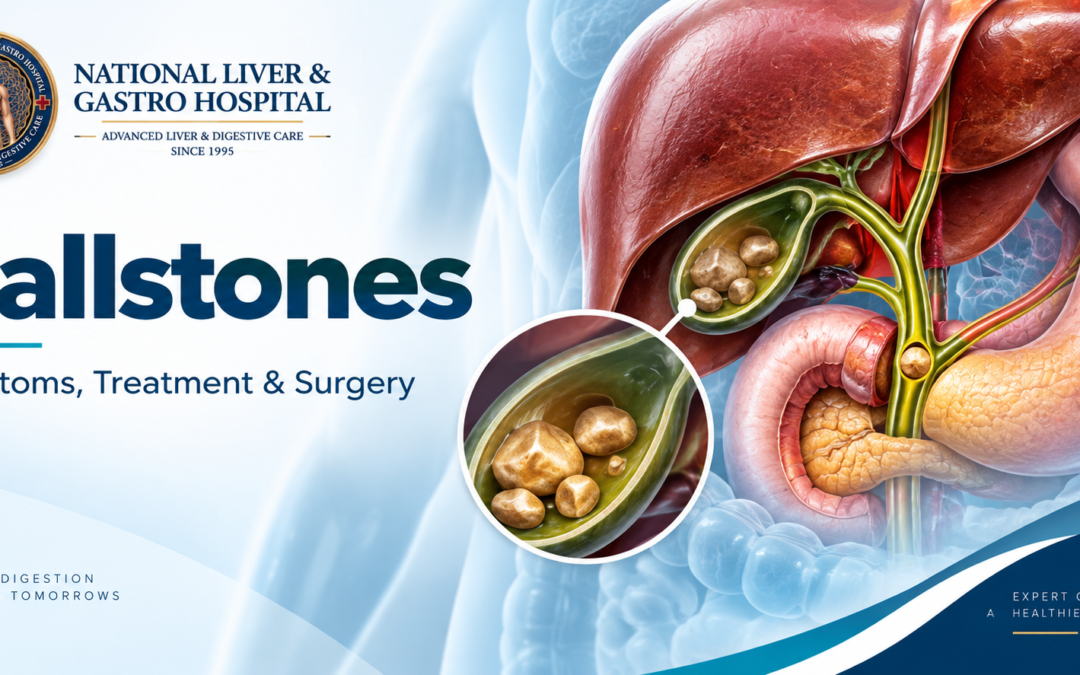
Gallstones are hard deposits that develop inside the gallbladder. Some people have them for years without any symptoms, while others develop painful attacks or complications that require medical treatment.

If you have been diagnosed with gallstones or are experiencing repeated pain in the upper right abdomen, it is important to understand what the stones mean, how they are diagnosed and when treatment may be necessary.

If you are searching for gallstone treatment in Guntur, a gastroenterology evaluation can help determine whether your symptoms are actually related to gallstones and what should be done next.

Having Repeated Gallbladder Pain?

Get your symptoms evaluated and find out whether gallstones or another digestive condition could be causing the problem.

Call +91 94402 14706 WhatsApp Us Book an Appointment

What Are Gallstones?

Quick answer: Gallstones are solid, pebble-like deposits that form inside the gallbladder. They are usually made mainly from cholesterol or bilirubin. Gallstones can be very small or much larger, and some people have a single stone while others have multiple stones.

The gallbladder is a small, pear-shaped organ located beneath the liver. Its main job is to store bile, a digestive fluid produced by the liver. When you eat, the gallbladder releases bile into the small intestine through the bile ducts.

Gallstones can form when the substances in bile become imbalanced or when the gallbladder does not empty normally. Many gallstones do not cause any symptoms. These are sometimes called silent gallstones.

The problem begins when a stone blocks the normal flow of bile. This can cause a gallbladder attack and, in some cases, more serious complications.

What Do Gallstones Look Like?

Gallstones can vary considerably in size and number. Some are tiny, while others can become much larger. Their appearance depends partly on what they are made from.

The two major types are:

  • Cholesterol stones: These are generally associated with excess cholesterol in bile.
  • Pigment stones: These contain more bilirubin and can develop under certain medical conditions.

The size of a gallstone does not by itself determine whether you will have symptoms. A small stone can cause significant problems if it moves into and blocks a bile duct.

What Are the Symptoms of Gallstones?

Many people with gallstones never experience symptoms. Problems usually occur when a stone blocks the gallbladder or bile ducts.

The most common symptom is abdominal pain.

Gallstone-related pain may:

  • Occur in the upper right side of the abdomen
  • Occur in the upper middle part of the abdomen
  • Begin suddenly and become intense
  • Continue for several hours
  • Occur after a heavy meal in some people
  • Spread toward the back or right shoulder
  • Be accompanied by nausea or vomiting

However, not every episode of stomach pain is caused by gallstones. Gastritis, ulcers, reflux, pancreatitis and several other digestive problems can produce similar symptoms.

This is why a proper examination and appropriate imaging are important before assuming that gallstones are responsible.

Gallstone Symptoms That Need Prompt Medical Attention

Do not ignore severe or persistent symptoms. Seek prompt medical care if abdominal pain lasts for several hours or occurs with fever, chills, repeated vomiting, yellowing of the eyes or skin, dark urine or unusually pale stools. These symptoms can indicate inflammation, infection or blockage involving the gallbladder or bile ducts.

Gallstones can sometimes cause inflammation of the gallbladder, infection in the bile ducts or pancreatitis if a stone interferes with the pancreatic duct.

These complications require medical evaluation rather than waiting for the pain to disappear on its own.

What Causes Gallstones?

Gallstones do not have just one cause. They develop when the composition or movement of bile allows solid material to form inside the gallbladder.

Factors associated with a higher risk can include:

  • Being overweight or living with obesity
  • Rapid weight loss
  • Repeated crash dieting
  • Pregnancy and hormonal factors
  • Increasing age
  • Family history of gallstones
  • Diabetes and certain metabolic conditions
  • A diet high in refined carbohydrates and unhealthy fats
  • Some intestinal or liver conditions

Rapid weight loss is particularly important to understand. Losing weight gradually through a sustainable eating pattern and regular physical activity is generally preferable to extreme calorie restriction. Very rapid weight loss can increase the risk of gallstone formation.

Can Eating Oily Food Cause Gallstones?

Oily or fatty foods do not simply create a gallstone immediately after one meal. However, dietary patterns, excess weight and metabolic factors can influence gallstone risk.

If you already have symptomatic gallstones, fatty meals may trigger discomfort in some people because eating stimulates the gallbladder to contract.

Until you receive medical advice, you may find it helpful to identify and reduce foods that repeatedly trigger your symptoms. A balanced diet should still provide adequate nutrition rather than relying on extreme food restriction.

How Are Gallstones Diagnosed?

Doctors generally combine your symptoms and medical history with physical examination, blood tests and imaging when diagnosing gallstones.

1. Ultrasound

Abdominal ultrasound is commonly used as the first imaging test for suspected gallstones. It is non-invasive and does not use radiation.

Ultrasound can identify many gallstones and can also provide information about the gallbladder and surrounding structures.

2. Blood Tests

Blood tests may help identify signs of inflammation, infection or problems involving the liver, gallbladder or pancreas.

Blood tests alone do not normally confirm that you have gallstones. They are used alongside symptoms and imaging.

3. MRCP or Other Imaging

When doctors need more information about the bile ducts, additional imaging such as MRI-based testing may be considered.

This can be useful when there is concern that a stone has moved into a bile duct.

4. ERCP

Endoscopic retrograde cholangiopancreatography, commonly called ERCP, combines endoscopy and X-ray imaging. It can be used selectively to locate and remove stones that are stuck in the common bile duct.

ERCP is not simply another routine test for every person with gallstones. It is generally used when there is a specific reason to examine or treat the bile ducts.

Investigation What It Helps With Typical Role
Ultrasound Detecting gallstones and assessing the gallbladder Common first imaging test
Blood tests Checking for inflammation, infection or liver and pancreatic involvement Supports diagnosis and identifies complications
MRCP / MRI Detailed assessment of the bile ducts Used when additional duct imaging is needed
ERCP Finding and removing selected bile duct stones Primarily a therapeutic procedure when indicated

Do All Gallstones Need Treatment?

No.

If gallstones are discovered incidentally and are not causing symptoms or complications, treatment may not be necessary in many people. These are often referred to as silent gallstones.

The situation is different when gallstones cause repeated attacks, inflammation, obstruction or other complications.

Your doctor will consider your symptoms, examination findings, imaging results and overall health before recommending treatment.

When Do Gallstones Need Surgery?

When gallstones are causing symptoms or complications, the usual definitive treatment is removal of the gallbladder, known as a cholecystectomy.

Surgery may be considered when a person has:

  • Repeated painful gallstone attacks
  • Inflammation of the gallbladder
  • Gallstones causing complications
  • Stones in the common bile duct after appropriate evaluation
  • Other clinical findings that make gallbladder removal appropriate

The decision is not based only on the size or number of stones. Your symptoms and the location of the stones are important parts of the decision.

What Is Gallbladder Removal Surgery?

Gallbladder removal surgery is called cholecystectomy.

In many cases, the gallbladder is removed using a minimally invasive laparoscopic approach. Instead of storing bile in the gallbladder, bile flows directly from the liver through the bile ducts into the small intestine after the gallbladder has been removed.

The gallbladder is not essential for normal digestion, and many people live normally after gallbladder removal.

However, surgery is still a medical procedure with potential risks. Your surgeon or treating specialist should explain the expected benefits, recovery and possible complications based on your individual condition.

What If a Gallstone Is Stuck in the Bile Duct?

A gallstone in the gallbladder is different from a stone that has moved into the common bile duct.

A blocked bile duct can cause jaundice, abnormal liver tests, infection or other complications. When a common bile duct stone is suspected or confirmed, ERCP may be used in selected cases to remove the stone.

Depending on the situation, gallbladder surgery may also be recommended to prevent further gallstone-related problems.

Can Gallstones Cause Pancreatitis?

Yes. A gallstone can sometimes interfere with the normal flow through the bile and pancreatic ducts and contribute to gallstone pancreatitis.

Pancreatitis can cause significant upper abdominal pain, nausea and vomiting and may require hospital treatment.

Severe abdominal pain that does not settle, particularly when accompanied by repeated vomiting or fever, should not be assumed to be simple acidity or indigestion.

Gallstones and Diet: What Should You Eat?

Diet cannot reliably dissolve established gallstones, but healthy eating can support overall digestive and metabolic health and may help reduce risk factors associated with gallstone formation.

Choose More Often

  • Vegetables and fruits
  • Beans, lentils and other high-fiber foods
  • Whole grains in appropriate portions
  • Fish and other lean protein sources
  • Healthy fats in moderate amounts
  • Adequate water and regular meals

Limit

  • Deep-fried foods
  • Foods high in unhealthy fats
  • Large amounts of sweets and refined carbohydrates
  • Highly processed snack foods
  • Very large meals if they repeatedly trigger symptoms

If you are trying to lose weight, aim for gradual, sustainable weight reduction rather than crash dieting. Rapid weight loss can increase gallstone risk.

Can Gallstones Be Removed Without Surgery?

In selected situations, non-surgical treatments may be considered, but they are not appropriate for everyone.

Some medicines may dissolve certain cholesterol stones, but treatment can take a long time and stones can return. ERCP may be used to remove stones located in the common bile duct. Other non-surgical methods are used only in specific circumstances.

For symptomatic gallbladder stones, gallbladder removal is generally the definitive treatment when surgery is appropriate.

Do not rely on online gallbladder cleanses or home remedies to remove gallstones. If you have confirmed stones and repeated symptoms, discuss evidence-based treatment options with a qualified gastroenterologist or surgeon.

Gallstones vs Gastric Pain: How Can You Tell the Difference?

This is one of the most common questions patients ask.

Gallstone pain often occurs in the upper right or upper central abdomen and may last for several hours, sometimes after a heavy meal. Gastritis, reflux and ulcers can also cause upper abdominal discomfort, which makes it difficult to identify the cause based on symptoms alone.

Feature Possible Gallstone Pain Possible Gastric Problem
Location Often upper right or upper central abdomen Often upper central abdomen
Trigger May follow a heavy meal Can be related to meals, acid or other factors
Duration May last for several hours Can vary considerably
Nausea Can occur Can occur
Diagnosis Often requires ultrasound and clinical evaluation May require different tests depending on symptoms

This table is only a general guide. Symptoms overlap between digestive conditions, so persistent or severe pain should be evaluated rather than self-diagnosed.

When to See a Gastroenterologist in Guntur

Consider seeing a gastroenterologist if you have been diagnosed with gallstones or repeatedly experience unexplained upper abdominal pain.

A specialist evaluation is particularly important if you have:

  • Repeated attacks of upper abdominal pain
  • Pain after meals that keeps returning
  • Nausea or vomiting associated with abdominal pain
  • An ultrasound showing gallstones
  • Yellowing of the eyes or skin
  • Fever or chills with abdominal pain
  • Dark urine or pale stools
  • Abnormal liver function tests
  • Severe or persistent abdominal pain

If you are searching for a gallstone doctor in Guntur, the right evaluation can help determine whether you need observation, additional testing, medical management, ERCP or referral for gallbladder surgery.

Need Gallstone Evaluation in Guntur?

Do not keep treating recurring gallbladder pain as ordinary acidity. Get the cause properly evaluated.

Call +91 94402 14706 WhatsApp Us View Location on Google Maps

Gallstone Care at National Liver & Gastro Hospital

At National Liver & Gastro Multispeciality Hospital in Guntur, patients with abdominal pain, gallstones and other digestive conditions can receive specialist evaluation based on their symptoms, medical history and diagnostic findings.

Gallstone-related symptoms can sometimes resemble acidity, gastritis, ulcers or pancreatic problems. A careful evaluation helps determine the actual cause rather than treating every episode of abdominal pain as simple gastric discomfort.

If imaging confirms gallstones, your doctor can explain whether the stones are currently causing symptoms, whether further evaluation is required and which treatment options may be appropriate.

You can also check the hospital’s Google Business Profile for the location and directions.

Frequently Asked Questions About Gallstones

What are gallstones?

Gallstones are hard deposits that form inside the gallbladder. They are commonly made from cholesterol or bilirubin and can range in size from very small particles to larger stones.

What is the most common symptom of gallstones?

When gallstones cause symptoms, the most common complaint is abdominal pain, often in the upper right or upper central abdomen. The pain can last for several hours and may occur after a heavy meal.

Can gallstones cause acidity?

Gallstones can cause upper abdominal discomfort and nausea that some people may describe as indigestion. However, acidity and gallstones are different conditions, and symptoms alone cannot reliably distinguish between them.

What is the best test for gallstones?

Ultrasound is commonly used as the first imaging test for gallstones. Blood tests and additional imaging may be needed depending on the symptoms and whether a bile duct problem is suspected.

Do silent gallstones need treatment?

Gallstones that do not cause symptoms often do not require treatment. Your doctor can advise you based on your individual medical history and risk of complications.

When do gallstones require surgery?

When gallstones cause repeated symptoms or complications, gallbladder removal surgery may be recommended. The decision depends on symptoms, imaging findings and your overall health.

Can gallstones be treated without surgery?

Some non-surgical options exist for selected patients, but they are not suitable for everyone. ERCP can remove selected stones from the common bile duct, while certain medicines may dissolve some cholesterol stones in specific situations.

Can gallstones cause jaundice?

Yes. A stone that blocks a bile duct can interfere with bile flow and cause jaundice, including yellowing of the eyes or skin and dark urine. This requires prompt medical assessment.

Can gallstones cause pancreatitis?

Yes. Gallstones can sometimes block the area where the bile and pancreatic ducts drain, contributing to gallstone pancreatitis. Severe upper abdominal pain with vomiting requires prompt medical evaluation.

Where can I get gallstone treatment in Guntur?

National Liver & Gastro Multispeciality Hospital in Guntur provides gastroenterology evaluation for gallstones and related digestive conditions. You can call +91 94402 14706 or check the hospital location through Google Maps before visiting.

Do Not Ignore Repeated Gallbladder Pain

Finding gallstones on an ultrasound does not always mean that surgery is immediately necessary. At the same time, repeated painful attacks should not simply be ignored.

The important question is whether the stones are causing symptoms or complications and whether there is any evidence of blockage involving the bile ducts, gallbladder or pancreas.

With appropriate evaluation, your gastroenterologist can explain what your ultrasound means and whether you need monitoring, further investigation or treatment.

If you are looking for gallbladder stone treatment in Guntur, schedule an evaluation rather than relying on home remedies or repeatedly treating the pain as acidity.

View National Liver & Gastro Hospital on Google Maps

National Liver & Gastro Multispeciality Hospital

+91 94402 14706 | nationallivergastro.com

Guntur, Andhra Pradesh. View on Google Maps

Monday to Saturday, 9 AM to 8 PM
H. Pylori Infection: Symptoms, Testing, Treatment and When to See a Gastroenterologist in Guntur

H. Pylori Infection: Symptoms, Testing, Treatment and When to See a Gastroenterologist in Guntur

“`html

You have been taking medicines for acidity for weeks, but the burning sensation keeps coming back. Some days you feel pain or discomfort in the upper stomach, while on other days you feel bloated, full quickly or slightly nauseous after meals.

Sometimes these symptoms are blamed on spicy food, irregular meals or stress. While these can affect digestion, another possible cause is an infection called Helicobacter pylori, commonly known as H. pylori.

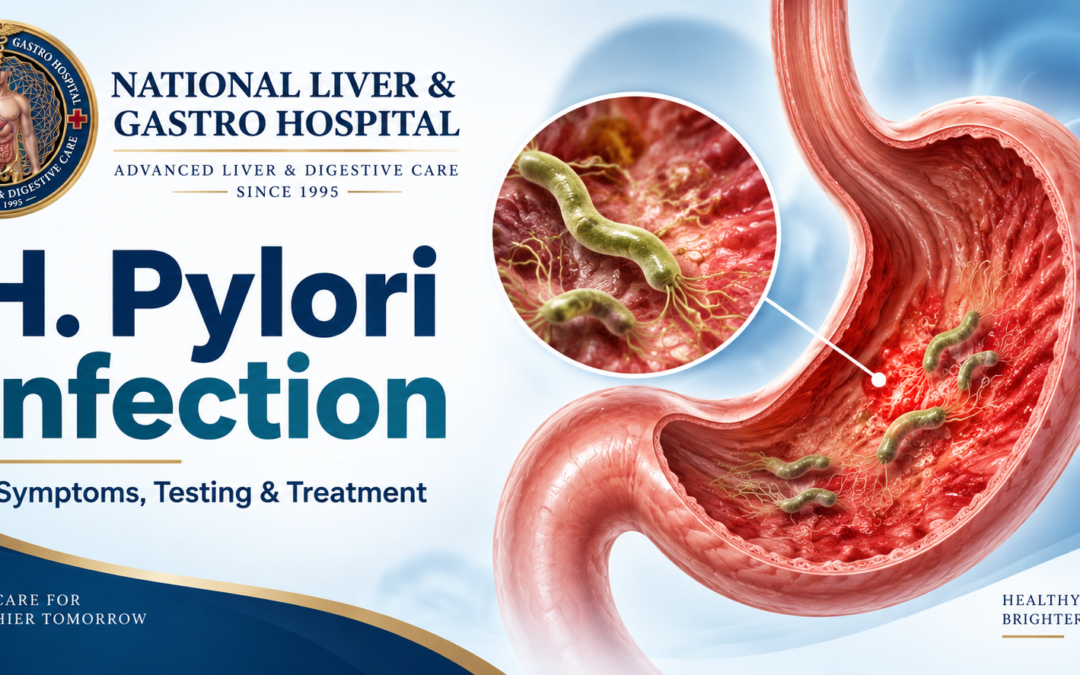
H. pylori is a bacterium that can live in the stomach lining. Many people with the infection have no obvious symptoms, but in some people it can contribute to gastritis, peptic ulcers and other stomach problems. This is why identifying the infection and treating it appropriately can be important.

If you are looking for H pylori treatment in Guntur, the first step should not be choosing a medicine yourself. A gastroenterologist can assess your symptoms, decide whether testing is appropriate and select treatment based on your medical history and previous antibiotic exposure.

Persistent Stomach Problems Need the Right Diagnosis

If acidity, upper stomach discomfort or ulcer symptoms keep returning, a proper gastroenterology evaluation can help identify the underlying cause.

Call +91 94402 14706 WhatsApp Us Book an Appointment

What Is H. Pylori Infection?

Quick answer: H. pylori is a type of bacterium that can infect the stomach lining. Some people have no symptoms, while others may develop upper abdominal discomfort, burning, nausea, bloating or ulcer disease. Testing can help determine whether the infection is present when your symptoms or medical history make testing appropriate.

The stomach has natural protective mechanisms that help it tolerate acid. H. pylori can interfere with some of these protective processes and contribute to inflammation of the stomach lining.

Not everyone with H. pylori develops an ulcer or significant symptoms. However, the infection is associated with peptic ulcer disease and is also considered an important risk factor for certain stomach cancers. For this reason, a confirmed infection should be discussed with a qualified gastroenterologist rather than ignored.

What Are the Symptoms of H. Pylori Infection?

One of the challenges with H. pylori is that symptoms can be different from one person to another. Some people remain completely symptom free.

When symptoms occur, they may include:

  • Burning or discomfort in the upper abdomen
  • Repeated acidity or indigestion
  • Bloating after meals
  • Frequent belching
  • Nausea
  • Feeling full sooner than usual
  • Reduced appetite
  • Upper abdominal pain that comes and goes
  • Symptoms that are worse when the stomach is empty in some people

These symptoms do not automatically mean that you have H. pylori. Gastritis, acid reflux, functional dyspepsia, gallbladder disease, medication related irritation and several other conditions can cause similar complaints.

That is why testing and clinical evaluation are more useful than assuming that every case of acidity is an H. pylori infection.

Can H. Pylori Cause Stomach Ulcers?

Yes. H. pylori is one of the important causes associated with peptic ulcer disease. An ulcer is an open sore that develops in the lining of the stomach or the first part of the small intestine.

People with an ulcer may experience burning or pain in the upper abdomen, nausea, early fullness or discomfort between meals. However, some ulcers cause few symptoms until complications occur.

Important: Black stools, vomiting blood, severe persistent abdominal pain, fainting or significant weakness can indicate gastrointestinal bleeding or another serious condition. These symptoms require prompt medical evaluation rather than self-treatment for acidity.

How Is H. Pylori Diagnosed?

There are several ways to test for H. pylori. The appropriate test depends on your symptoms, medical history and whether you have already received treatment.

1. Urea Breath Test

A urea breath test is a non-invasive method used to detect active H. pylori infection. It can also be useful after treatment to check whether the infection has been successfully eliminated.

2. Stool Antigen Test

A stool antigen test looks for evidence of H. pylori in a stool sample. Like the breath test, it can help identify an active infection and can be used for follow-up testing after treatment.

3. Upper GI Endoscopy With Biopsy

If you have alarm symptoms, persistent symptoms or other reasons that make endoscopy appropriate, a gastroenterologist may recommend an upper GI endoscopy. During the procedure, the doctor can examine the food pipe, stomach and upper small intestine and may take a small biopsy from the stomach lining.

Endoscopy is particularly useful when the doctor needs to look directly for ulcers, inflammation, bleeding or other abnormalities rather than simply checking for H. pylori.

4. Blood Testing

Blood tests can detect antibodies against H. pylori, but they may not reliably distinguish a current infection from a previous infection. For this reason, other testing methods may be preferred when the goal is to identify an active infection or confirm eradication.

Test What It Can Help Determine Typical Use
Urea breath test Evidence of active H. pylori infection Initial testing and follow-up in appropriate patients
Stool antigen test Evidence of active infection Initial testing and confirmation after treatment
Endoscopy with biopsy H. pylori plus direct examination of the stomach Selected patients with persistent or concerning symptoms
Blood antibody test Evidence of exposure to H. pylori Less useful when confirming active infection

When Should You Get Tested for H. Pylori?

Not every person with occasional acidity needs an H. pylori test. A gastroenterologist can consider your symptoms and medical history before recommending testing.

Testing may be considered in situations such as:

  • Persistent upper abdominal discomfort or indigestion
  • Peptic ulcer disease
  • A previous history of H. pylori infection
  • Repeated stomach symptoms that do not improve as expected
  • Some patients with dyspepsia after appropriate medical assessment
  • Selected patients with a relevant family or medical history

If you have warning signs such as unexplained weight loss, repeated vomiting, anemia, gastrointestinal bleeding, difficulty swallowing or a strong family history of stomach cancer, your doctor may recommend a more detailed evaluation rather than relying only on a simple H. pylori test.

How Is H. Pylori Treated?

H. pylori treatment usually involves a combination of medicines rather than a single antibiotic. Treatment commonly includes acid suppression along with antibiotics and, depending on the selected regimen, other medicines such as bismuth.

The exact combination should be chosen by a doctor. Previous antibiotic exposure, medication allergies, previous H. pylori treatment and local antibiotic resistance patterns can affect treatment decisions.

Modern clinical guidance has moved away from automatically using the same antibiotic combination for every patient. In particular, some antibiotic resistance patterns can reduce the effectiveness of certain older regimens. This is one reason why self-medicating with leftover antibiotics is not a good approach.

Why Completing the Full Treatment Matters

H. pylori treatment can involve several medicines taken for a defined period. Missing doses or stopping treatment early can reduce the chance of successful eradication and can make future treatment more difficult.

Some people experience temporary side effects such as nausea, changes in taste, loose stools or stomach discomfort while taking treatment. If side effects become difficult to manage, contact your doctor rather than stopping the medicines without advice.

Do not start H. pylori antibiotics without medical advice. The correct treatment depends on your individual medical history, previous antibiotic exposure and the treatment approach selected by your gastroenterologist.

How Do You Know If H. Pylori Treatment Worked?

Feeling better does not always prove that H. pylori has been eliminated.

For appropriate patients, a follow-up test is used after treatment to confirm eradication. Current clinical guidance recommends confirming that the infection has been successfully cleared rather than assuming that symptom improvement means the treatment worked.

The follow-up test may involve a urea breath test or stool antigen test, depending on the circumstances. The timing of the test and temporary changes to medicines such as acid suppressants are important because testing too soon or while taking certain medicines can affect the accuracy of the result.

Your gastroenterologist will tell you when to perform the test and which medicines may need to be paused beforehand.

H. Pylori and Gastritis: Are They the Same?

No. Gastritis means inflammation of the stomach lining, while H. pylori is one possible cause of that inflammation.

Other factors can also contribute to gastritis, including certain medicines, alcohol, autoimmune conditions and other forms of stomach irritation.

This distinction matters because treating acidity alone may not address the underlying cause if H. pylori infection is present. A proper evaluation helps determine what is actually causing your symptoms.

Can H. Pylori Come Back After Treatment?

After successful eradication, the infection can be treated effectively, but a person can potentially become infected again. In adults, confirming eradication after treatment is therefore important.

If symptoms return after successful treatment, do not automatically assume that H. pylori has returned. Acid reflux, functional dyspepsia, gastritis, ulcers, dietary factors and other digestive conditions can produce similar symptoms.

A doctor can decide whether repeat testing or another evaluation is necessary.

What Should You Do While Being Treated?

There is no special food that can replace medical treatment for H. pylori. However, some practical habits can make digestive symptoms easier to manage.

  • Take prescribed medicines exactly as directed.
  • Avoid unnecessary painkillers that can irritate the stomach unless prescribed by your doctor.
  • Limit foods that clearly trigger your symptoms.
  • Reduce alcohol consumption and discuss alcohol use with your doctor.
  • Avoid smoking and tobacco products.
  • Do not share or reuse leftover antibiotics.
  • Complete the prescribed treatment even if symptoms improve early.
  • Attend the recommended follow-up test after treatment.

When Should You See a Gastroenterologist in Guntur?

If your stomach symptoms keep returning despite taking routine acidity medicines, it is worth finding out whether there is an underlying cause.

You should consider a gastroenterology consultation if you have:

  • Persistent upper abdominal pain or burning
  • Repeated indigestion or acidity
  • A history of stomach or duodenal ulcers
  • Frequent nausea or unexplained bloating
  • Symptoms that repeatedly return after stopping acidity medicines
  • Unexplained weight loss
  • Repeated vomiting
  • Difficulty swallowing
  • Black stools or blood in vomit
  • Known or suspected H. pylori infection

For patients looking for an H pylori doctor in Guntur, a specialist evaluation can help determine whether you need H. pylori testing, endoscopy or another form of digestive investigation.

Looking for H. Pylori Evaluation in Guntur?

Get your recurring stomach symptoms assessed by a gastroenterology team and discuss the right testing and treatment approach for your condition.

Call +91 94402 14706 WhatsApp Us View Location on Google Maps

H. Pylori Care at National Liver & Gastro Hospital

At National Liver & Gastro Multispeciality Hospital in Guntur, stomach and digestive complaints are evaluated based on the patient’s symptoms, medical history and appropriate diagnostic findings.

The hospital provides gastroenterology care including evaluation of stomach and duodenal ulcers, H. pylori testing and eradication treatment, endoscopy and management of other digestive conditions.

If you have been taking acidity medicines repeatedly without understanding why your symptoms keep returning, a consultation can help determine whether further testing is appropriate.

You can visit the hospital in Guntur or check the exact location, directions and available information through the hospital’s Google Business Profile.

Frequently Asked Questions About H. Pylori

What is H. pylori?

H. pylori is a bacterium that can infect the stomach lining. Some people have no symptoms, while others may develop gastritis, indigestion, upper abdominal discomfort or peptic ulcers.

What are the common symptoms of H. pylori?

Possible symptoms include upper abdominal discomfort, burning, indigestion, bloating, nausea, frequent belching and feeling full quickly. However, many people with H. pylori have no symptoms.

What is the best test for H. pylori?

Urea breath testing and stool antigen testing are commonly used to detect active infection. In selected patients, an upper GI endoscopy with biopsy may also be recommended.

Can H. pylori be completely treated?

H. pylori can often be successfully eradicated with an appropriate combination of medicines. Completing treatment and confirming eradication afterward are important parts of care.

Can I treat H. pylori with acidity medicine alone?

Acid reducing medicines may help control symptoms, but they do not by themselves eradicate H. pylori. If an active infection is confirmed, specific eradication treatment prescribed by a doctor is required.

Can H. pylori cause ulcers?

Yes. H. pylori is an important cause associated with peptic ulcer disease. Patients diagnosed with an ulcer may therefore be evaluated for H. pylori infection.

Do I need a gastroenterologist for H. pylori treatment in Guntur?

A gastroenterologist can assess your symptoms, determine whether H. pylori testing is appropriate and select a suitable treatment plan based on your medical history and previous treatment.

How do I know whether H. pylori treatment has worked?

Symptoms improving is not enough to confirm eradication. A follow-up breath test, stool antigen test or another appropriate test may be recommended after treatment to confirm that the infection has been cleared.

Where can I get H. pylori treatment in Guntur?

National Liver & Gastro Multispeciality Hospital provides gastroenterology evaluation and care in Guntur. You can contact the hospital at +91 94402 14706 or check the hospital location on Google Maps before visiting.

Take Persistent Stomach Symptoms Seriously

Occasional acidity after a heavy meal is common. But when upper abdominal discomfort, indigestion, bloating or ulcer symptoms keep returning, repeatedly taking acidity medicine without finding the underlying cause may not be enough.

H. pylori is one possible cause, and appropriate testing can help determine whether it is present. If the infection is confirmed, completing the prescribed treatment and confirming eradication can help reduce the risk of ongoing infection and related complications.

If you are searching for H pylori treatment in Guntur, speak with a qualified gastroenterologist about your symptoms and medical history before starting treatment.

View National Liver & Gastro Hospital on Google Maps

National Liver & Gastro Multispeciality Hospital

+91 94402 14706 | nationallivergastro.com

Guntur, Andhra Pradesh. View on Google Maps

Monday to Saturday, 9 AM to 8 PM

Disclaimer: This article is intended for general health awareness only and does not replace professional medical advice, diagnosis or treatment. H. pylori testing and treatment should be determined by a qualified healthcare professional based on the patient’s individual condition. Treatment outcomes vary from patient to patient.

“`