Abnormal Liver Function Test: SGPT, SGOT & Bilirubin

Abnormal Liver Function Test: SGPT, SGOT & Bilirubin

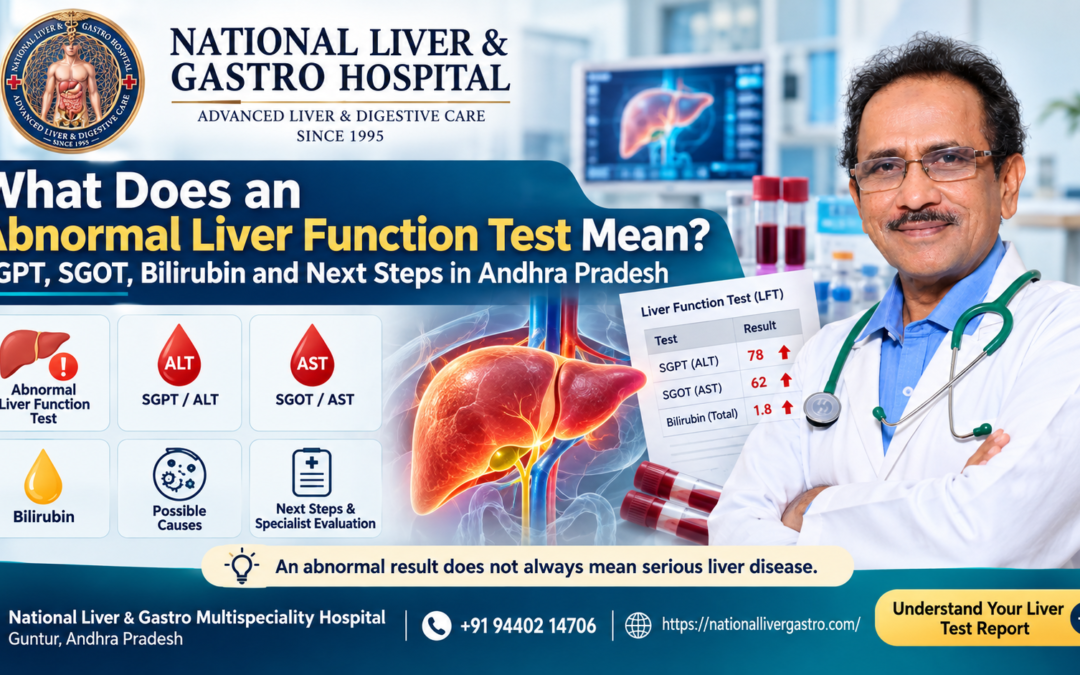
What Does an Abnormal Liver Function Test Mean? SGPT, SGOT, Bilirubin and Next Steps in Andhra Pradesh

Seeing an abnormal liver function test on a blood report can be worrying, especially when numbers such as SGPT, SGOT, ALT, AST or bilirubin are outside the laboratory reference range. However, an abnormal result does not automatically mean that you have serious liver disease.

Liver blood tests are usually interpreted together rather than one number being considered on its own. The result may be influenced by liver conditions, medicines, alcohol use, infections, metabolic health, bile duct problems and, in the case of AST, conditions outside the liver as well.

This guide explains what common liver test results mean, why they may become abnormal, what your doctor may recommend next and when specialist evaluation is important. If you are looking for a Gastro Hospital in Andhra Pradesh, understanding your report can help you have a more informed discussion with a qualified specialist.

Quick answer: An abnormal liver function test means one or more substances or enzymes measured in the blood are outside the laboratory’s expected range. Common tests include ALT (SGPT), AST (SGOT), alkaline phosphatase, bilirubin, albumin and sometimes GGT or clotting tests. The meaning depends on which result is abnormal, how high or low it is, whether the pattern persists and what symptoms or medical conditions are present.

Have an Abnormal Liver Blood Test?

Bring your latest blood report to a qualified gastroenterology specialist for proper interpretation and advice about appropriate next steps.

Call +91 94402 14706 WhatsApp Us Book an Appointment View Hospital Location

What Is a Liver Function Test?

A liver function test, often called an LFT or liver panel, is a group of blood tests used to assess substances associated with the liver and biliary system. Some tests indicate liver-cell injury, while others provide information about bile flow or the liver’s ability to make proteins and clotting factors.

The term “liver function test” is widely used, but not every test in the panel directly measures liver function. ALT and AST, for example, are mainly markers of cellular injury. Albumin and prothrombin time provide different information about liver synthetic function.

Because these tests provide different types of information, doctors normally interpret the complete pattern alongside symptoms, medical history and other investigations.

What Do SGPT, SGOT, ALT and AST Mean?

SGPT and SGOT are older names that many people still see on laboratory reports. Modern reports often use the terms ALT and AST.

Test Common Name What It Generally Indicates
ALT SGPT ALT is found mainly in the liver. An elevated level can indicate liver-cell injury, although the result does not identify the cause by itself.
AST SGOT AST can rise with liver injury but is also present in muscles and other tissues. It therefore needs to be interpreted with other results.
ALP Alkaline phosphatase ALP can increase with problems involving bile flow, but it can also come from tissues such as bone. Additional testing may help identify the source.
Bilirubin Total / Direct / Indirect Bilirubin is produced during normal breakdown of red blood cells and is processed and removed by the liver. Elevated levels may occur with liver disease, bile duct obstruction or increased red blood cell breakdown.
Albumin Liver-made protein Albumin provides information about protein production and can be affected by conditions other than liver disease.
GGT Gamma-glutamyl transferase GGT can help doctors interpret certain alkaline phosphatase elevations and assess hepatobiliary patterns.

What Does a High SGPT or ALT Level Mean?

SGPT is another name for alanine aminotransferase, or ALT. Because ALT is concentrated mainly in the liver, an increase can be a sign of liver-cell injury.

Possible causes include fatty liver disease, viral hepatitis, medication-related liver injury, alcohol-related liver disease and other liver conditions. ALT can also be affected by factors such as intense exercise, certain medicines and supplements.

The amount of ALT elevation is also important. A small increase and a very large increase may lead a doctor toward different parts of the diagnostic process. Reference ranges also vary between laboratories, so a result should be compared with the range printed on your individual report.

An elevated ALT does not by itself tell you whether the liver is permanently damaged or what disease is responsible. Further assessment is often needed.

What Does a High SGOT or AST Level Mean?

SGOT is the older name for aspartate aminotransferase, or AST. AST can increase when liver cells are injured, but AST is also present in skeletal muscle, heart muscle and other tissues.

This means a high AST does not always point exclusively to a liver problem. Doctors may compare AST with ALT, other liver tests and your symptoms to understand the pattern.

Recent intense exercise, muscle injury and certain medical conditions can affect AST. For this reason, it is important not to interpret a raised SGOT result without considering the complete clinical picture.

What Does High Bilirubin Mean?

Bilirubin is a yellow substance produced when the body breaks down old red blood cells. The liver processes bilirubin and helps remove it through bile.

When bilirubin is elevated, doctors may determine whether the increase is mainly direct, also called conjugated, or indirect, also called unconjugated. This distinction can help narrow down possible causes.

High bilirubin may occur with liver disease, bile duct obstruction or conditions that increase the breakdown of red blood cells. When bilirubin rises significantly, some people may develop yellowing of the skin or whites of the eyes, known as jaundice.

Important: Do not diagnose the cause of jaundice from bilirubin alone. Bilirubin results need to be interpreted with other blood tests, symptoms and, when appropriate, imaging.

Why Can Liver Function Tests Become Abnormal?

There are many possible reasons for abnormal liver blood tests. In some people, the change is temporary. In others, an abnormal pattern may be an early clue to a liver or biliary condition that needs further evaluation.

Fatty Liver and Metabolic Health

Metabolic dysfunction-associated steatotic liver disease and related fatty liver conditions can be associated with elevated ALT or AST. Diabetes, excess body weight and other metabolic risk factors may increase the likelihood of fatty liver disease.

Viral Hepatitis

Hepatitis viruses can cause inflammation and liver-cell injury. Depending on the clinical situation, a doctor may recommend blood tests for hepatitis A, B or C and other investigations.

Medicines and Supplements

Prescription medicines, over-the-counter medicines and some herbal or dietary supplements can affect liver blood tests. A complete medication and supplement history is therefore important.

Alcohol-Related Liver Injury

Alcohol can affect liver health and may contribute to abnormal liver enzymes. The relevance of alcohol depends on the amount, pattern of use and the individual’s overall health.

Bile Duct or Gallbladder Problems

Conditions that interfere with bile flow can affect alkaline phosphatase and bilirubin and may sometimes be accompanied by abdominal discomfort or jaundice.

Other Causes

Autoimmune liver conditions, inherited disorders, muscle injury, infections and other medical problems can also produce abnormal results. This is why a single blood value should not be treated as a final diagnosis.

How Doctors Interpret an Abnormal Liver Test Pattern

The pattern of abnormalities can be more informative than one isolated number. Doctors commonly consider whether the main changes involve ALT and AST, alkaline phosphatase, bilirubin or several tests together.

Pattern Tests Often More Noticeably Abnormal What It May Prompt Doctors to Investigate
Hepatocellular pattern ALT and/or AST Possible liver-cell injury from conditions such as viral hepatitis, fatty liver, alcohol-related injury or medication effects.
Cholestatic pattern ALP, often with bilirubin Possible problems affecting bile flow or the biliary system.
Mixed pattern ALT/AST and ALP A combination of hepatocellular and cholestatic abnormalities requiring broader evaluation.
Predominantly elevated bilirubin Bilirubin Further distinction between direct and indirect bilirubin and investigation of liver, bile duct and non-liver causes.

What Are the Next Steps After an Abnormal LFT?

The next step is not always another complicated scan. In many cases, doctors begin by confirming the abnormality, reviewing your history and looking at the complete laboratory pattern.

A Typical Evaluation May Include:

  • Reviewing the exact laboratory results and reference ranges.
  • Checking previous blood reports to see whether the abnormality is new or persistent.
  • Reviewing prescription medicines, pain medicines, supplements and herbal products.
  • Discussing alcohol use, diet, weight, diabetes and other metabolic risk factors.
  • Reviewing symptoms such as jaundice, abdominal pain, nausea, itching or dark urine.
  • Considering hepatitis and other blood tests when appropriate.
  • Using ultrasound or other imaging when the history and laboratory pattern indicate it.
  • Assessing for liver fibrosis or other complications when clinically indicated.
  • Arranging specialist follow-up if the abnormalities are significant, persistent or unexplained.

When Should You See a Liver Specialist?

A one-time mild abnormal result may sometimes need repeat testing or simple follow-up. However, specialist assessment becomes more important when the abnormality is persistent, marked, associated with symptoms or difficult to explain.

Patients seeking a Liver Specialist in Andhra Pradesh may benefit from having their complete laboratory report, previous imaging reports and medication list ready for the consultation.

Consider specialist evaluation when you have recurring abnormal liver tests, unexplained jaundice, persistent enzyme elevation, known hepatitis, suspected fatty liver with risk factors, abnormal bilirubin or possible bile duct disease.

Why Is a Gastroenterology Hospital Helpful for Abnormal Liver Tests?

Abnormal liver tests can sometimes require more than a single blood test. Depending on the suspected cause, evaluation may involve blood work, ultrasound, advanced imaging, endoscopy or specialist follow-up.

A dedicated Gastroenterology Hospital in Guntur can be useful when patients need coordinated evaluation for liver, digestive and biliary conditions.

When searching online for a Best Liver Specialist in Guntur or a Best Gastro Hospital in Guntur , focus on relevant specialist expertise, diagnostic facilities, treatment pathways and follow-up care rather than relying only on a search ranking.

What Symptoms Can Occur Alongside Abnormal Liver Tests?

Some people with abnormal liver blood tests have no symptoms. Others may notice symptoms related to the underlying condition.

  • Unusual tiredness or weakness
  • Loss of appetite
  • Nausea or vomiting
  • Upper or right-sided abdominal discomfort
  • Yellowing of the skin or eyes
  • Dark-coloured urine
  • Pale stools
  • Generalised itching
  • Abdominal swelling or leg swelling

Symptoms alone cannot establish the cause. Some digestive and non-liver conditions can produce similar complaints, so medical evaluation is important when symptoms persist or become significant.

When Should Abnormal Liver Results Be Evaluated Urgently?

Seek prompt medical attention when abnormal liver tests occur with significant jaundice, severe or persistent abdominal pain, repeated vomiting, confusion, unusual bleeding, marked weakness or rapidly worsening symptoms.

Call +91 94402 14706 Find National Liver & Gastro Hospital

What Should You Bring to a Liver Specialist Appointment?

A little preparation can make your consultation more useful. Instead of bringing only the latest abnormal result, take your complete health information with you.

Keep These Details Ready:

  • Your latest liver function test report.
  • Older reports, if available.
  • Ultrasound, CT, MRI or other scan reports.
  • A list of prescription and over-the-counter medicines.
  • Details of vitamins, herbal products or dietary supplements.
  • Information about known diabetes, high cholesterol or other health conditions.
  • A note of symptoms, when they started and whether they are getting worse.

Can an Abnormal Liver Test Return to Normal?

Sometimes, yes. The outcome depends entirely on the underlying reason for the abnormal result. Some temporary causes may resolve after the triggering problem improves, while chronic liver conditions may require ongoing monitoring and treatment.

The important point is not to assume that a repeat normal result always rules out liver disease or that one abnormal test automatically confirms it. Doctors consider trends over time along with symptoms, risk factors, examination findings and other investigations.

Abnormal Liver Test Evaluation at National Liver & Gastro Multispeciality Hospital

National Liver & Gastro Multispeciality Hospital in Guntur provides specialist evaluation for liver and gastrointestinal concerns.

Patients with abnormal SGPT, SGOT, bilirubin or other liver blood test results can discuss their reports with a qualified specialist and understand which additional investigations may be appropriate for their situation.

Depending on the clinical findings, the evaluation may include a review of blood tests, medical history, medications, metabolic risk factors, imaging and other diagnostic investigations.

If you are searching for a Gastro Specialist in near me in the Guntur area, convenient access should be considered alongside specialist expertise, diagnostic support and the ability to provide appropriate follow-up.

Need Help Understanding an Abnormal Liver Report?

Do not rely on one test value alone. Get your complete report reviewed and discuss the appropriate next steps with a qualified gastroenterology or liver specialist.

Call +91 94402 14706 WhatsApp Us Book an Appointment View Google Maps

Frequently Asked Questions About Abnormal Liver Function Tests

1. What does an abnormal liver function test mean?

It means one or more measurements in the liver panel are outside the laboratory’s reference range. The result does not automatically diagnose liver disease. Doctors interpret the full pattern together with symptoms, medical history and other tests.

2. Is high SGPT the same as high ALT?

Yes. SGPT is an older term for ALT, or alanine aminotransferase. ALT is mainly found in the liver, and a higher-than-expected result may indicate liver-cell injury, although other factors can also affect the level.

3. Is SGOT the same as AST?

Yes. SGOT is the older name for AST, or aspartate aminotransferase. AST can rise with liver injury, but it is also present in muscles and other tissues, so the result must be interpreted in context.

4. Does high bilirubin always mean liver disease?

No. High bilirubin can occur because of liver disease, impaired bile flow or increased breakdown of red blood cells. Doctors may separate direct and indirect bilirubin to help determine the likely cause.

5. Can fatty liver cause abnormal SGPT and SGOT?

Yes. Fatty liver conditions can be associated with raised ALT and AST. However, abnormal enzymes can have many causes, so further assessment may be required before identifying the reason for the result.

6. Can medicines cause abnormal liver tests?

Yes. Some prescription medicines, over-the-counter medicines and supplements can affect liver blood tests. Do not stop a prescribed medicine without discussing it with the healthcare professional who manages your treatment.

7. What tests may be needed after an abnormal LFT?

Depending on the pattern and clinical history, a doctor may recommend repeat blood testing, hepatitis testing, additional liver chemistry tests, ultrasound or other imaging, and sometimes fibrosis assessment or specialist investigations.

8. Should I worry if my liver enzymes are slightly high?

A slight elevation does not by itself tell you how serious the problem is. The laboratory reference range, pattern of results, trend over time, symptoms and other health factors all matter.

9. When should I see a liver specialist?

Specialist evaluation may be appropriate when liver tests remain abnormal, the cause is unclear, bilirubin is elevated, symptoms are present, hepatitis or fatty liver is suspected, or there are signs of a more significant liver or bile duct problem.

10. How can I find a liver or gastro specialist near me?

Look for a qualified gastroenterology or liver specialist who can interpret abnormal liver tests and arrange appropriate diagnostic evaluation. Consider specialist experience, diagnostic facilities, treatment options, location and follow-up care.

What Should You Do After an Abnormal Liver Function Test?

An abnormal liver report is a reason to investigate, not a reason to panic. SGPT or ALT may indicate liver-cell injury, SGOT or AST can rise from liver or non-liver causes, and bilirubin can increase for several different reasons.

The most useful next step is to understand the complete pattern rather than focusing on one number. Your doctor may compare current and previous results, review medicines and risk factors, assess symptoms and decide whether further blood tests or imaging are necessary.

For patients looking for specialist care in the region, a dedicated Gastroenterology Hospital in Guntur can provide a setting for coordinated evaluation of liver and digestive concerns.

If you have an abnormal report and want professional guidance, contact National Liver & Gastro Multispeciality Hospital to discuss consultation and available diagnostic services.

Medical Information Sources

This article is for general educational information only. The meaning of an abnormal liver test depends on the individual patient and should be assessed by a qualified healthcare professional.

American College of Gastroenterology – Evaluation of Abnormal Liver Chemistries

MedlinePlus – Liver Function Tests

MedlinePlus – ALT Blood Test

MedlinePlus – AST Test

MedlinePlus – Bilirubin Blood Test

Medical Disclaimer: This article provides general educational information and is not a diagnosis or substitute for professional medical advice. Laboratory reference ranges differ between laboratories, and an abnormal result should be interpreted according to the patient’s symptoms, medical history and complete test report. Do not stop prescribed medicines without medical advice. Seek prompt medical attention for severe or rapidly worsening symptoms, significant jaundice, confusion, repeated vomiting, unusual bleeding or severe abdominal pain.

Gastro & Liver Care in Guntur for Persistent Stomach Pain, Acidity, Bloating and Liver Problems

Gastro & Liver Care in Guntur for Persistent Stomach Pain, Acidity, Bloating and Liver Problems

Gastro & Liver Care in Guntur for Persistent Stomach Pain, Acidity, Bloating and Liver Problems

Occasional acidity, gas or bloating can happen after certain meals or changes in eating habits. However, when stomach discomfort keeps returning, becomes more intense or starts affecting your daily routine, it deserves closer attention. Persistent digestive symptoms may have several possible causes, ranging from common gastrointestinal problems to conditions involving the liver, gallbladder or pancreas.

Symptoms such as recurring stomach pain, frequent acidity, persistent bloating, nausea, vomiting, changes in bowel habits, jaundice or unexplained digestive discomfort should not automatically be dismissed as simple indigestion. Understanding when to seek specialist care can help you receive appropriate evaluation instead of repeatedly treating symptoms without identifying the underlying cause.

If you are looking for Gastro & Liver Care in Guntur, this guide explains common warning signs, possible causes, diagnostic approaches, liver-related symptoms, treatment considerations and when consultation with a gastroenterology specialist may be appropriate.

Quick answer: Persistent stomach pain, frequent acidity, continuing bloating, repeated vomiting, unexplained weight changes, jaundice or recurring digestive problems should be evaluated when they do not settle or keep returning. A specialist may review your symptoms, medical history and examination findings and recommend appropriate blood tests, imaging or other investigations to identify the possible cause.

Having Persistent Digestive or Liver-Related Symptoms?

Repeated stomach discomfort should not always be treated as ordinary acidity. Discuss ongoing symptoms with a qualified specialist.

Call +91 94402 14706 WhatsApp Us Book an Appointment

When Does Stomach Pain Need More Attention?

Stomach pain is a common complaint, but its location, duration, severity and associated symptoms can provide useful clues about whether further evaluation is needed. Mild discomfort that occurs occasionally may have a simple explanation, while persistent or recurring pain may require a more detailed assessment.

Pain in the upper abdomen can be associated with several digestive conditions. Depending on the situation, doctors may consider problems involving the stomach, gallbladder, liver, pancreas or intestines. The same symptom can have different causes in different people, which is why persistent symptoms should be evaluated rather than self-diagnosed.

Signs That Your Stomach Pain Deserves Medical Evaluation

  • Pain that keeps returning over days or weeks
  • Severe or persistent upper abdominal discomfort
  • Pain associated with repeated vomiting
  • Stomach pain accompanied by fever or chills
  • Unexplained changes in appetite or digestion
  • Abdominal discomfort accompanied by jaundice
  • Dark urine or unusually pale stools
  • Digestive symptoms that interfere with normal daily activities

Can Acidity and Bloating Be Signs of a Digestive Problem?

Acidity and bloating are common digestive complaints. They may occur after particular foods, irregular meals or other temporary digestive disturbances. However, frequent symptoms that continue despite basic lifestyle changes may require professional assessment.

Persistent acidity may be related to conditions affecting the upper digestive tract, while bloating can occur for many different reasons. Gas-related discomfort, changes in digestion and other gastrointestinal conditions may produce similar sensations.

Rather than assuming that every episode is simply gas or acidity, pay attention to how often symptoms occur, whether they are becoming more severe and whether other symptoms appear at the same time.

Symptom What to Observe
Acidity Frequency, duration, food-related triggers and whether symptoms keep returning.
Bloating Whether abdominal fullness is occasional or persistent and whether it occurs with pain or bowel changes.
Stomach pain Location, severity, duration and whether the pain is associated with meals or other symptoms.
Nausea or vomiting Frequency and whether vomiting occurs together with significant abdominal pain.
Changes in stool Persistent changes in bowel habits, stool colour or other unusual digestive symptoms.

What Digestive Symptoms Should You Discuss With a Gastroenterologist?

A gastroenterology consultation can be useful when digestive symptoms are persistent, recurring or difficult to explain. A doctor may assess the complete symptom pattern rather than focusing on a single complaint.

1. Recurring Upper Abdominal Pain

Repeated pain in the upper abdomen can have different causes. If it continues to occur or becomes more intense, professional evaluation can help determine whether further testing is appropriate.

2. Frequent Acidity or Heartburn

Occasional acidity may be common, but frequent or persistent symptoms should be discussed with a healthcare professional, particularly when they interfere with sleep, eating or daily activities.

3. Persistent Bloating

Bloating can have many causes. If abdominal fullness continues despite changes in diet or eating habits, a specialist may review your digestive symptoms and consider whether additional investigation is needed.

4. Repeated Nausea or Vomiting

Recurrent nausea or vomiting may require evaluation, particularly when associated with significant abdominal pain, dehydration, fever or other warning signs.

5. Jaundice or Changes in Urine and Stool Colour

Yellowing of the skin or eyes can indicate a problem with bile flow or the liver. Dark urine or unusually pale stools may also occur with certain liver or biliary conditions and should be medically evaluated.

When Should You Consider Liver Care?

The liver performs several important functions in the body, and liver-related conditions do not always produce obvious symptoms in their early stages. Some people may discover liver abnormalities during routine blood tests or imaging performed for another reason.

Symptoms such as jaundice, persistent abdominal discomfort, unusual fatigue, changes in urine or stool colour and certain abnormal liver blood tests may lead a doctor to investigate liver health further.

If a liver problem is suspected, evaluation may include medical history, physical examination, blood tests and imaging. The appropriate investigations depend on the individual symptoms and clinical findings.

Important: Digestive symptoms alone cannot confirm a liver disease. Persistent or concerning symptoms should be assessed by a qualified healthcare professional rather than diagnosed through online information alone.

Common Reasons People Seek Gastro & Liver Care in Guntur

Gastroenterology covers a wide range of conditions involving the digestive system, while liver care focuses on conditions affecting the liver and related biliary system. People may seek specialist evaluation for different combinations of symptoms.

  • Persistent stomach pain
  • Frequent acidity or reflux symptoms
  • Recurring bloating and digestive discomfort
  • Nausea and vomiting
  • Gallbladder or gallstone-related symptoms
  • Abnormal liver blood tests
  • Jaundice
  • Suspected liver disease
  • Changes in bowel habits
  • Digestive symptoms that repeatedly return

The presence of one symptom does not automatically mean that a serious condition is present. The purpose of specialist assessment is to understand the complete clinical picture and determine whether investigation or treatment is required.

What Tests May Be Recommended for Persistent Digestive Symptoms?

The tests recommended for stomach, digestive or liver symptoms depend on the symptoms and the doctor’s clinical assessment. There is no single investigation that is appropriate for every patient.

Blood Tests

Blood tests may help doctors evaluate signs of inflammation and provide information about liver or pancreatic function. Additional tests may be recommended depending on the suspected condition.

Ultrasound

Abdominal ultrasound can provide information about organs such as the liver and gallbladder. It may be considered when symptoms suggest a problem involving these structures.

CT Scan

CT imaging may be considered when more detailed information about the abdomen is required or when the doctor is evaluating possible complications.

MRI and MRCP

MRI-based imaging can provide detailed information about the liver, biliary system and surrounding structures. MRCP may be used in selected cases to evaluate the bile ducts.

Endoscopic Evaluation

Depending on the symptoms, a doctor may recommend an endoscopic procedure to examine parts of the digestive tract or evaluate and treat certain gastrointestinal conditions.

Investigation Possible Role
Blood tests May provide information about liver, pancreas, inflammation and other relevant markers.
Ultrasound Can help examine the liver, gallbladder and other abdominal structures.
CT scan May provide detailed abdominal imaging when clinically appropriate.
MRI / MRCP Can provide detailed views of selected abdominal and biliary structures.
Endoscopy May help evaluate certain upper gastrointestinal symptoms and conditions.

How Can You Prepare for a Gastroenterology Consultation?

A little preparation can make a medical consultation more useful. Before visiting a specialist, note when your symptoms started, how frequently they occur and whether anything seems to make them better or worse.

Keep These Details Ready

  • When the symptoms first started
  • Where the pain or discomfort occurs
  • How long each episode lasts
  • Whether symptoms are related to meals
  • Any nausea, vomiting, fever or bowel changes
  • Any previous diagnosis or medical reports
  • Current medicines or supplements
  • Previous blood tests or imaging reports

Bringing previous reports can help the doctor understand what has already been investigated and decide whether additional tests may be useful.

Why Choose a Specialist Gastro Hospital in Guntur?

Persistent digestive and liver-related symptoms can sometimes require more than a single consultation. Depending on the condition, patients may need diagnostic investigations, specialist review, endoscopic procedures or continued follow-up.

A dedicated Gastro Hospital in Guntur can provide a setting where digestive and liver concerns can be evaluated through an appropriate care pathway.

When choosing a healthcare facility, consider whether it provides access to relevant specialists, diagnostic support and appropriate follow-up for the condition being evaluated.

Consider Relevant Specialist Experience

Look for a healthcare professional who routinely evaluates gastrointestinal, liver, gallbladder and related digestive concerns.

Consider Diagnostic Support

Depending on your symptoms, blood tests, ultrasound, imaging or endoscopic evaluation may be recommended. Access to appropriate diagnostic support can make the evaluation process more organized.

Consider Follow-Up Care

Some digestive and liver conditions require monitoring over time. Ask about follow-up arrangements if your condition requires repeated consultations or investigations.

Looking for Gastroenterology Care in Guntur?

Persistent acidity, bloating, stomach pain or liver-related symptoms deserve appropriate medical evaluation.

Call +91 94402 14706 WhatsApp Us View Hospital Location

When Should Digestive Symptoms Be Treated as Urgent?

Not every episode of acidity, bloating or stomach discomfort is an emergency. However, certain symptoms can indicate a condition requiring prompt medical attention.

  • Sudden or severe abdominal pain
  • Persistent or repeated vomiting
  • Abdominal pain accompanied by fever or chills
  • Yellowing of the skin or eyes
  • Dark urine with other concerning symptoms
  • Severe weakness or signs of dehydration
  • Severe abdominal pain spreading toward the back
  • Symptoms that become rapidly worse

Do not delay urgent medical evaluation when symptoms are severe. Severe abdominal pain, persistent vomiting, fever, jaundice or other significant warning signs should be assessed promptly by a healthcare professional.

National Liver & Gastro Multispeciality Hospital for Gastro & Liver Care in Guntur

National Liver & Gastro Multispeciality Hospital in Guntur focuses on the evaluation and management of gastrointestinal and liver-related concerns.

Patients experiencing recurring stomach pain, acidity, bloating, digestive discomfort or suspected liver-related symptoms can discuss their concerns with a qualified specialist and determine whether diagnostic evaluation is appropriate.

Depending on the clinical situation, evaluation may involve medical history, physical examination, blood tests, ultrasound, other imaging or endoscopic assessment. The appropriate care plan depends on the individual patient’s symptoms and findings.

To learn more about available services, visit the National Liver & Gastro Multispeciality Hospital website or contact the hospital at +91 94402 14706.

Finding the Right Gastro and Liver Specialist in Guntur

Searching for a Gastroenterologist in Guntur can be the first step when recurring digestive symptoms need specialist attention. A gastroenterologist evaluates conditions affecting the digestive system and may coordinate additional investigations when required.

Patients looking for a Liver Specialist in Guntur may need evaluation for abnormal liver tests, jaundice or other concerns involving liver health. The appropriate assessment depends on the patient’s symptoms and medical history.

If you are searching for a Gastro Hospital in Guntur , consider factors such as specialist availability, diagnostic facilities, treatment pathways and follow-up care.

A Gastro Clinic in Guntur may be appropriate for an initial specialist consultation, while some conditions may require additional investigations or hospital-based treatment depending on the clinical situation.

People searching for a Gastro Doctor in Guntur should focus on relevant specialist care for their particular symptoms rather than attempting to identify the cause through symptoms alone.

For ongoing digestive concerns, appropriate Liver Care in Guntur and gastroenterology evaluation can help determine whether further tests, treatment or monitoring are required.

Frequently Asked Questions About Gastro & Liver Care in Guntur

What symptoms mean I should see a gastroenterologist?

Recurring stomach pain, frequent acidity, persistent bloating, repeated vomiting, unexplained digestive changes, jaundice or other continuing gastrointestinal symptoms may warrant specialist evaluation.

Can acidity cause persistent stomach pain?

Acidity can cause discomfort, but persistent stomach pain can have several possible causes. If symptoms repeatedly return or become severe, medical evaluation can help determine the underlying reason.

When is bloating considered a concern?

Occasional bloating is common, but persistent or recurring bloating, especially when associated with pain, vomiting, bowel changes or other unusual symptoms, should be discussed with a healthcare professional.

Can liver problems cause stomach discomfort?

Certain liver or biliary conditions can be associated with abdominal discomfort or other digestive symptoms. However, stomach pain has many possible causes, so proper clinical assessment is needed.

What are common warning signs of a liver-related problem?

Jaundice, changes in urine or stool colour, abnormal liver blood tests and certain persistent abdominal symptoms may lead a doctor to investigate liver health further.

What tests may be used to investigate persistent stomach pain?

Depending on the symptoms, a doctor may recommend blood tests, ultrasound, CT imaging, MRI/MRCP or endoscopic evaluation. The appropriate test depends on the suspected cause.

Is an ultrasound useful for liver and gallbladder problems?

Ultrasound can provide useful information about the liver, gallbladder and surrounding abdominal structures. Additional investigations may be required depending on the symptoms and initial findings.

Should I see a specialist for recurring acidity?

If acidity is frequent, persistent, worsening or interfering with everyday activities, discussing the symptoms with a healthcare professional can help determine whether further evaluation is appropriate.

Can bloating and acidity occur together?

Yes. Bloating and acidity can occur together, but their combination does not identify a specific condition. Persistent symptoms should be evaluated in the context of the person’s complete medical history.

When should stomach pain be treated as urgent?

Severe or rapidly worsening abdominal pain, persistent vomiting, fever or chills, jaundice, severe weakness or other significant warning signs require prompt medical evaluation.

How can I find a Gastroenterologist in Guntur?

Look for a qualified gastroenterology specialist or hospital that evaluates digestive and liver-related conditions. Consider relevant specialist experience, diagnostic support, treatment options, location and follow-up care.

What should I take to a gastroenterology appointment?

Bring previous medical reports, blood-test results, imaging reports, a list of current medicines and a brief record of your symptoms, including when they started and what seems to trigger or relieve them.

Can I treat persistent acidity and bloating only with home remedies?

Home measures may provide temporary comfort for some people, but persistent or recurring symptoms should not be repeatedly self-treated without understanding the possible cause.

What is the difference between gastro care and liver care?

Gastroenterology focuses broadly on the digestive system, while liver care specifically addresses conditions involving the liver and related biliary system. The two areas can overlap because several digestive conditions involve both systems.

Where can I find a Gastro Hospital in Guntur?

Patients can look for a hospital providing gastroenterology and liver-related specialist services, diagnostic support and appropriate follow-up. The available services should be considered according to the patient’s needs.

When should I consider Liver Care in Guntur?

Liver-focused evaluation may be appropriate when there are abnormal liver tests, jaundice, suspected liver disease or other symptoms that lead a doctor to investigate liver function.

Do Not Ignore Persistent Digestive or Liver-Related Symptoms

Stomach pain, acidity and bloating are common symptoms, but persistent or recurring problems deserve more than repeated short-term relief. The location, duration and pattern of symptoms can help a healthcare professional decide whether further evaluation is appropriate.

Liver-related warning signs such as jaundice, unusual urine or stool colour and abnormal liver tests also deserve appropriate medical attention. Different digestive and liver conditions can produce overlapping symptoms, making professional assessment important when problems continue.

If you are looking for Gastro & Liver Care in Guntur, consider a healthcare setting where your symptoms can be reviewed properly and an appropriate diagnostic or treatment pathway can be discussed.

National Liver & Gastro Multispeciality Hospital can be contacted for information about consultation and available gastroenterology and liver-related services.

Need Gastro & Liver Care in Guntur?

If stomach pain, acidity, bloating or liver-related symptoms keep returning, consider discussing them with a qualified specialist.

Call +91 94402 14706 WhatsApp Us View National Liver & Gastro Hospital

Medical disclaimer: This article is for general educational information only and does not provide a diagnosis or replace professional medical advice. Persistent, severe or worsening symptoms should be evaluated by a qualified healthcare professional.

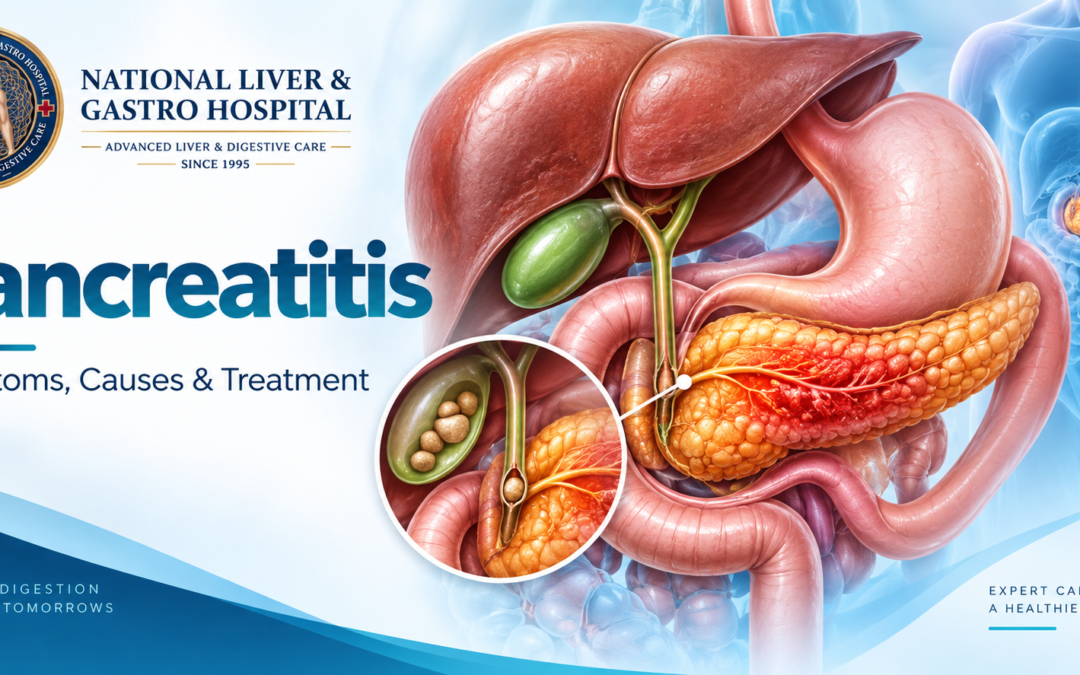
Pancreatitis: Early Symptoms, Causes, Diagnosis and Treatment in Guntur

Pancreatitis: Early Symptoms, Causes, Diagnosis and Treatment in Guntur

A sudden pain starts in the upper part of your stomach. It is much stronger than ordinary acidity and seems to travel toward your back. You feel nauseous, you may vomit, and the pain does not settle after taking your usual gastric medicine.

This type of pain should not automatically be treated as indigestion.

One possible cause is pancreatitis, an inflammation of the pancreas. The pancreas sits behind the stomach and plays an important role in digestion and blood sugar regulation.

Pancreatitis can happen suddenly as acute pancreatitis, or it can develop and continue over a longer period as chronic pancreatitis. Both conditions require proper medical evaluation because the severity and treatment can vary significantly from one person to another.

If you are searching for pancreatitis treatment in Guntur, understanding the symptoms, causes and diagnostic process can help you recognize when professional care is necessary.

Severe Upper Abdominal Pain Should Not Be Ignored

Persistent abdominal pain with vomiting, fever or pain spreading to the back needs prompt medical evaluation.

Call +91 94402 14706 WhatsApp Us Book an Appointment

What Is Pancreatitis?

Quick answer: Pancreatitis means inflammation of the pancreas. Acute pancreatitis develops suddenly and can range from mild to severe. Chronic pancreatitis is a long-term condition that can progressively damage the pancreas and affect digestion and other pancreatic functions.

The pancreas is located behind the stomach and has two major roles. It produces digestive enzymes that help break down food, and it produces hormones such as insulin that help regulate blood sugar.

Pancreatitis occurs when digestive enzymes begin causing damage and inflammation within the pancreas instead of functioning normally in the digestive tract.

The condition can be caused by several different problems. Gallstones and heavy alcohol use are among the important causes, while other causes include certain medicines, high blood fats, genetic conditions and some structural or medical problems involving the pancreas.

Acute vs Chronic Pancreatitis

Although both conditions involve inflammation of the pancreas, acute and chronic pancreatitis are not the same.

Feature Acute Pancreatitis Chronic Pancreatitis
Onset Usually develops suddenly Develops or continues over a longer period
Duration Short-term inflammation Long-lasting inflammation and pancreatic damage
Pain Often sudden and significant upper abdominal pain May be recurrent or persistent and can spread to the back
Common causes Gallstones, alcohol and other causes Heavy alcohol use, genetic factors and other pancreatic problems
Possible effects Can require urgent hospital treatment Can lead to lasting pancreatic damage and digestive problems

Acute pancreatitis can improve over several days in many patients when appropriately treated, while chronic pancreatitis can cause permanent damage and may require long-term management.

What Are the Early Symptoms of Pancreatitis?

The most characteristic symptom is pain in the upper abdomen. The pain may be mild or severe and can sometimes spread toward the back.

Other possible symptoms include:

  • Upper abdominal pain that starts suddenly
  • Pain that may spread to the back
  • Nausea and vomiting
  • Fever
  • Abdominal tenderness or swelling
  • Fast heartbeat
  • Loss of appetite
  • Digestive discomfort

With chronic pancreatitis, symptoms may also include repeated abdominal pain, diarrhea, nausea, vomiting, weight loss and greasy or foul-smelling stools caused by problems digesting and absorbing food.

What Does Pancreatitis Pain Feel Like?

Pancreatitis pain is usually felt in the upper abdomen. It can begin suddenly or gradually and may become severe.

In some people, the pain moves toward the back. Eating may make the pain worse, and some people find that changing position affects how the pain feels.

This is one reason pancreatitis can sometimes be confused with stomach ulcers, severe indigestion or other abdominal conditions.

Important: Severe or persistent upper abdominal pain, particularly when accompanied by vomiting, fever, rapid heartbeat, difficulty breathing or yellowing of the eyes or skin, requires urgent medical assessment. Severe pancreatitis can lead to serious complications.

What Causes Pancreatitis?

There is no single cause of pancreatitis. Doctors first try to identify what triggered the inflammation because treating the underlying cause can be an important part of preventing further problems.

1. Gallstones

Gallstones are one of the most common causes of acute pancreatitis. A stone can move from the gallbladder and become stuck in a bile or pancreatic duct, interfering with normal drainage and triggering inflammation of the pancreas.

This is why people with gallstones and sudden severe upper abdominal pain should not assume the problem is simply gastric acidity.

2. Heavy Alcohol Use

Heavy alcohol use is another important cause of pancreatitis and can contribute to both acute and chronic disease.

For people who have pancreatitis, medical guidance strongly recommends avoiding alcohol because continued alcohol use can increase the risk of recurrent episodes and progression to chronic disease.

3. High Triglycerides

Very high levels of blood triglycerides can be associated with pancreatitis. If pancreatitis occurs without an obvious cause, doctors may check blood lipid levels as part of the evaluation.

4. Certain Medicines

Some medicines can contribute to pancreatitis in susceptible individuals. This is why it is important to tell your doctor about every medicine, supplement and herbal product you are taking.

5. Genetic and Other Medical Causes

Some people have inherited conditions that increase their risk of pancreatic inflammation. Other possible causes include abdominal injury, infections, pancreatic duct abnormalities and certain pancreatic diseases. In some patients, the cause cannot be identified despite evaluation.

Can Gallstones Cause Pancreatitis?

Yes. This is an important connection between the gallbladder and pancreas.

The bile and pancreatic ducts are closely connected before they drain into the small intestine. A gallstone that blocks this drainage area can interfere with pancreatic secretions and trigger acute pancreatitis.

This condition is known as gallstone pancreatitis.

If a patient has pancreatitis caused by gallstones, treating the gallstone problem may become an important part of preventing another episode. Depending on the circumstances, doctors may recommend gallbladder surgery or an endoscopic procedure such as ERCP.

How Is Pancreatitis Diagnosed?

Pancreatitis cannot be diagnosed reliably from symptoms alone. Doctors usually combine your medical history, physical examination, blood tests and appropriate imaging to determine whether the pancreas is inflamed and to identify the possible cause.

Blood Tests

Blood testing may include pancreatic enzymes such as amylase and lipase. Doctors may also check blood glucose, triglycerides and other markers that can provide information about inflammation, infection or problems involving the liver, gallbladder and bile ducts.

Abdominal Ultrasound

Ultrasound can be particularly useful when doctors want to look for gallstones, which are an important cause of acute pancreatitis.

CT Scan

A CT scan can provide detailed images of the pancreas and surrounding structures and may help identify inflammation or complications.

MRCP

Magnetic resonance cholangiopancreatography, or MRCP, uses MRI technology to provide detailed images of the pancreas, gallbladder and bile ducts. It can be useful when doctors need to investigate possible duct blockage or another structural cause.

Endoscopic Ultrasound

Endoscopic ultrasound, or EUS, combines endoscopy with ultrasound to obtain detailed images of the pancreas and bile ducts. A gastroenterologist may recommend it when further evaluation is needed.

Test What It Can Help Identify
Blood tests Pancreatic enzyme elevation, inflammation, glucose and blood fat abnormalities
Ultrasound Gallstones and certain gallbladder or abdominal abnormalities
CT scan Pancreatic inflammation and possible complications
MRCP Detailed evaluation of the pancreas and bile ducts
Endoscopic ultrasound Detailed assessment of the pancreas and bile ducts

How Is Acute Pancreatitis Treated?

Acute pancreatitis can require hospital treatment, particularly when symptoms are significant. Treatment depends on the severity of the condition and its underlying cause.

Hospital management may include:

  • Intravenous fluids to prevent or treat dehydration
  • Medicines to control pain
  • Monitoring for complications
  • Appropriate nutritional support
  • Antibiotics when there is a relevant infection
  • Treatment of the underlying cause

Many cases of mild acute pancreatitis improve over several days with appropriate treatment, while severe cases may require longer hospital care and treatment for complications.

When Is ERCP Used for Pancreatitis?

ERCP stands for endoscopic retrograde cholangiopancreatography.

It combines upper gastrointestinal endoscopy with X-ray imaging and can be used to treat selected problems involving the bile and pancreatic ducts.

For example, if a gallstone becomes stuck in the common bile duct or near the drainage area shared by the bile and pancreatic ducts, ERCP may be used to remove the obstruction in appropriate cases.

ERCP is not required for every patient with pancreatitis. Your gastroenterologist will determine whether it is appropriate based on the cause and findings.

How Is Chronic Pancreatitis Managed?

Chronic pancreatitis is different from a single episode of acute pancreatitis. Long-term inflammation can cause lasting damage to the pancreas and affect its ability to produce digestive enzymes and hormones.

Management may involve:

  • Controlling abdominal pain
  • Stopping alcohol completely
  • Stopping smoking
  • Dietary and nutritional support
  • Pancreatic enzyme replacement when needed
  • Management of blood sugar problems
  • Treatment of pancreatic or bile duct blockages
  • Monitoring for complications

Some patients develop problems absorbing nutrients because the pancreas is no longer producing enough digestive enzymes. This can contribute to weight loss and changes in bowel movements.

What Should You Eat After Pancreatitis?

Diet after pancreatitis should be individualized according to the severity of the condition and your doctor’s recommendations.

In many cases, a healthy lower-fat eating pattern may be recommended, particularly during recovery. Small, regular meals can be easier to tolerate for some patients.

Foods That May Fit a Healthy Pancreas-Friendly Pattern

  • Fresh vegetables
  • Fruits in appropriate portions
  • Whole grains and high-fiber foods as tolerated
  • Dal and other legumes
  • Lean sources of protein
  • Low-fat dairy options when tolerated
  • Adequate fluids

Foods and Habits to Limit or Avoid

  • Alcohol
  • Smoking and tobacco
  • Very high-fat meals
  • Deep-fried foods
  • Large heavy meals
  • Highly processed foods
  • Excessively sugary foods and drinks

Do not make major dietary restrictions on your own after a serious pancreatic illness. Some patients require specialized nutritional support, particularly when chronic pancreatitis has affected digestion or caused significant weight loss.

Why Alcohol and Smoking Matter in Pancreatitis

Alcohol and smoking are particularly important because both can increase the risk of pancreatic problems.

For people with pancreatitis, healthcare professionals strongly advise avoiding alcohol. Smoking cessation is also strongly recommended because smoking can contribute to progression toward chronic pancreatitis and may increase other pancreatic risks.

If stopping alcohol or tobacco is difficult, discuss it openly with your doctor. Getting appropriate support is more useful than trying to manage the problem alone.

Is Pancreatitis Dangerous?

Pancreatitis can range from a mild illness that improves with treatment to a severe condition involving complications.

Potential complications can involve the pancreas, bile ducts and other organs. Severe inflammation may require intensive medical care and a longer hospital stay.

This is why sudden severe abdominal pain should not be dismissed as gas or acidity, particularly when it is accompanied by vomiting, fever, rapid heartbeat, breathing difficulty or jaundice.

Emergency warning: If you develop sudden severe abdominal pain that does not settle, especially with repeated vomiting, fever, yellow eyes, difficulty breathing or pain spreading to the back, seek urgent medical care.

When Should You See a Pancreas Specialist in Guntur?

You should arrange a gastroenterology evaluation if you experience repeated or unexplained upper abdominal pain, especially when the pain travels toward the back.

A specialist consultation is particularly important if you have:

  • Repeated episodes of upper abdominal pain
  • Severe pain after eating
  • Persistent nausea or vomiting
  • A history of gallstones
  • High triglyceride levels
  • Previous pancreatitis
  • Unexplained weight loss
  • Greasy or unusually foul-smelling stools
  • Diabetes developing alongside pancreatic symptoms
  • Abnormal pancreatic or liver blood tests

If you are searching for a pancreas specialist in Guntur, an appropriate evaluation can help determine whether your symptoms require pancreatic testing, gallbladder evaluation, endoscopy, imaging or another form of treatment.

Looking for Pancreatitis Treatment in Guntur?

Persistent or severe upper abdominal pain deserves proper evaluation. Discuss your symptoms and medical history with a gastroenterology specialist.

Call +91 94402 14706 WhatsApp Us View Location on Google Maps

Pancreas and Gastroenterology Care at National Liver & Gastro Hospital

At National Liver & Gastro Multispeciality Hospital in Guntur, patients with abdominal pain and digestive problems can receive gastroenterology evaluation based on their symptoms, medical history and appropriate diagnostic investigations.

Pancreatic symptoms can overlap with gallbladder disease, ulcers, gastritis and other digestive conditions. Finding the underlying cause is therefore an important part of appropriate treatment.

If pancreatitis is suspected, your doctor can assess the severity of the condition, look for possible causes such as gallstones and determine whether further imaging or specialist treatment is needed.

You can also check the hospital’s Google Business Profile for the location and directions.

Frequently Asked Questions About Pancreatitis

What is pancreatitis?

Pancreatitis is inflammation of the pancreas. It can be acute, meaning it develops suddenly, or chronic, meaning it continues over a longer period and can cause lasting pancreatic damage.

What is the main symptom of pancreatitis?

The main symptom is usually pain in the upper abdomen. The pain may be severe and can spread toward the back. Nausea and vomiting are also common symptoms.

Can gallstones cause pancreatitis?

Yes. Gallstones are an important cause of acute pancreatitis. A stone can block a bile or pancreatic duct and trigger inflammation of the pancreas.

Can pancreatitis be caused by alcohol?

Yes. Heavy alcohol use is an important cause of pancreatitis. People with pancreatitis are strongly advised to avoid alcohol because continued use can increase the risk of further pancreatic problems.

How is pancreatitis diagnosed?

Doctors use symptoms, medical history, physical examination, blood tests and appropriate imaging. Tests may include pancreatic enzyme measurements, ultrasound, CT, MRCP or endoscopic ultrasound depending on the situation.

Can pancreatitis be cured?

Mild acute pancreatitis can often improve with appropriate treatment. Chronic pancreatitis is a long-term condition that can cause lasting damage and usually requires ongoing management.

Is pancreatitis an emergency?

Acute pancreatitis can be serious and generally requires prompt medical assessment. Severe or persistent abdominal pain with vomiting, fever, rapid heartbeat, breathing difficulty or jaundice needs urgent medical attention.

Can pancreatitis cause weight loss?

Chronic pancreatitis can cause weight loss, particularly when pancreatic damage affects digestion and nutrient absorption. Persistent unexplained weight loss should be evaluated by a doctor.

Can I drink alcohol after pancreatitis?

Medical guidance strongly recommends avoiding alcohol after pancreatitis. Your doctor can provide individual advice and support if stopping alcohol is difficult.

Where can I get pancreatitis treatment in Guntur?

National Liver & Gastro Multispeciality Hospital in Guntur provides gastroenterology evaluation for pancreatic and digestive conditions. You can call +91 94402 14706 or check the hospital location through Google Maps before visiting.

Do Not Mistake Pancreatic Pain for Ordinary Acidity

Acidity and indigestion are common, but severe or persistent upper abdominal pain deserves more careful attention, particularly when it travels toward the back or occurs with vomiting or fever.

Pancreatitis has several possible causes, and identifying the cause is an important part of treatment. Gallstones, alcohol, high triglycerides, medicines and other pancreatic conditions may require different approaches.

If you are experiencing recurring or severe symptoms, do not rely on self-medication alone. A gastroenterologist can evaluate your symptoms and determine whether pancreatic, gallbladder or another digestive condition is responsible.

If you are looking for pancreatitis treatment in Guntur, arrange a medical evaluation appropriate to your symptoms.

View National Liver & Gastro Hospital on Google Maps

National Liver & Gastro Multispeciality Hospital

+91 94402 14706 | nationallivergastro.com

Guntur, Andhra Pradesh. View on Google Maps

Monday to Saturday, 9 AM to 8 PM

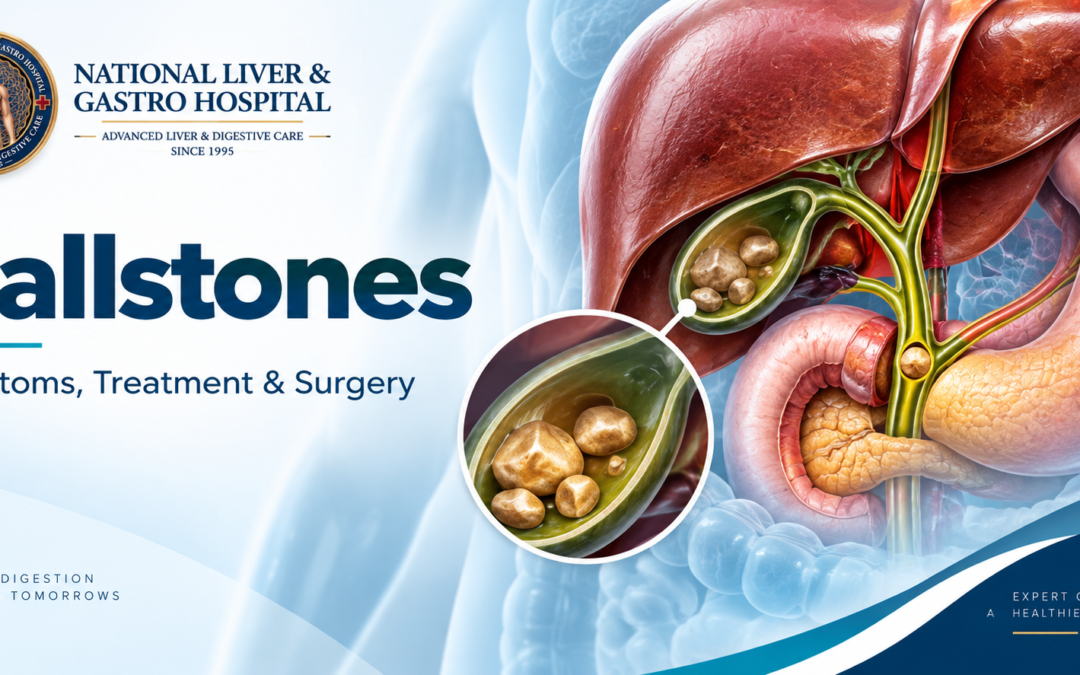
Gallstones: Symptoms, Causes, Treatment Options and When Surgery May Be Needed in Guntur

Gallstones: Symptoms, Causes, Treatment Options and When Surgery May Be Needed in Guntur

You finish a meal and notice a sudden pain under the right side of your ribs. At first, you may think it is acidity or indigestion. The pain settles after some time, so you continue with your normal routine.

Then it happens again, often after a heavy or oily meal. Sometimes there is nausea, vomiting, bloating or discomfort that seems to move toward the back or right shoulder.

One possible cause is gallstones.

Gallstones are hard deposits that develop inside the gallbladder. Some people have them for years without any symptoms, while others develop painful attacks or complications that require medical treatment.

If you have been diagnosed with gallstones or are experiencing repeated pain in the upper right abdomen, it is important to understand what the stones mean, how they are diagnosed and when treatment may be necessary.

If you are searching for gallstone treatment in Guntur, a gastroenterology evaluation can help determine whether your symptoms are actually related to gallstones and what should be done next.

Having Repeated Gallbladder Pain?

Get your symptoms evaluated and find out whether gallstones or another digestive condition could be causing the problem.

Call +91 94402 14706 WhatsApp Us Book an Appointment

What Are Gallstones?

Quick answer: Gallstones are solid, pebble-like deposits that form inside the gallbladder. They are usually made mainly from cholesterol or bilirubin. Gallstones can be very small or much larger, and some people have a single stone while others have multiple stones.

The gallbladder is a small, pear-shaped organ located beneath the liver. Its main job is to store bile, a digestive fluid produced by the liver. When you eat, the gallbladder releases bile into the small intestine through the bile ducts.

Gallstones can form when the substances in bile become imbalanced or when the gallbladder does not empty normally. Many gallstones do not cause any symptoms. These are sometimes called silent gallstones.

The problem begins when a stone blocks the normal flow of bile. This can cause a gallbladder attack and, in some cases, more serious complications.

What Do Gallstones Look Like?

Gallstones can vary considerably in size and number. Some are tiny, while others can become much larger. Their appearance depends partly on what they are made from.

The two major types are:

  • Cholesterol stones: These are generally associated with excess cholesterol in bile.
  • Pigment stones: These contain more bilirubin and can develop under certain medical conditions.

The size of a gallstone does not by itself determine whether you will have symptoms. A small stone can cause significant problems if it moves into and blocks a bile duct.

What Are the Symptoms of Gallstones?

Many people with gallstones never experience symptoms. Problems usually occur when a stone blocks the gallbladder or bile ducts.

The most common symptom is abdominal pain.

Gallstone-related pain may:

  • Occur in the upper right side of the abdomen
  • Occur in the upper middle part of the abdomen
  • Begin suddenly and become intense
  • Continue for several hours
  • Occur after a heavy meal in some people
  • Spread toward the back or right shoulder
  • Be accompanied by nausea or vomiting

However, not every episode of stomach pain is caused by gallstones. Gastritis, ulcers, reflux, pancreatitis and several other digestive problems can produce similar symptoms.

This is why a proper examination and appropriate imaging are important before assuming that gallstones are responsible.

Gallstone Symptoms That Need Prompt Medical Attention

Do not ignore severe or persistent symptoms. Seek prompt medical care if abdominal pain lasts for several hours or occurs with fever, chills, repeated vomiting, yellowing of the eyes or skin, dark urine or unusually pale stools. These symptoms can indicate inflammation, infection or blockage involving the gallbladder or bile ducts.

Gallstones can sometimes cause inflammation of the gallbladder, infection in the bile ducts or pancreatitis if a stone interferes with the pancreatic duct.

These complications require medical evaluation rather than waiting for the pain to disappear on its own.

What Causes Gallstones?

Gallstones do not have just one cause. They develop when the composition or movement of bile allows solid material to form inside the gallbladder.

Factors associated with a higher risk can include:

  • Being overweight or living with obesity
  • Rapid weight loss
  • Repeated crash dieting
  • Pregnancy and hormonal factors
  • Increasing age
  • Family history of gallstones
  • Diabetes and certain metabolic conditions
  • A diet high in refined carbohydrates and unhealthy fats
  • Some intestinal or liver conditions

Rapid weight loss is particularly important to understand. Losing weight gradually through a sustainable eating pattern and regular physical activity is generally preferable to extreme calorie restriction. Very rapid weight loss can increase the risk of gallstone formation.

Can Eating Oily Food Cause Gallstones?

Oily or fatty foods do not simply create a gallstone immediately after one meal. However, dietary patterns, excess weight and metabolic factors can influence gallstone risk.

If you already have symptomatic gallstones, fatty meals may trigger discomfort in some people because eating stimulates the gallbladder to contract.

Until you receive medical advice, you may find it helpful to identify and reduce foods that repeatedly trigger your symptoms. A balanced diet should still provide adequate nutrition rather than relying on extreme food restriction.

How Are Gallstones Diagnosed?

Doctors generally combine your symptoms and medical history with physical examination, blood tests and imaging when diagnosing gallstones.

1. Ultrasound

Abdominal ultrasound is commonly used as the first imaging test for suspected gallstones. It is non-invasive and does not use radiation.

Ultrasound can identify many gallstones and can also provide information about the gallbladder and surrounding structures.

2. Blood Tests

Blood tests may help identify signs of inflammation, infection or problems involving the liver, gallbladder or pancreas.

Blood tests alone do not normally confirm that you have gallstones. They are used alongside symptoms and imaging.

3. MRCP or Other Imaging

When doctors need more information about the bile ducts, additional imaging such as MRI-based testing may be considered.

This can be useful when there is concern that a stone has moved into a bile duct.

4. ERCP

Endoscopic retrograde cholangiopancreatography, commonly called ERCP, combines endoscopy and X-ray imaging. It can be used selectively to locate and remove stones that are stuck in the common bile duct.

ERCP is not simply another routine test for every person with gallstones. It is generally used when there is a specific reason to examine or treat the bile ducts.

Investigation What It Helps With Typical Role
Ultrasound Detecting gallstones and assessing the gallbladder Common first imaging test
Blood tests Checking for inflammation, infection or liver and pancreatic involvement Supports diagnosis and identifies complications
MRCP / MRI Detailed assessment of the bile ducts Used when additional duct imaging is needed
ERCP Finding and removing selected bile duct stones Primarily a therapeutic procedure when indicated

Do All Gallstones Need Treatment?

No.

If gallstones are discovered incidentally and are not causing symptoms or complications, treatment may not be necessary in many people. These are often referred to as silent gallstones.

The situation is different when gallstones cause repeated attacks, inflammation, obstruction or other complications.

Your doctor will consider your symptoms, examination findings, imaging results and overall health before recommending treatment.

When Do Gallstones Need Surgery?

When gallstones are causing symptoms or complications, the usual definitive treatment is removal of the gallbladder, known as a cholecystectomy.

Surgery may be considered when a person has:

  • Repeated painful gallstone attacks
  • Inflammation of the gallbladder
  • Gallstones causing complications
  • Stones in the common bile duct after appropriate evaluation
  • Other clinical findings that make gallbladder removal appropriate

The decision is not based only on the size or number of stones. Your symptoms and the location of the stones are important parts of the decision.

What Is Gallbladder Removal Surgery?

Gallbladder removal surgery is called cholecystectomy.

In many cases, the gallbladder is removed using a minimally invasive laparoscopic approach. Instead of storing bile in the gallbladder, bile flows directly from the liver through the bile ducts into the small intestine after the gallbladder has been removed.

The gallbladder is not essential for normal digestion, and many people live normally after gallbladder removal.

However, surgery is still a medical procedure with potential risks. Your surgeon or treating specialist should explain the expected benefits, recovery and possible complications based on your individual condition.

What If a Gallstone Is Stuck in the Bile Duct?

A gallstone in the gallbladder is different from a stone that has moved into the common bile duct.

A blocked bile duct can cause jaundice, abnormal liver tests, infection or other complications. When a common bile duct stone is suspected or confirmed, ERCP may be used in selected cases to remove the stone.

Depending on the situation, gallbladder surgery may also be recommended to prevent further gallstone-related problems.

Can Gallstones Cause Pancreatitis?

Yes. A gallstone can sometimes interfere with the normal flow through the bile and pancreatic ducts and contribute to gallstone pancreatitis.

Pancreatitis can cause significant upper abdominal pain, nausea and vomiting and may require hospital treatment.

Severe abdominal pain that does not settle, particularly when accompanied by repeated vomiting or fever, should not be assumed to be simple acidity or indigestion.

Gallstones and Diet: What Should You Eat?

Diet cannot reliably dissolve established gallstones, but healthy eating can support overall digestive and metabolic health and may help reduce risk factors associated with gallstone formation.

Choose More Often

  • Vegetables and fruits
  • Beans, lentils and other high-fiber foods
  • Whole grains in appropriate portions
  • Fish and other lean protein sources
  • Healthy fats in moderate amounts
  • Adequate water and regular meals

Limit

  • Deep-fried foods
  • Foods high in unhealthy fats
  • Large amounts of sweets and refined carbohydrates
  • Highly processed snack foods
  • Very large meals if they repeatedly trigger symptoms

If you are trying to lose weight, aim for gradual, sustainable weight reduction rather than crash dieting. Rapid weight loss can increase gallstone risk.

Can Gallstones Be Removed Without Surgery?

In selected situations, non-surgical treatments may be considered, but they are not appropriate for everyone.

Some medicines may dissolve certain cholesterol stones, but treatment can take a long time and stones can return. ERCP may be used to remove stones located in the common bile duct. Other non-surgical methods are used only in specific circumstances.

For symptomatic gallbladder stones, gallbladder removal is generally the definitive treatment when surgery is appropriate.

Do not rely on online gallbladder cleanses or home remedies to remove gallstones. If you have confirmed stones and repeated symptoms, discuss evidence-based treatment options with a qualified gastroenterologist or surgeon.

Gallstones vs Gastric Pain: How Can You Tell the Difference?

This is one of the most common questions patients ask.

Gallstone pain often occurs in the upper right or upper central abdomen and may last for several hours, sometimes after a heavy meal. Gastritis, reflux and ulcers can also cause upper abdominal discomfort, which makes it difficult to identify the cause based on symptoms alone.

Feature Possible Gallstone Pain Possible Gastric Problem
Location Often upper right or upper central abdomen Often upper central abdomen
Trigger May follow a heavy meal Can be related to meals, acid or other factors
Duration May last for several hours Can vary considerably
Nausea Can occur Can occur
Diagnosis Often requires ultrasound and clinical evaluation May require different tests depending on symptoms

This table is only a general guide. Symptoms overlap between digestive conditions, so persistent or severe pain should be evaluated rather than self-diagnosed.

When to See a Gastroenterologist in Guntur

Consider seeing a gastroenterologist if you have been diagnosed with gallstones or repeatedly experience unexplained upper abdominal pain.

A specialist evaluation is particularly important if you have:

  • Repeated attacks of upper abdominal pain
  • Pain after meals that keeps returning
  • Nausea or vomiting associated with abdominal pain
  • An ultrasound showing gallstones
  • Yellowing of the eyes or skin
  • Fever or chills with abdominal pain
  • Dark urine or pale stools
  • Abnormal liver function tests
  • Severe or persistent abdominal pain

If you are searching for a gallstone doctor in Guntur, the right evaluation can help determine whether you need observation, additional testing, medical management, ERCP or referral for gallbladder surgery.

Need Gallstone Evaluation in Guntur?

Do not keep treating recurring gallbladder pain as ordinary acidity. Get the cause properly evaluated.

Call +91 94402 14706 WhatsApp Us View Location on Google Maps

Gallstone Care at National Liver & Gastro Hospital

At National Liver & Gastro Multispeciality Hospital in Guntur, patients with abdominal pain, gallstones and other digestive conditions can receive specialist evaluation based on their symptoms, medical history and diagnostic findings.

Gallstone-related symptoms can sometimes resemble acidity, gastritis, ulcers or pancreatic problems. A careful evaluation helps determine the actual cause rather than treating every episode of abdominal pain as simple gastric discomfort.

If imaging confirms gallstones, your doctor can explain whether the stones are currently causing symptoms, whether further evaluation is required and which treatment options may be appropriate.

You can also check the hospital’s Google Business Profile for the location and directions.

Frequently Asked Questions About Gallstones

What are gallstones?

Gallstones are hard deposits that form inside the gallbladder. They are commonly made from cholesterol or bilirubin and can range in size from very small particles to larger stones.

What is the most common symptom of gallstones?

When gallstones cause symptoms, the most common complaint is abdominal pain, often in the upper right or upper central abdomen. The pain can last for several hours and may occur after a heavy meal.

Can gallstones cause acidity?

Gallstones can cause upper abdominal discomfort and nausea that some people may describe as indigestion. However, acidity and gallstones are different conditions, and symptoms alone cannot reliably distinguish between them.

What is the best test for gallstones?

Ultrasound is commonly used as the first imaging test for gallstones. Blood tests and additional imaging may be needed depending on the symptoms and whether a bile duct problem is suspected.

Do silent gallstones need treatment?

Gallstones that do not cause symptoms often do not require treatment. Your doctor can advise you based on your individual medical history and risk of complications.

When do gallstones require surgery?

When gallstones cause repeated symptoms or complications, gallbladder removal surgery may be recommended. The decision depends on symptoms, imaging findings and your overall health.

Can gallstones be treated without surgery?

Some non-surgical options exist for selected patients, but they are not suitable for everyone. ERCP can remove selected stones from the common bile duct, while certain medicines may dissolve some cholesterol stones in specific situations.

Can gallstones cause jaundice?

Yes. A stone that blocks a bile duct can interfere with bile flow and cause jaundice, including yellowing of the eyes or skin and dark urine. This requires prompt medical assessment.

Can gallstones cause pancreatitis?

Yes. Gallstones can sometimes block the area where the bile and pancreatic ducts drain, contributing to gallstone pancreatitis. Severe upper abdominal pain with vomiting requires prompt medical evaluation.

Where can I get gallstone treatment in Guntur?

National Liver & Gastro Multispeciality Hospital in Guntur provides gastroenterology evaluation for gallstones and related digestive conditions. You can call +91 94402 14706 or check the hospital location through Google Maps before visiting.

Do Not Ignore Repeated Gallbladder Pain

Finding gallstones on an ultrasound does not always mean that surgery is immediately necessary. At the same time, repeated painful attacks should not simply be ignored.

The important question is whether the stones are causing symptoms or complications and whether there is any evidence of blockage involving the bile ducts, gallbladder or pancreas.

With appropriate evaluation, your gastroenterologist can explain what your ultrasound means and whether you need monitoring, further investigation or treatment.

If you are looking for gallbladder stone treatment in Guntur, schedule an evaluation rather than relying on home remedies or repeatedly treating the pain as acidity.

View National Liver & Gastro Hospital on Google Maps

National Liver & Gastro Multispeciality Hospital

+91 94402 14706 | nationallivergastro.com

Guntur, Andhra Pradesh. View on Google Maps

Monday to Saturday, 9 AM to 8 PM

H. Pylori Infection: Symptoms, Testing, Treatment and When to See a Gastroenterologist in Guntur

H. Pylori Infection: Symptoms, Testing, Treatment and When to See a Gastroenterologist in Guntur

“`html

You have been taking medicines for acidity for weeks, but the burning sensation keeps coming back. Some days you feel pain or discomfort in the upper stomach, while on other days you feel bloated, full quickly or slightly nauseous after meals.

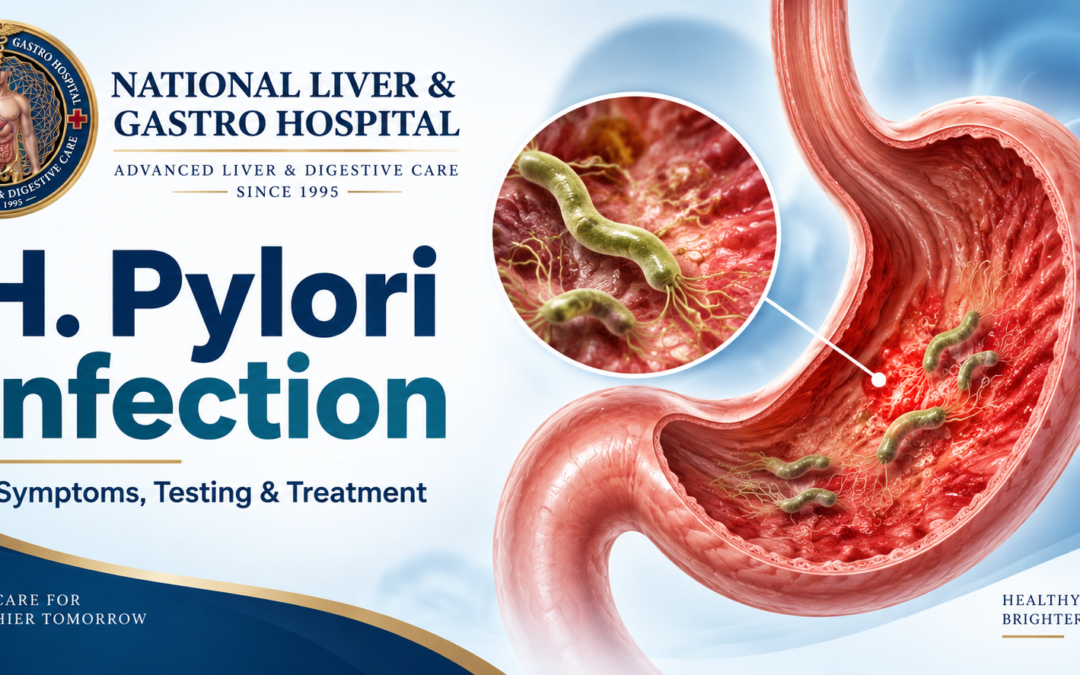
Sometimes these symptoms are blamed on spicy food, irregular meals or stress. While these can affect digestion, another possible cause is an infection called Helicobacter pylori, commonly known as H. pylori.

H. pylori is a bacterium that can live in the stomach lining. Many people with the infection have no obvious symptoms, but in some people it can contribute to gastritis, peptic ulcers and other stomach problems. This is why identifying the infection and treating it appropriately can be important.

If you are looking for H pylori treatment in Guntur, the first step should not be choosing a medicine yourself. A gastroenterologist can assess your symptoms, decide whether testing is appropriate and select treatment based on your medical history and previous antibiotic exposure.

Persistent Stomach Problems Need the Right Diagnosis

If acidity, upper stomach discomfort or ulcer symptoms keep returning, a proper gastroenterology evaluation can help identify the underlying cause.

Call +91 94402 14706 WhatsApp Us Book an Appointment

What Is H. Pylori Infection?

Quick answer: H. pylori is a type of bacterium that can infect the stomach lining. Some people have no symptoms, while others may develop upper abdominal discomfort, burning, nausea, bloating or ulcer disease. Testing can help determine whether the infection is present when your symptoms or medical history make testing appropriate.

The stomach has natural protective mechanisms that help it tolerate acid. H. pylori can interfere with some of these protective processes and contribute to inflammation of the stomach lining.

Not everyone with H. pylori develops an ulcer or significant symptoms. However, the infection is associated with peptic ulcer disease and is also considered an important risk factor for certain stomach cancers. For this reason, a confirmed infection should be discussed with a qualified gastroenterologist rather than ignored.

What Are the Symptoms of H. Pylori Infection?

One of the challenges with H. pylori is that symptoms can be different from one person to another. Some people remain completely symptom free.

When symptoms occur, they may include:

  • Burning or discomfort in the upper abdomen
  • Repeated acidity or indigestion
  • Bloating after meals
  • Frequent belching
  • Nausea
  • Feeling full sooner than usual
  • Reduced appetite
  • Upper abdominal pain that comes and goes
  • Symptoms that are worse when the stomach is empty in some people

These symptoms do not automatically mean that you have H. pylori. Gastritis, acid reflux, functional dyspepsia, gallbladder disease, medication related irritation and several other conditions can cause similar complaints.

That is why testing and clinical evaluation are more useful than assuming that every case of acidity is an H. pylori infection.

Can H. Pylori Cause Stomach Ulcers?

Yes. H. pylori is one of the important causes associated with peptic ulcer disease. An ulcer is an open sore that develops in the lining of the stomach or the first part of the small intestine.

People with an ulcer may experience burning or pain in the upper abdomen, nausea, early fullness or discomfort between meals. However, some ulcers cause few symptoms until complications occur.

Important: Black stools, vomiting blood, severe persistent abdominal pain, fainting or significant weakness can indicate gastrointestinal bleeding or another serious condition. These symptoms require prompt medical evaluation rather than self-treatment for acidity.

How Is H. Pylori Diagnosed?

There are several ways to test for H. pylori. The appropriate test depends on your symptoms, medical history and whether you have already received treatment.

1. Urea Breath Test

A urea breath test is a non-invasive method used to detect active H. pylori infection. It can also be useful after treatment to check whether the infection has been successfully eliminated.

2. Stool Antigen Test

A stool antigen test looks for evidence of H. pylori in a stool sample. Like the breath test, it can help identify an active infection and can be used for follow-up testing after treatment.

3. Upper GI Endoscopy With Biopsy

If you have alarm symptoms, persistent symptoms or other reasons that make endoscopy appropriate, a gastroenterologist may recommend an upper GI endoscopy. During the procedure, the doctor can examine the food pipe, stomach and upper small intestine and may take a small biopsy from the stomach lining.

Endoscopy is particularly useful when the doctor needs to look directly for ulcers, inflammation, bleeding or other abnormalities rather than simply checking for H. pylori.

4. Blood Testing

Blood tests can detect antibodies against H. pylori, but they may not reliably distinguish a current infection from a previous infection. For this reason, other testing methods may be preferred when the goal is to identify an active infection or confirm eradication.

Test What It Can Help Determine Typical Use
Urea breath test Evidence of active H. pylori infection Initial testing and follow-up in appropriate patients
Stool antigen test Evidence of active infection Initial testing and confirmation after treatment
Endoscopy with biopsy H. pylori plus direct examination of the stomach Selected patients with persistent or concerning symptoms
Blood antibody test Evidence of exposure to H. pylori Less useful when confirming active infection

When Should You Get Tested for H. Pylori?

Not every person with occasional acidity needs an H. pylori test. A gastroenterologist can consider your symptoms and medical history before recommending testing.

Testing may be considered in situations such as:

  • Persistent upper abdominal discomfort or indigestion
  • Peptic ulcer disease
  • A previous history of H. pylori infection
  • Repeated stomach symptoms that do not improve as expected
  • Some patients with dyspepsia after appropriate medical assessment
  • Selected patients with a relevant family or medical history

If you have warning signs such as unexplained weight loss, repeated vomiting, anemia, gastrointestinal bleeding, difficulty swallowing or a strong family history of stomach cancer, your doctor may recommend a more detailed evaluation rather than relying only on a simple H. pylori test.

How Is H. Pylori Treated?

H. pylori treatment usually involves a combination of medicines rather than a single antibiotic. Treatment commonly includes acid suppression along with antibiotics and, depending on the selected regimen, other medicines such as bismuth.

The exact combination should be chosen by a doctor. Previous antibiotic exposure, medication allergies, previous H. pylori treatment and local antibiotic resistance patterns can affect treatment decisions.

Modern clinical guidance has moved away from automatically using the same antibiotic combination for every patient. In particular, some antibiotic resistance patterns can reduce the effectiveness of certain older regimens. This is one reason why self-medicating with leftover antibiotics is not a good approach.

Why Completing the Full Treatment Matters

H. pylori treatment can involve several medicines taken for a defined period. Missing doses or stopping treatment early can reduce the chance of successful eradication and can make future treatment more difficult.

Some people experience temporary side effects such as nausea, changes in taste, loose stools or stomach discomfort while taking treatment. If side effects become difficult to manage, contact your doctor rather than stopping the medicines without advice.

Do not start H. pylori antibiotics without medical advice. The correct treatment depends on your individual medical history, previous antibiotic exposure and the treatment approach selected by your gastroenterologist.

How Do You Know If H. Pylori Treatment Worked?

Feeling better does not always prove that H. pylori has been eliminated.

For appropriate patients, a follow-up test is used after treatment to confirm eradication. Current clinical guidance recommends confirming that the infection has been successfully cleared rather than assuming that symptom improvement means the treatment worked.

The follow-up test may involve a urea breath test or stool antigen test, depending on the circumstances. The timing of the test and temporary changes to medicines such as acid suppressants are important because testing too soon or while taking certain medicines can affect the accuracy of the result.

Your gastroenterologist will tell you when to perform the test and which medicines may need to be paused beforehand.

H. Pylori and Gastritis: Are They the Same?

No. Gastritis means inflammation of the stomach lining, while H. pylori is one possible cause of that inflammation.

Other factors can also contribute to gastritis, including certain medicines, alcohol, autoimmune conditions and other forms of stomach irritation.

This distinction matters because treating acidity alone may not address the underlying cause if H. pylori infection is present. A proper evaluation helps determine what is actually causing your symptoms.

Can H. Pylori Come Back After Treatment?

After successful eradication, the infection can be treated effectively, but a person can potentially become infected again. In adults, confirming eradication after treatment is therefore important.

If symptoms return after successful treatment, do not automatically assume that H. pylori has returned. Acid reflux, functional dyspepsia, gastritis, ulcers, dietary factors and other digestive conditions can produce similar symptoms.

A doctor can decide whether repeat testing or another evaluation is necessary.

What Should You Do While Being Treated?

There is no special food that can replace medical treatment for H. pylori. However, some practical habits can make digestive symptoms easier to manage.

  • Take prescribed medicines exactly as directed.
  • Avoid unnecessary painkillers that can irritate the stomach unless prescribed by your doctor.
  • Limit foods that clearly trigger your symptoms.
  • Reduce alcohol consumption and discuss alcohol use with your doctor.
  • Avoid smoking and tobacco products.
  • Do not share or reuse leftover antibiotics.
  • Complete the prescribed treatment even if symptoms improve early.
  • Attend the recommended follow-up test after treatment.

When Should You See a Gastroenterologist in Guntur?

If your stomach symptoms keep returning despite taking routine acidity medicines, it is worth finding out whether there is an underlying cause.

You should consider a gastroenterology consultation if you have:

  • Persistent upper abdominal pain or burning
  • Repeated indigestion or acidity
  • A history of stomach or duodenal ulcers
  • Frequent nausea or unexplained bloating
  • Symptoms that repeatedly return after stopping acidity medicines
  • Unexplained weight loss
  • Repeated vomiting
  • Difficulty swallowing
  • Black stools or blood in vomit
  • Known or suspected H. pylori infection

For patients looking for an H pylori doctor in Guntur, a specialist evaluation can help determine whether you need H. pylori testing, endoscopy or another form of digestive investigation.

Looking for H. Pylori Evaluation in Guntur?

Get your recurring stomach symptoms assessed by a gastroenterology team and discuss the right testing and treatment approach for your condition.

Call +91 94402 14706 WhatsApp Us View Location on Google Maps

H. Pylori Care at National Liver & Gastro Hospital

At National Liver & Gastro Multispeciality Hospital in Guntur, stomach and digestive complaints are evaluated based on the patient’s symptoms, medical history and appropriate diagnostic findings.

The hospital provides gastroenterology care including evaluation of stomach and duodenal ulcers, H. pylori testing and eradication treatment, endoscopy and management of other digestive conditions.

If you have been taking acidity medicines repeatedly without understanding why your symptoms keep returning, a consultation can help determine whether further testing is appropriate.

You can visit the hospital in Guntur or check the exact location, directions and available information through the hospital’s Google Business Profile.

Frequently Asked Questions About H. Pylori

What is H. pylori?

H. pylori is a bacterium that can infect the stomach lining. Some people have no symptoms, while others may develop gastritis, indigestion, upper abdominal discomfort or peptic ulcers.

What are the common symptoms of H. pylori?

Possible symptoms include upper abdominal discomfort, burning, indigestion, bloating, nausea, frequent belching and feeling full quickly. However, many people with H. pylori have no symptoms.

What is the best test for H. pylori?

Urea breath testing and stool antigen testing are commonly used to detect active infection. In selected patients, an upper GI endoscopy with biopsy may also be recommended.

Can H. pylori be completely treated?

H. pylori can often be successfully eradicated with an appropriate combination of medicines. Completing treatment and confirming eradication afterward are important parts of care.

Can I treat H. pylori with acidity medicine alone?

Acid reducing medicines may help control symptoms, but they do not by themselves eradicate H. pylori. If an active infection is confirmed, specific eradication treatment prescribed by a doctor is required.

Can H. pylori cause ulcers?

Yes. H. pylori is an important cause associated with peptic ulcer disease. Patients diagnosed with an ulcer may therefore be evaluated for H. pylori infection.

Do I need a gastroenterologist for H. pylori treatment in Guntur?

A gastroenterologist can assess your symptoms, determine whether H. pylori testing is appropriate and select a suitable treatment plan based on your medical history and previous treatment.

How do I know whether H. pylori treatment has worked?

Symptoms improving is not enough to confirm eradication. A follow-up breath test, stool antigen test or another appropriate test may be recommended after treatment to confirm that the infection has been cleared.

Where can I get H. pylori treatment in Guntur?

National Liver & Gastro Multispeciality Hospital provides gastroenterology evaluation and care in Guntur. You can contact the hospital at +91 94402 14706 or check the hospital location on Google Maps before visiting.

Take Persistent Stomach Symptoms Seriously

Occasional acidity after a heavy meal is common. But when upper abdominal discomfort, indigestion, bloating or ulcer symptoms keep returning, repeatedly taking acidity medicine without finding the underlying cause may not be enough.

H. pylori is one possible cause, and appropriate testing can help determine whether it is present. If the infection is confirmed, completing the prescribed treatment and confirming eradication can help reduce the risk of ongoing infection and related complications.

If you are searching for H pylori treatment in Guntur, speak with a qualified gastroenterologist about your symptoms and medical history before starting treatment.

View National Liver & Gastro Hospital on Google Maps

National Liver & Gastro Multispeciality Hospital

+91 94402 14706 | nationallivergastro.com

Guntur, Andhra Pradesh. View on Google Maps

Monday to Saturday, 9 AM to 8 PM

Disclaimer: This article is intended for general health awareness only and does not replace professional medical advice, diagnosis or treatment. H. pylori testing and treatment should be determined by a qualified healthcare professional based on the patient’s individual condition. Treatment outcomes vary from patient to patient.

“`